




Charlotte Wessels – Arcane Dimensions Tour @ COS Torwar, Warsaw (17.03.2026)
Charlotte Wessels – Arcane Dimensions Tour @ COS Torwar, Warsaw (17.03.2026)
The Arcane Dimensions Tour brings together three distinct faces of modern metal. At Warsaw’s COS Torwar arena, Epica and Amaranthe lead the bill, while Charlotte Wessels takes on the role of special guest. It’s a position that could easily feel transitional in a venue of this scale, yet Wessels uses it to present a concise and carefully crafted introduction to her current artistic direction.
Her set doesn’t come across as a mere warm-up, but rather as a focused showcase of her recent work. Drawing heavily from The Obsession, she clearly positions herself in this new phase of her career — independent from her past, yet still subtly connected to it.
Charlotte Wessels – A Theatrical Opener Between Light and Melody
It is still early in the evening when Charlotte Wessels and her band take the stage. With a set of around forty minutes, she is tasked with guiding the audience into the night, but what unfolds feels far from a modest opening act.
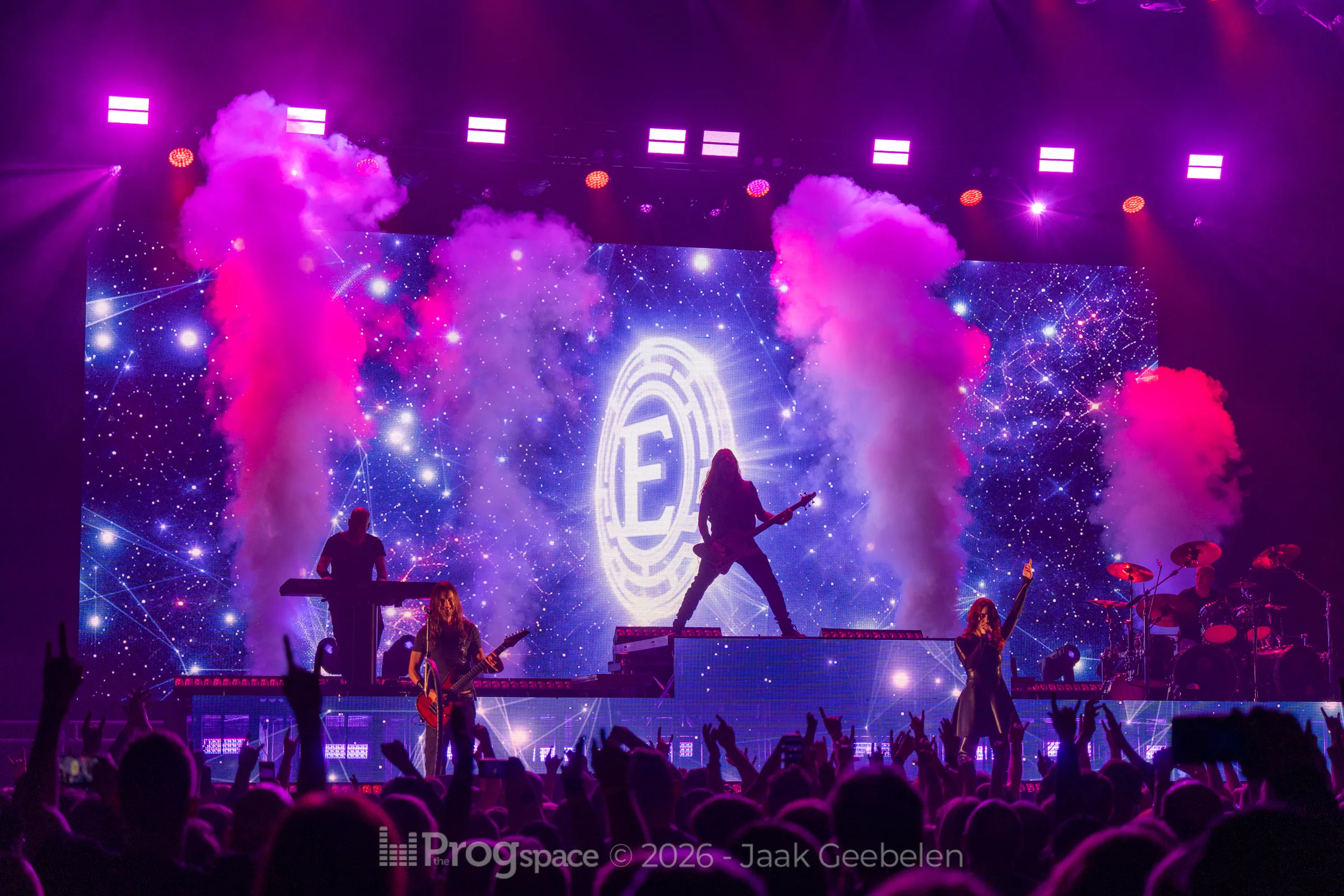
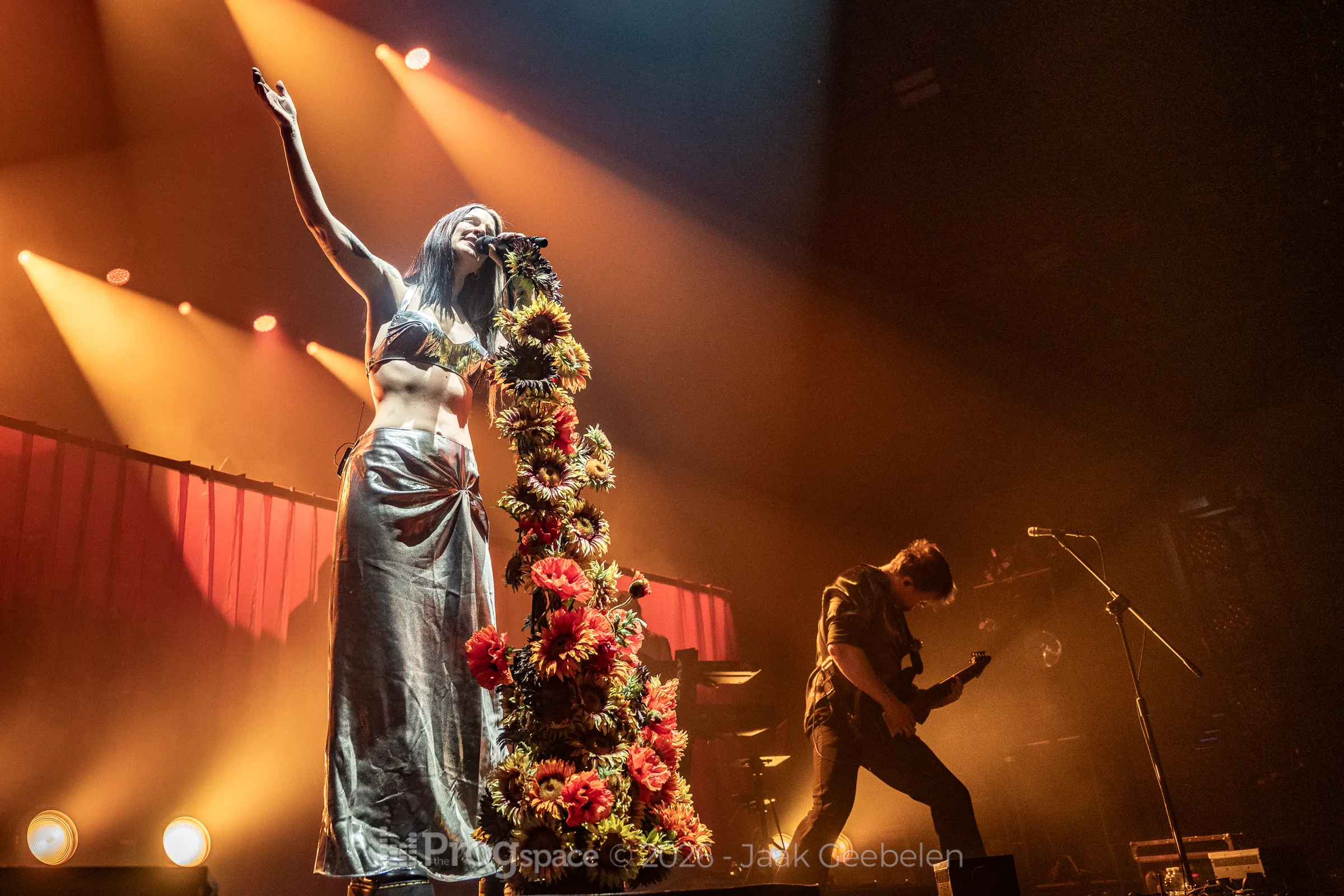
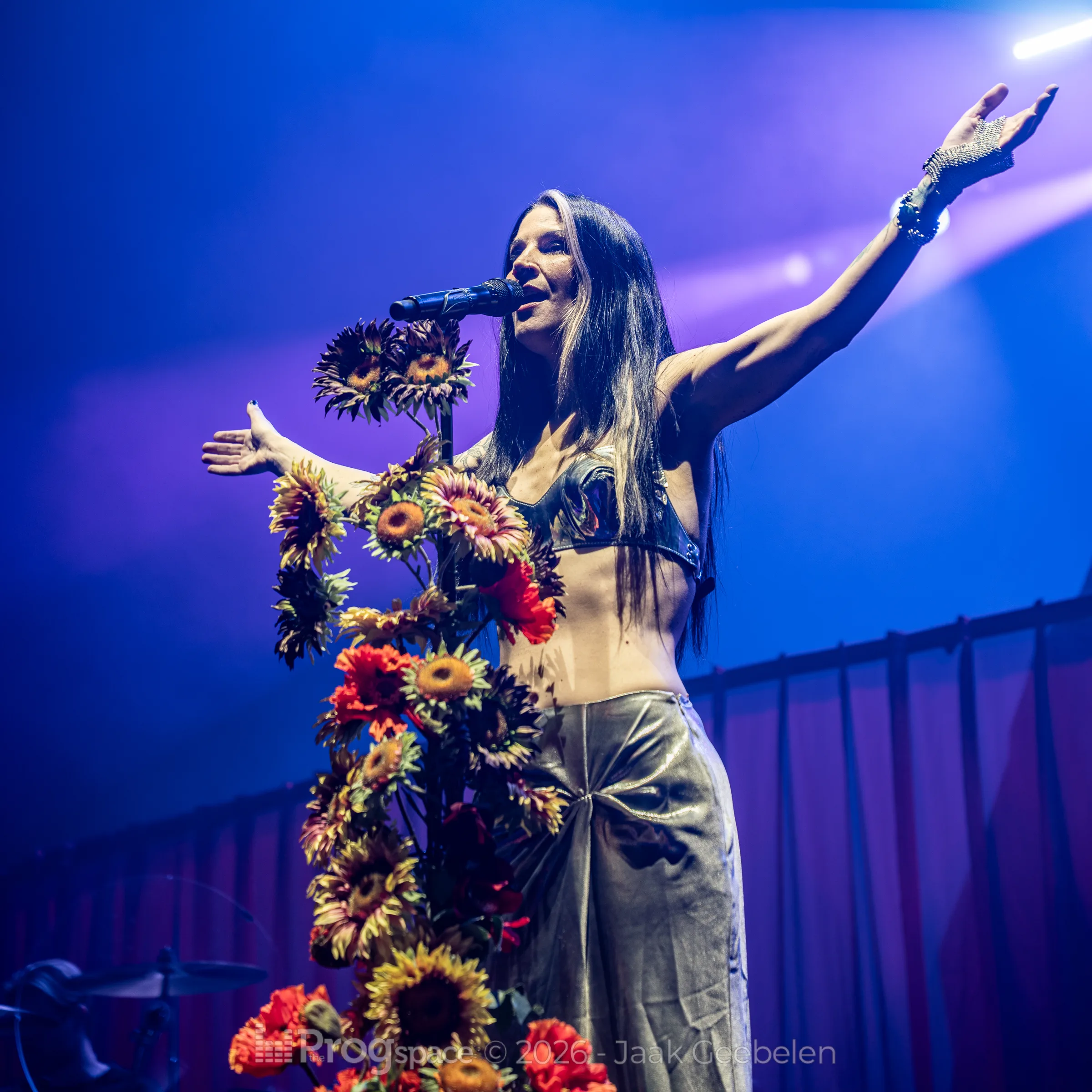
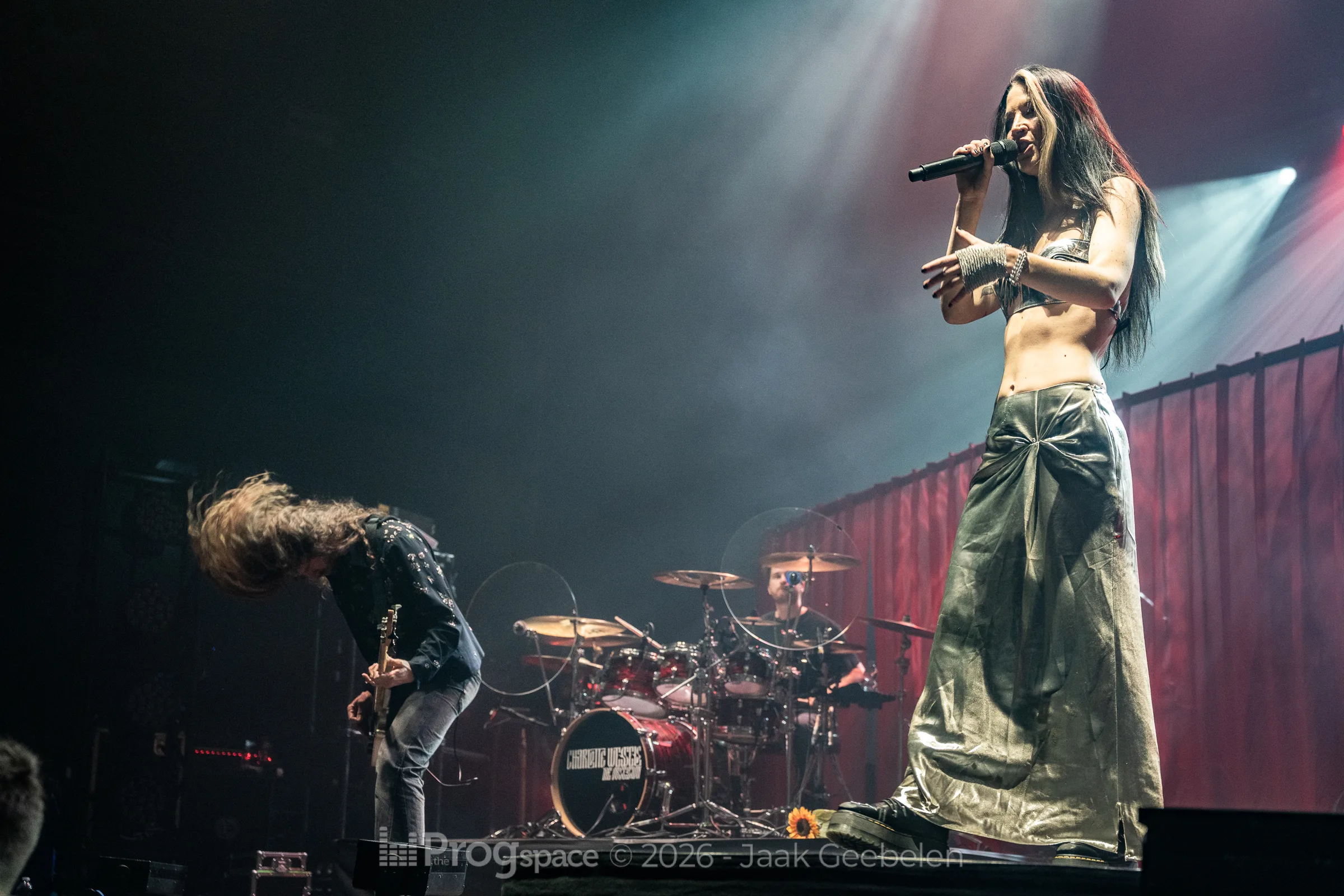
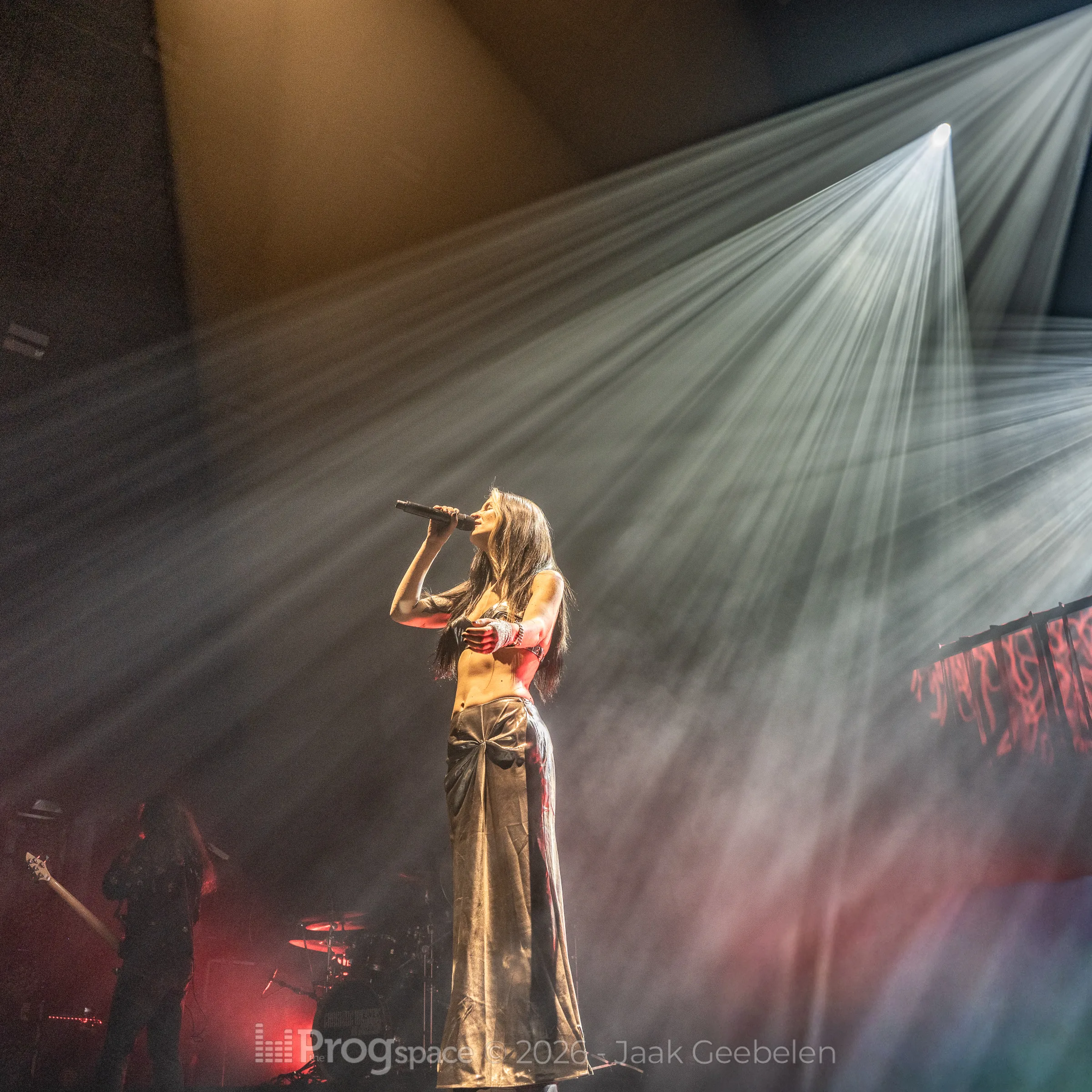
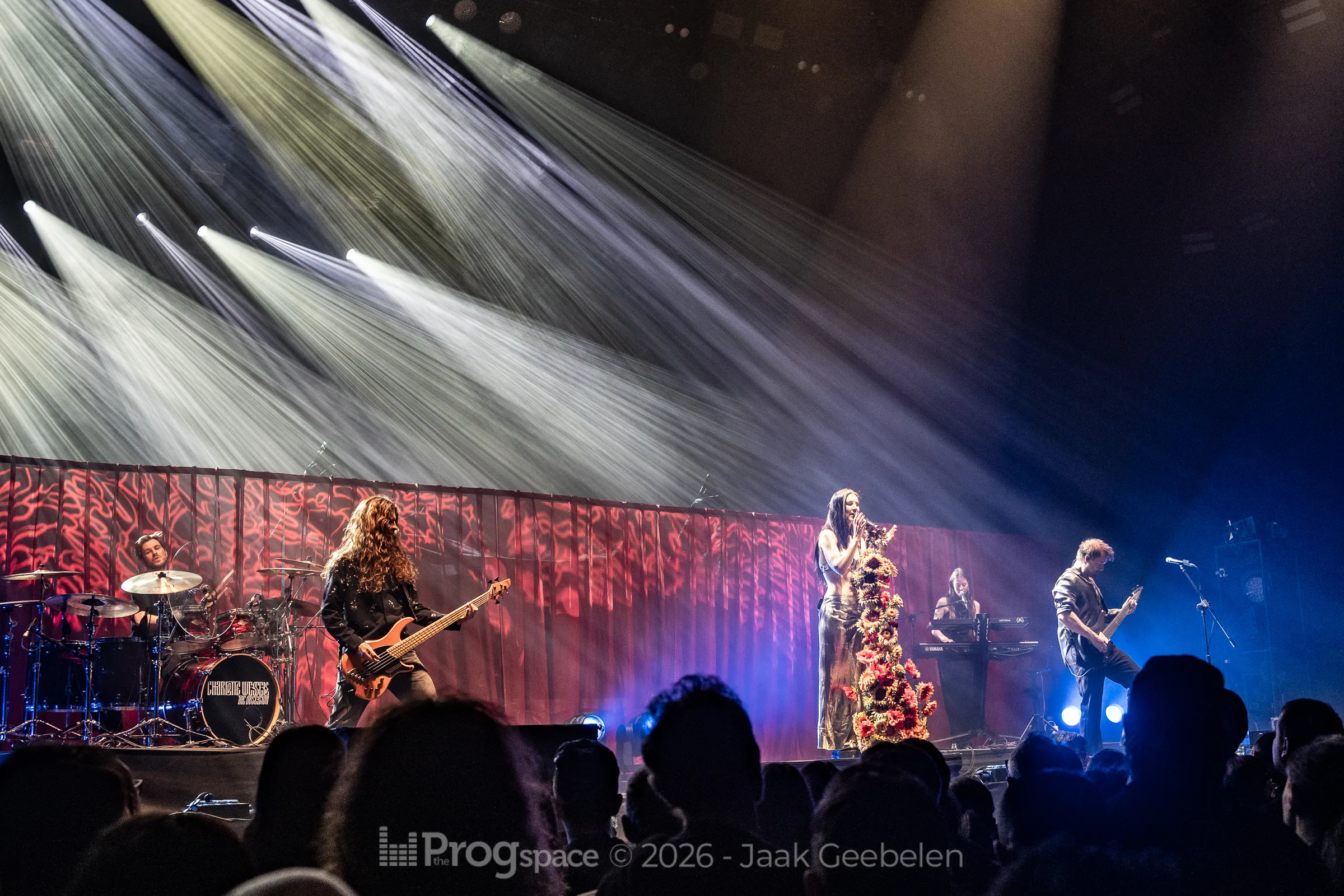
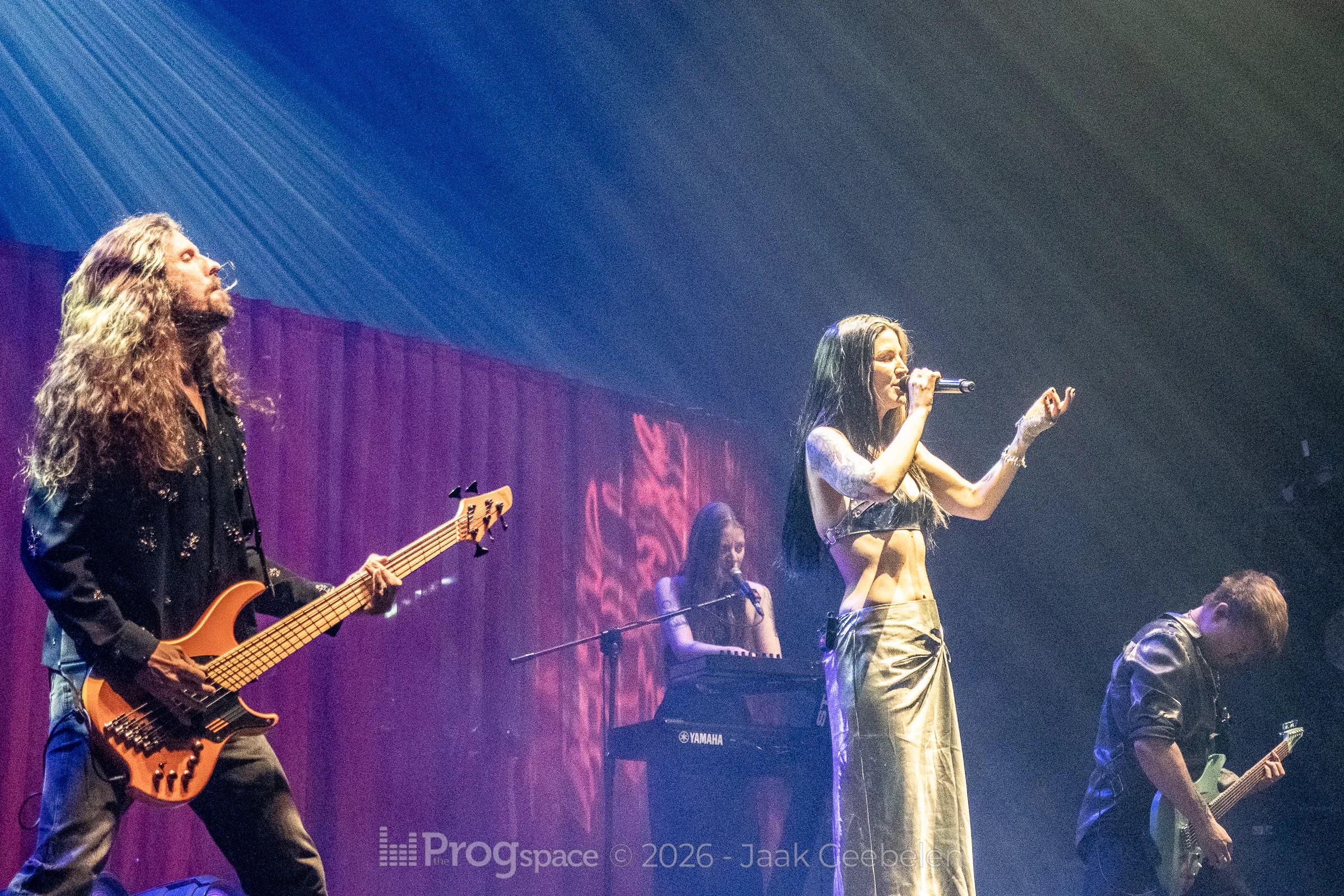
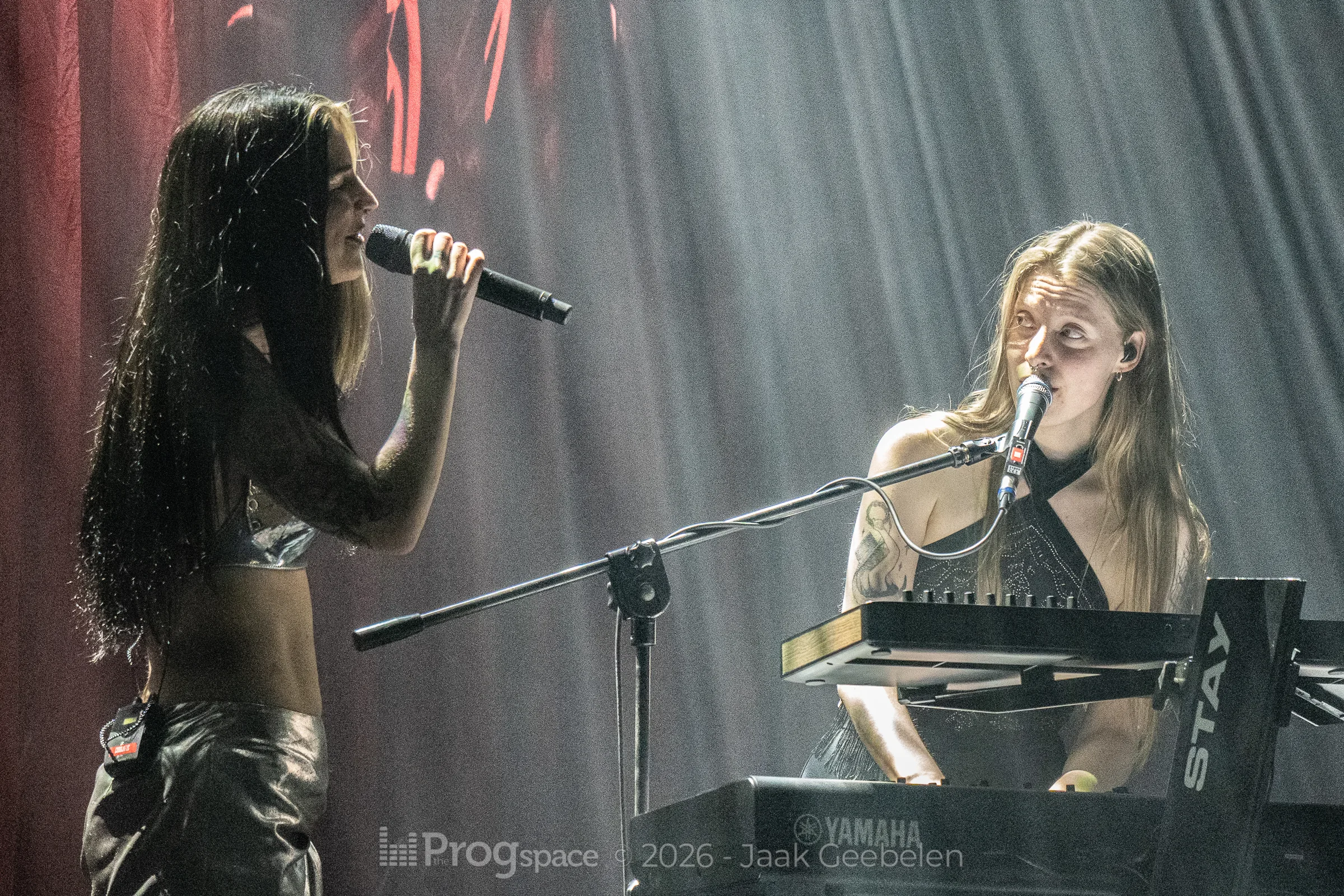
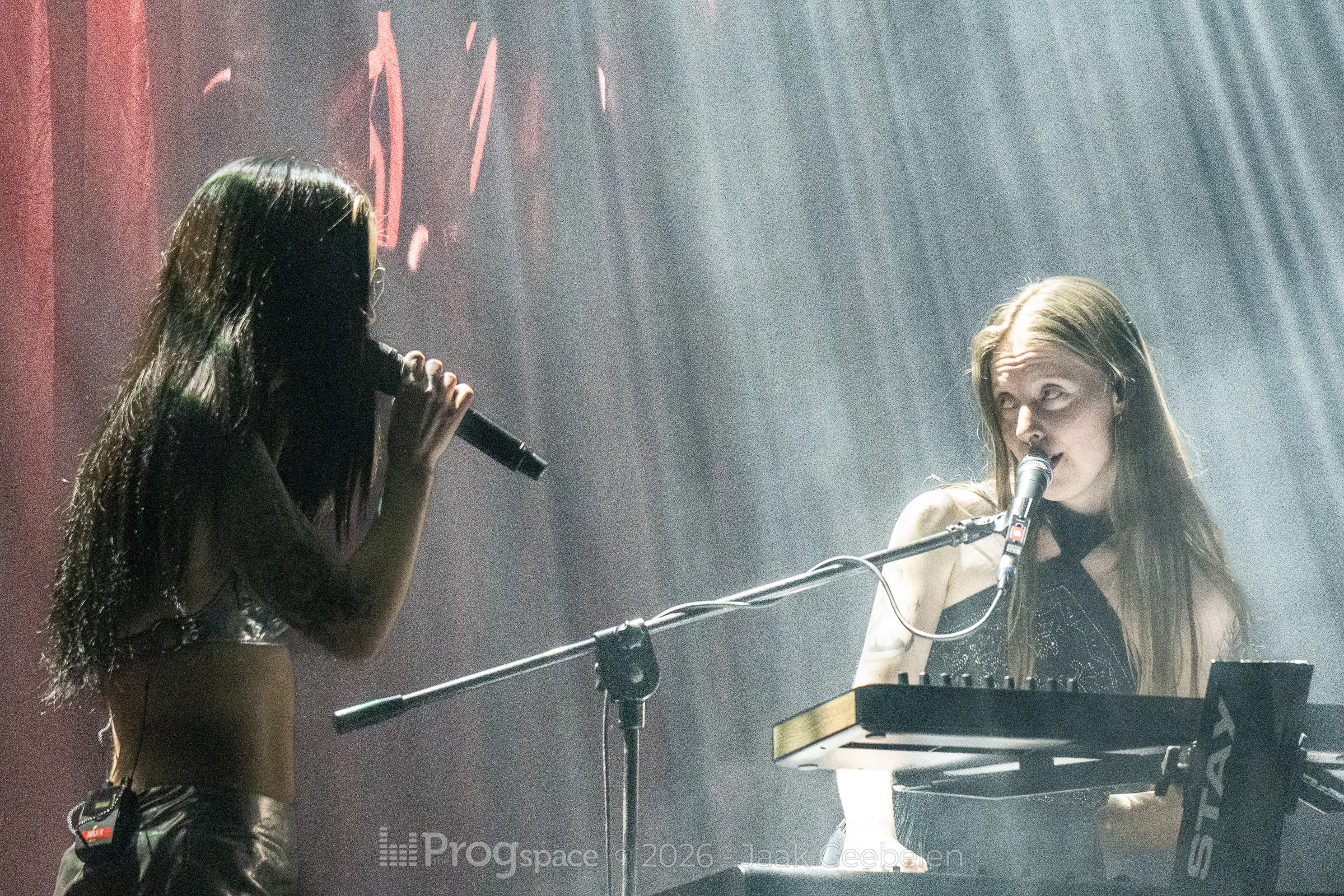
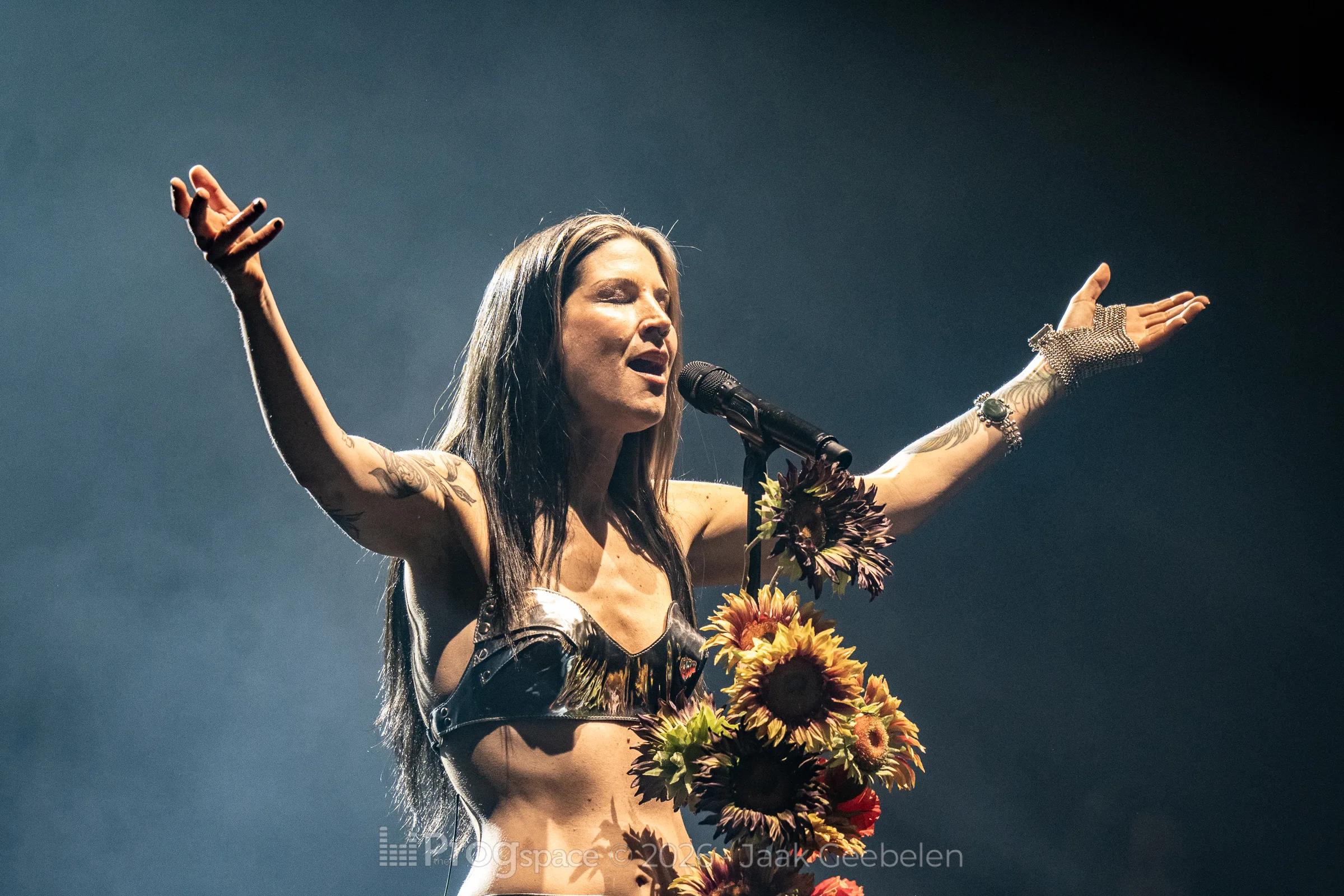
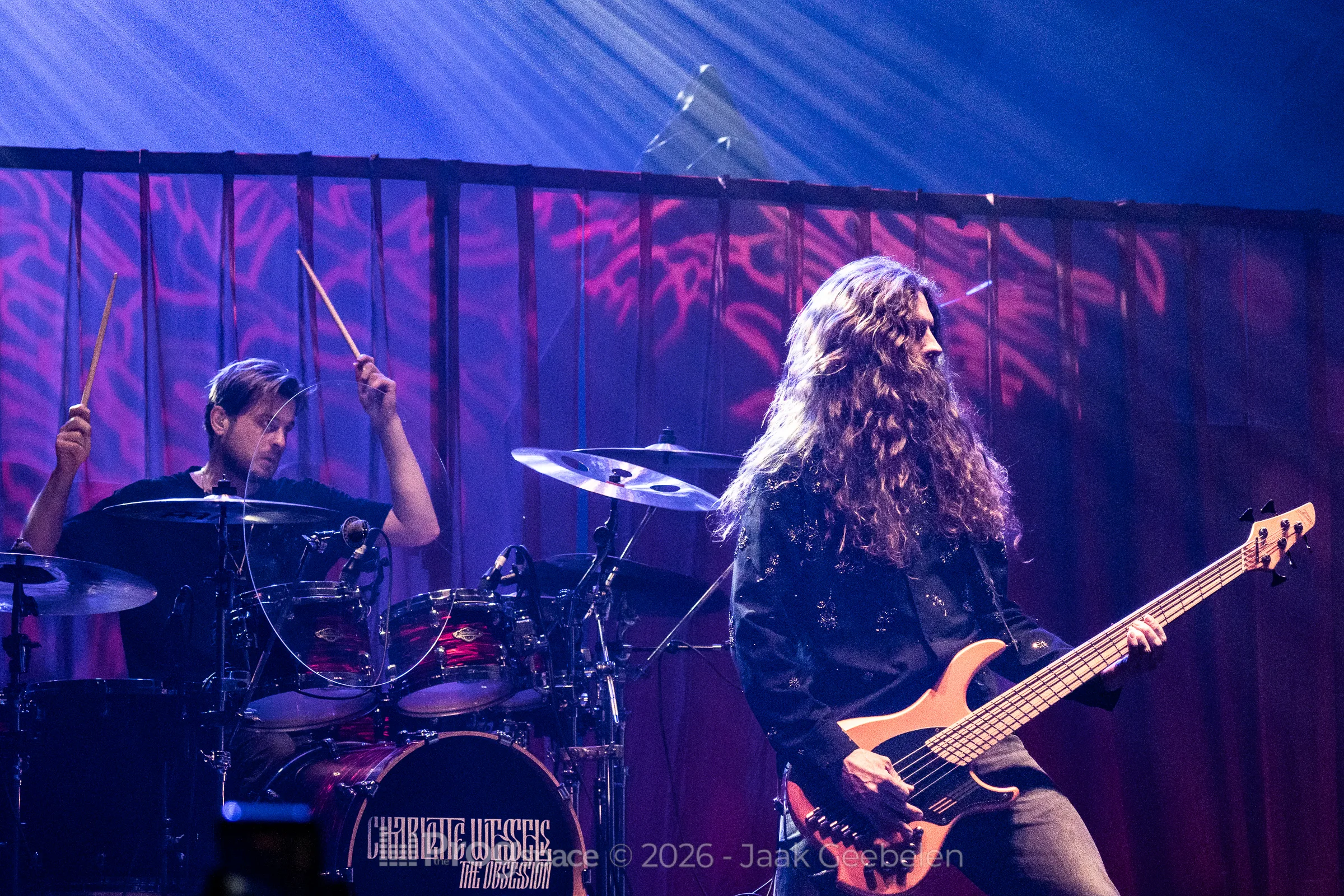
The stage setup is clean and deliberate. Wessels stands at the center behind a flower-decorated microphone stand that immediately serves as the visual focal point. The band is arranged in a wide horizontal line: drummer on the far left, followed by the bassist, Wessels in the center, keyboards to her right, and the guitarist on the far right. This open layout creates a clear visual structure, naturally drawing attention toward the center of the stage.
The set is largely built around material from The Obsession. Four of the seven songs — Chasing Sunsets, Dopamine, The Crying Room, and The Exorcism — come from that album, complemented by Soft Revolution, Tempest, and After Us, The Flood. This results in a coherent and focused performance that feels like a compact yet complete representation of her current sound.
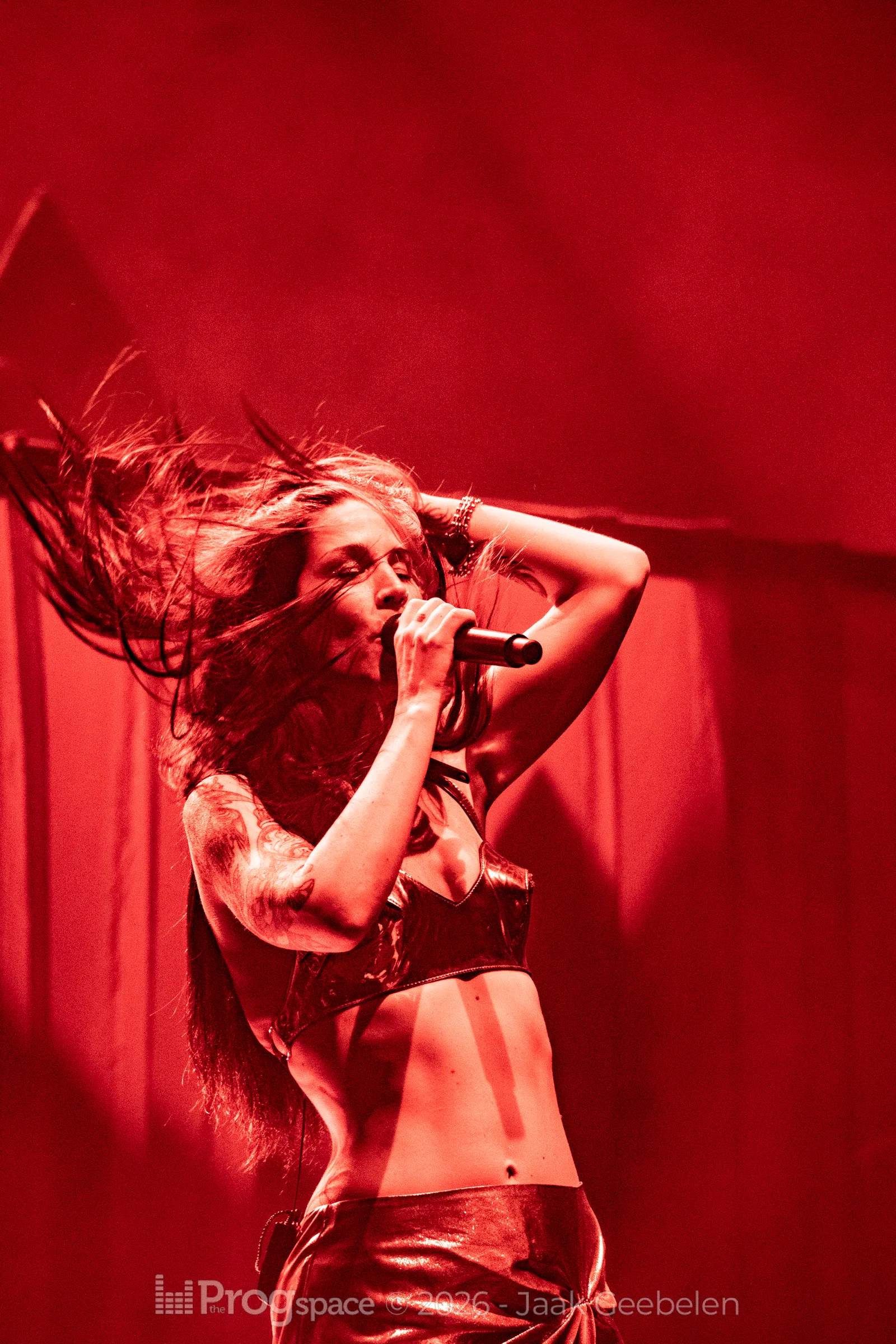
As the opening notes of Chasing Sunsets ring out, the stage is flooded with warm red light. Angled beams cut through the haze, immediately creating a layered and theatrical atmosphere. The song works effectively as an opener: driven by solid guitar work, yet melodic enough to quickly engage the audience.
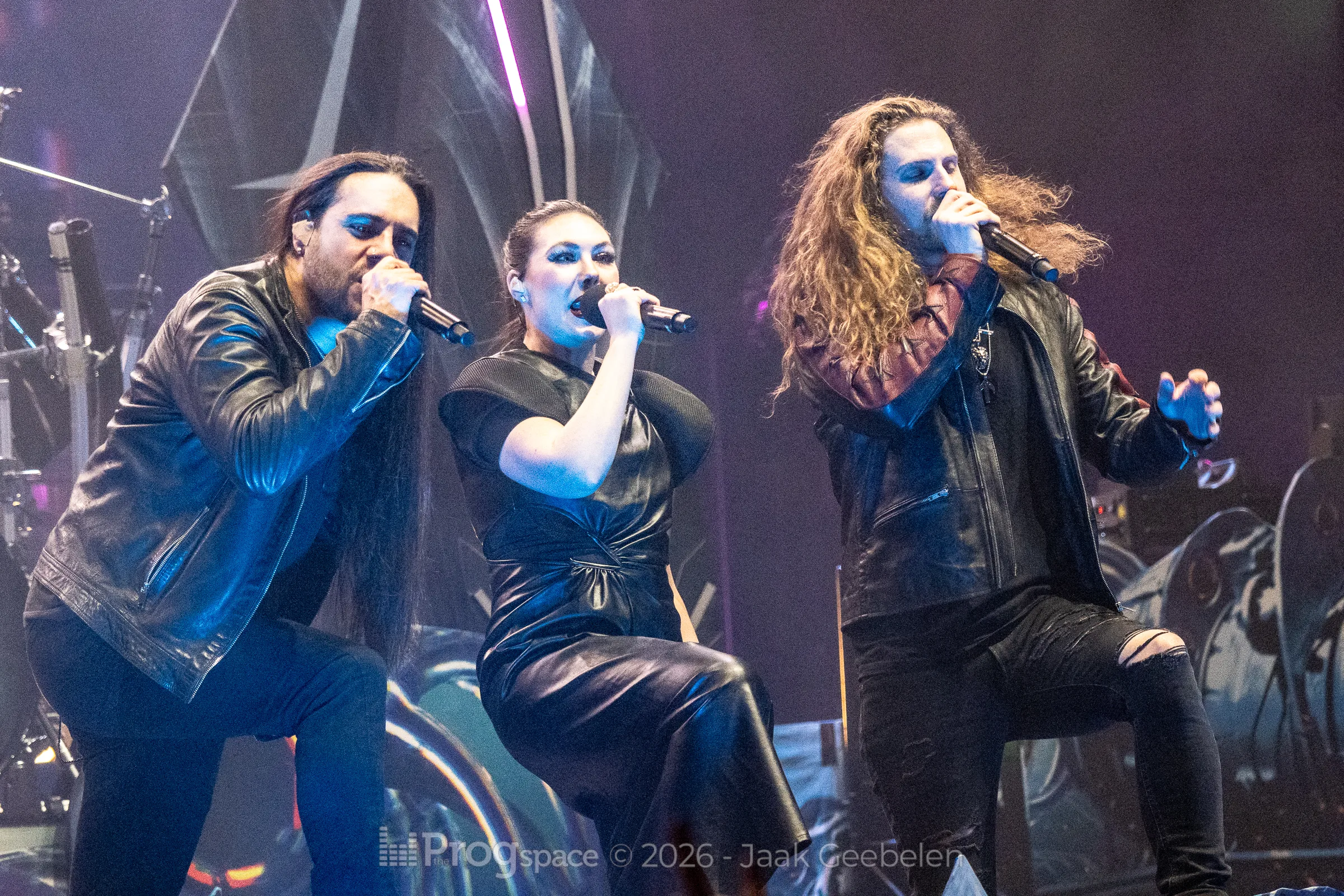
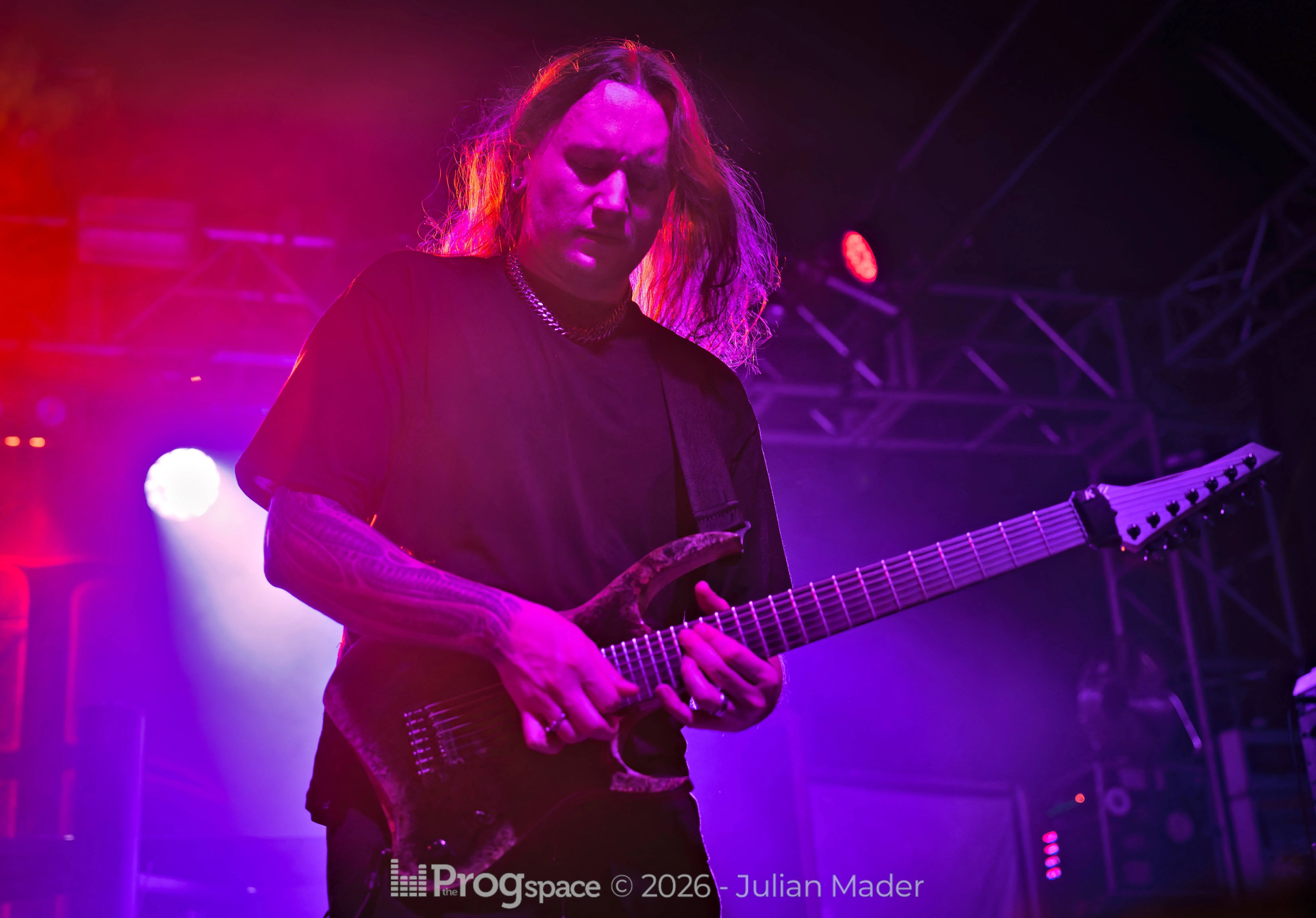
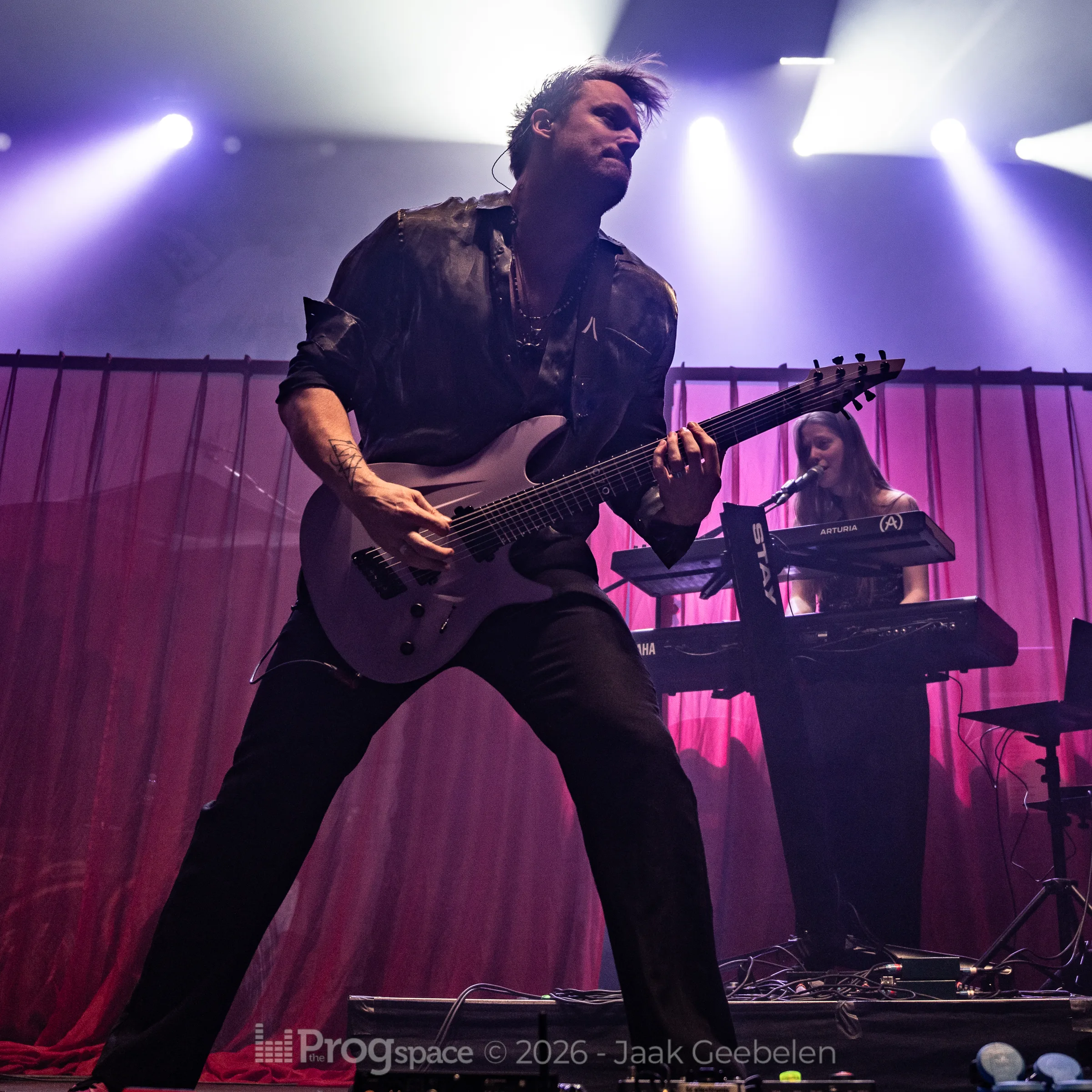
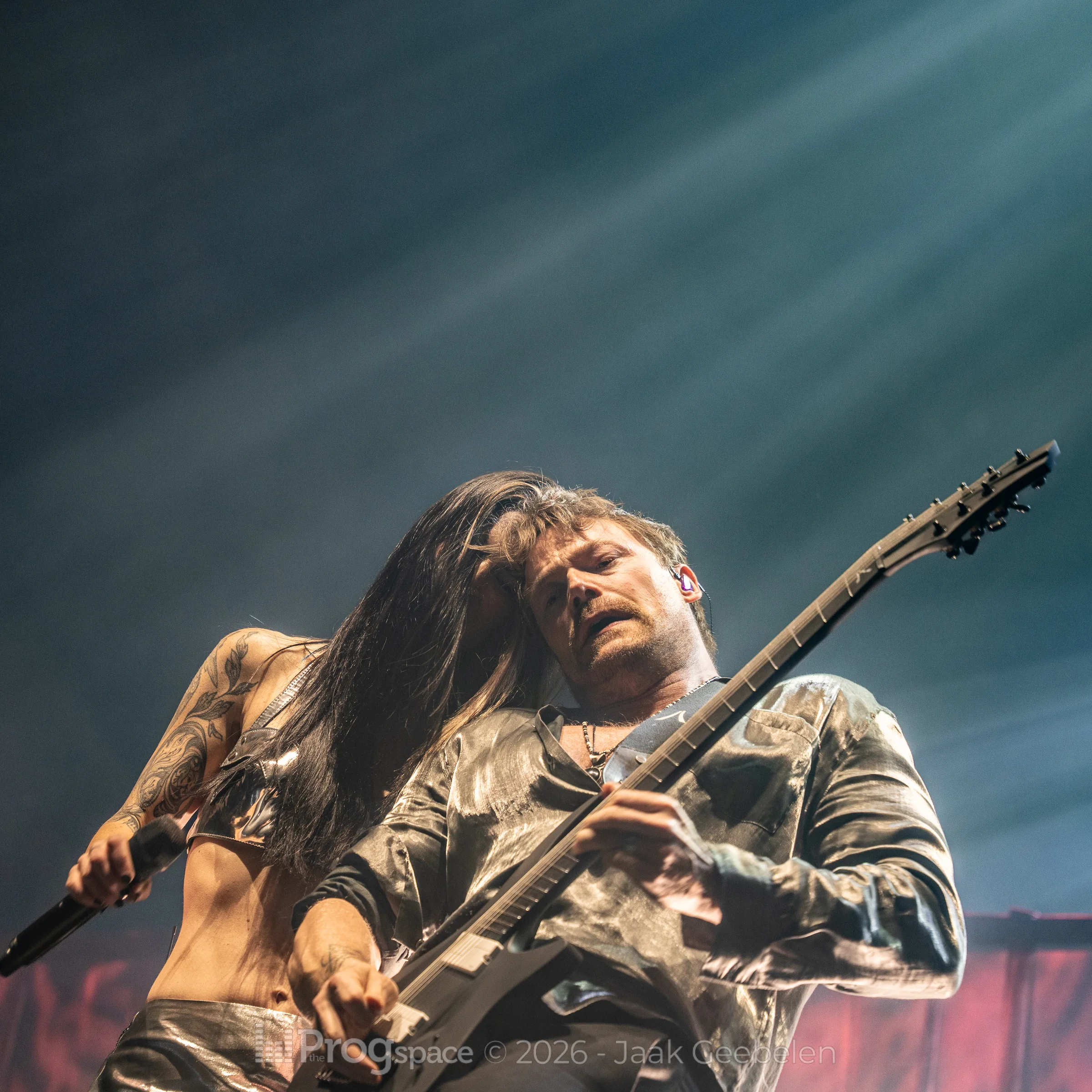
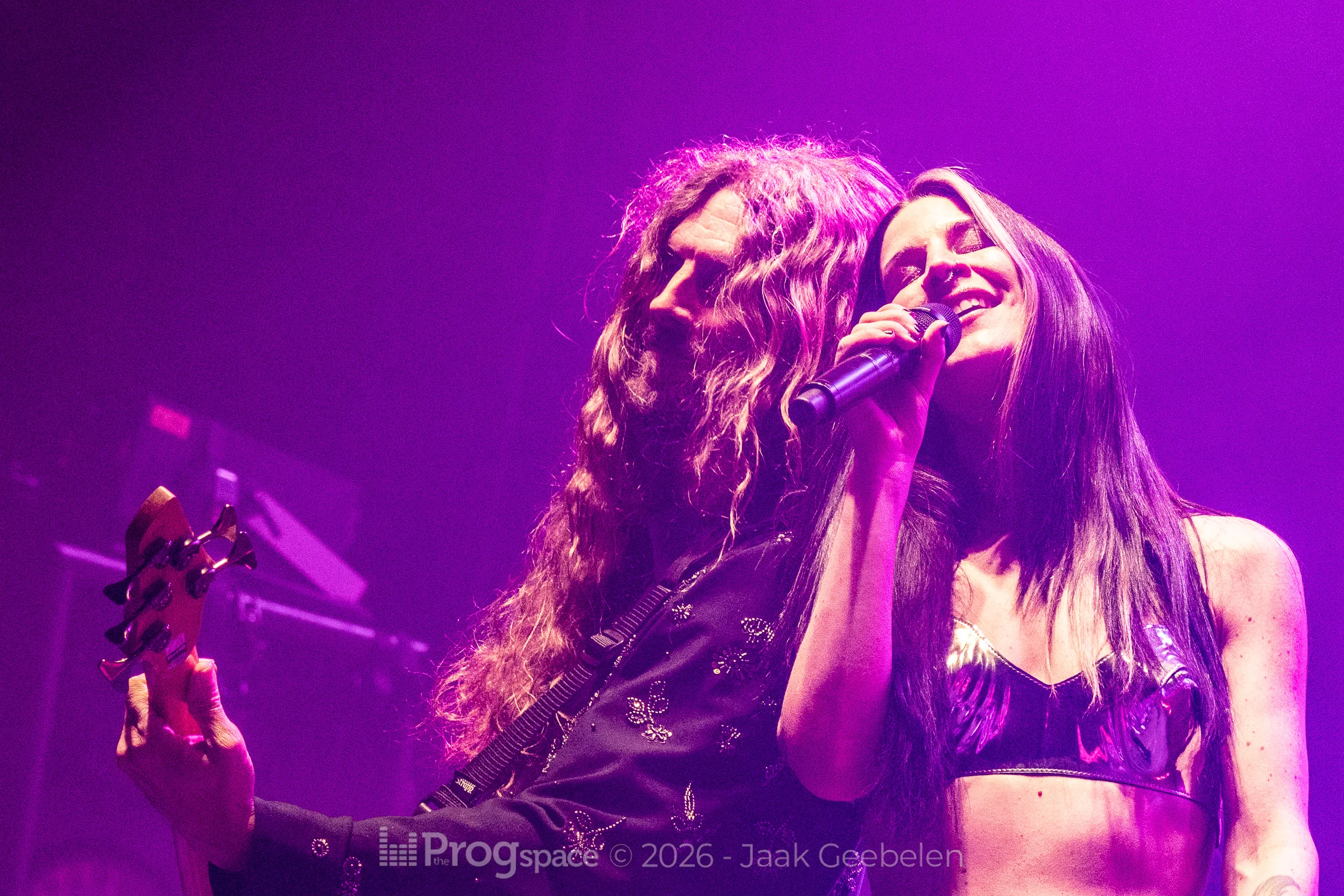
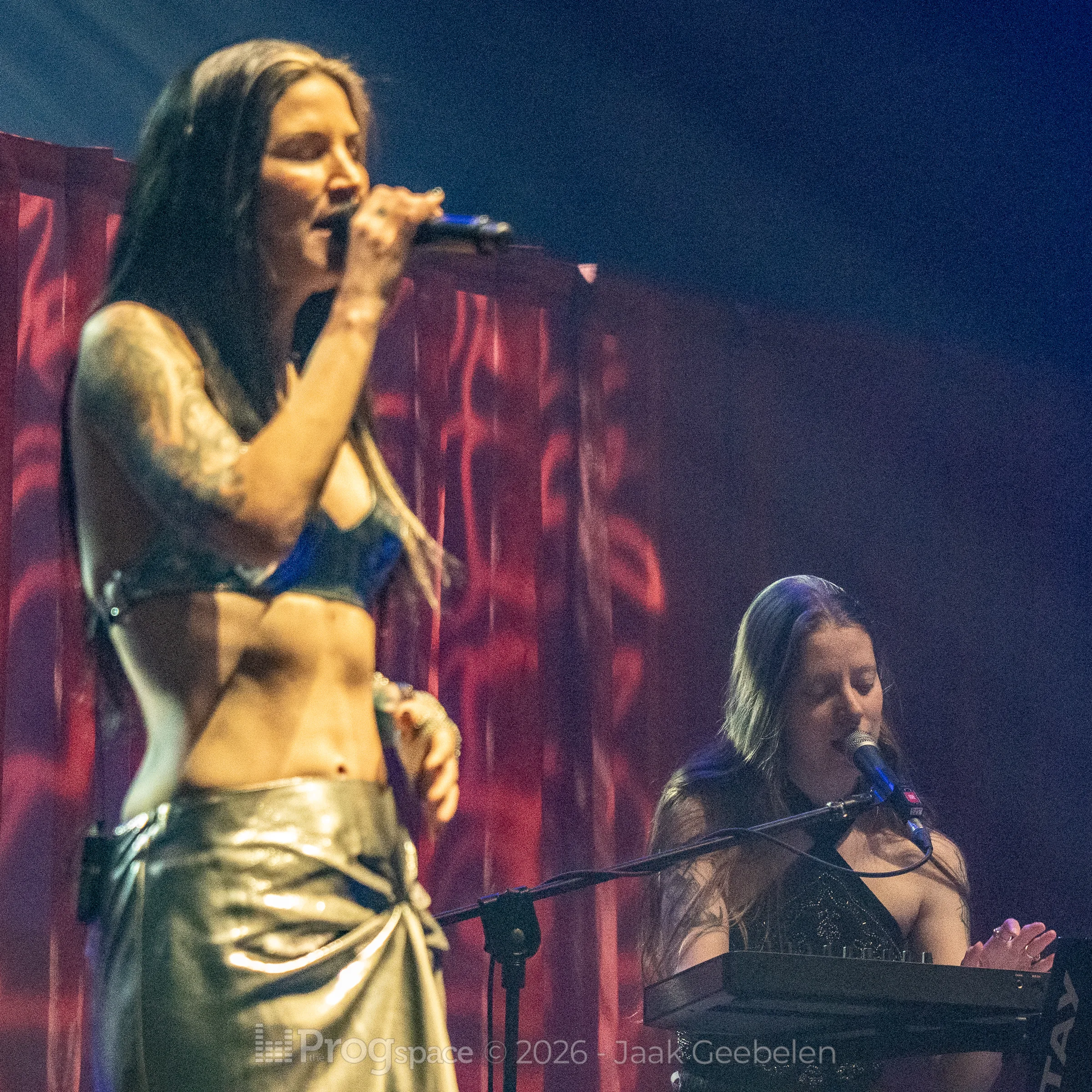
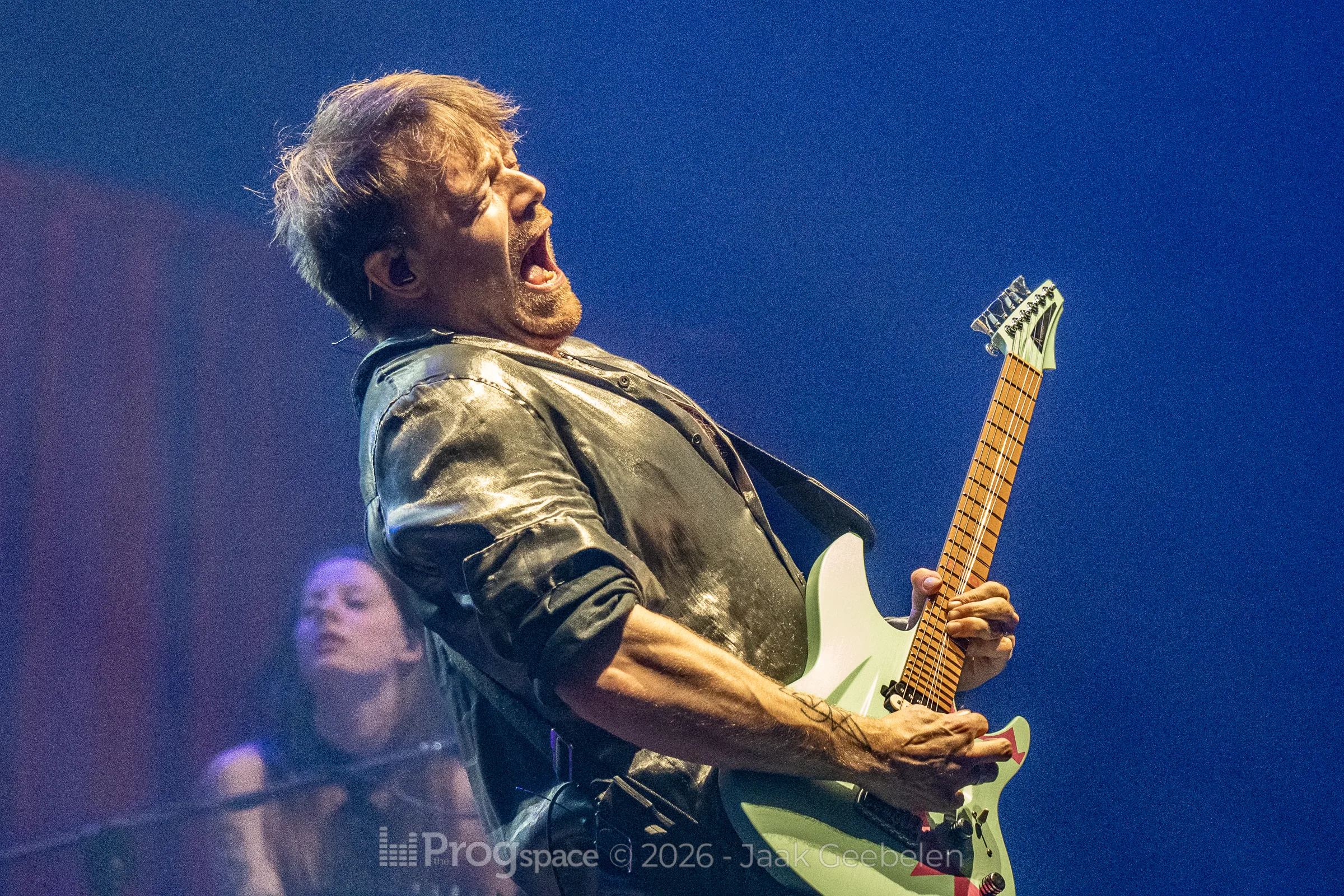
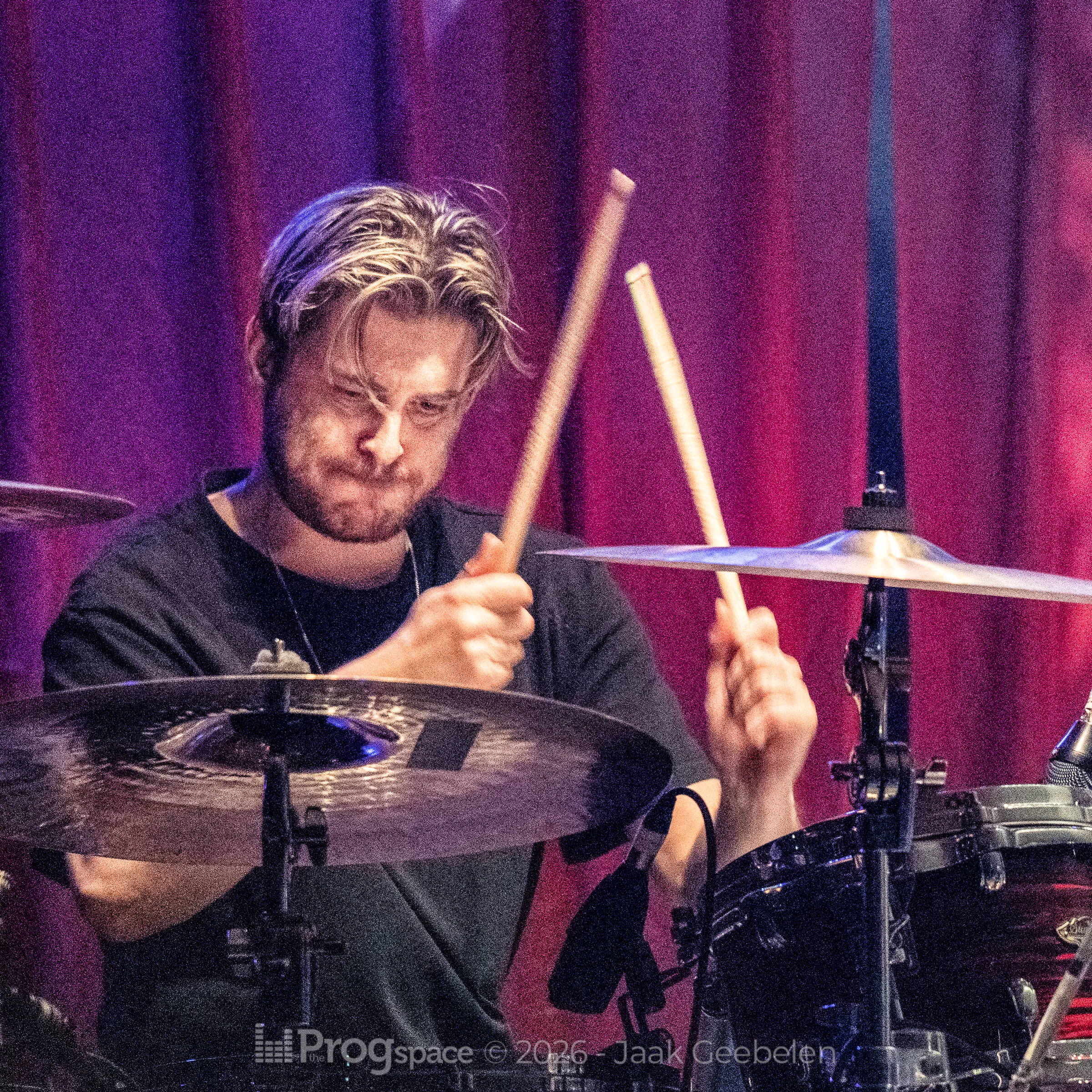
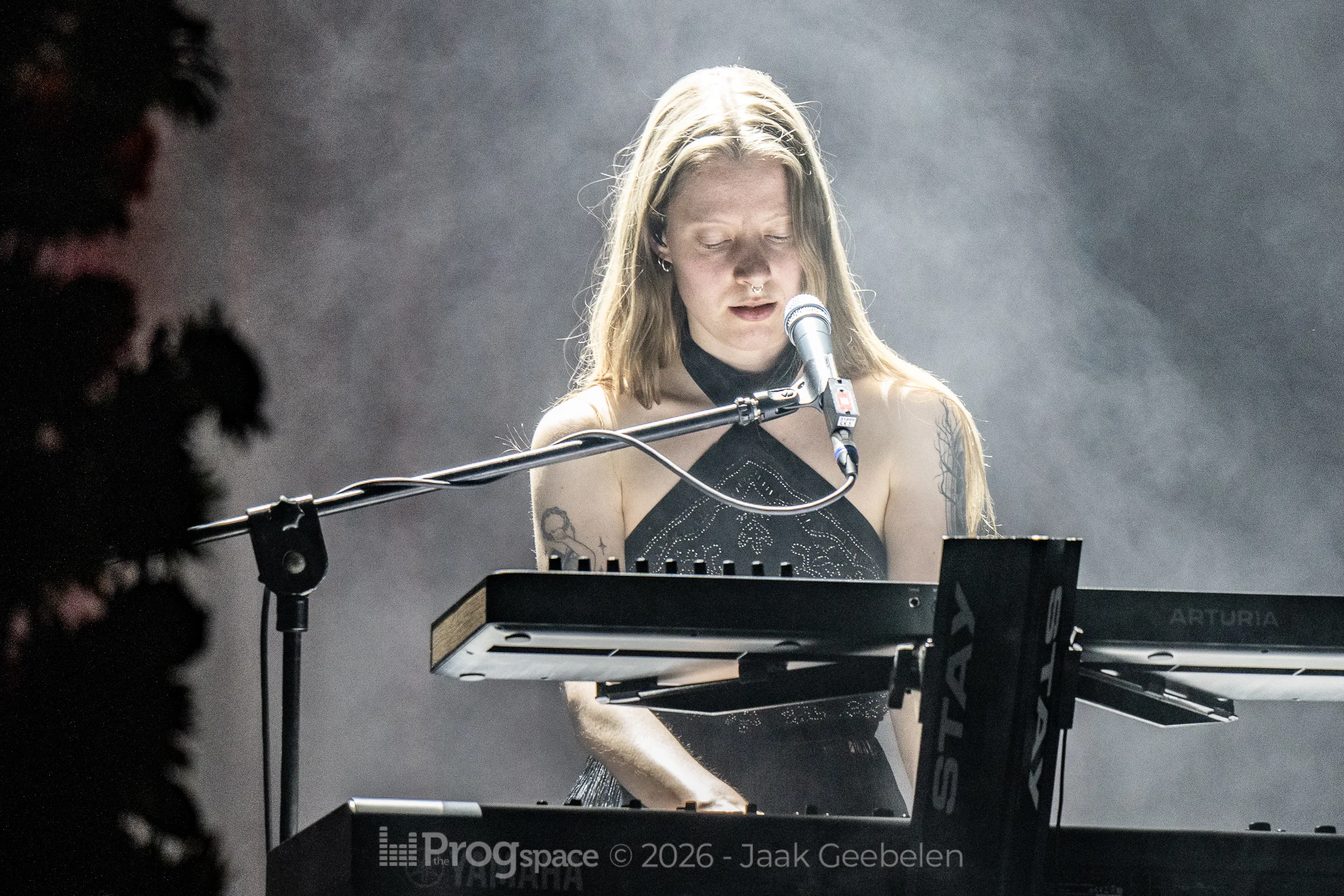
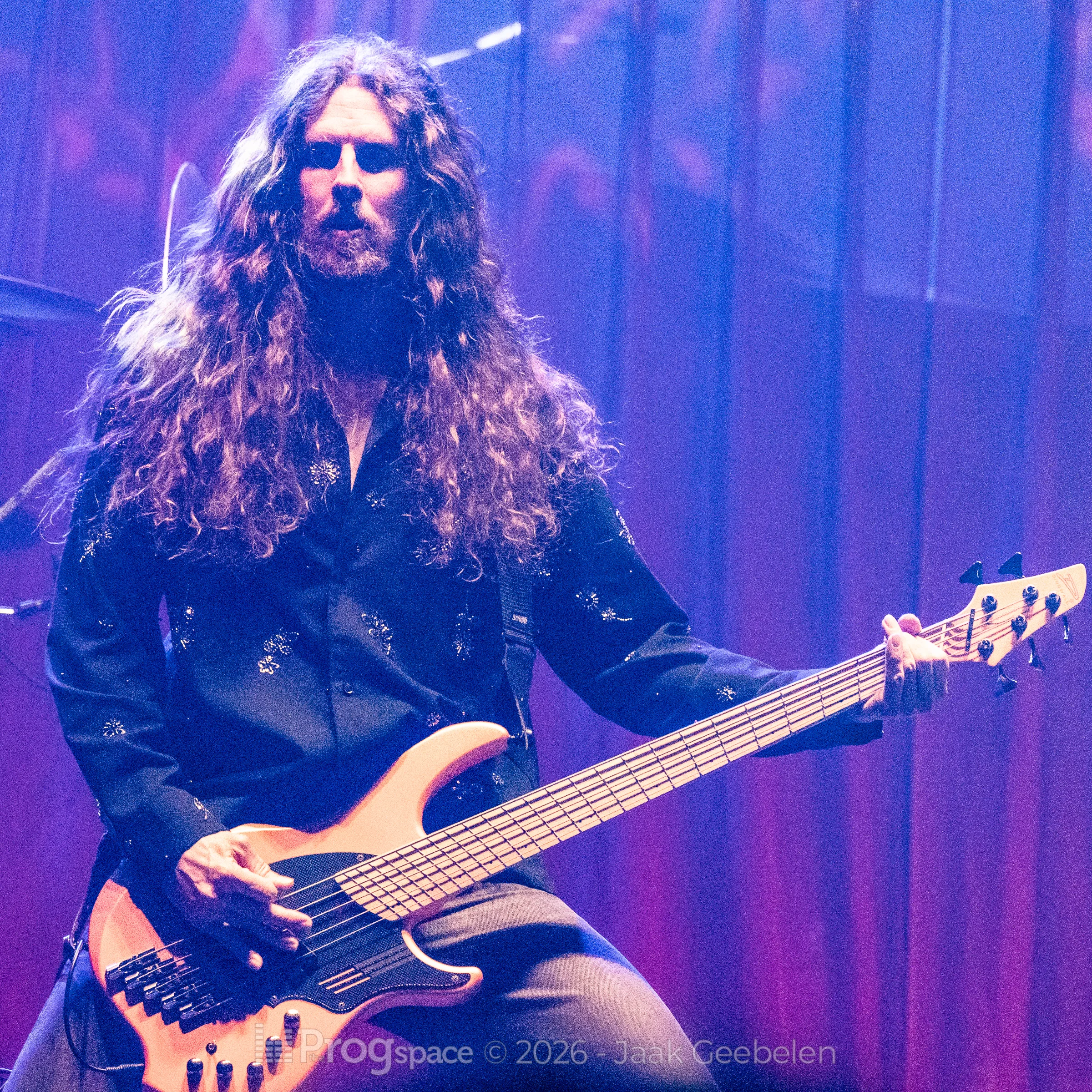
Musically, the band is tight and well-balanced. Guitarist Timo Somers, bassist Otto Schimmelpenninck van der Oije, and drummer Joey Marin de Boer provide a strong and reliable backbone. On the right side, keyboardist Nina van Beelen adds atmospheric textures, but her role goes beyond that. She also delivers live backing vocals — a clear improvement over earlier tours where such parts relied more heavily on backing tracks. The result is a fuller, more organic sound, with harmonies that enhance the overall depth of the performance.
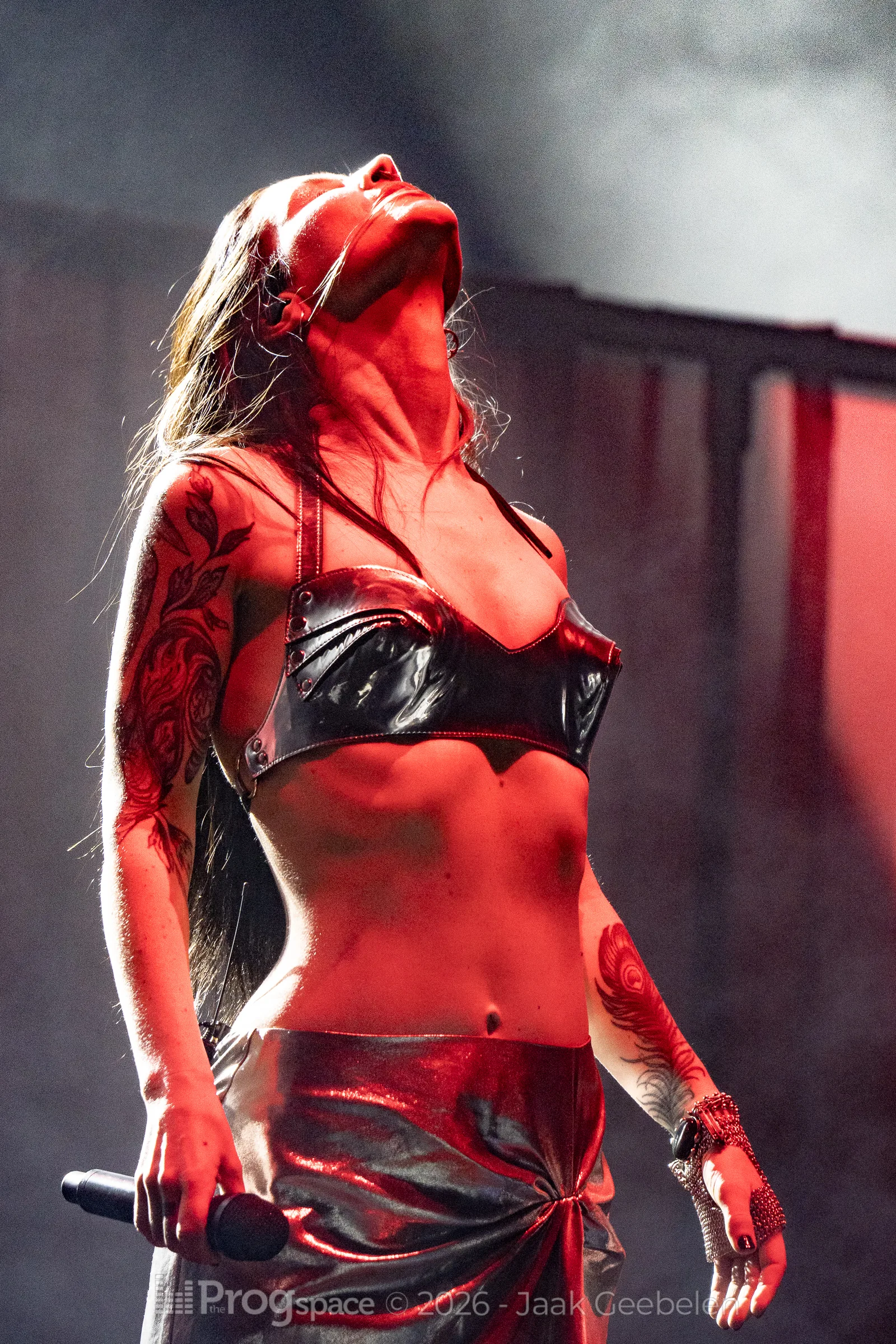
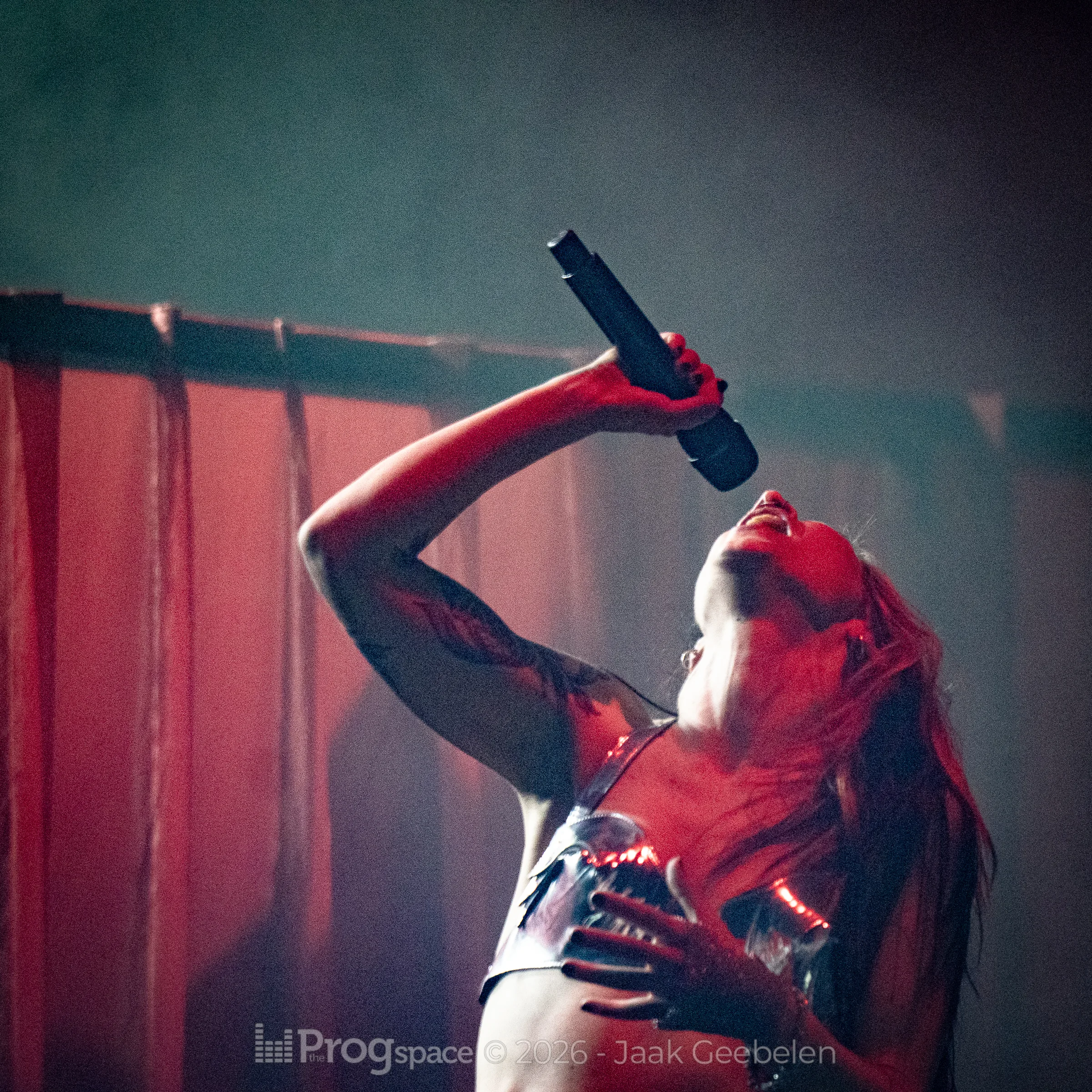
With Dopamine and The Crying Room, the focus shifts toward melody and texture. Dopamine stands out for its strong melodic hooks and layered vocal lines, giving the song a broad and accessible character. In contrast, The Crying Room places more emphasis on vocal delivery, with guitars blending into a more melodic framework, creating an almost pop-like feel without abandoning its metal foundation. The lighting follows this transition, moving from dominant reds to cooler tones that open up the atmosphere.
The connection to Wessels’ past with Delain remains audible. The combination of heavy guitars and highly melodic vocals is still present, but the balance has shifted. Where Delain often leaned into symphonic grandeur, Wessels opts here for a more atmospheric and personal approach, with greater emphasis on subtlety and accessibility.
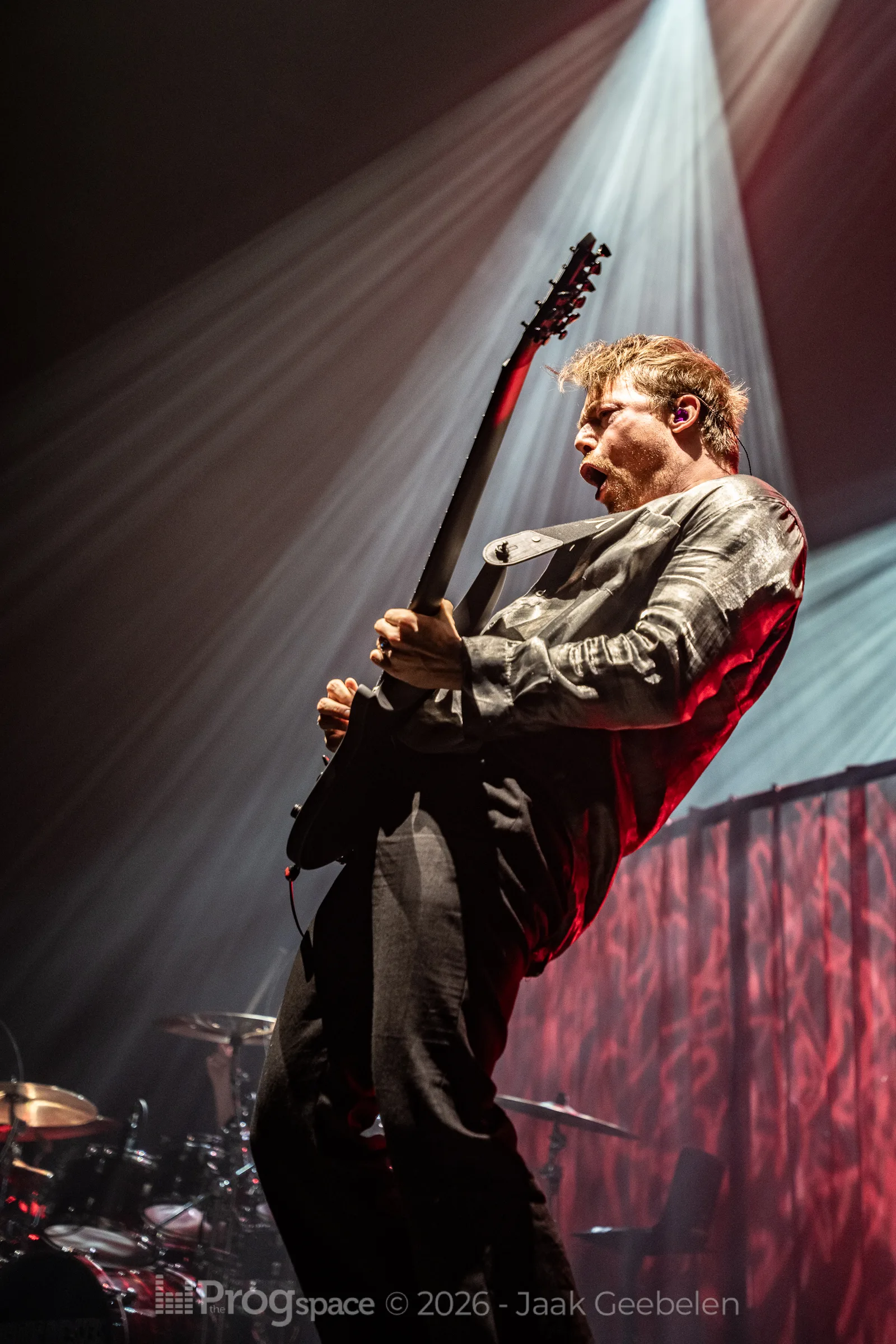
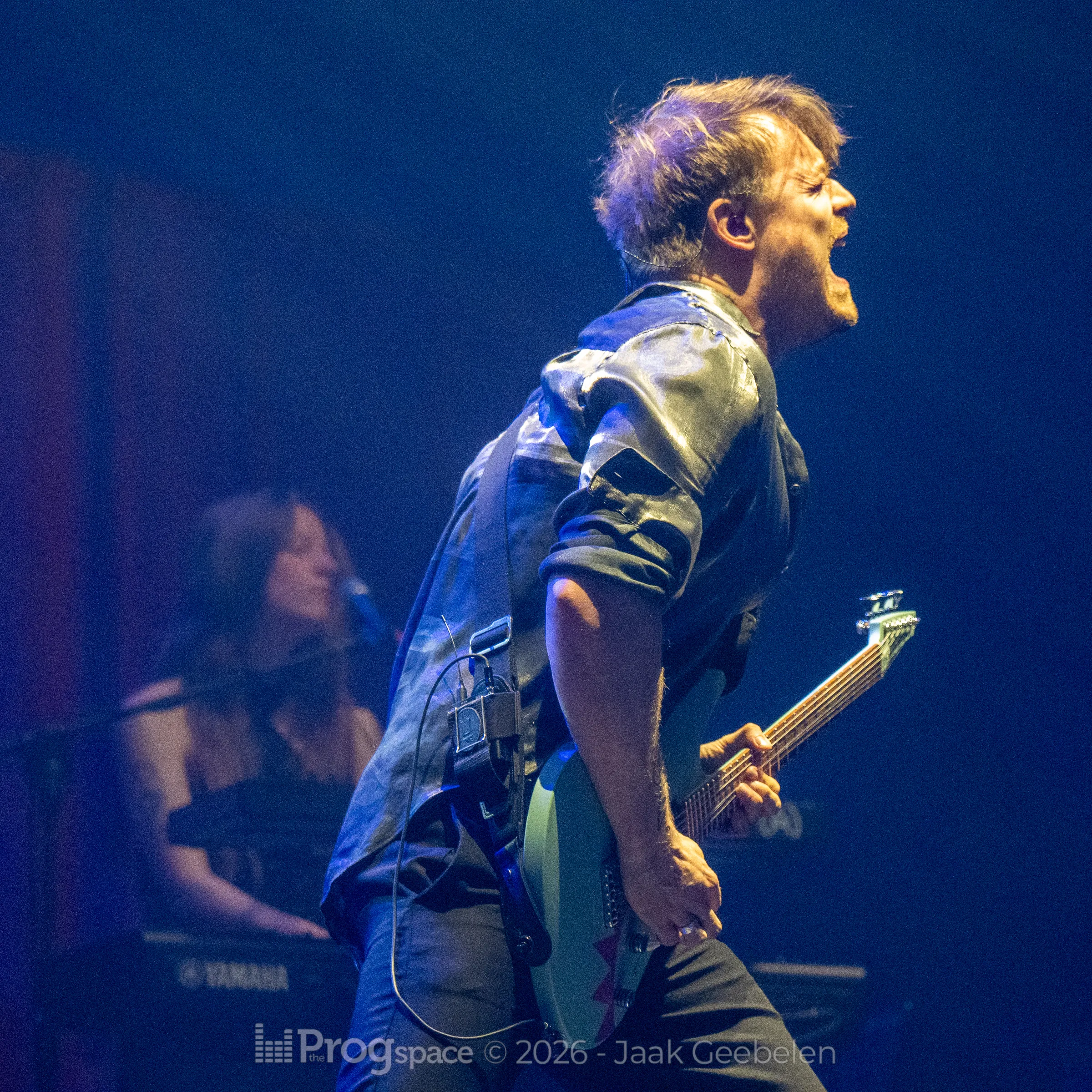
With Soft Revolution and Tempest, the dynamics build again. Guitarist Timo Somers steps further into the spotlight, his solos accentuated by sharper lighting from the sides. Meanwhile, the backdrop visuals — abstract, petal-like red patterns — subtly echo the flowers around Wessels’ microphone stand, tying the visual elements together.
After Us, The Flood continues the build toward the finale. The song combines heavier guitar work with melodic choruses, proving particularly effective in a live setting thanks to that balance between weight and accessibility.
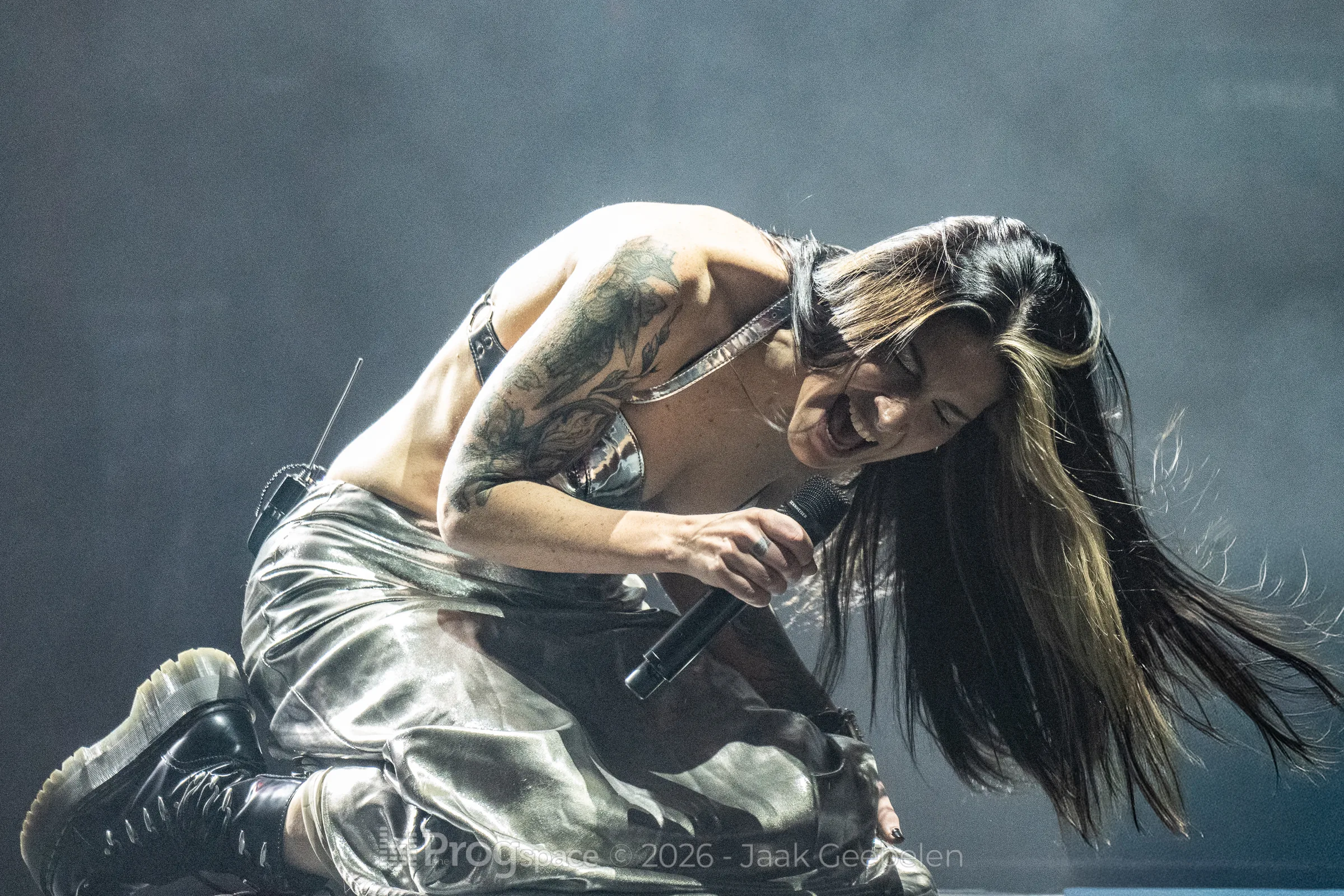
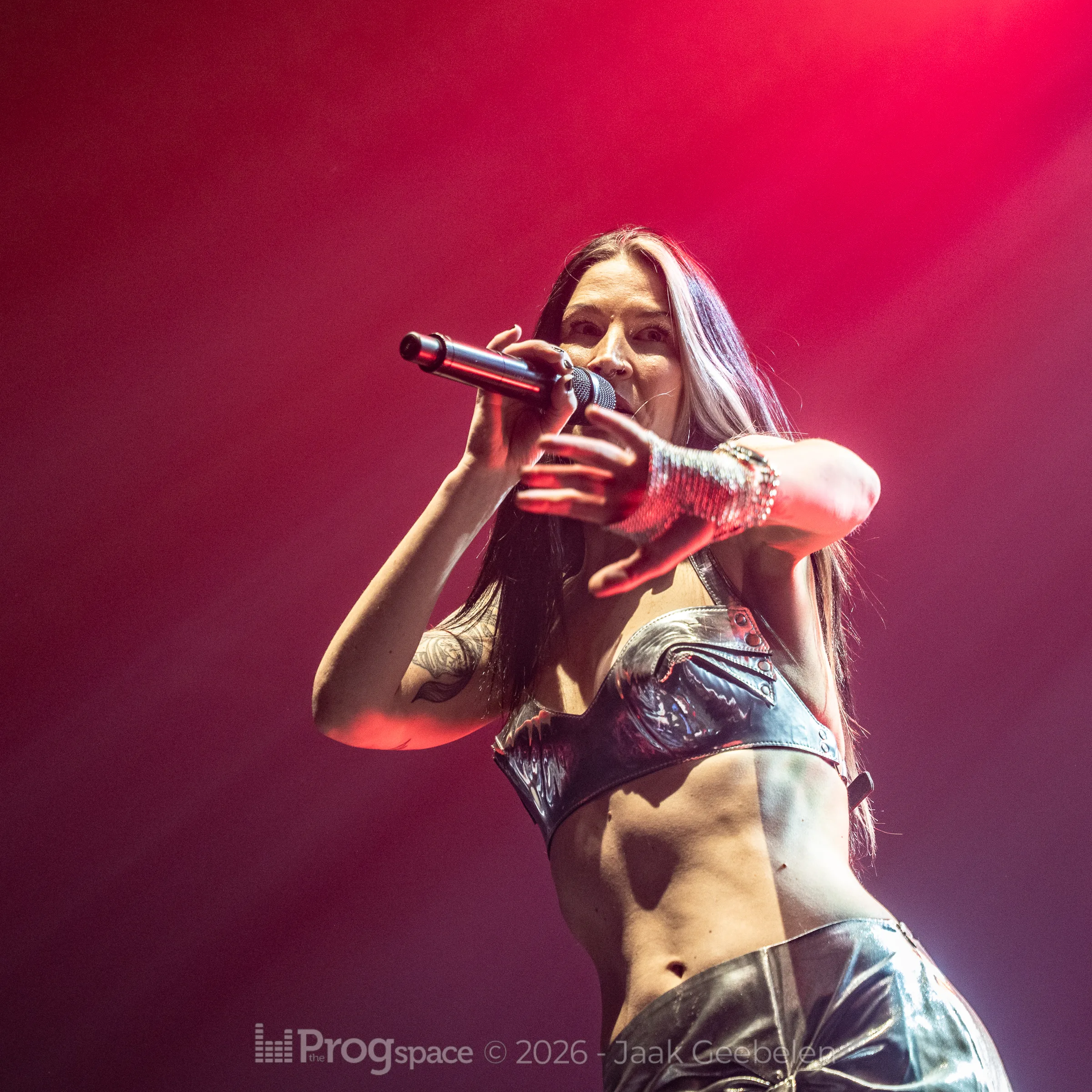
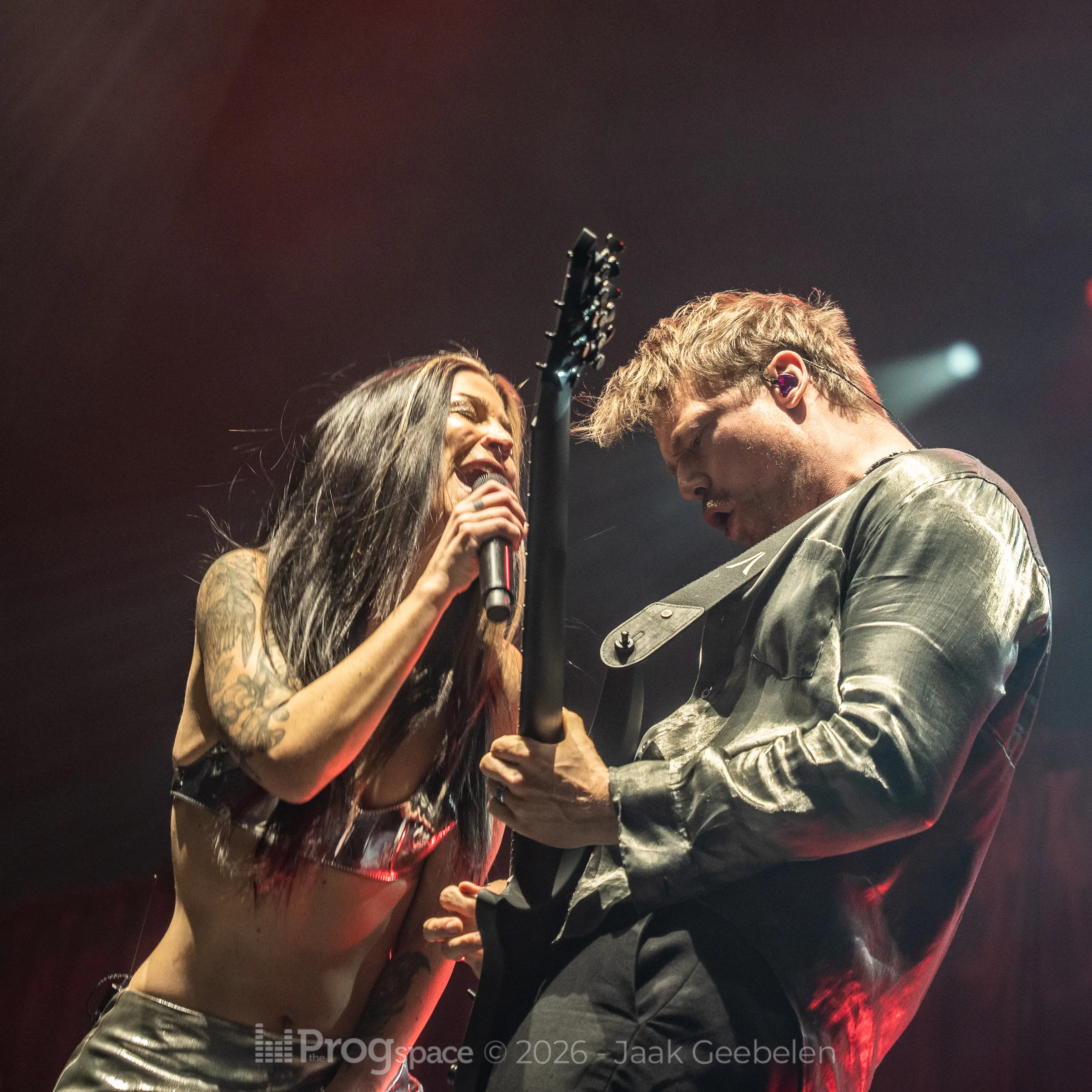
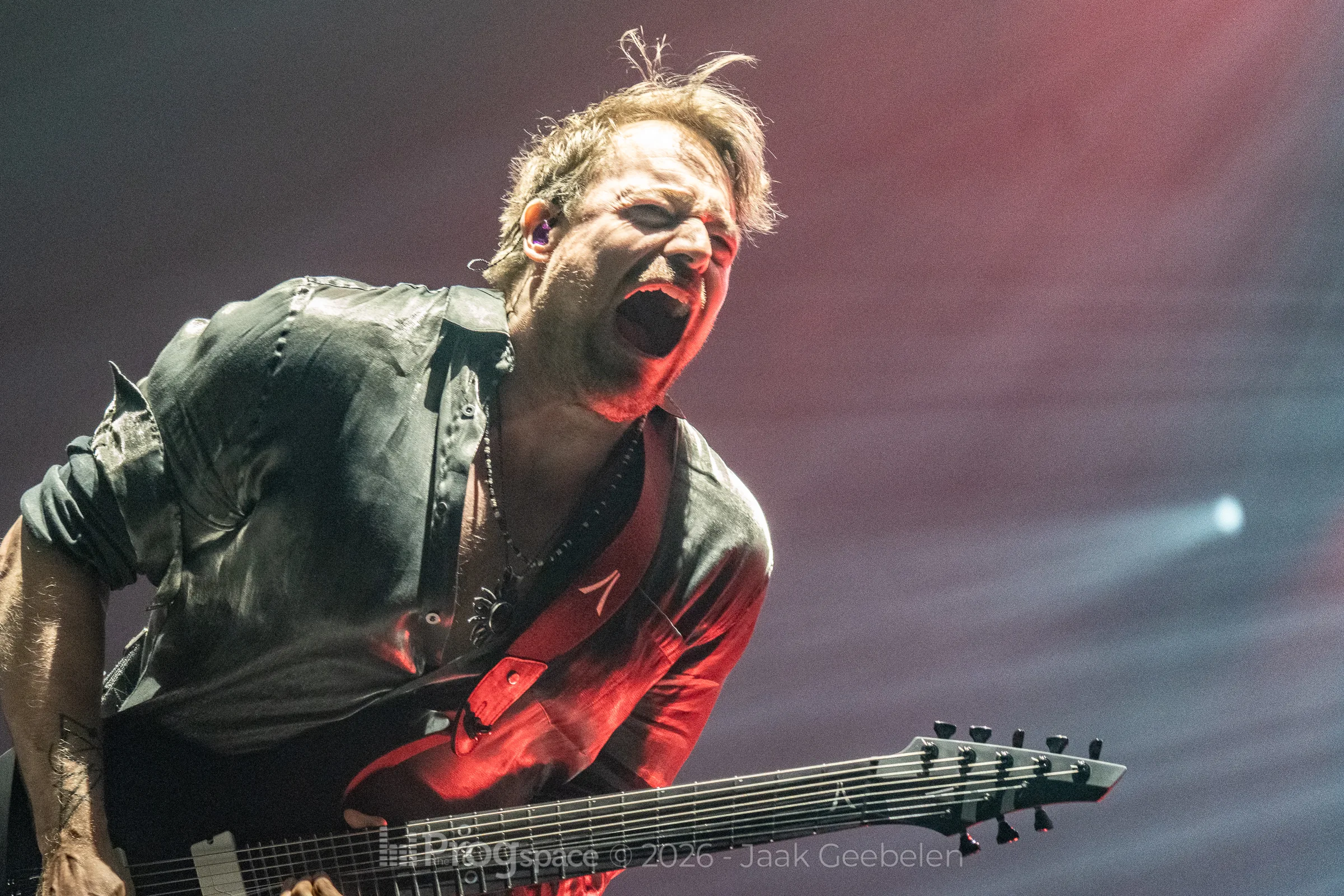
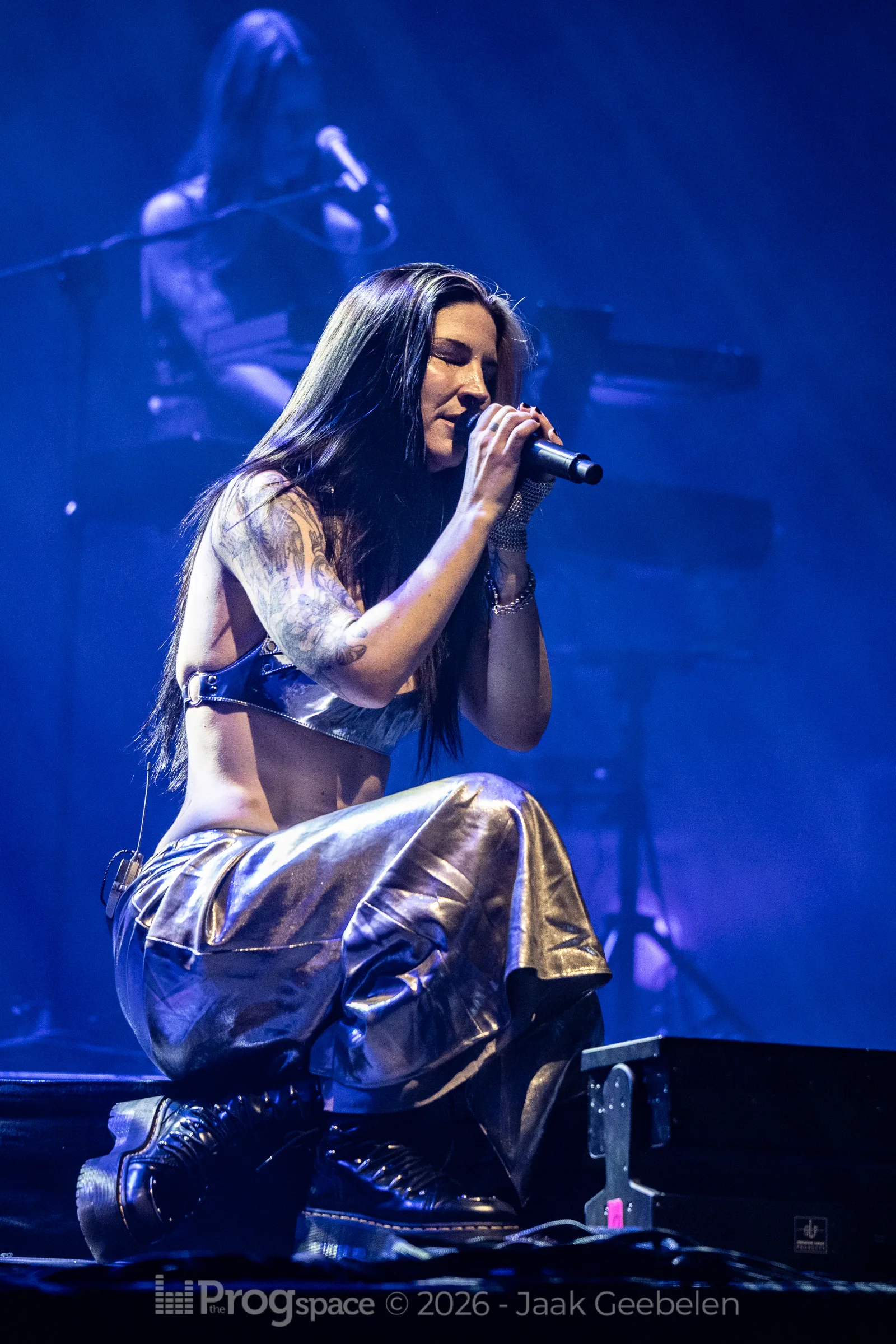
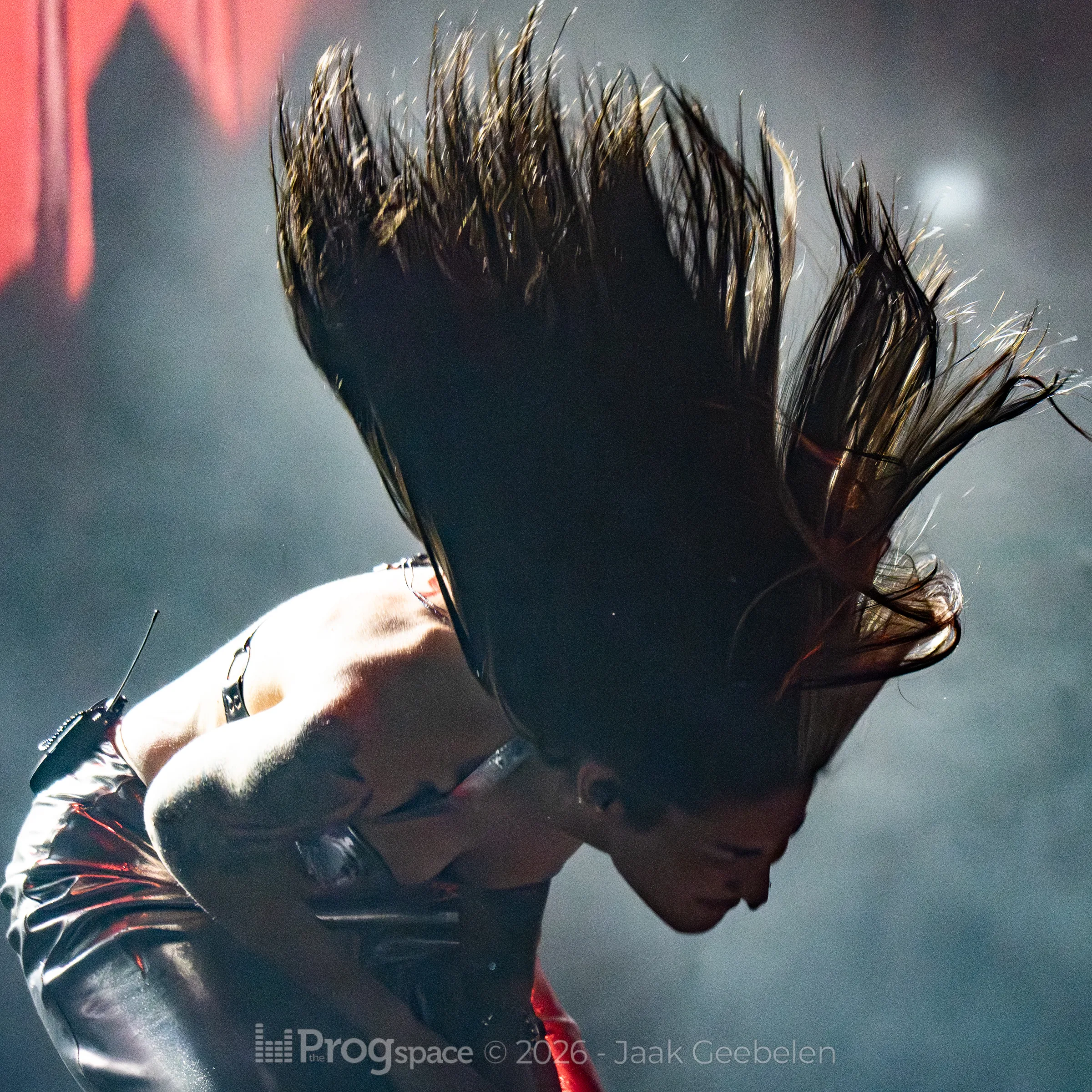
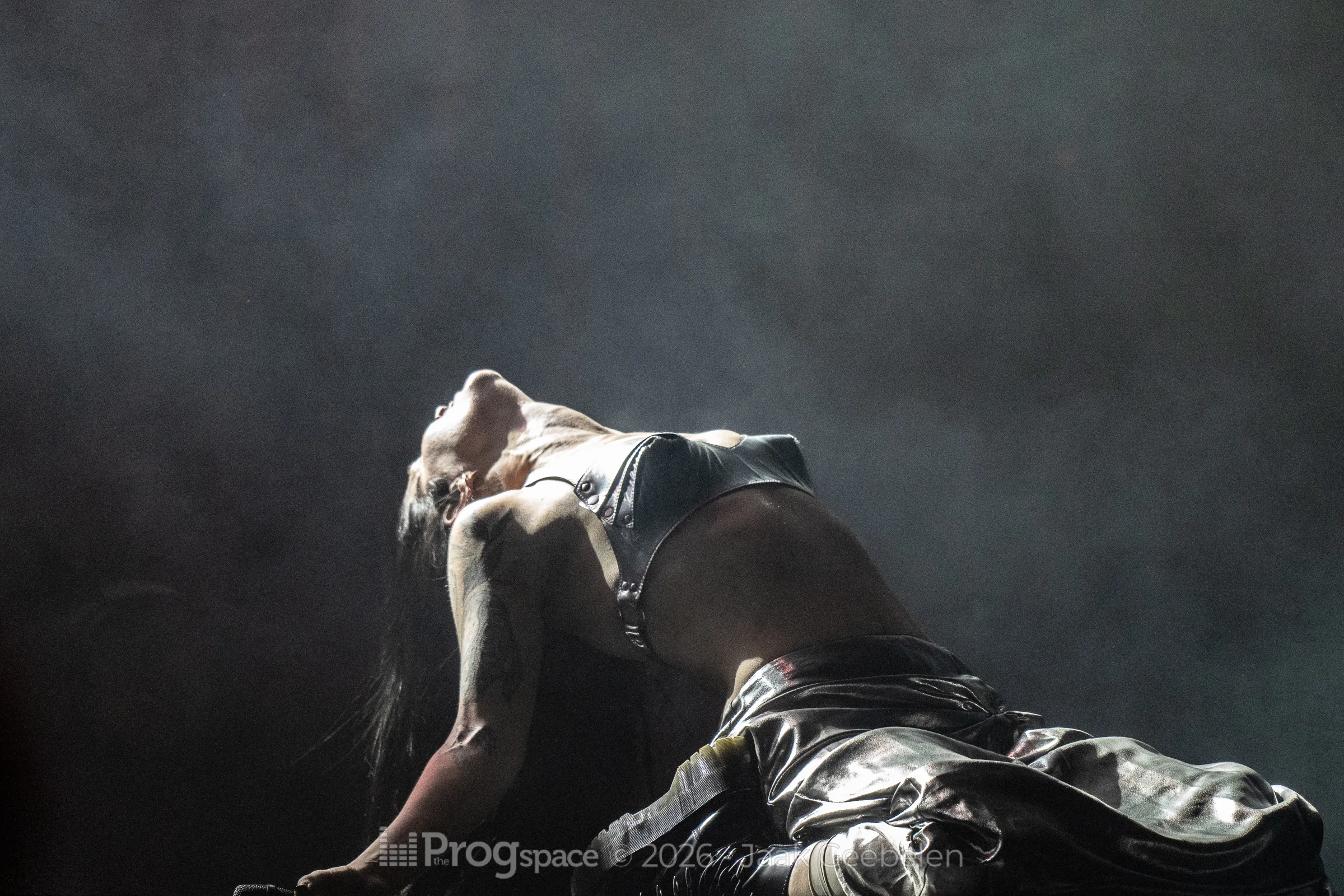
The set reaches its climax with The Exorcism. This is where the heavier side of Wessels’ music comes fully to the surface. Dense riffs alternate with atmospheric passages, while Wessels herself becomes increasingly physical in her performance. The final moments — captured in intense red lighting, sharp contrasts, and expressive movement — clearly belong to this song. Everything converges here: sound, light, and presence.
As the final notes fade, the impression is a strong one. In just seven songs, Charlotte Wessels delivers a set that is musically coherent, visually refined, and clearly focused. As a special guest on a night dominated by large-scale productions, she proves in Warsaw’s COS Torwar arena that her solo project not only holds its ground, but establishes a distinct identity of its own.
Special thanks to Ela Williamson for her valuable support, sharp observations, and assistance throughout the evening.



 We’re a group of Prog-lovers who started a journey to share with you our thoughts about albums, concerts, tours and festivals, the photo galleries of the Prog concerts we visit, as well interviews with upcoming or established musicians or prog-related people. Follow our Facebook page for frequent updates and news around the Progniverse.