


Gros Cœur – Down The Hill Festival, Rillaar, Belgium – 22 August 2026
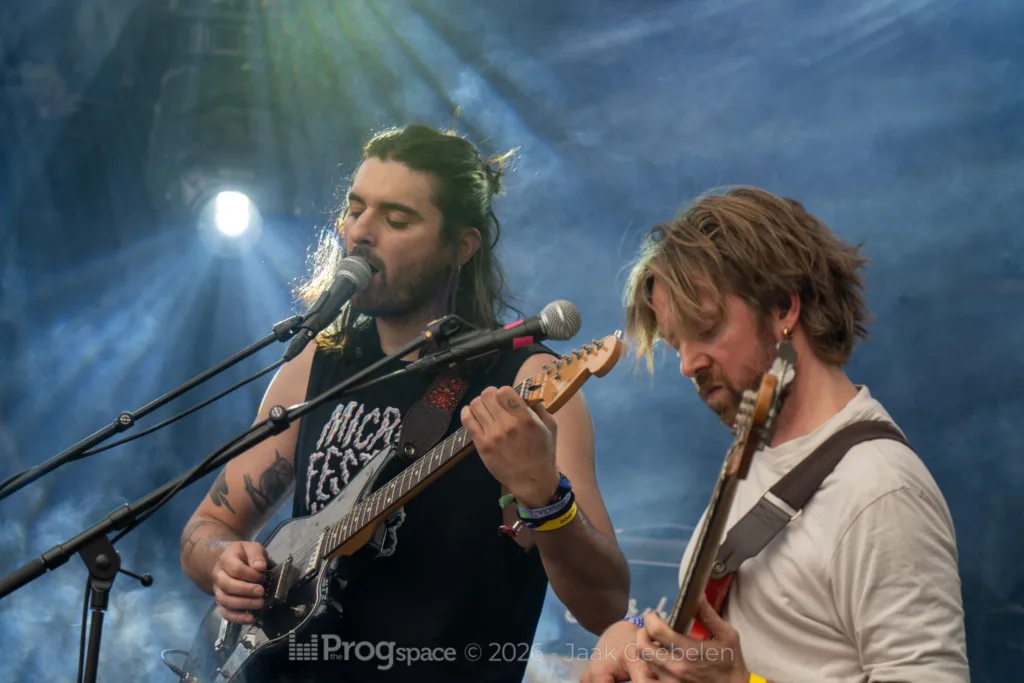
Gros Cœur are a quartet from Liège who have steadily carved out a distinctive place within the Belgian alternative rock scene since forming in 2020. The band consists of Adrien Chapelle on vocals and guitar, Jimmy Geers on guitar, keyboards and percussion, Julien Trousson on bass, keyboards and backing vocals, and Alexandre De Bueger on drums and percussion. Their 2023 debut album Gros Disque already laid out the essentials of their sound: long-form compositions, plenty of repetition and improvisation, French vocals used more as an additional texture than as a traditional storytelling device, and a striking role for percussion.
Trying to place their music neatly into one box quickly becomes difficult. Psychedelic rock is probably the broadest description, but within that framework you can just as easily hear krautrock, funk, prog, garage, surf, post-punk and Middle Eastern or Anatolian influences. The band works strongly from jams: simple riffs and rhythmic ideas are explored at length and later shaped into compositions that often stretch well beyond conventional song structures. At times Gros Cœur can sound as if a krautrock band, a funk rhythm section and a psychedelic jam session have somehow ended up on the same stage.
The comparison with King Gizzard & The Lizard Wizard is an obvious one, particularly in the more restless psychedelic passages, but there are also links to Fela Kuti, Talking Heads, Brian Eno and King Crimson. The Anatolian psychedelic flavour of bands such as Altın Gün is not far away either. Yet Gros Cœur never sound like a copy. The combination of French vocals, bongos and congas, reverberating guitars, funky bass lines and long repetitive structures gives them a profile of their own.
On their second album Vague Scélérate, released in 2025, that sound was expanded even further. The songs became richer and more layered, with an increased emphasis on motorik rhythms, Middle Eastern colours, funk and broad dynamic arcs. At the same time, the basic principle remained unchanged: music built from repetition, but kept alive through constant small shifts.
That may well be the essence of Gros Cœur: repetition without stagnation.
And that was obvious from the first minutes of their Down The Hill set.
The band opened with “Montréal”, immediately revealing one of Gros Cœur’s most distinctive qualities. Its Eastern and Anatolian colouring took on an even more physical quality live. The guitars twisted around the rhythm section without overpowering it, while a warm, highly danceable pulse was established from the outset.
That pulse is central to Gros Cœur. The band have often explained that much of their material grows out of jams, and live that origin remains clearly audible. Riffs and patterns are not simply repeated; they are shifted, extended and continuously recoloured. This was especially evident during “La Vague”. Built around a motorik beat, elastic bass and constantly changing guitar textures, the long piece seemed almost to develop like a living organism. Percussion, effects and dynamic changes accumulated without ever sacrificing forward momentum.
At such moments I found myself thinking quite strongly of Angine de Poitrine. Not because the two bands sound the same, but because of the way repetition is used as an engine. A pattern remains in place while everything around it gradually changes. Gros Cœur are warmer, funkier and far less angular, but that same hypnotic logic is recognisable.
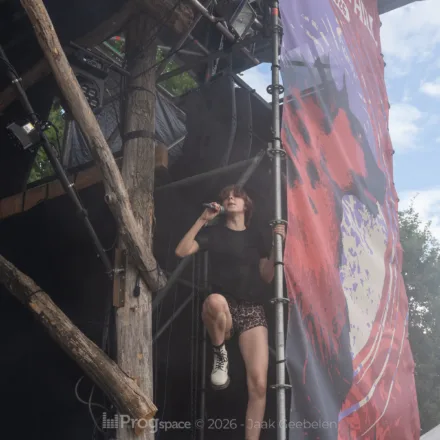
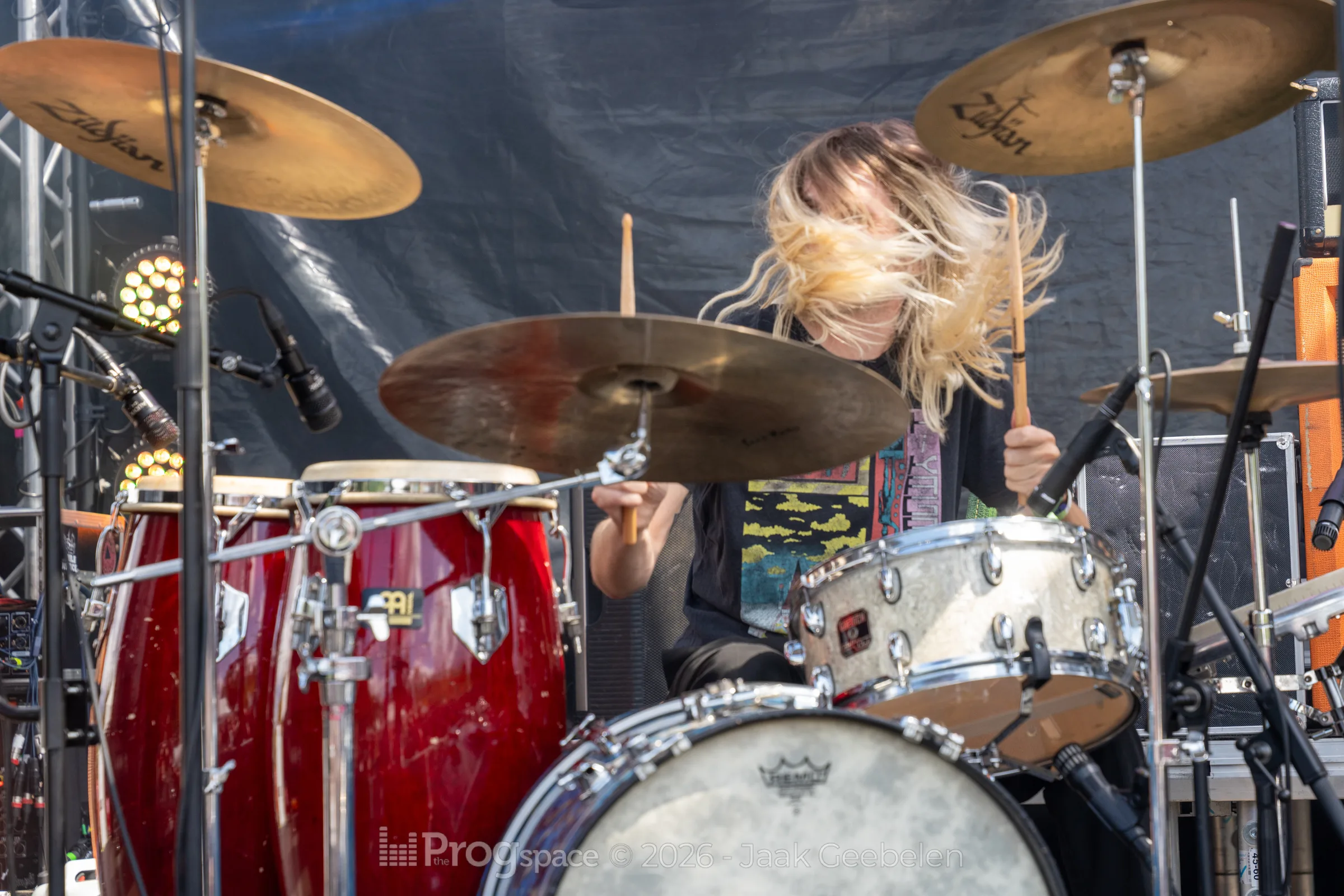
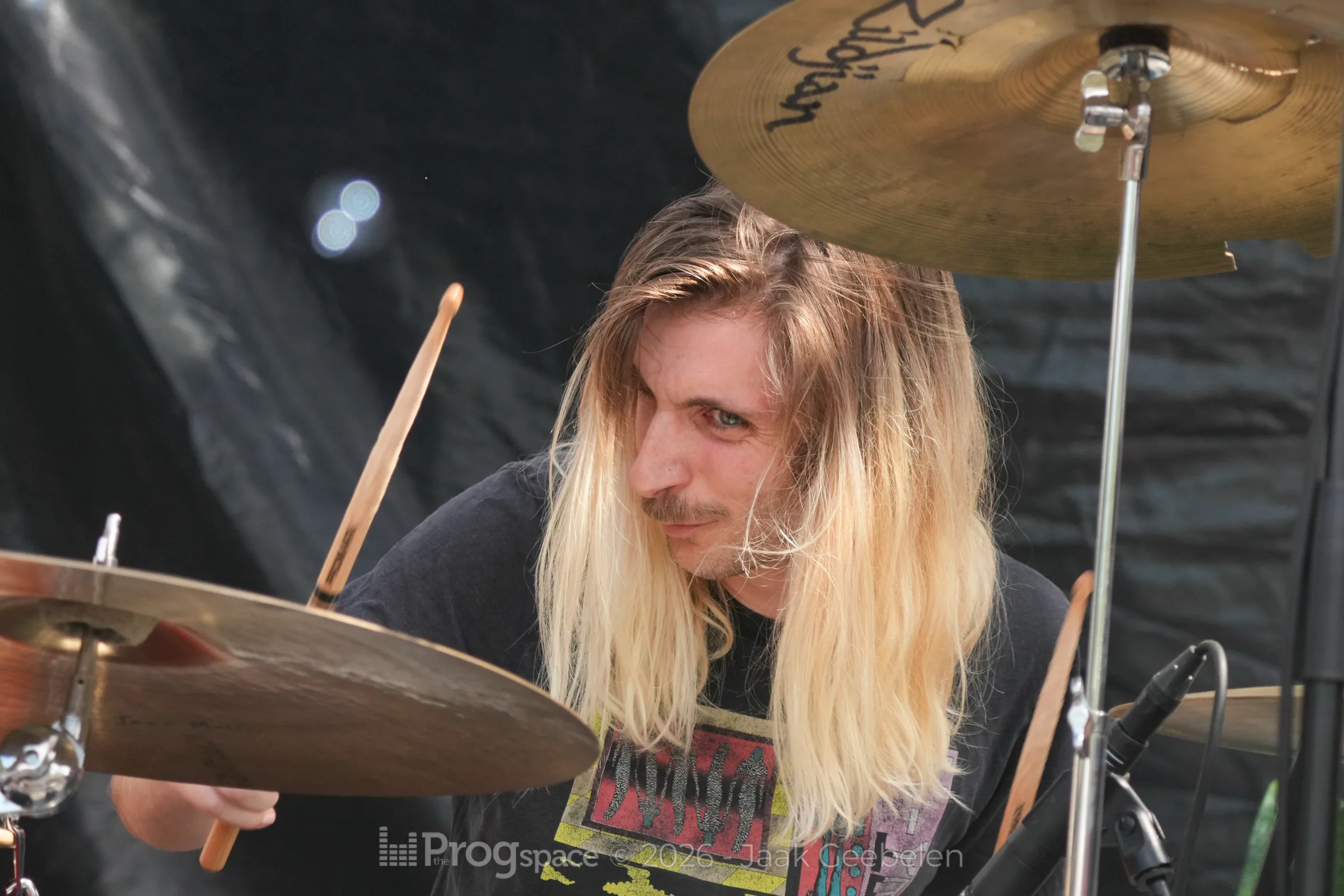
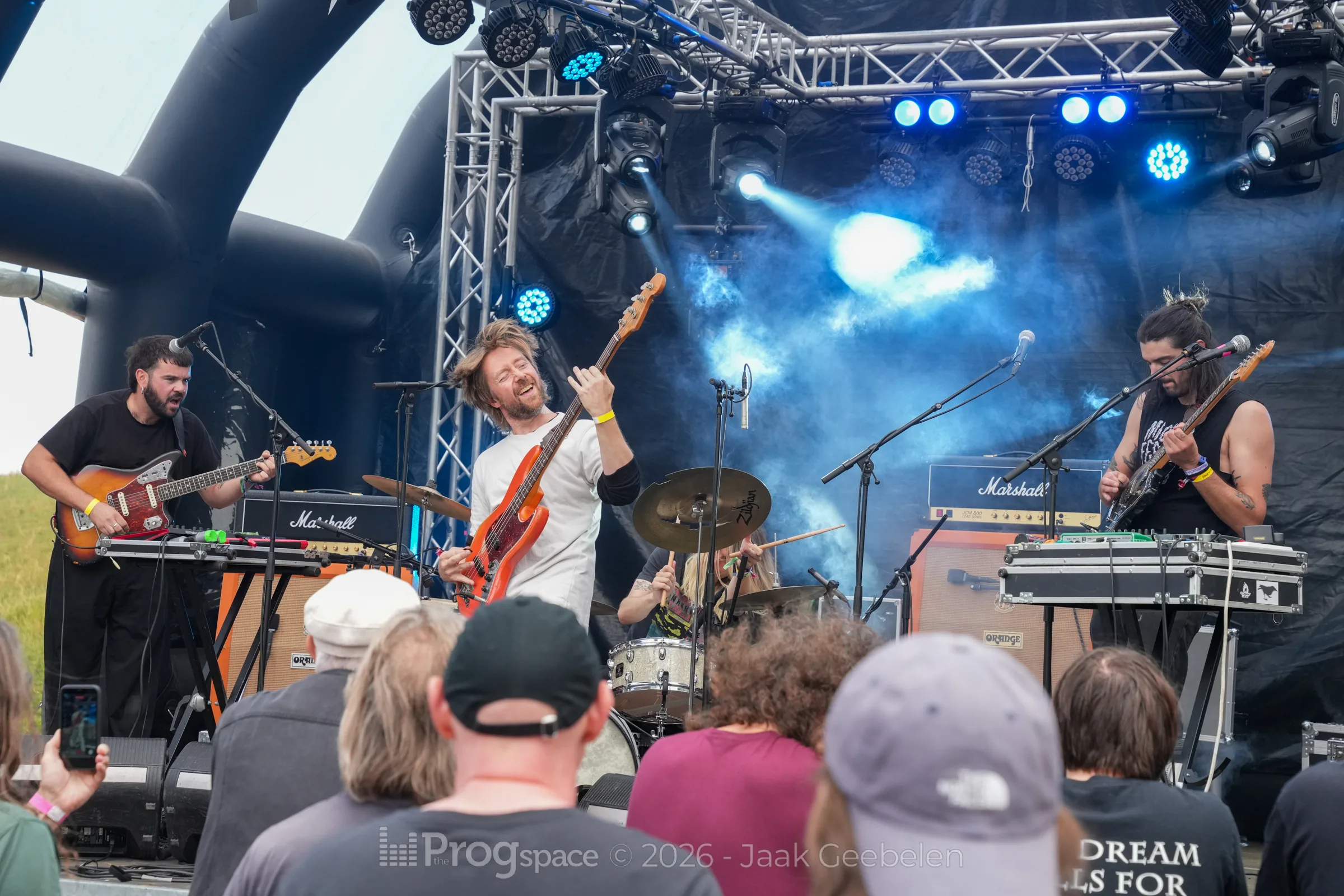
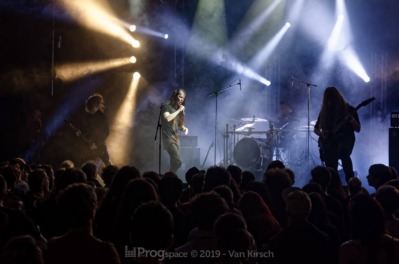
Visually, the physical character of the music was embodied most strongly by drummer Alexandre De Bueger. His playing was not only the rhythmic backbone of the set; he was in almost constant motion. With his long hair flying across his face, arms raised high above the kit and a very physical playing style, he provided some of the most striking images of the performance. He did not simply keep things tight; he seemed to physically propel the music forward.
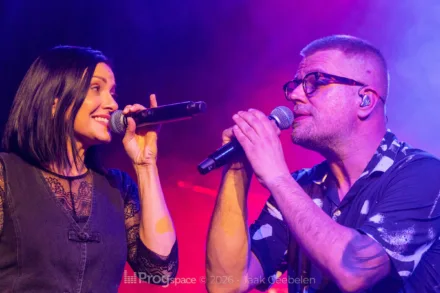
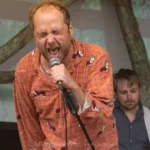
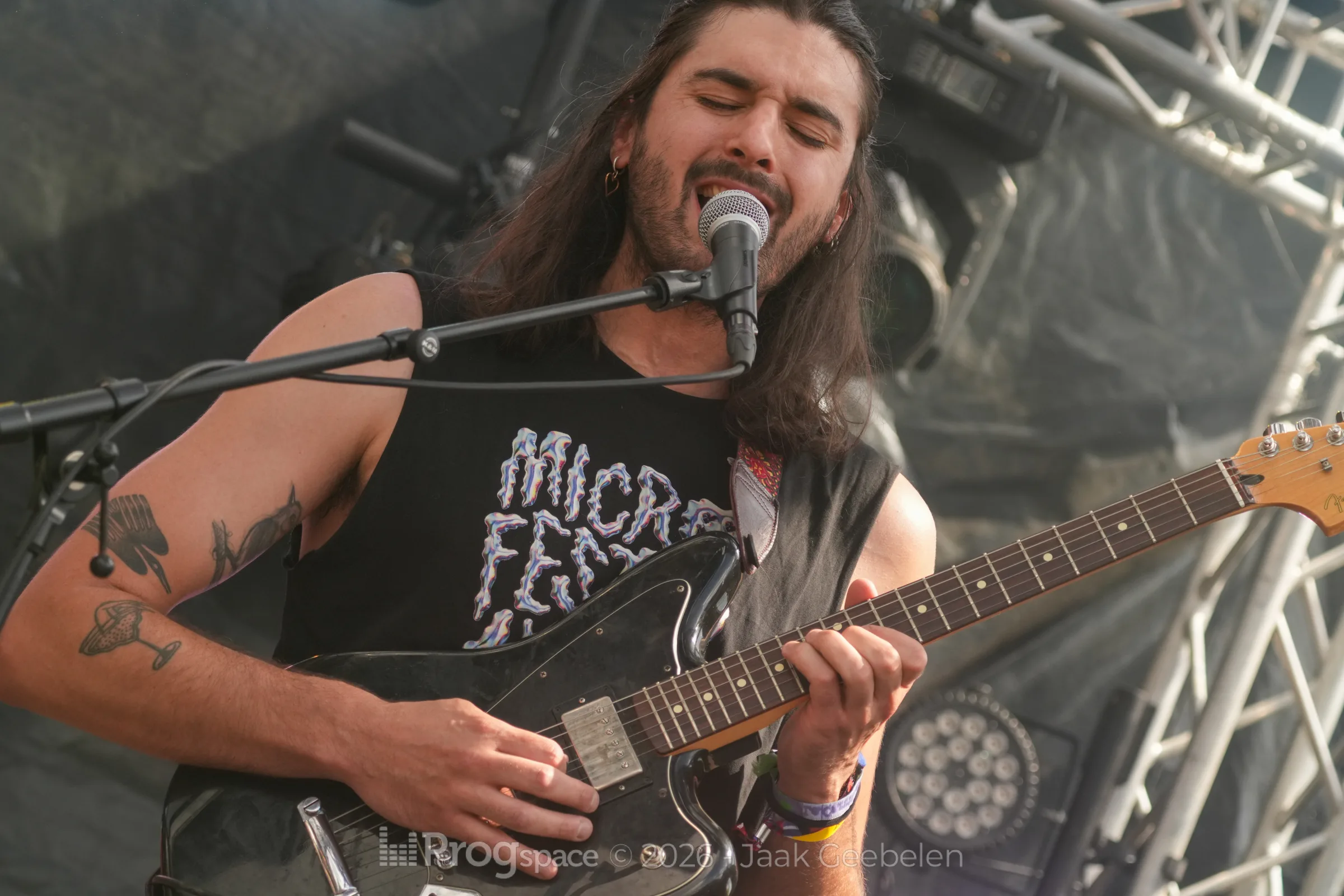
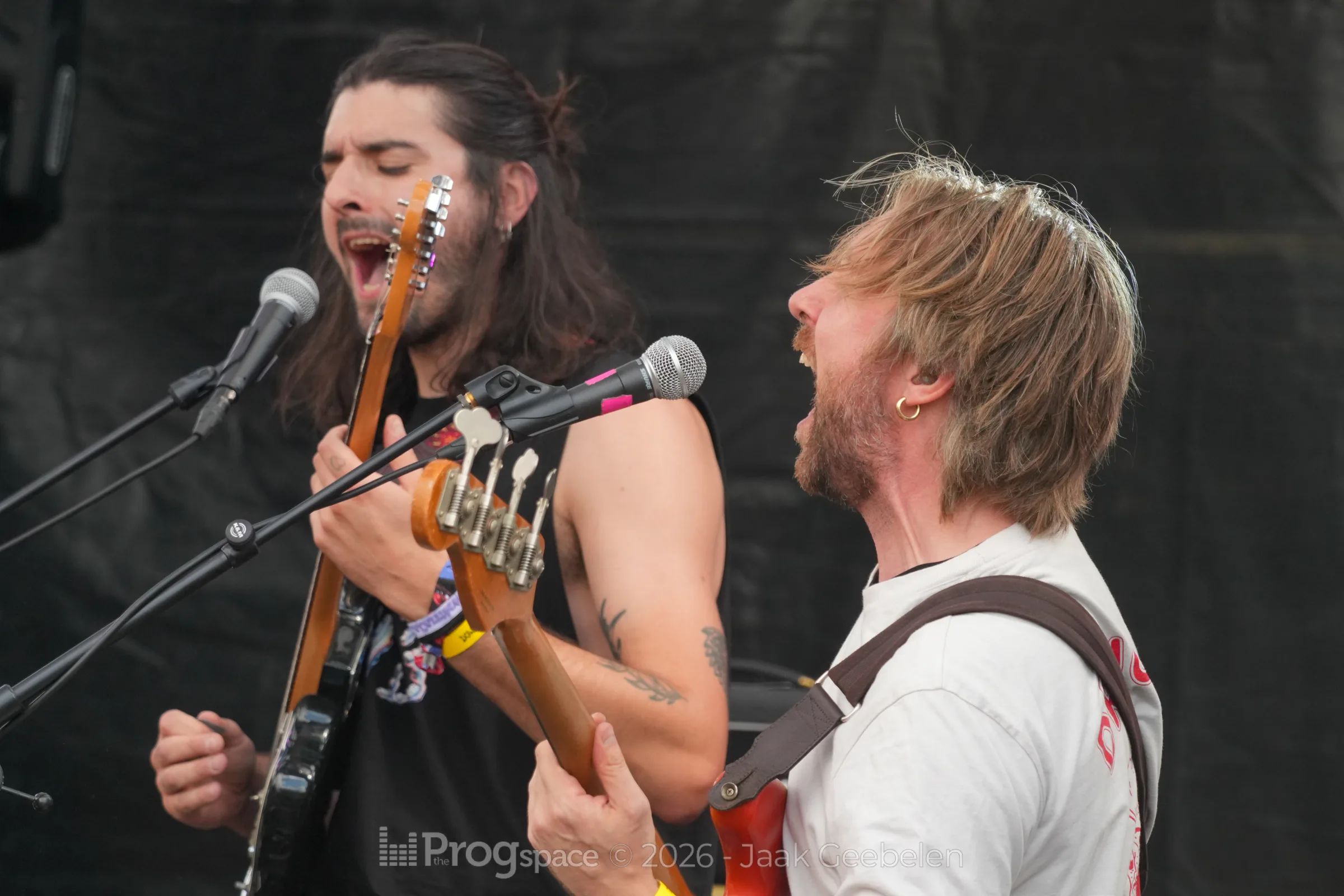
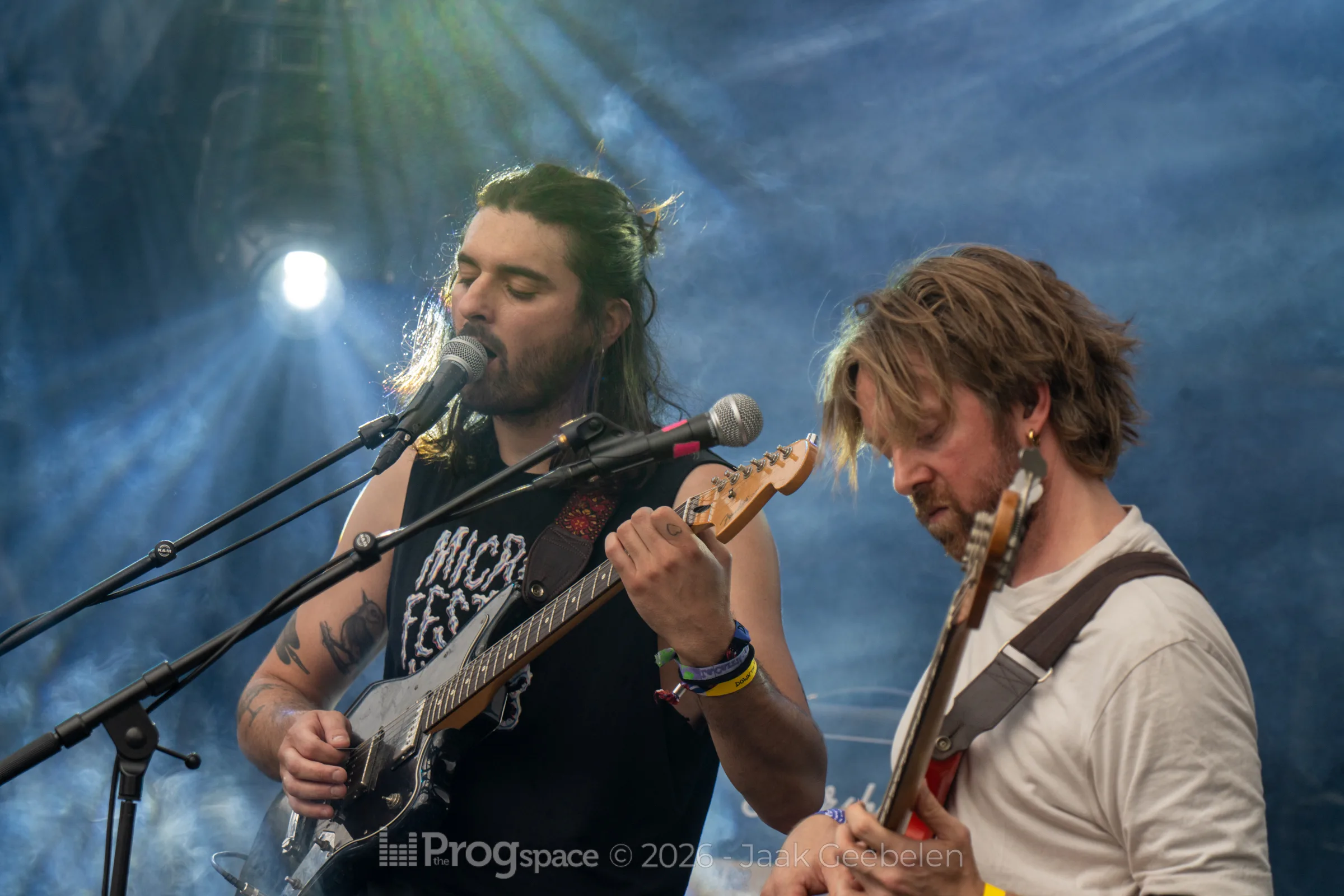
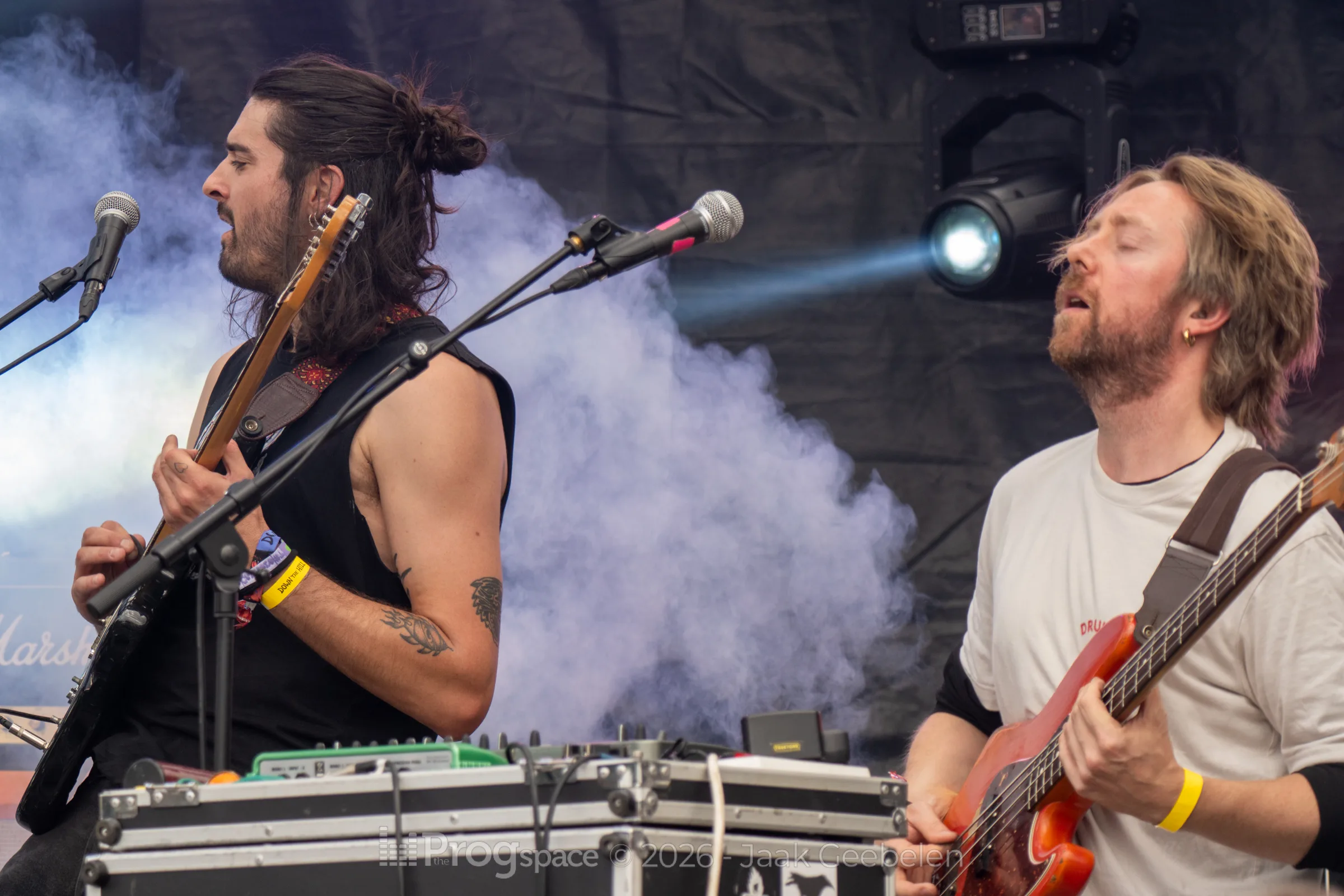
The rest of the band were anything but static either. Adrien Chapelle combined vocals and guitar with a focused intensity, while his shared vocal moments with bassist Julien Trousson regularly created a tight central focal point on stage. Julien, meanwhile, supplied the elastic bass lines that are so important to Gros Cœur’s groove.
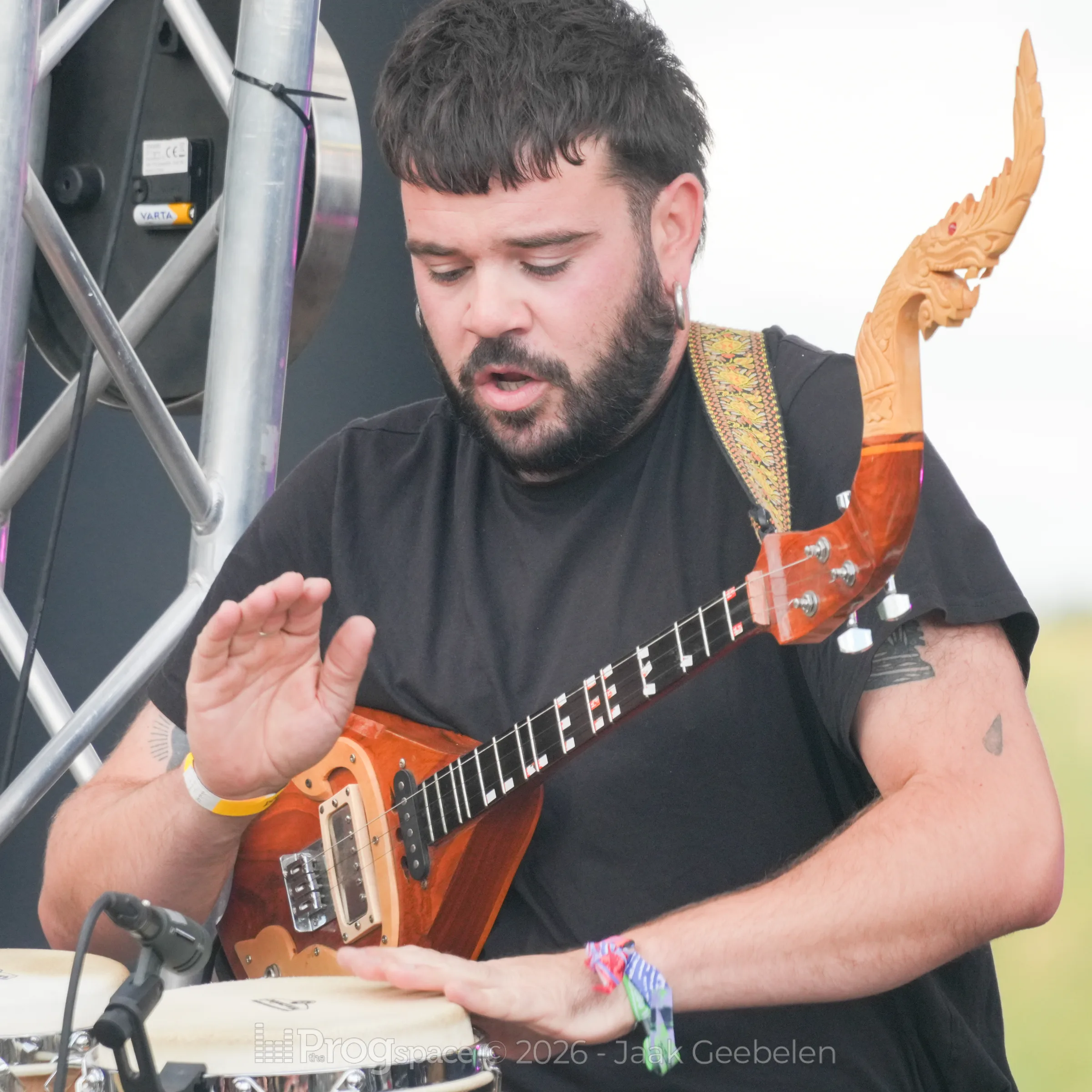
On the other side of the stage, Jimmy Geers added further colour, not only through guitar but also percussion and additional textures. He repeatedly moved away from the conventional role of guitarist and physically shifted towards the percussion setup. That suits Gros Cœur perfectly: nobody appears locked into one fixed function. The music is constantly passed from one instrument to another.
The third number was especially intriguing: a completely new and still untitled composition. Its inclusion underlined that Gros Cœur are not simply relying on established material. Their sound is still evolving, and within a set otherwise built from known songs, this new piece felt like a glimpse of where the band may be heading next.
“Sacrifice” then pushed the performance into a heavier phase. The track relies strongly on contrast: spacious passages give way to much more forceful eruptions before the tension is pulled back and built up again. Live, those shifts had considerably more physical impact. Here it became especially clear how strongly Gros Cœur aim for bodily impact. The songs may be long and full of detail, but they never lose their immediate effect.
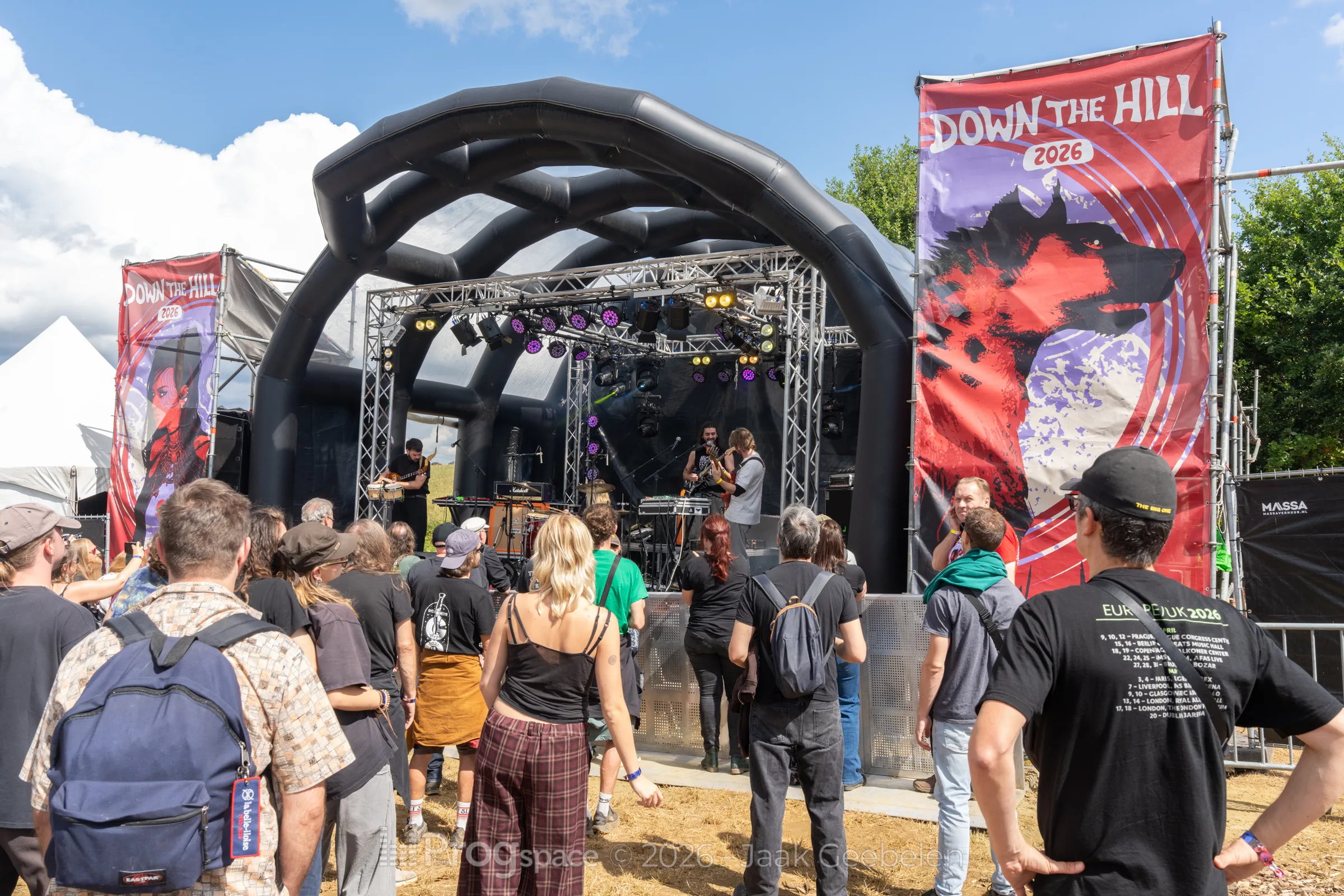
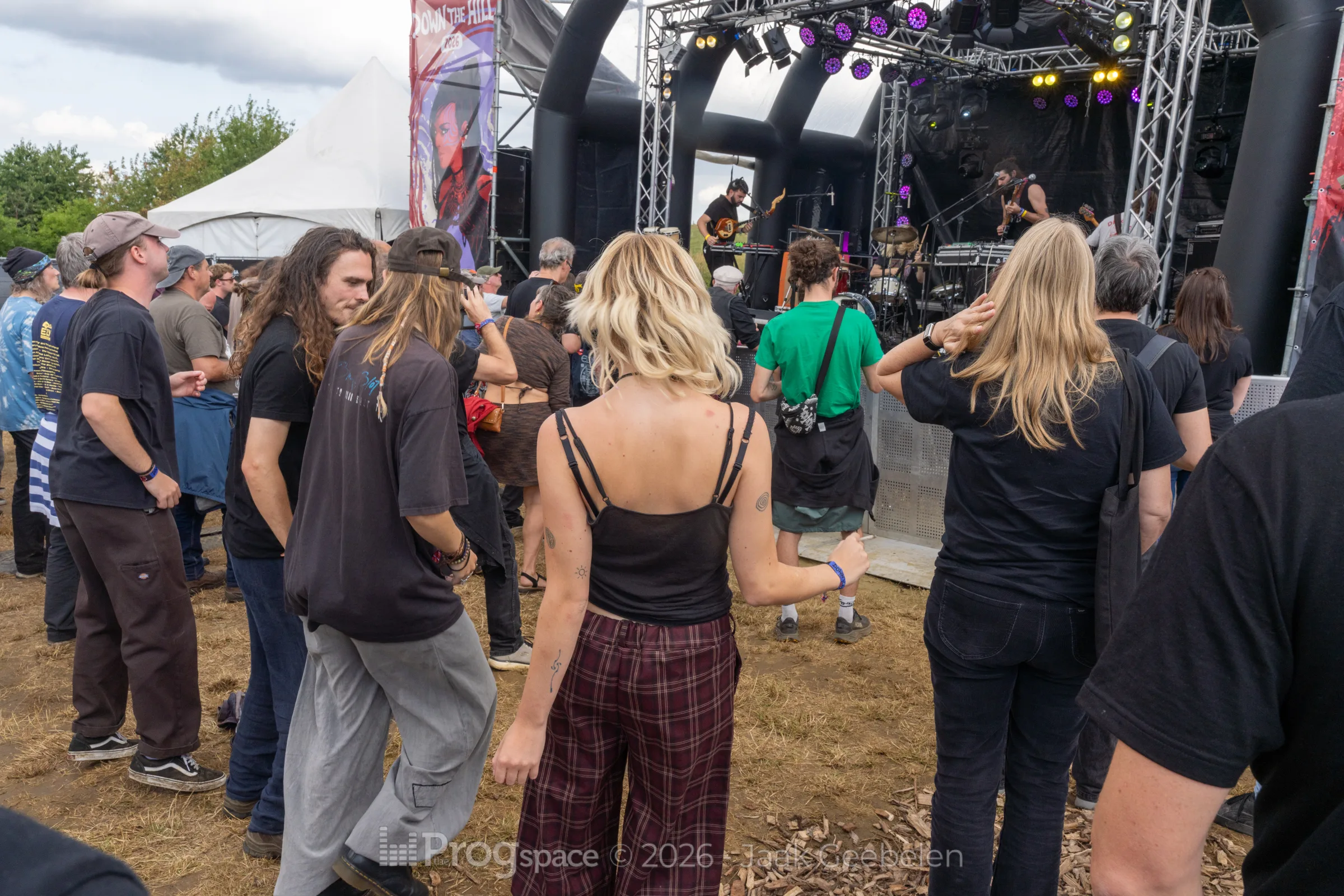
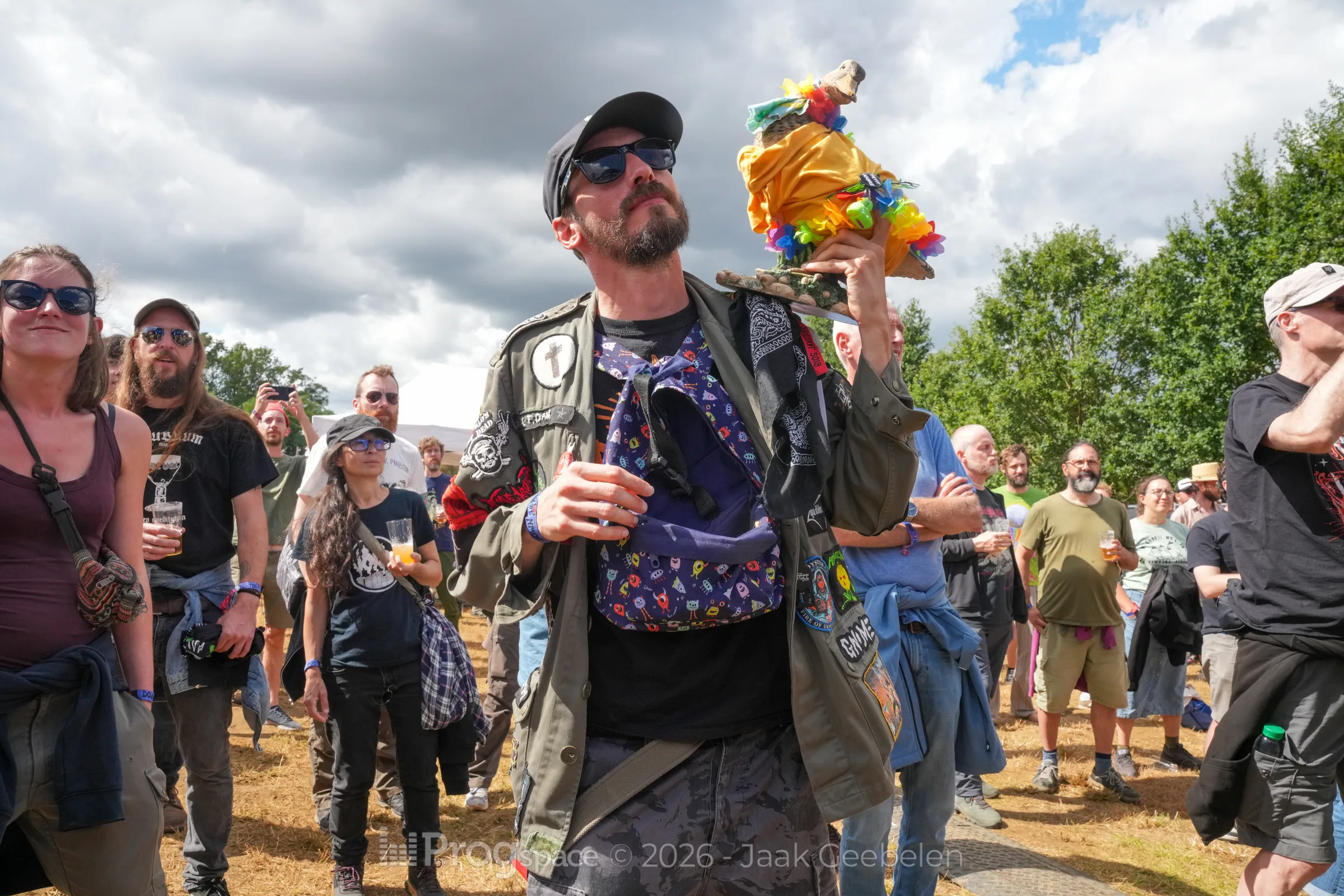
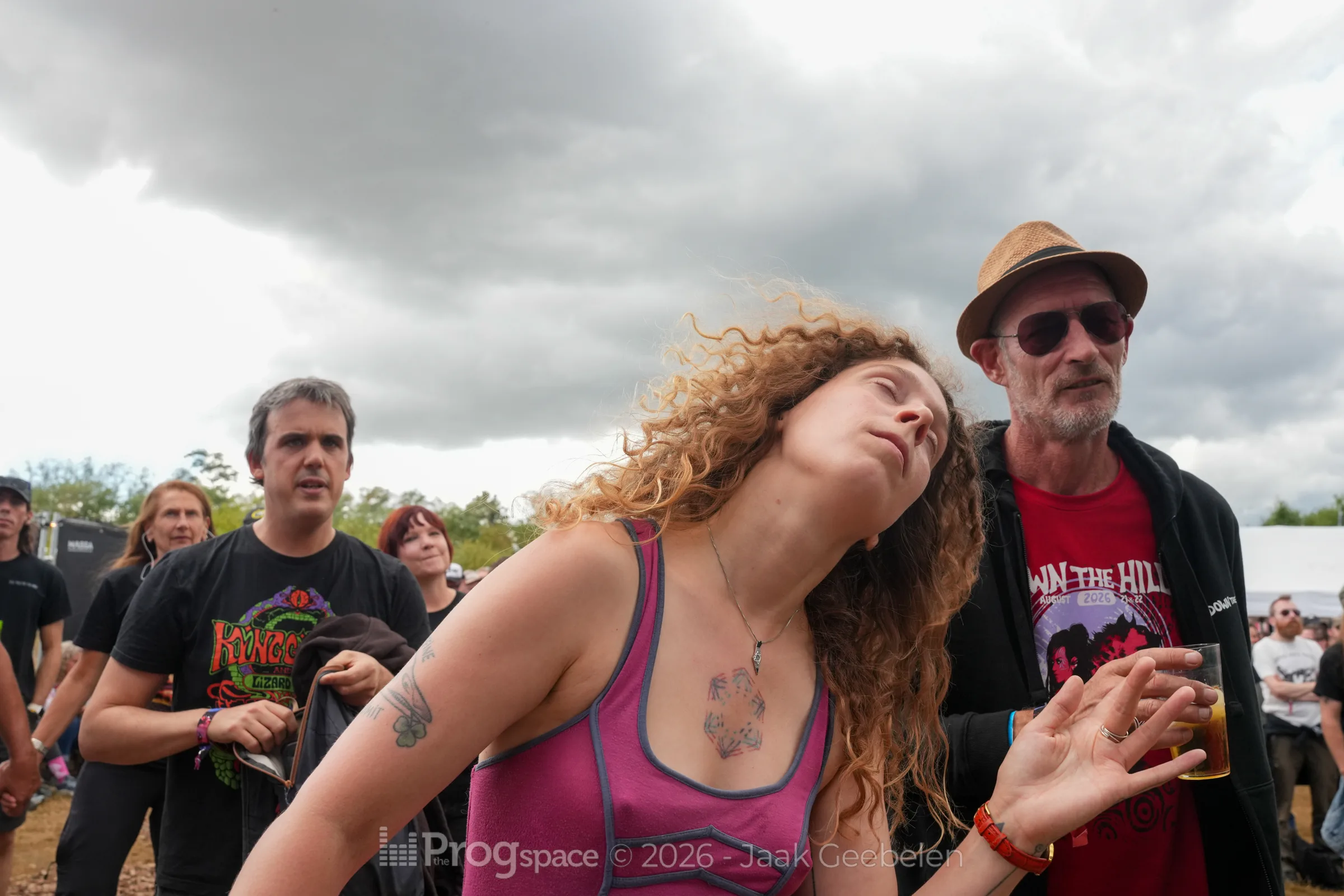
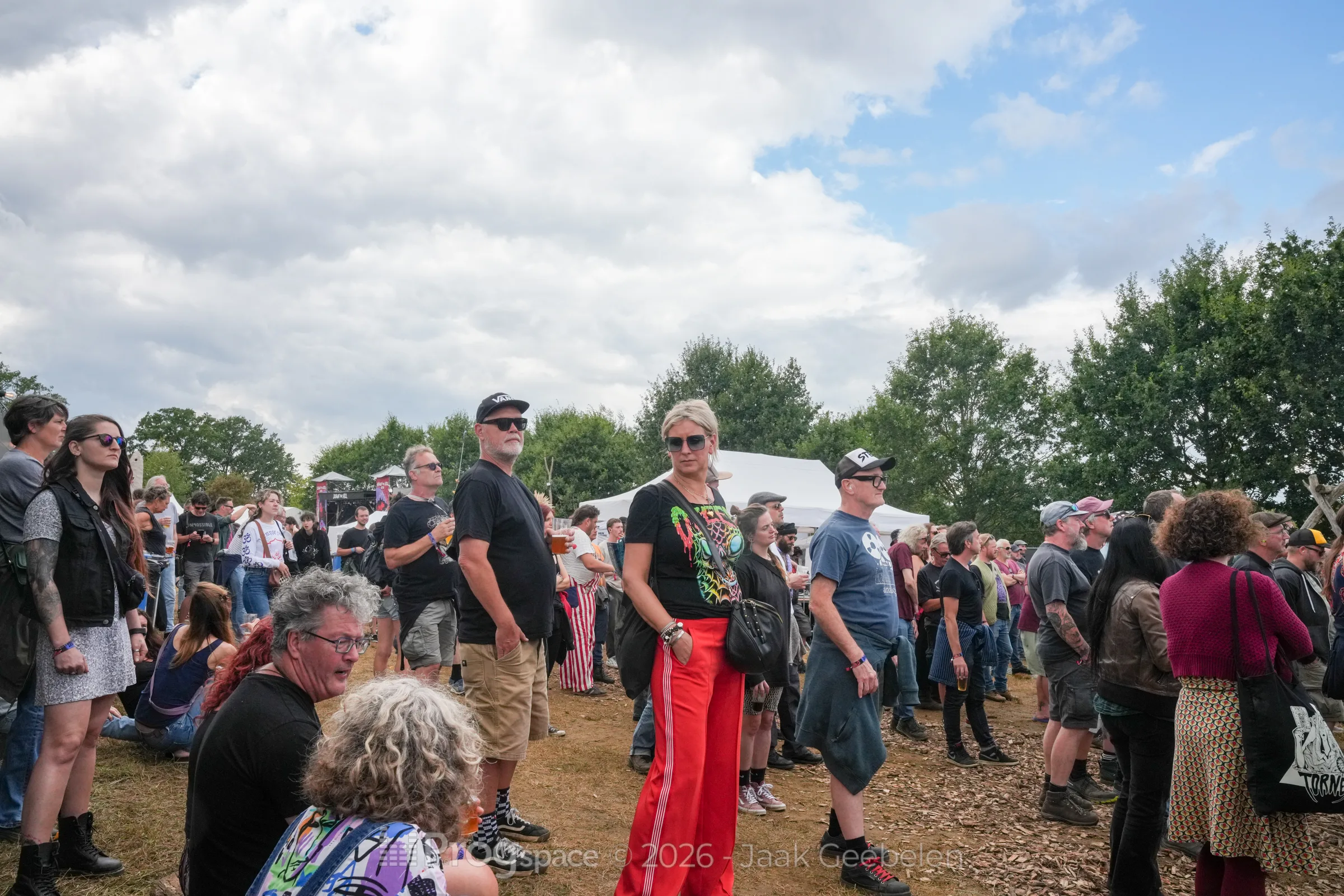
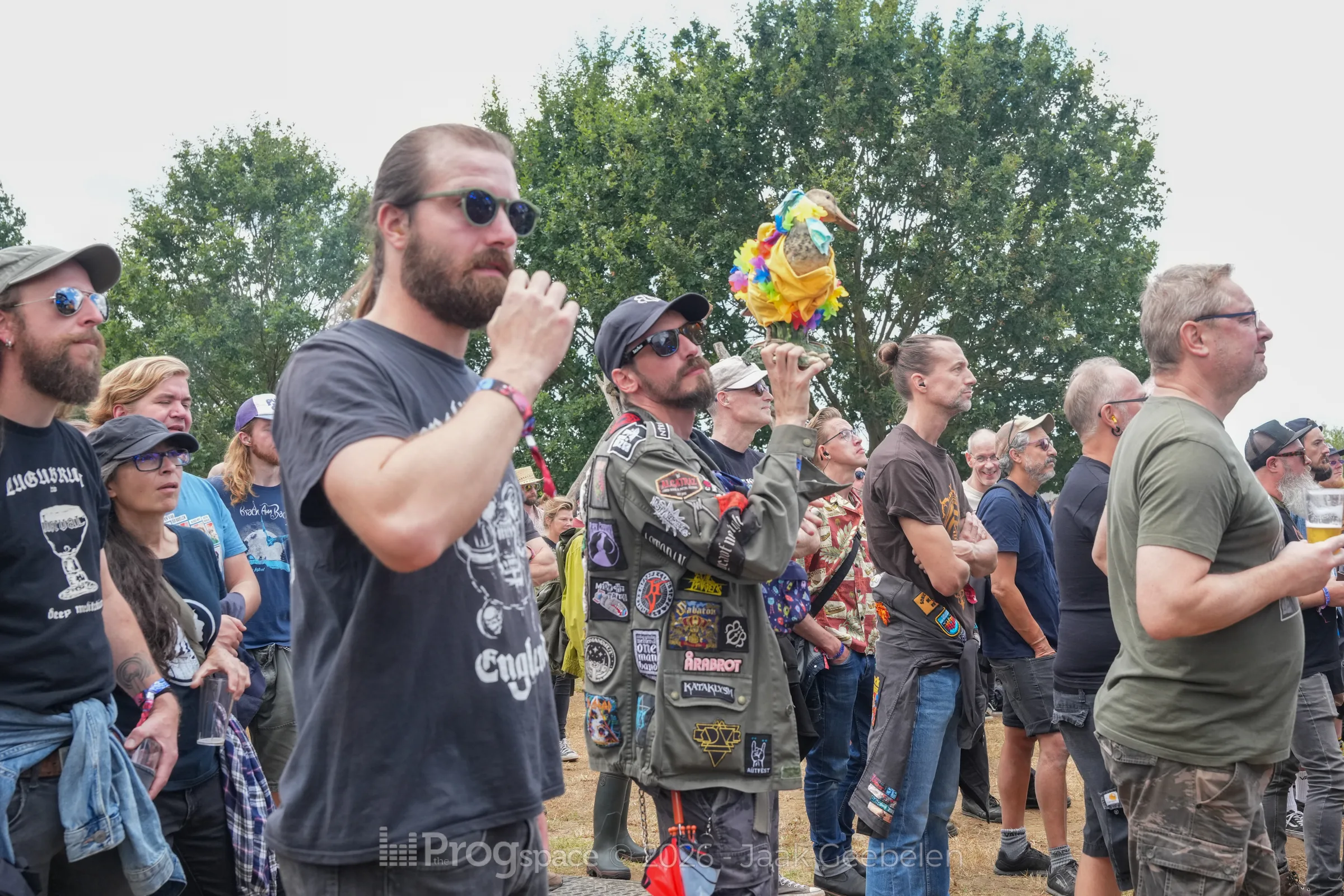
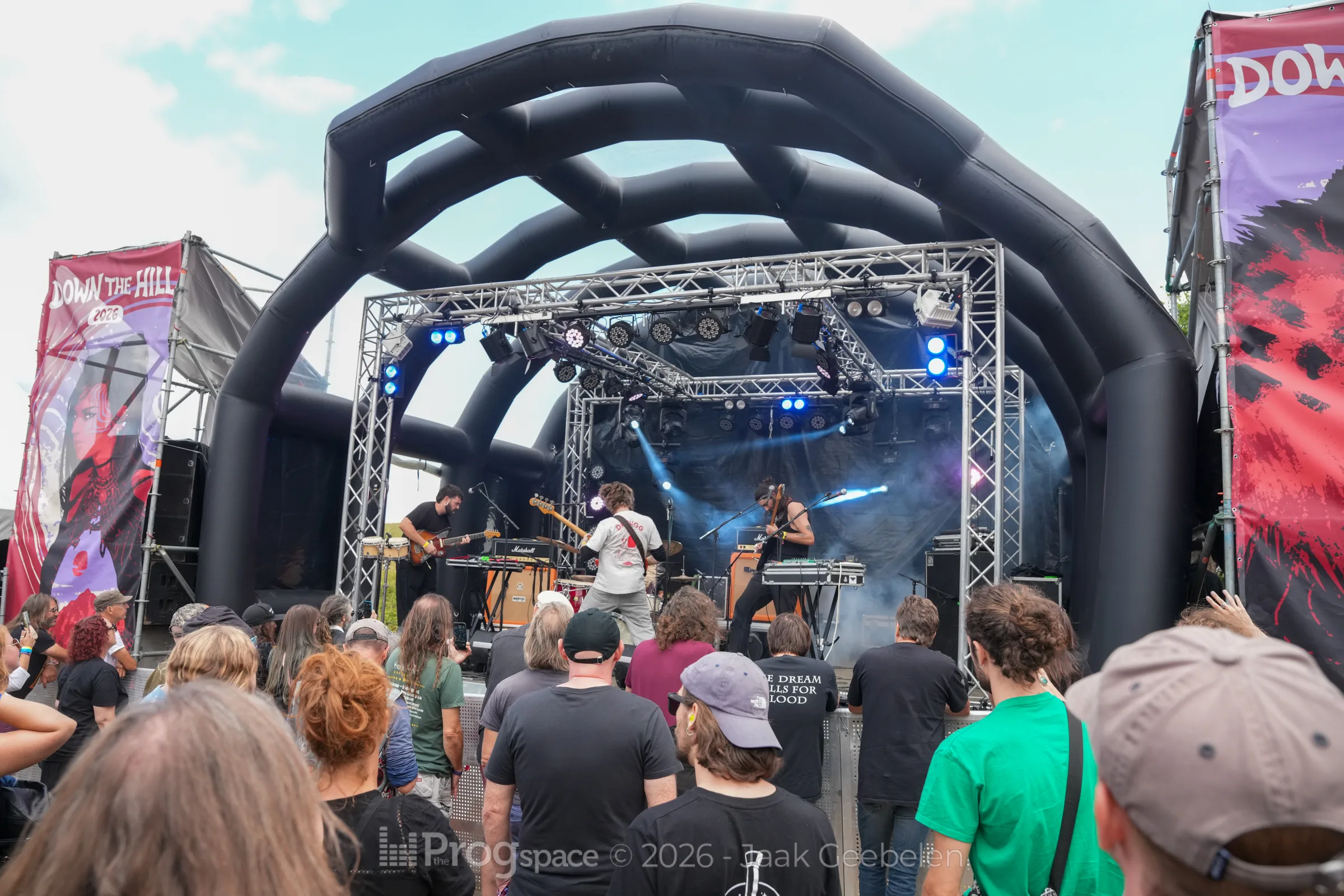
The audience responded accordingly. There was no sense of a detached festival crowd in front of the stage; people were visibly moving with the rhythm. There was dancing, swaying and a general tendency to drift closer towards the band. That matters with Gros Cœur: their music is not designed for motionless contemplation. It works through groove. Even listeners unfamiliar with the material are almost automatically pulled along by the repetition and rhythm.
Closing track “Monique” was an ideal example. The piece builds gradually, becoming heavier and more restless before finally breaking into a much rougher psychedelic release. After the more fluid structures earlier in the set, it felt like a natural conclusion: less searching, more surrender.
What sets Gros Cœur apart most is the ease with which very different musical worlds merge. Krautrock, funk, psychedelia, prog, surf, Eastern influences and hand percussion are all present, but never sound like stylistic decorations added for effect. Everything serves movement.
Visually, that worked extremely well too. The band do not come across as staged or theatrical in the conventional sense. Their stage presence grows directly out of the act of playing: a drummer completely absorbed in his rhythms, guitarists constantly changing posture and instrumental role, shared vocals around the microphones, and musicians physically seeking each other out rather than guarding separate areas of the stage.
That gave the performance a strong collective character. Gros Cœur did not present themselves as four individual musicians, but as one moving unit.
With just five songs, the band managed to create a remarkably complete arc: from the Anatolian-tinged groove of “Montréal”, through the hypnotic expansion of “La Vague” and a new, still untitled composition, to the physical climax of “Sacrifice” and the final release of “Monique”.
At Down The Hill, Gros Cœur showed both musically and visually that their music is built around pulse, repetition and transformation. This is not a band trying to impress through displays of technical muscle, but by keeping everything in motion.
And that is exactly why this set worked so well: you did not have to understand the music first.
You felt it.

 We’re a group of Prog-lovers who started a journey to share with you our thoughts about albums, concerts, tours and festivals, the photo galleries of the Prog concerts we visit, as well interviews with upcoming or established musicians or prog-related people. Follow our Facebook page for frequent updates and news around the Progniverse.