






Black Flower – Down The Hill Festival, Rillaar, Belgium – 22 August 2026
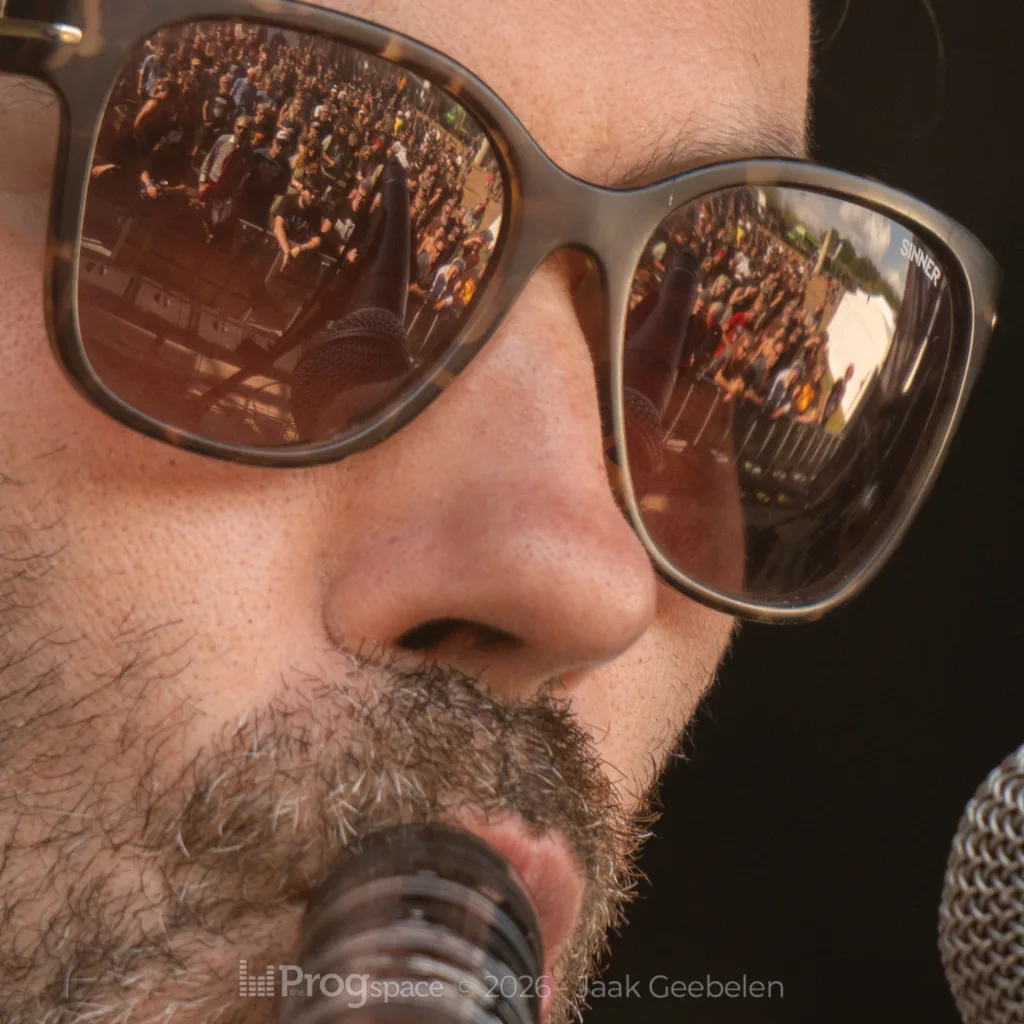
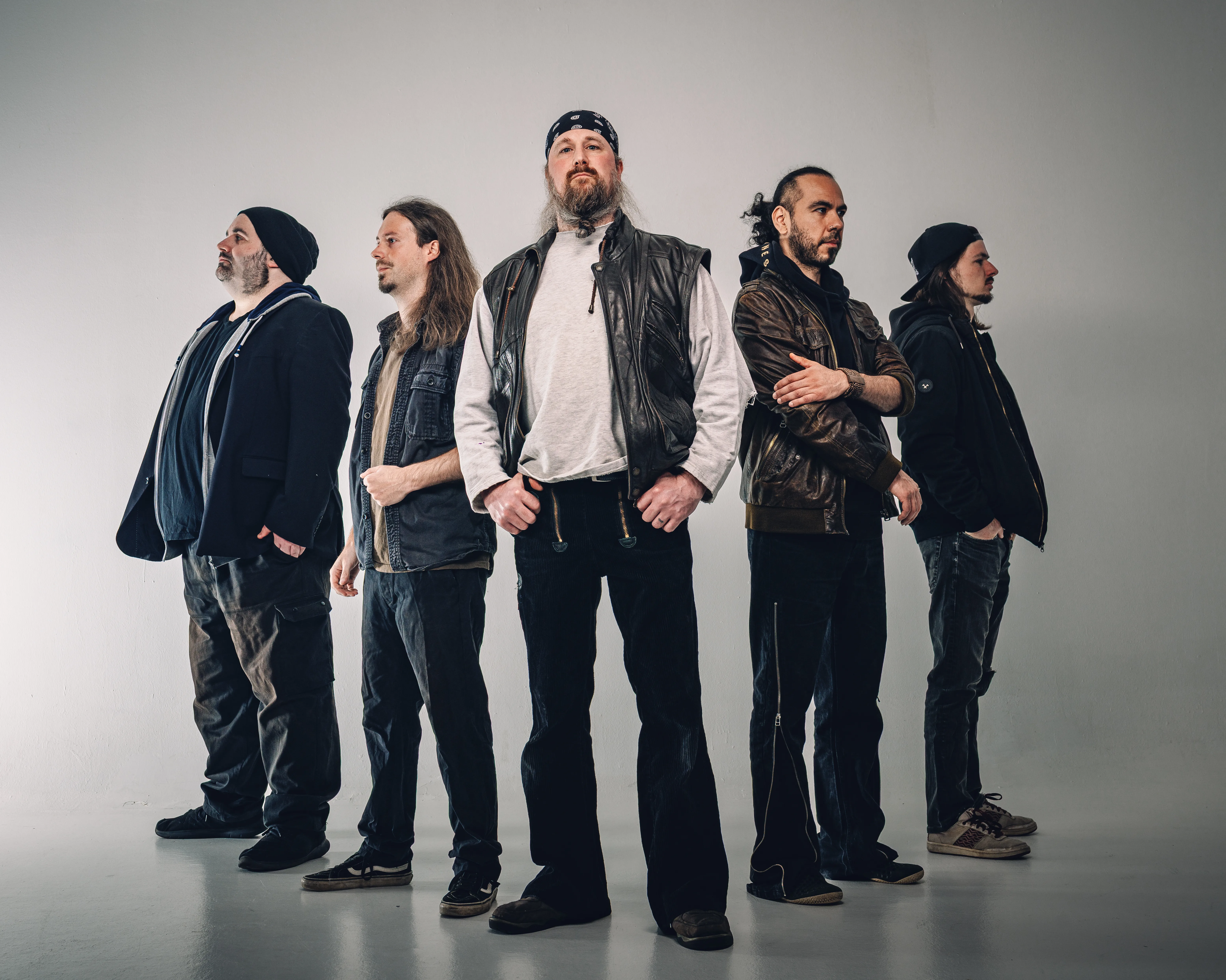
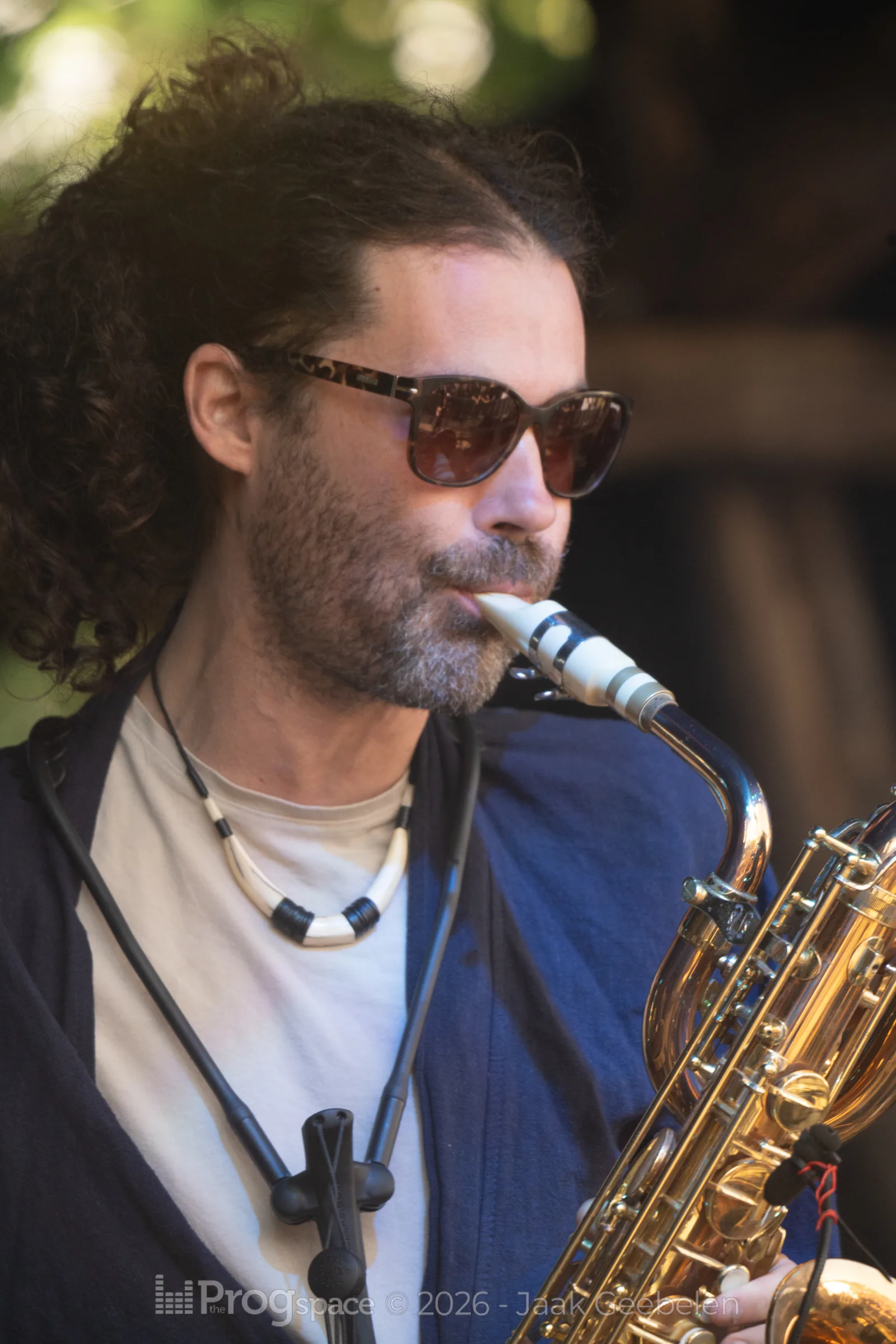
On a bill that moved largely between psychedelic rock, heavy psych and progressive music, Black Flower might have seemed like something of an outsider on paper. Yet anyone who saw the Belgian five-piece on the Wooden Stage quickly realised how relative such labels can be. The band, led by Nathan Daems, may have its roots in jazz, but from there it builds a highly distinctive musical universe in which Ethio-jazz, afrobeat, dub, psychedelia, Eastern modal influences and repetitive, almost krautrock-like structures constantly flow into one another.
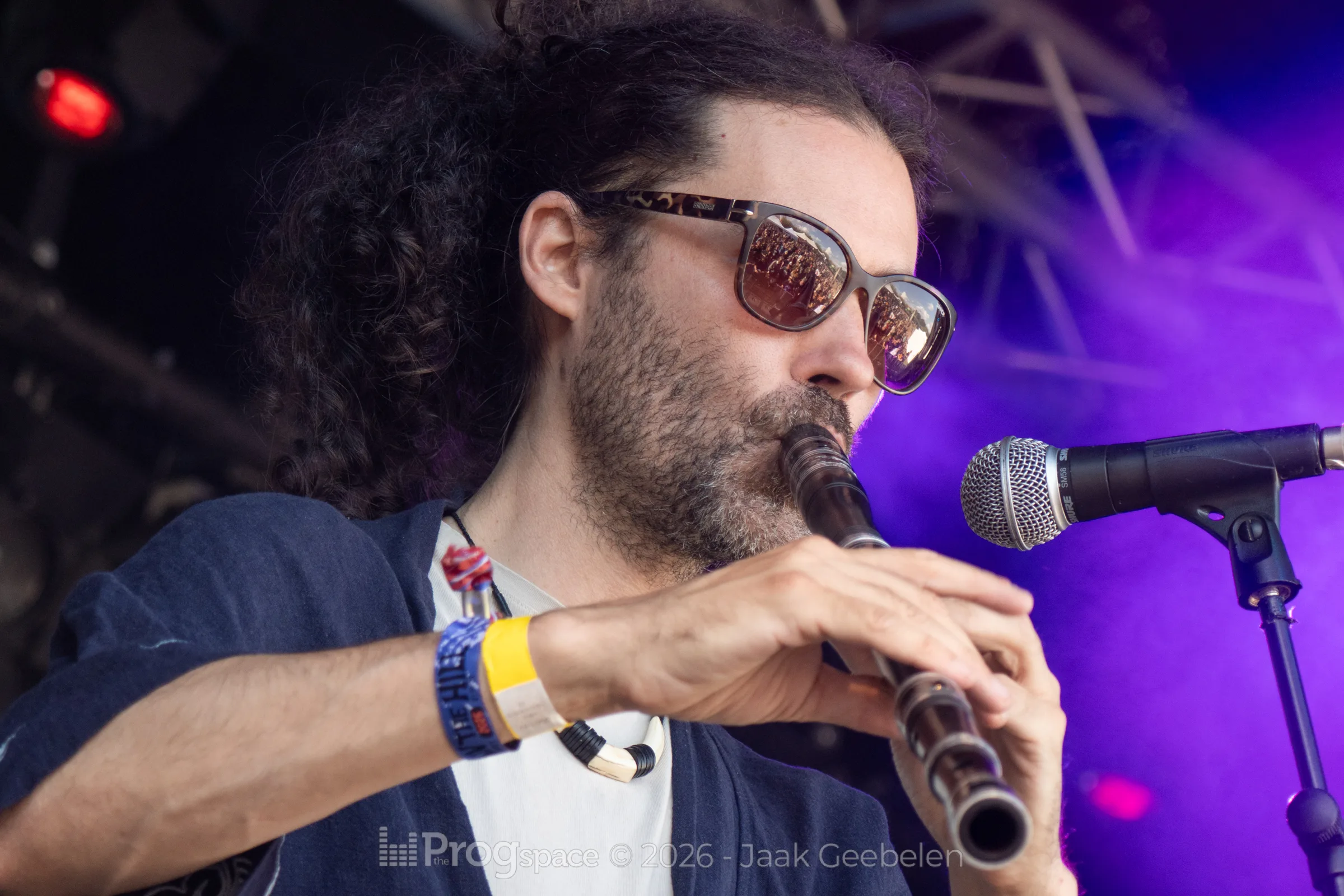
Black Flower opened with Synesthetic, immediately offering a concise introduction to that world. A supple rhythm section provided the foundation while Nathan Daems’ flute floated above it. This was music that did not rely on grand gestures, but gradually took hold. Rhythmic patterns repeated, subtle shifts began to emerge, and before you quite realised when it had happened, you were already locked into the groove.
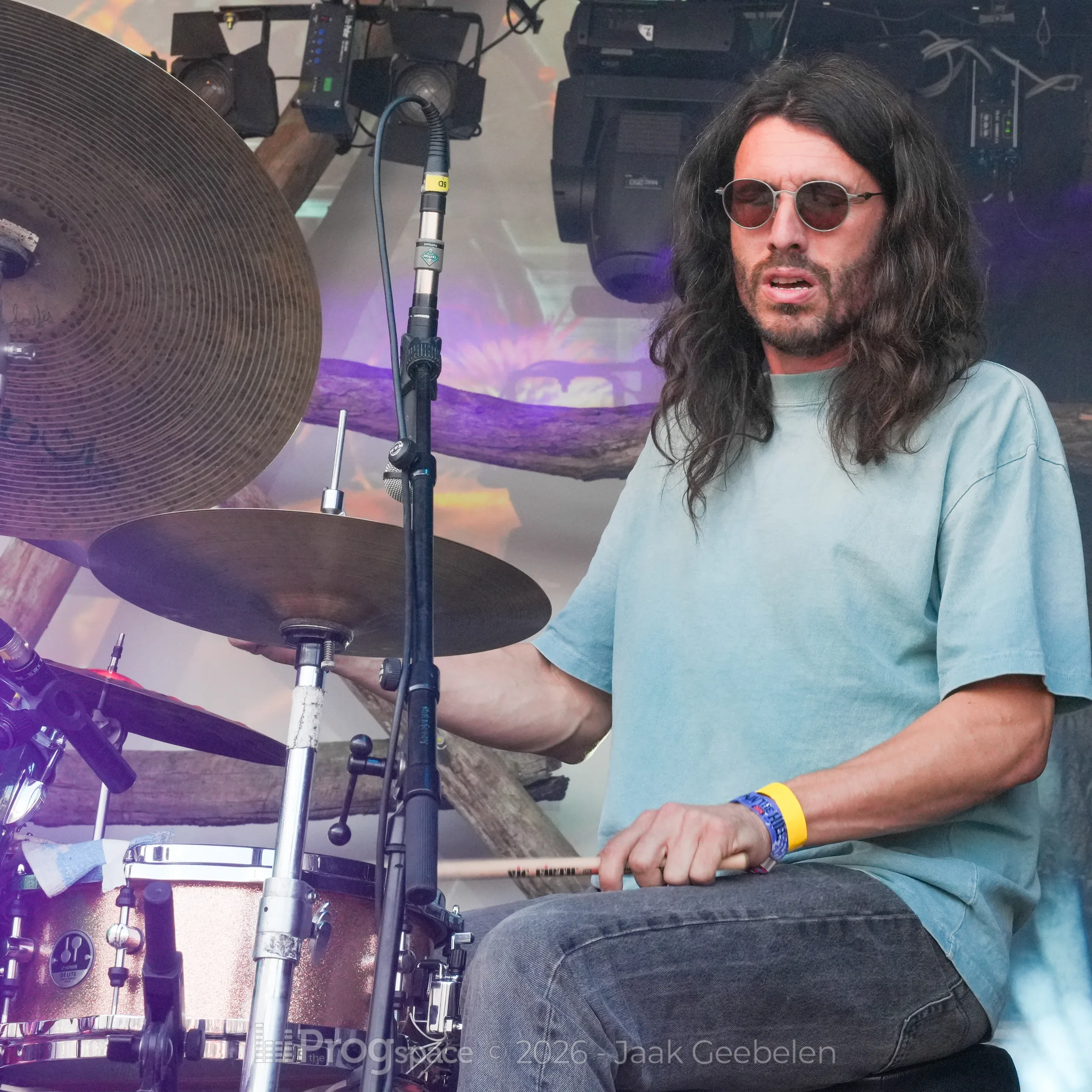
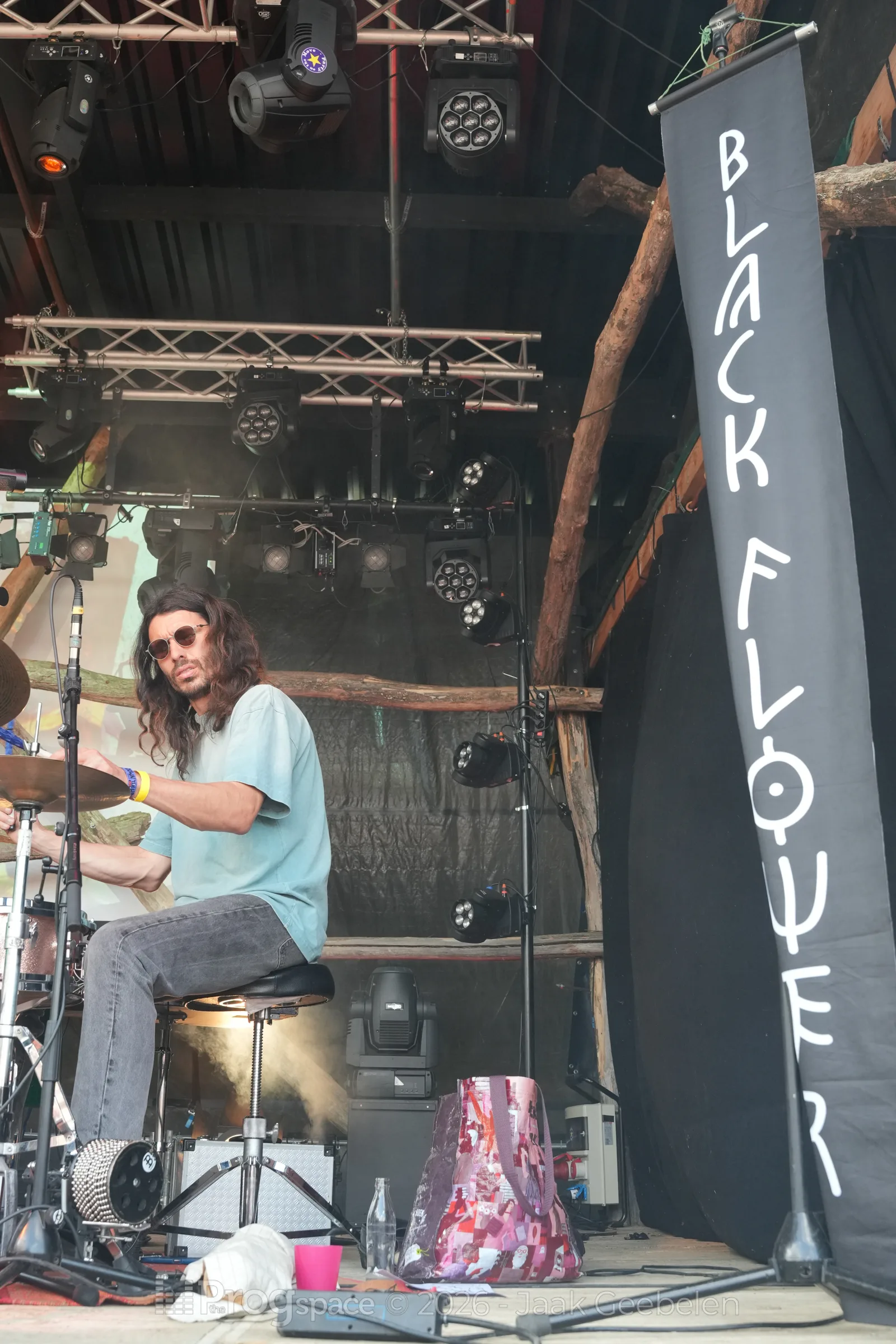
With Upwards, that sense of movement became even more pronounced. Black Flower’s older material often carries a more direct Ethio-jazz and afrobeat character, and live it worked particularly well. Bassist Filip Vandebril and drummer Simon Segers held everything together without ever making the music sound rigid or forced. Segers in particular impressed with the apparent ease of his playing. The rhythms could be complex, but they never sounded academic. You did not need to count the beats to feel what was happening.
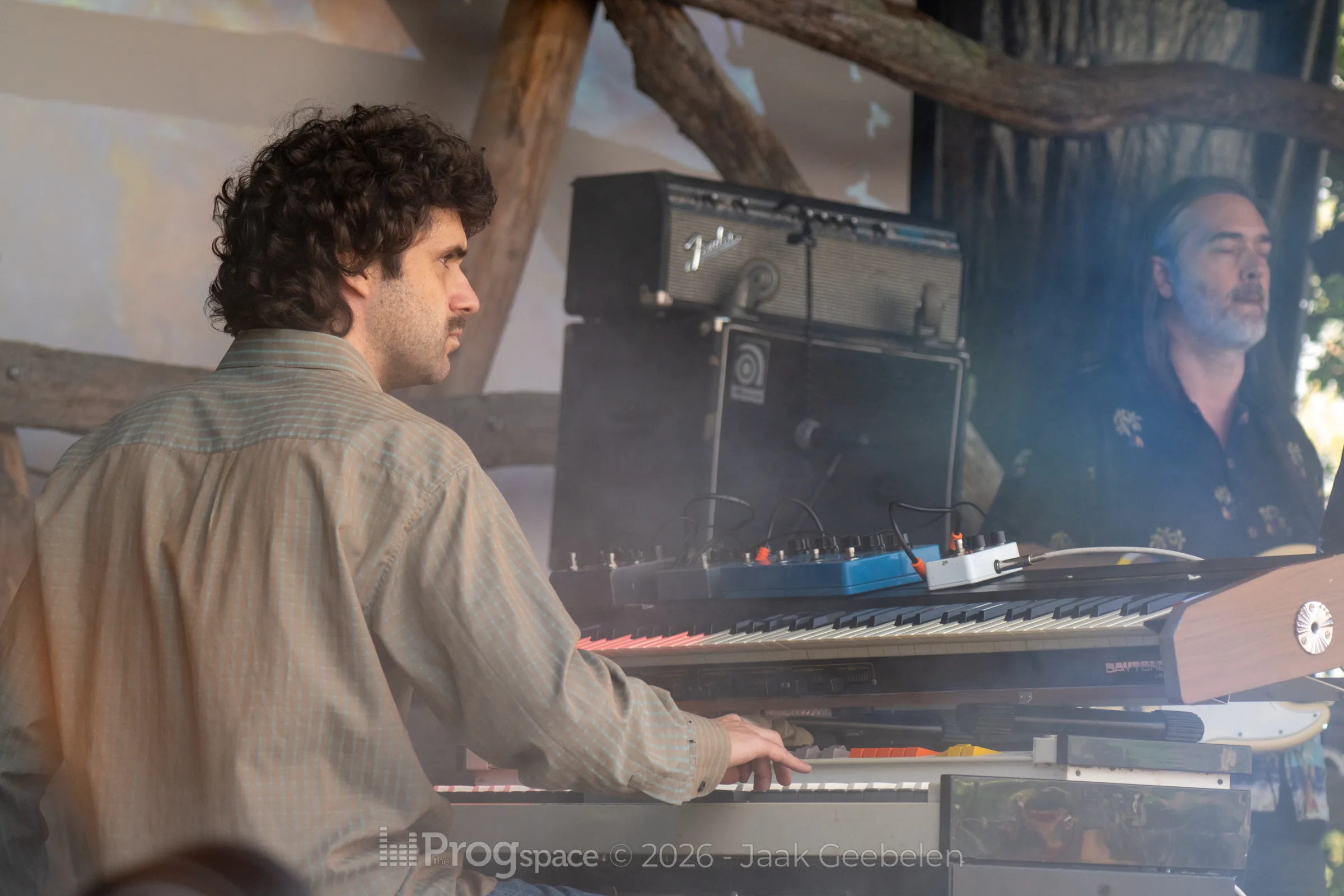
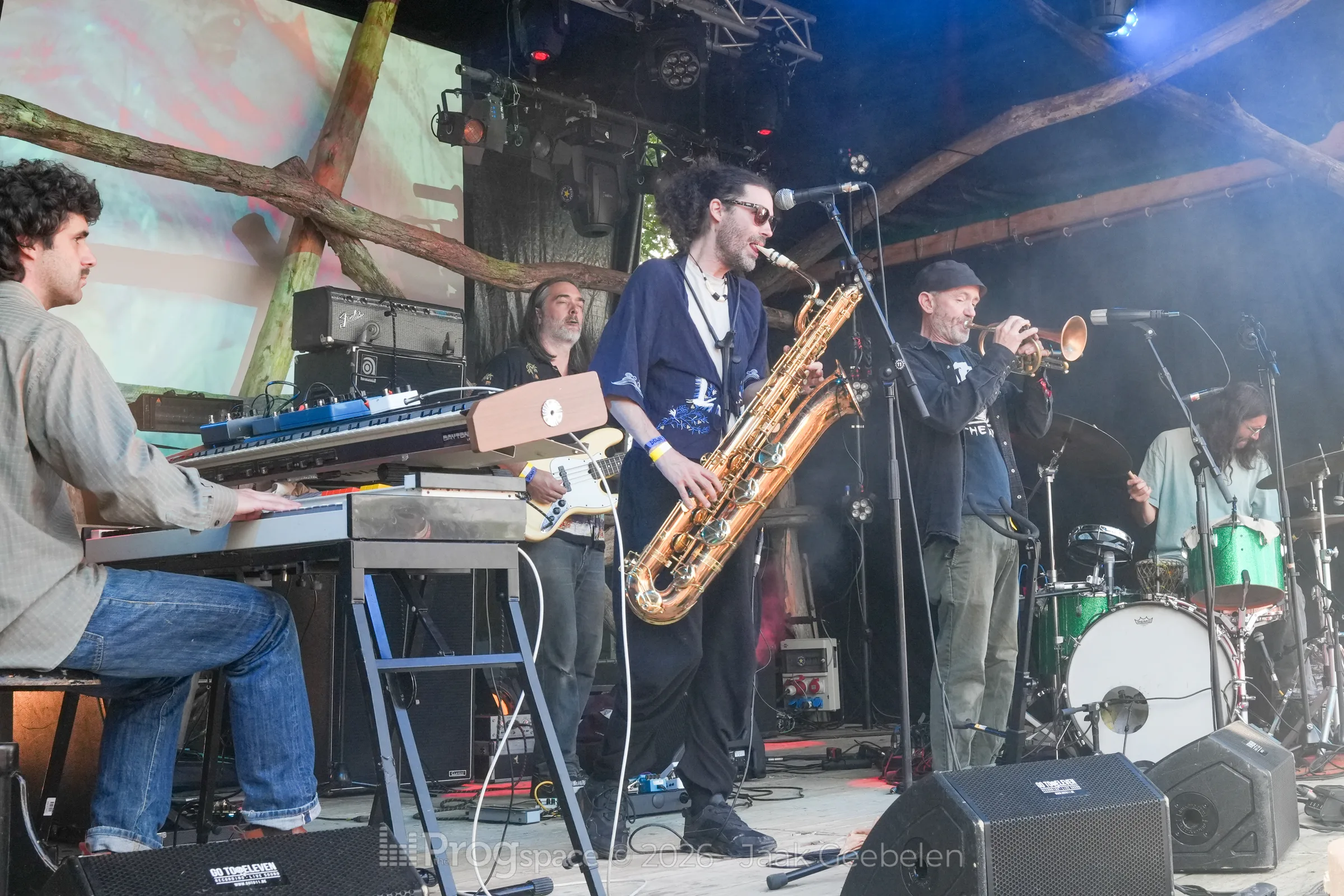
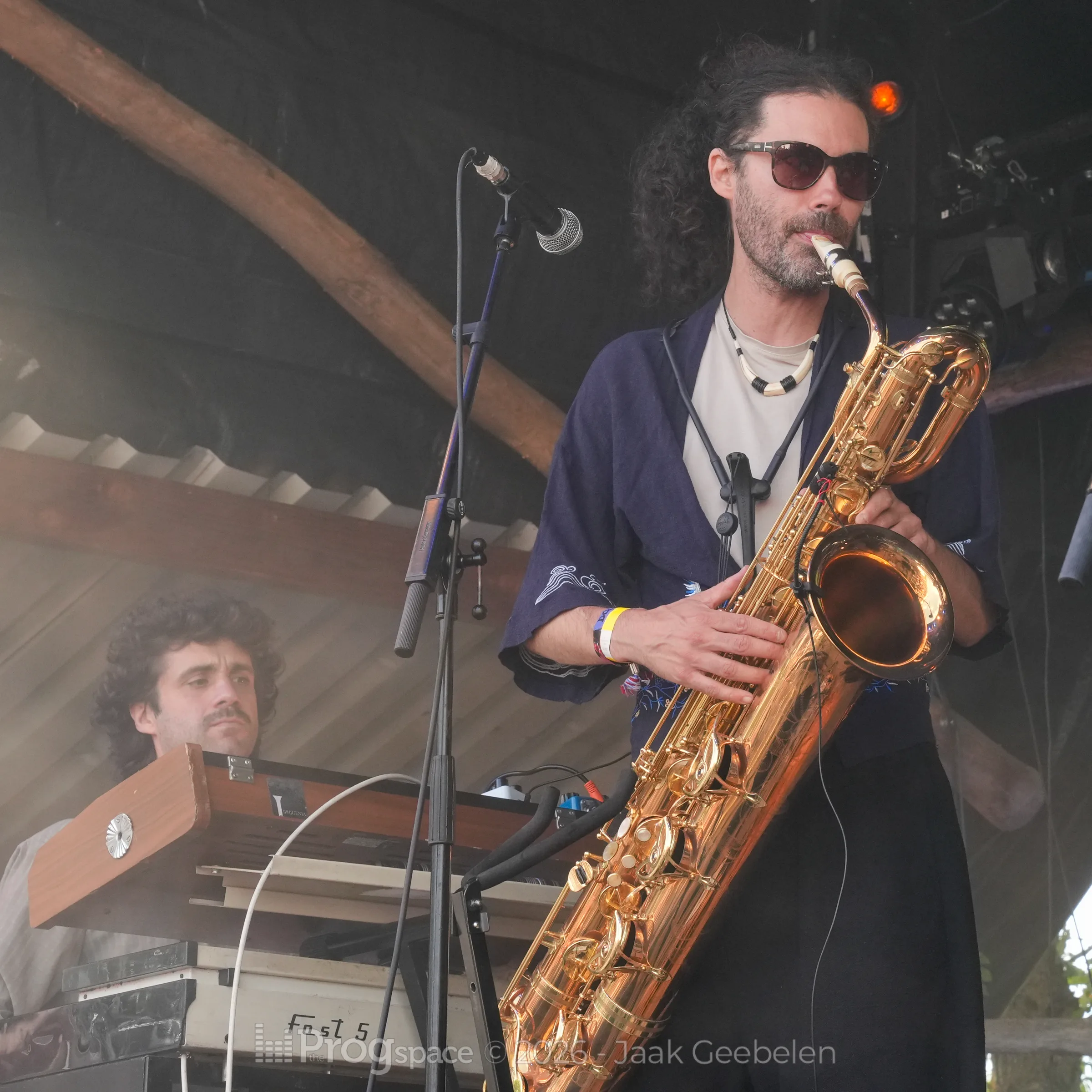
The set then took on a darker character with Magma. Karel Cuelenaere’s keyboards became increasingly important here. Hidden behind a small wall of vintage instruments, including an old Farfisa, he produced warm organ tones, grainy layers and psychedelic textures that at times brought Black Flower surprisingly close to krautrock and progressive psychedelia. No guitar was needed to create that sense of space. Keyboards, horns and repetitive rhythms were more than enough.
Violet Drift introduced another kind of psychedelia. Less propulsive, more suspended. Here the music seemed to breathe rather than move forward. Silence and space became almost as important as the notes themselves. It provided a beautiful contrast within a set that continuously shifted between physical groove and more contemplative passages.
With O Fogo, the fire was lit again. The afrobeat foundation moved firmly to the foreground and Daems used his flute not as decoration, but as a fully integrated rhythmic and melodic force. The combination of bass, drums and keyboards gave the piece a warm but irresistible forward momentum. This was Black Flower at its most danceable, without ever becoming predictable.
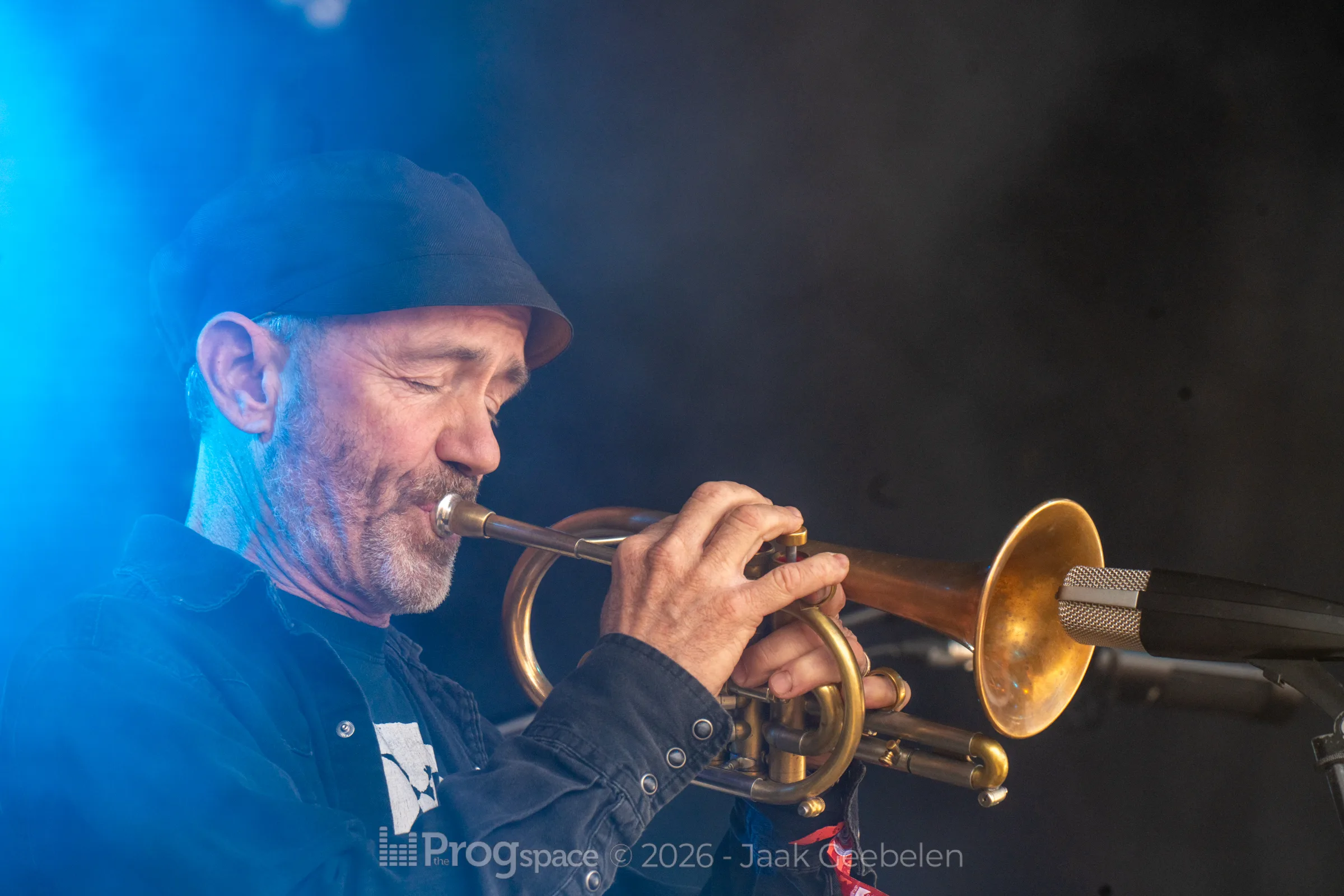
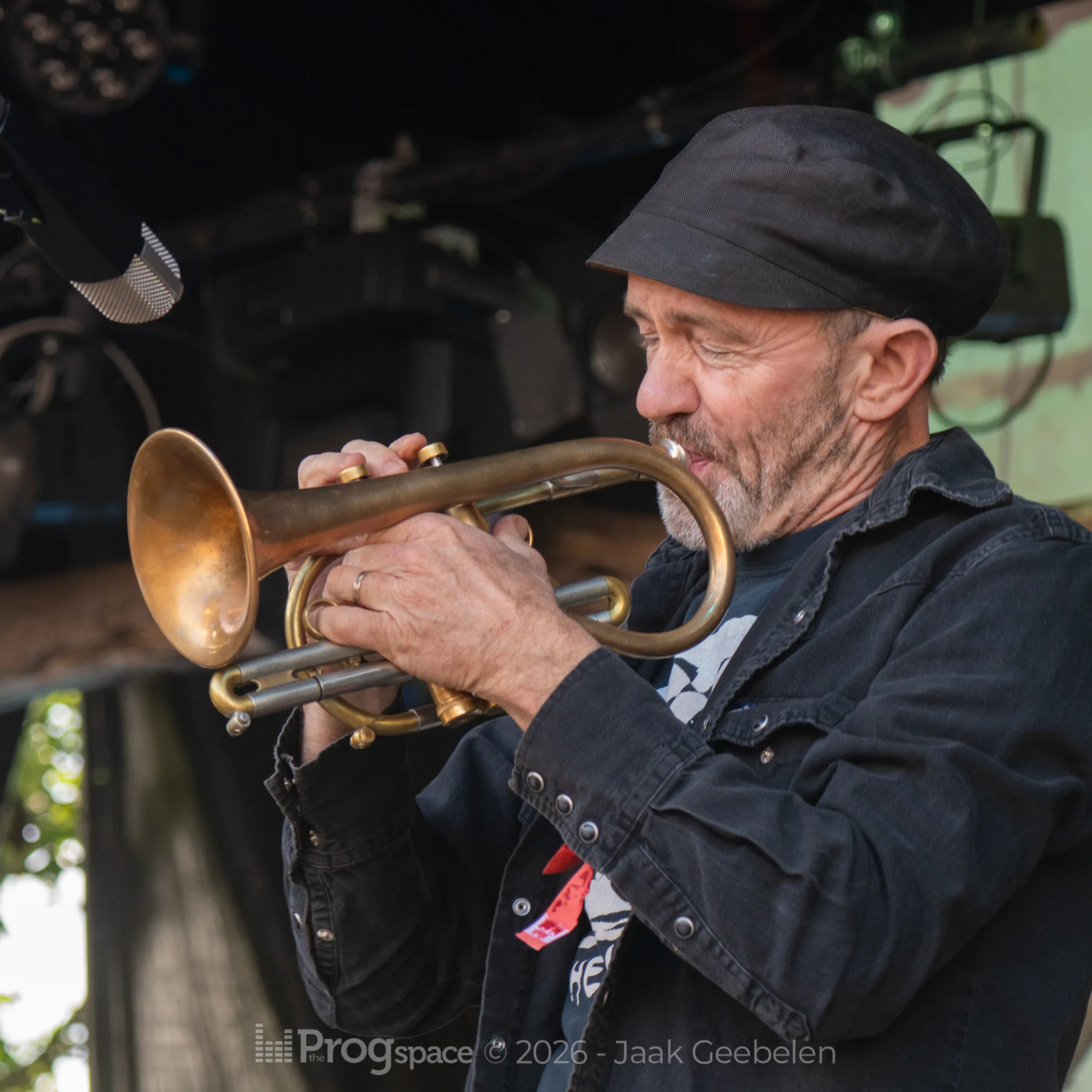
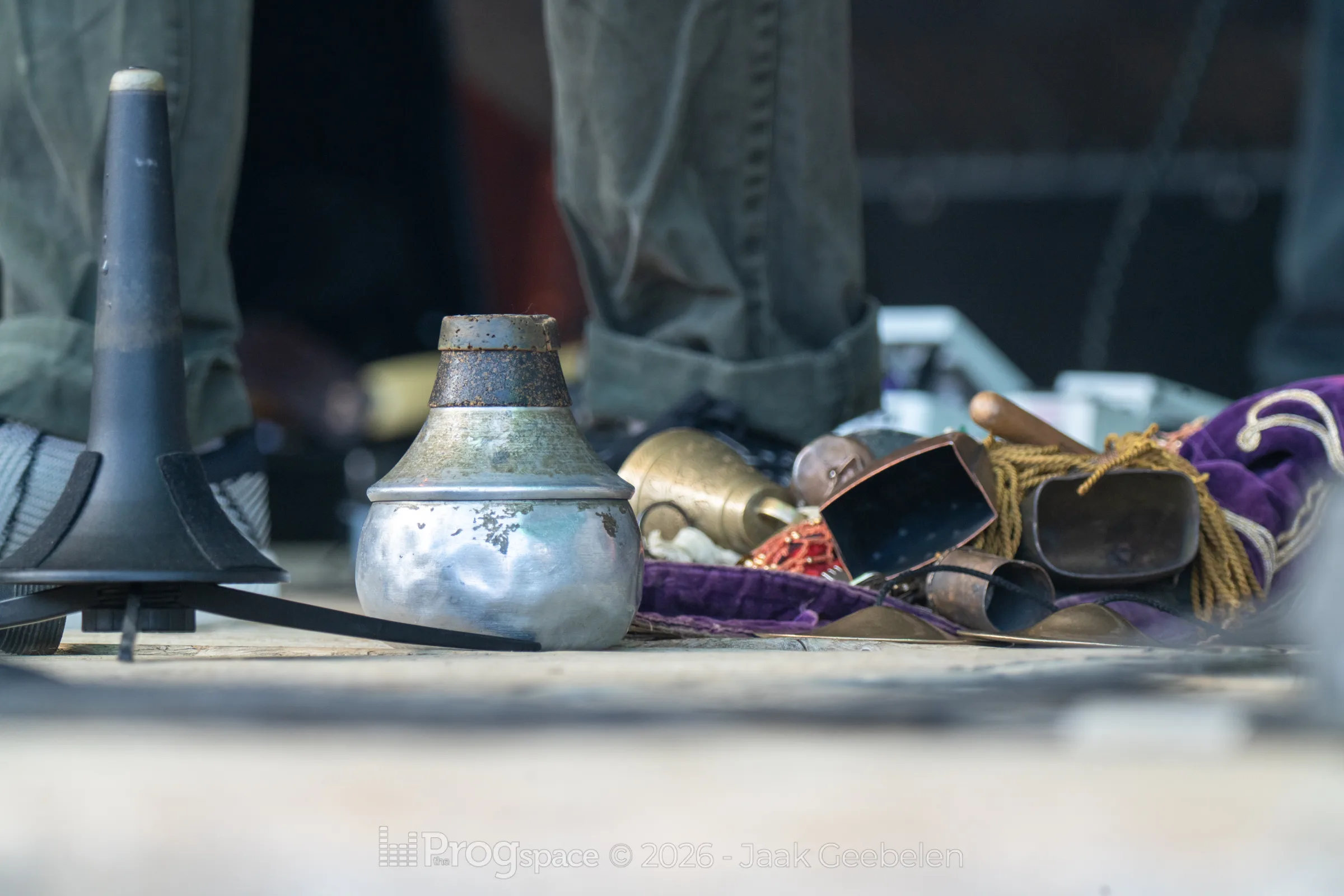
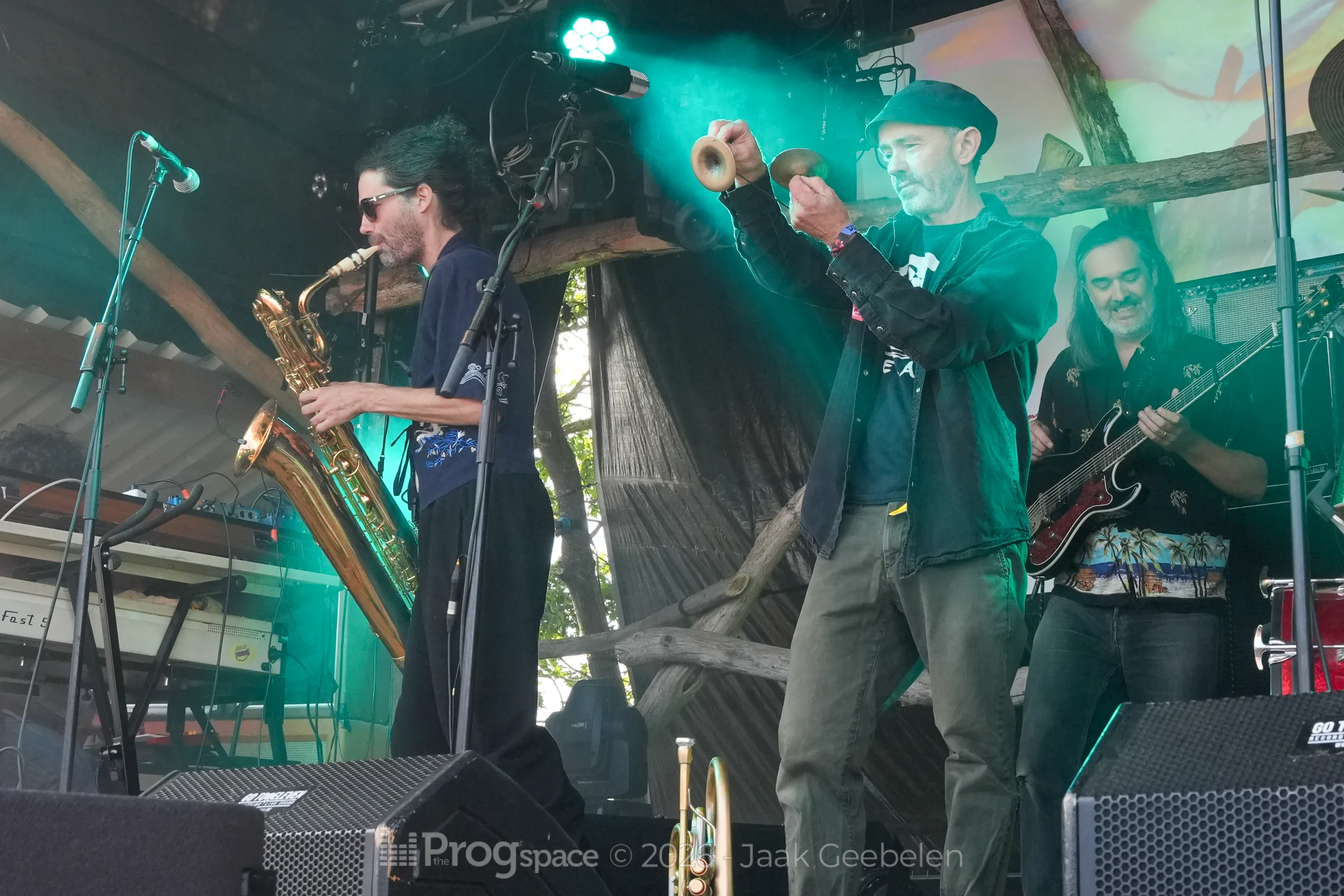
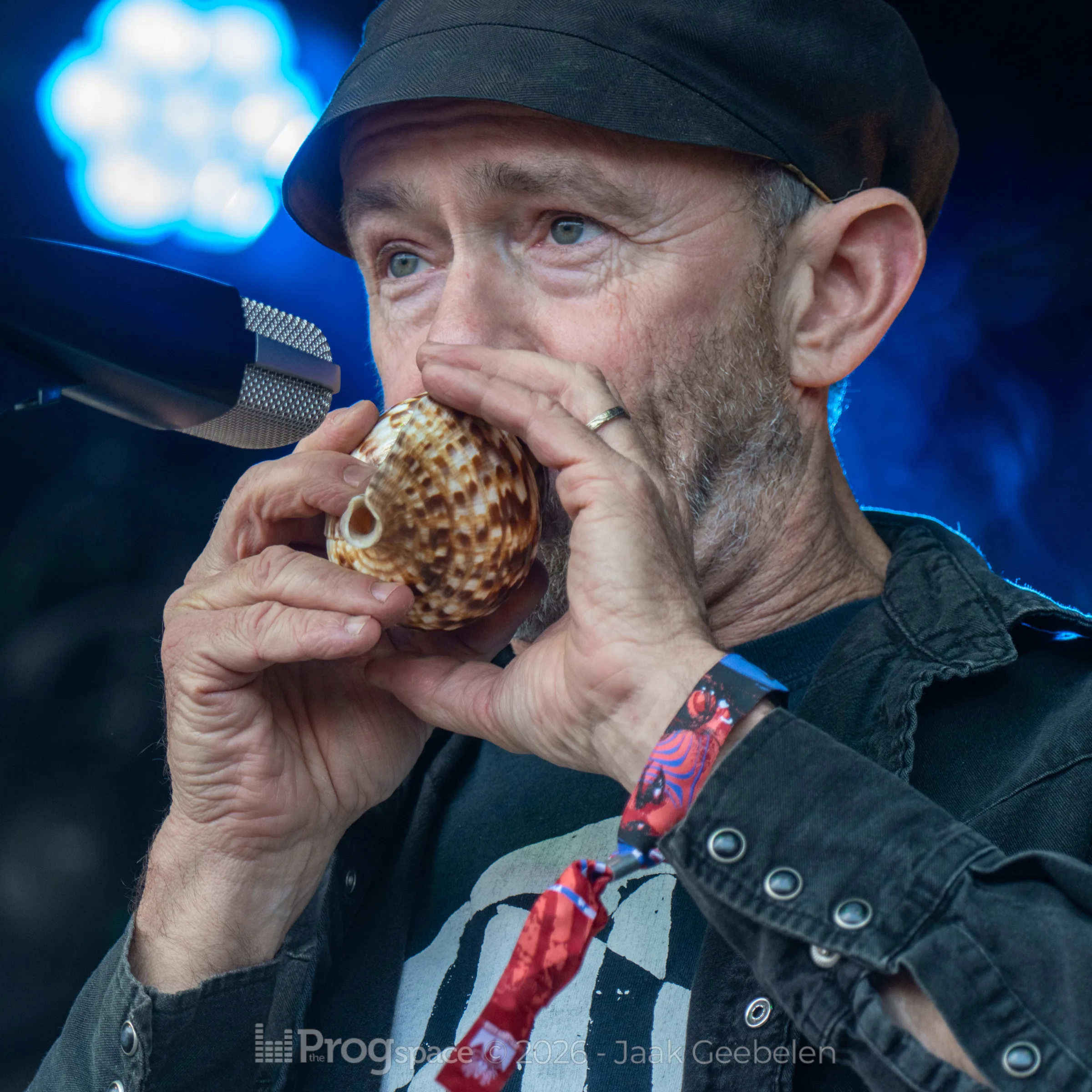
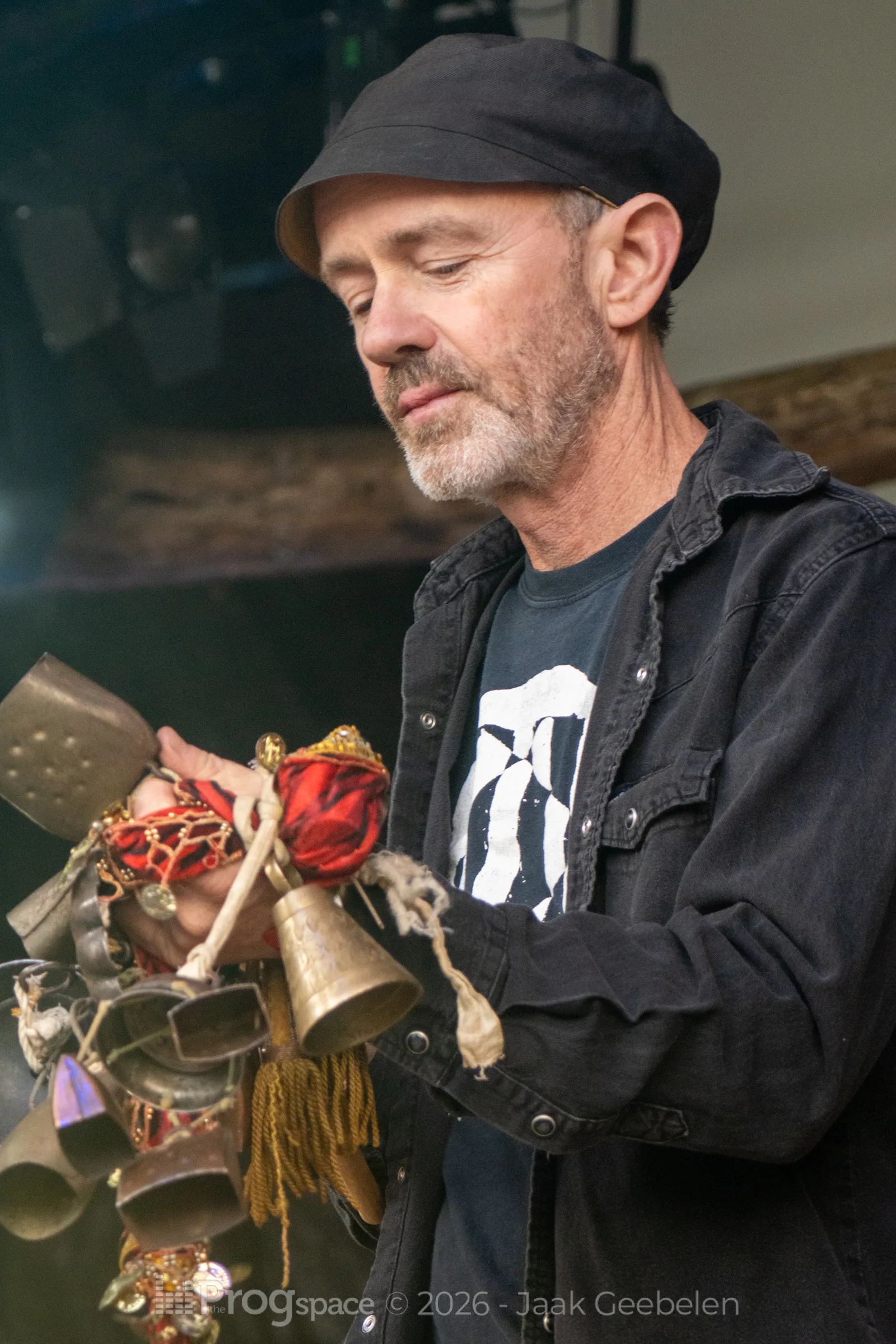
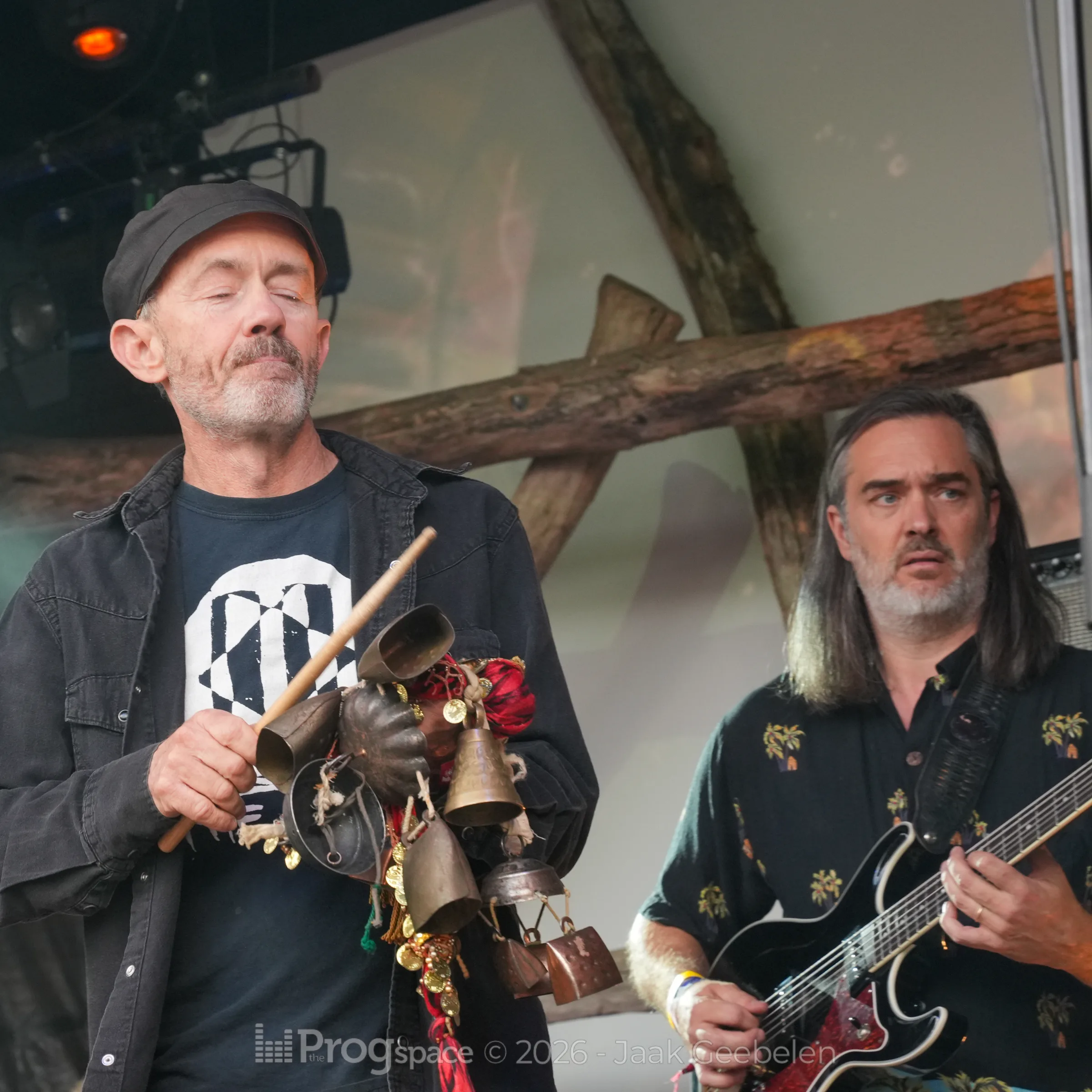
The instrumentation played a major role in the band’s individuality. Jon Birdsong was far more than simply the cornet player. Around him lay a small arsenal of mutes, bells and other sound objects. At one point he even exchanged his brass instrument for a large conch shell. Its low, raw resonance suddenly gave the music something ancient and ritualistic. Elsewhere, he used a cluster of metallic bells and percussion objects, broadening his role far beyond that of a conventional second horn player.
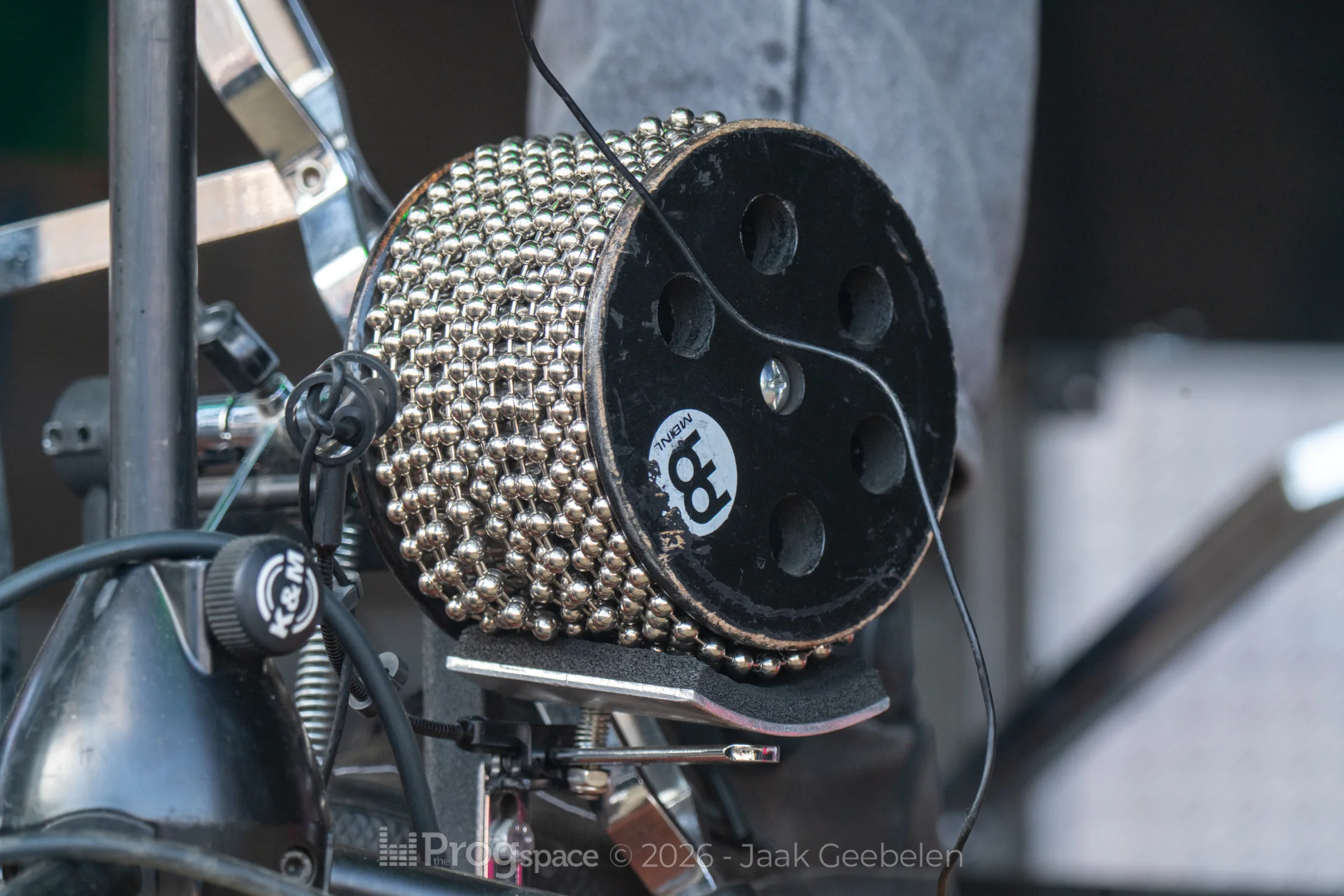
Drummer Simon Segers also had several small percussion instruments within reach, including a mounted cabasa. These details mattered. Black Flower builds its sound not only from melody and harmony, but just as much from texture, breath, metal, noise and rhythmic colour.
Particles then revealed the band’s more electronic and disorienting side. Sharp synth tones and irregular accents moved around the groove without allowing the music to fall apart. That may be one of Black Flower’s greatest strengths: the music can become highly complex and adventurous, yet it rarely loses its physical pull.
With Bones, the band reached further back into its catalogue. The Ethio-jazz roots were a little more visible here, but live the piece was opened up again. Dub-like space, horns and percussive detail turned it into much more than a nostalgic return to earlier material. Instead, it showed how consistently Black Flower has developed its own musical language over the years.
The finale was reserved for Kinetic, the nearly ten-minute title track from their latest album. It was a logical conclusion. Everything the band had built throughout the set came together here: polyrhythm, African and Eastern influences, flute, brass, keyboards, repetition and improvisation. The piece developed step by step, without rushing, and became a perfect summary of Black Flower’s compositional approach. Not a straight line from point A to point B, but circles that keep shifting slightly with every turn.
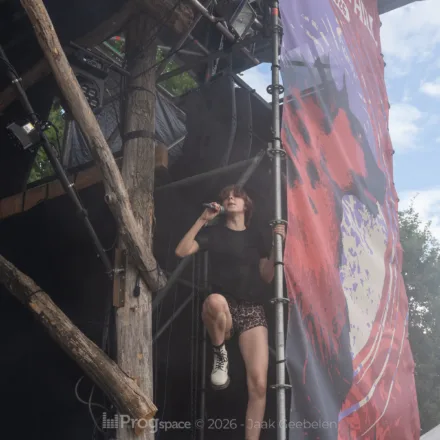
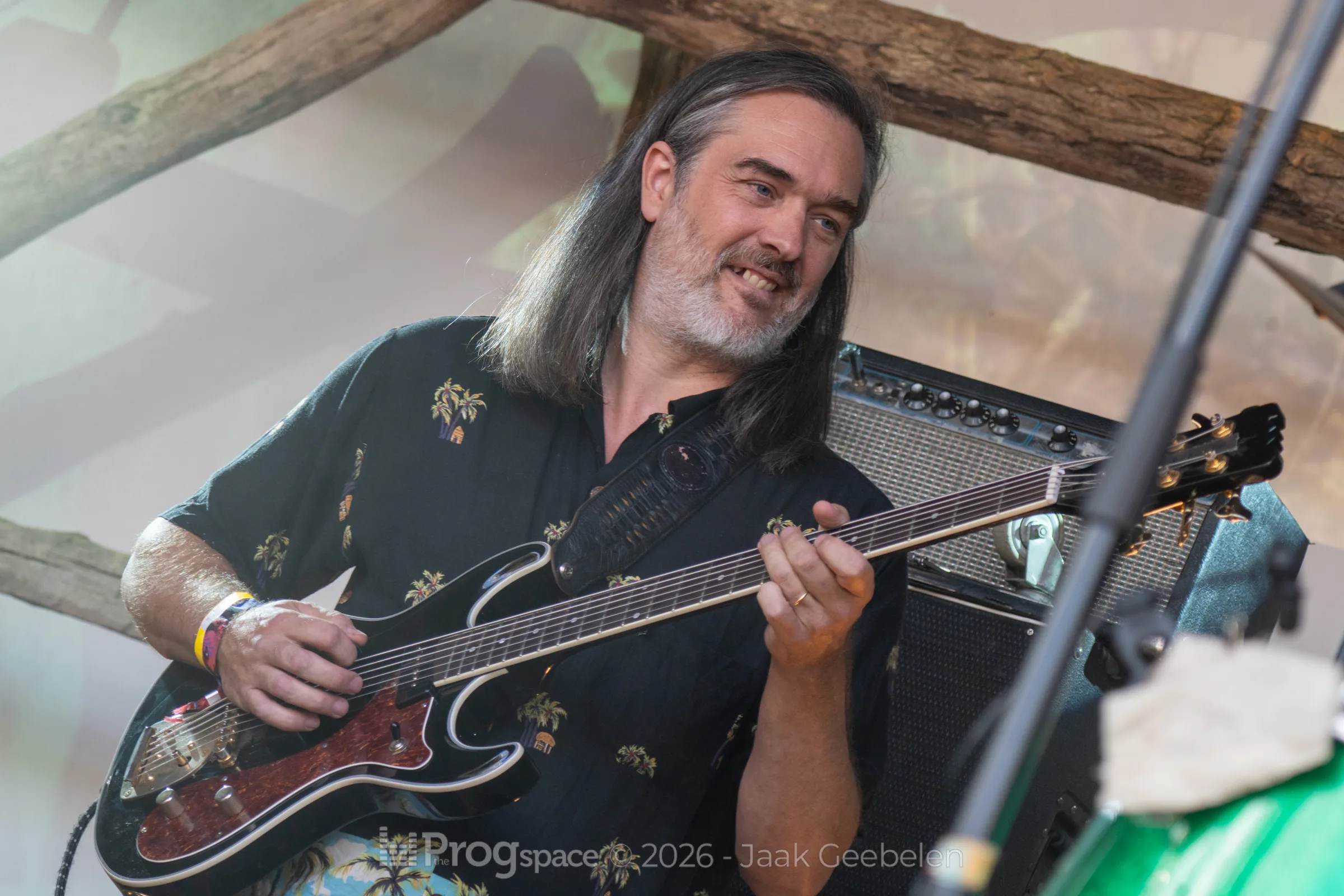
Visually, Black Flower remained relatively understated. There were no theatrical poses and no attempt at a conventional rock show. Instead, five highly focused musicians occupied a compact wooden stage surrounded by tree trunks, projections, haze and coloured light. That restraint made the unusual instruments and small sonic details stand out even more.
The real movement, however, was happening in front of the stage.
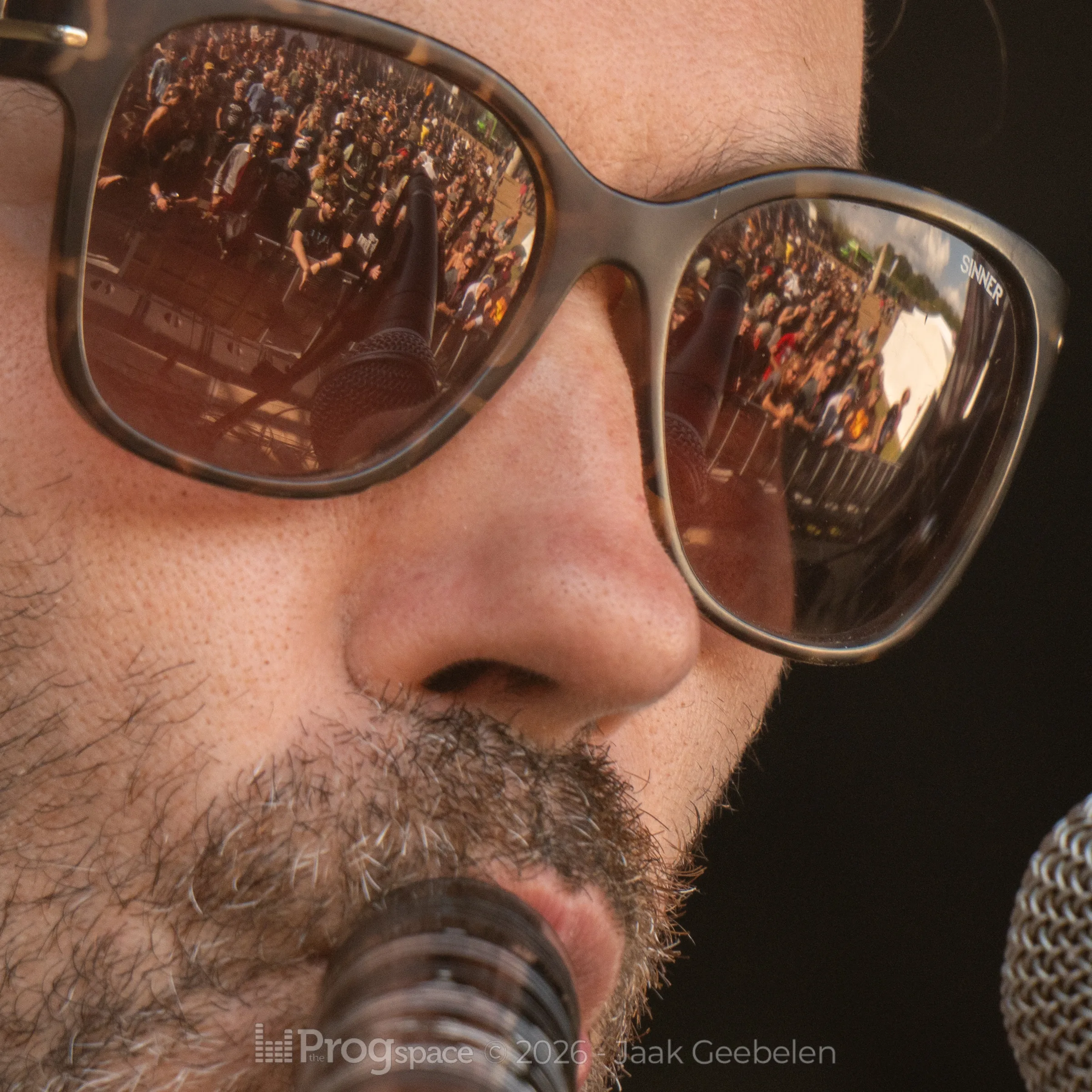
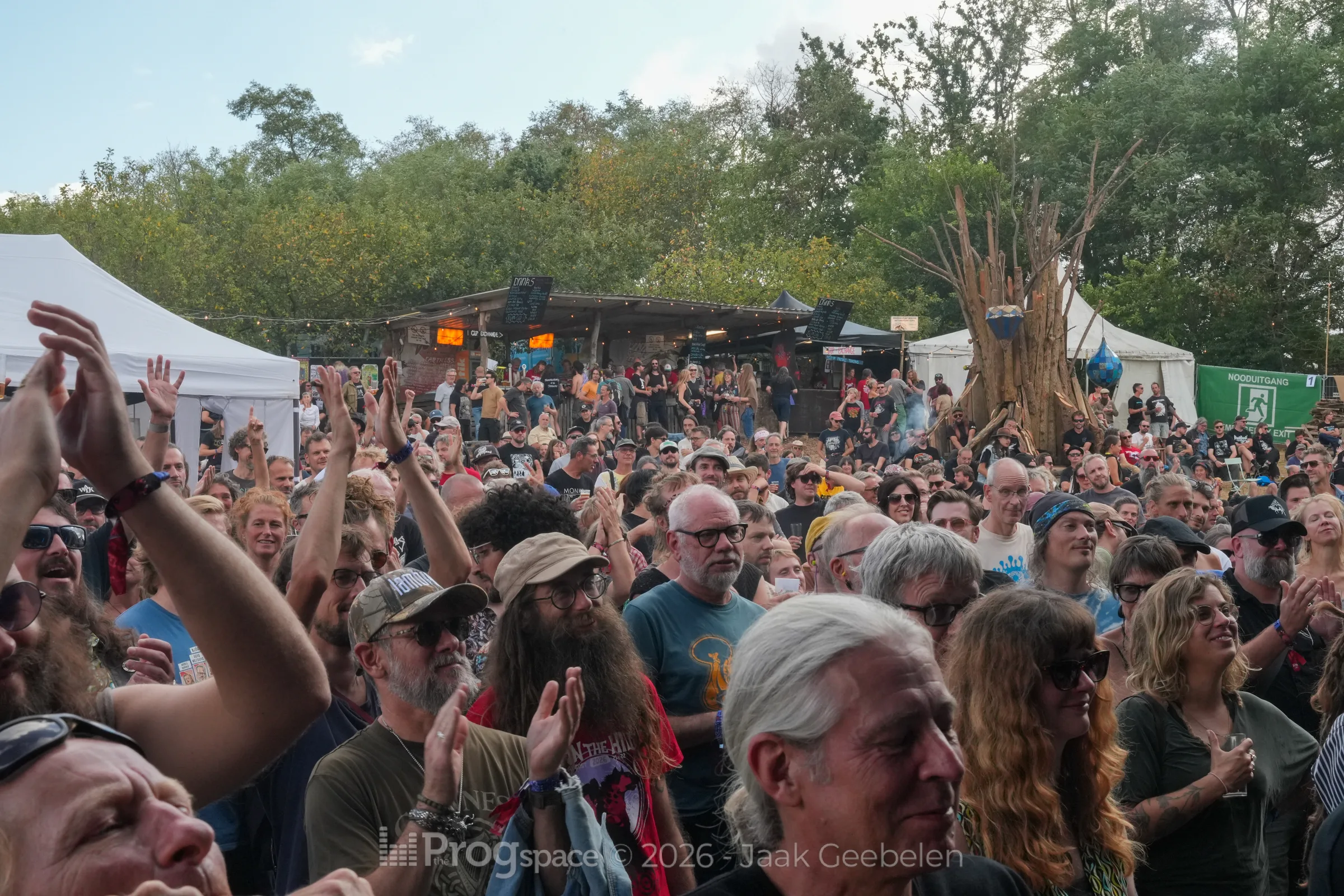
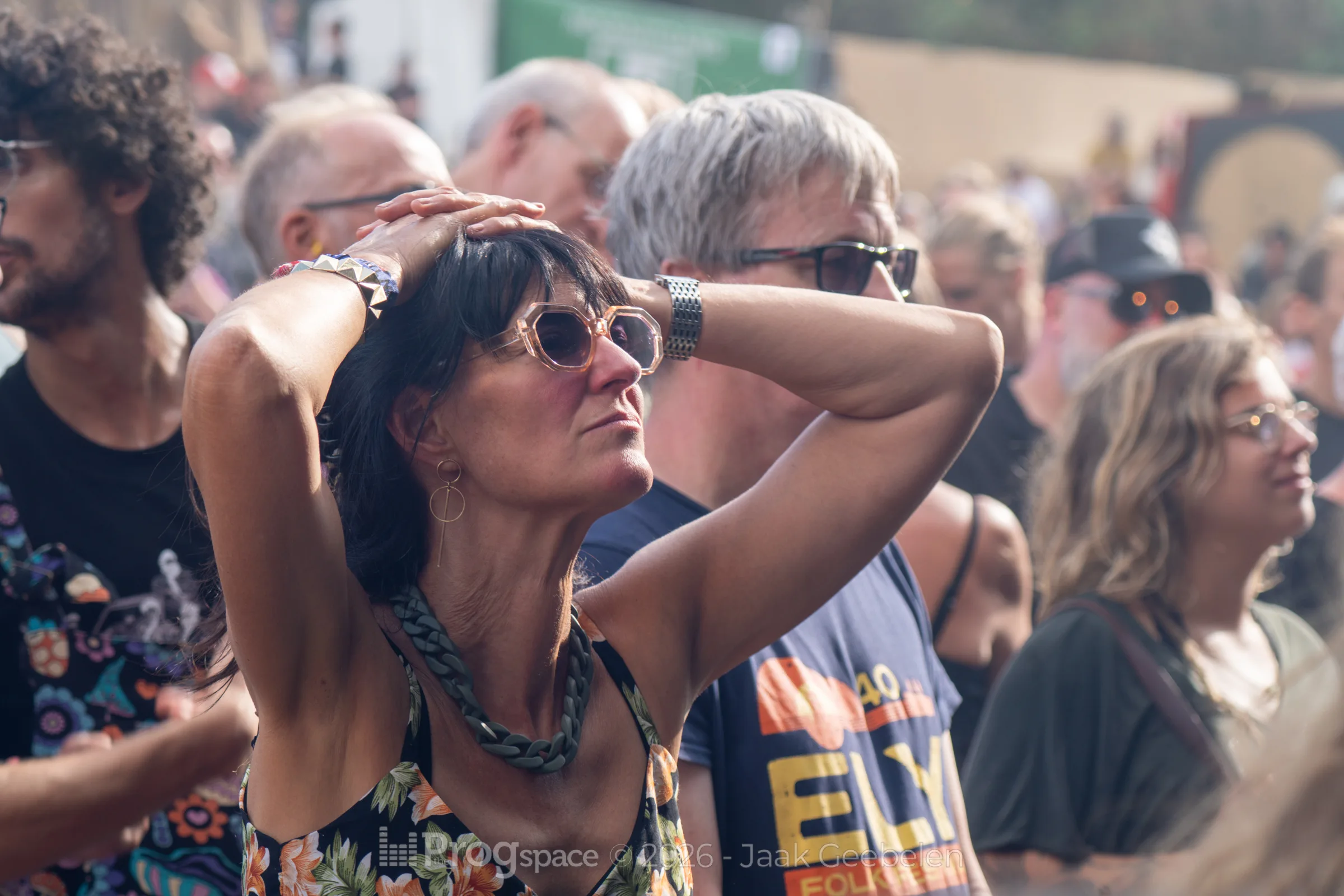
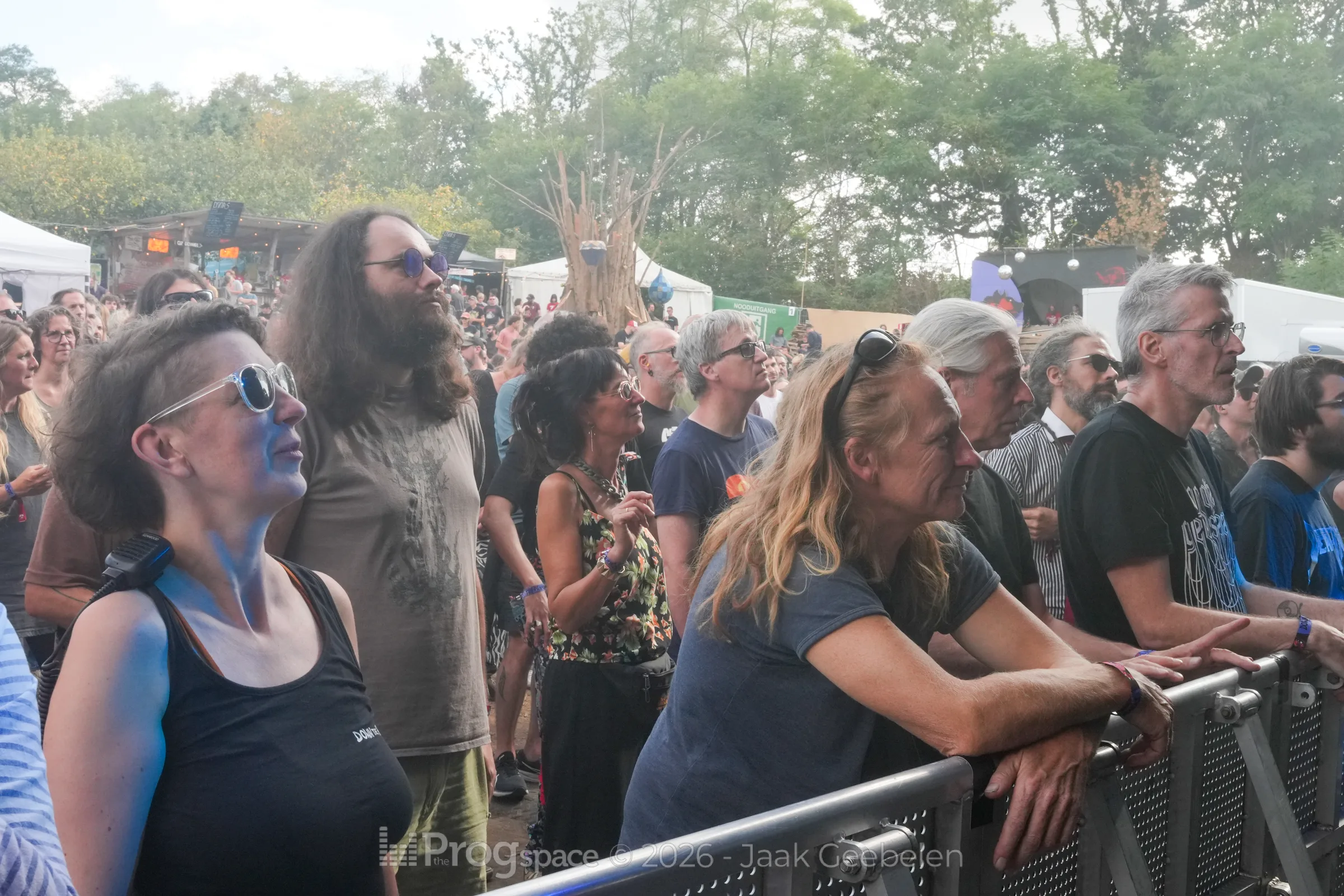
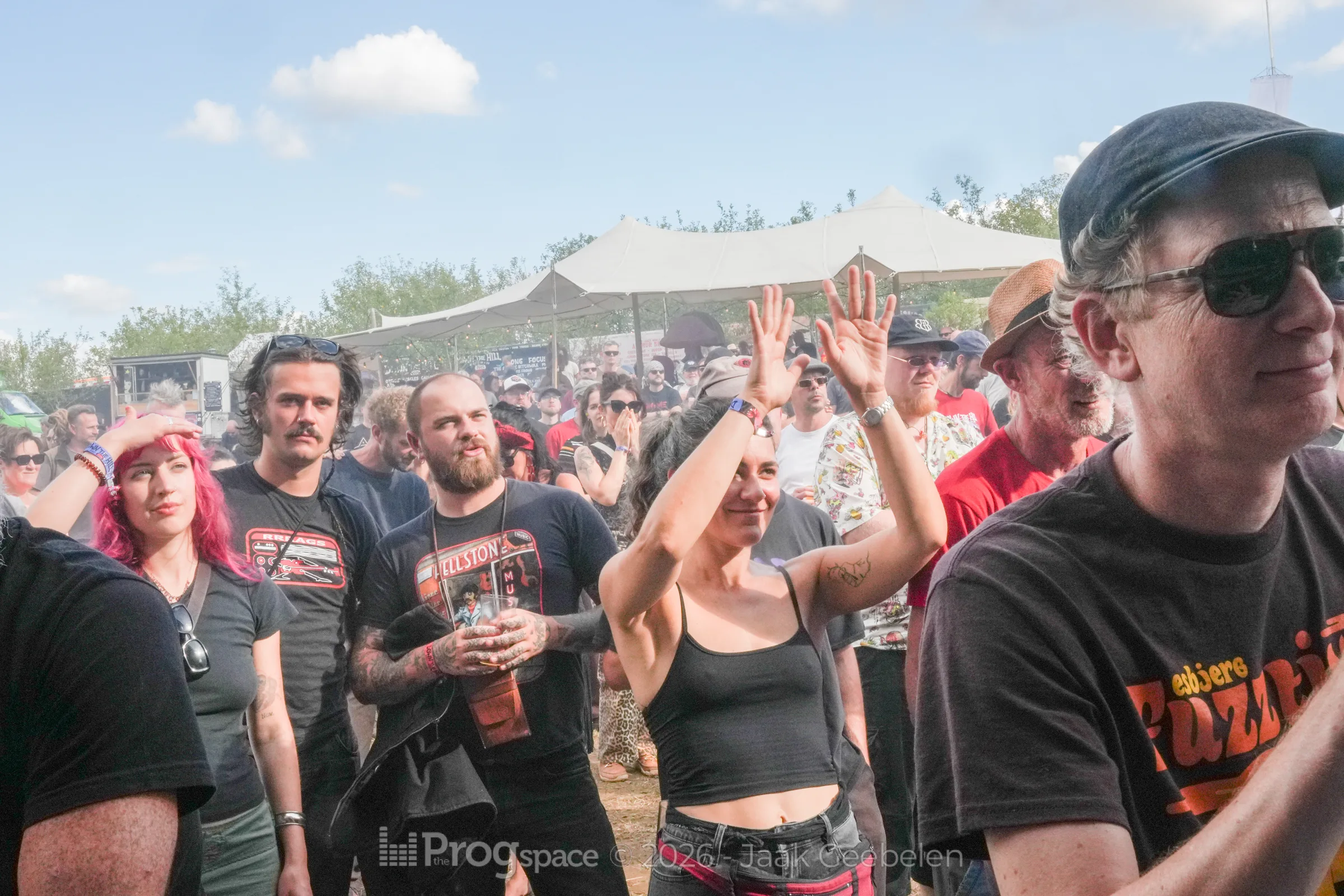
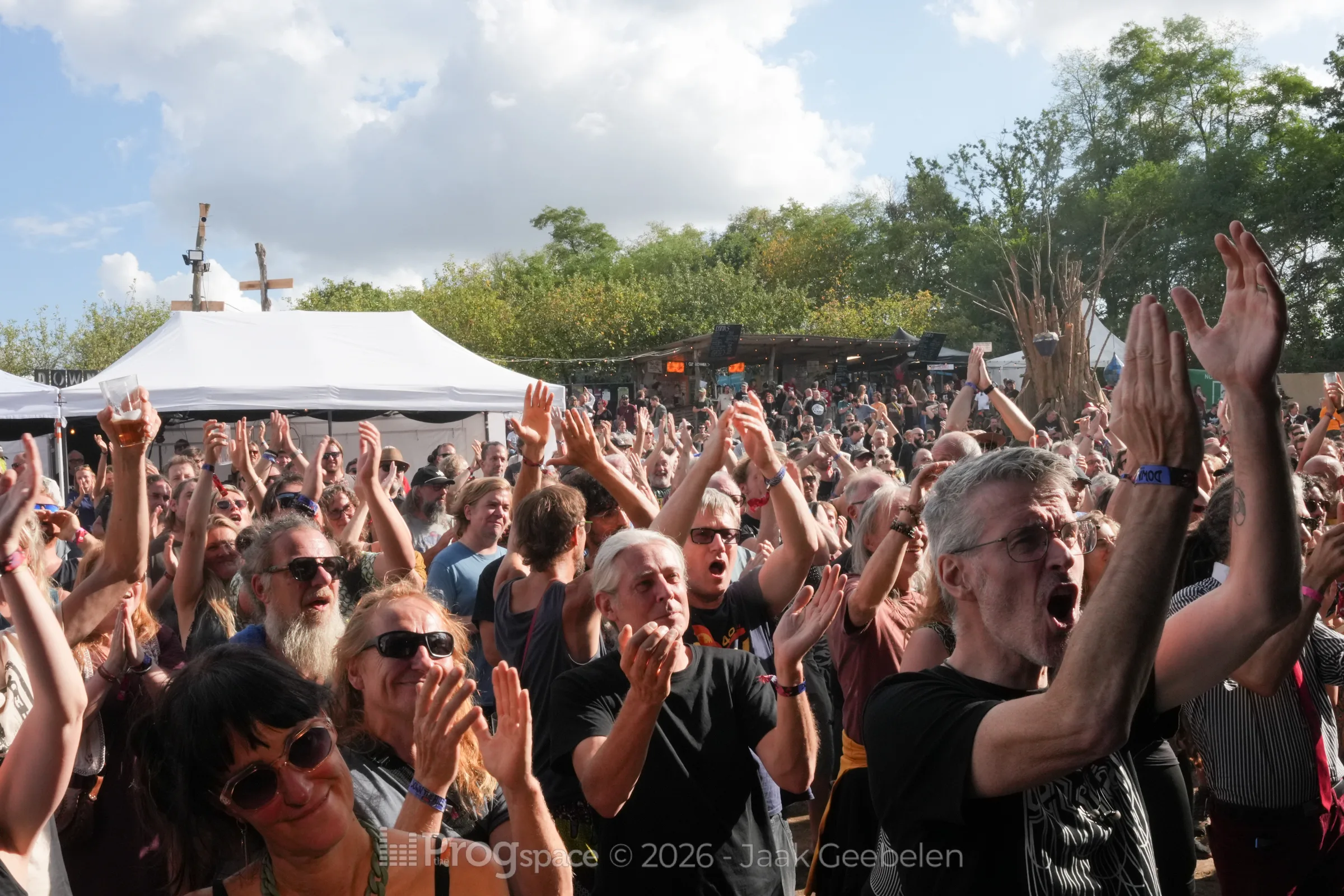
The crowd stood packed closely together and was visibly drawn into the music. What might on paper have looked like a jazz excursion within a psychedelic festival turned out to be quite the opposite in practice. People danced, clapped above their heads and responded with increasing enthusiasm as the set progressed. The applause at the end left little doubt: Black Flower had completely won over the festival crowd.
Perhaps that is ultimately the best way to understand the band. Black Flower makes music that is intellectually rich enough to analyse endlessly, but physical enough to make you forget about analysis altogether once the groove begins to turn.
At Down The Hill, that proved to be a particularly powerful combination.
Setlist
- Synesthetic
- Upwards
- Magma
- Violet Drift
- O Fogo
- Particles
- Bones
- Kinetic
Special thanks to Ela Williamson for her help and support.


 We’re a group of Prog-lovers who started a journey to share with you our thoughts about albums, concerts, tours and festivals, the photo galleries of the Prog concerts we visit, as well interviews with upcoming or established musicians or prog-related people. Follow our Facebook page for frequent updates and news around the Progniverse.