










Quidam – 35 Years of Musical History. Terminal Kultury Gocław, Warsaw, Poland – 13 October 2026
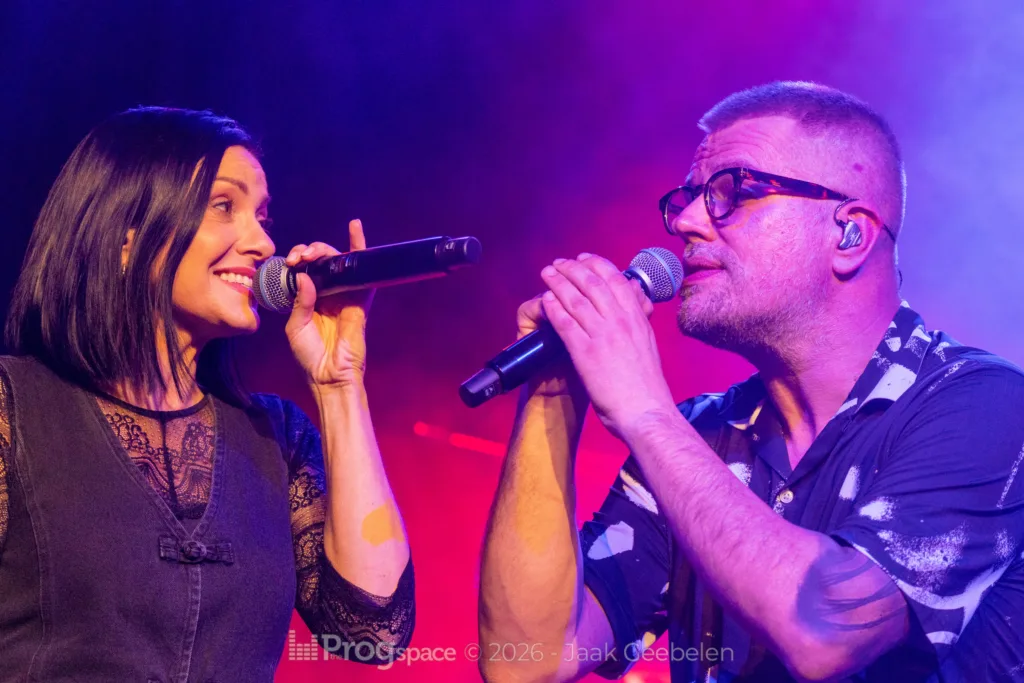
Quidam – 35 Years of Musical History in Warsaw
Last June, we caught Quidam at Midsummer Prog in Maastricht, where the Polish band once again captured our attention with a convincing performance. We published an extensive review of that concert on The Progspace. Barely four months later, we had another opportunity to see Quidam live, this time in Warsaw for a very special occasion: the band’s 35th anniversary.
Quidam’s story began in 1991 in Inowrocław, Poland, where guitarist Maciej Meller, bassist Radek Scholl and drummer Rafał Jermakow laid the foundations of a blues-rock band originally called Deep River. With the arrival of keyboardist Zbigniew Florek and flautist Ewa Smarzyńska, the music gradually developed in a more symphonic direction. Under the name Quidam, and with Emilia Derkowska as lead vocalist, the group became one of the leading representatives of Polish progressive rock.
Their self-titled debut album (1996), Sny Aniołów (1998) and Pod Niebem Czas (2002) defined the band’s first major era. Their music was characterised by extended melodic compositions, expressive guitar work, atmospheric keyboards and a distinctive role for the flute. Influences from Camel, Genesis and Pink Floyd were clearly recognisable, yet Quidam developed a sound of their own, combining symphonic rock with folk elements.
Following Emilia’s departure in 2003, the band entered a period of transition. With Bartosz Kossowicz taking over as lead vocalist and a renewed rhythm section, Quidam embarked on a second chapter. On surREvival (2005) and Alone Together (2007), progressive rock remained firmly at the heart of their music, although the sound had become more modern and occasionally heavier. With Saiko (2012), the emphasis shifted further towards accessible, song-oriented alternative rock. It was a musical evolution that did not appeal equally to all admirers of the band’s original symphonic style.
After 2014, however, Quidam gradually fell silent. Several members became involved in other projects, and the band increasingly faded into the background. Particularly interesting are the connections with two other prominent names in the Polish progressive rock scene.
Guitarist Maciej Meller joined Riverside as a touring guitarist in 2017, filling the position left vacant following the death of Piotr Grudziński. He became an official member in 2020. Outside Riverside, he also collaborated with Mariusz Duda and drummer Maciej Gołyźniak in the Meller/Gołyźniak/Duda project.
Bartosz Kossowicz, meanwhile, became the vocalist of Collage, one of the pioneering bands of Polish neo-progressive rock. With them, he recorded Over and Out (2022). The histories of the two bands had already been intertwined much earlier: several Collage musicians, including Wojciech Szadkowski, Mirosław Gil and Krzysztof Palczewski, contributed to Quidam’s debut album in 1996.
It created a rather unusual situation in which musicians from Quidam played important roles in other leading Polish progressive rock bands, while their own group remained largely inactive.
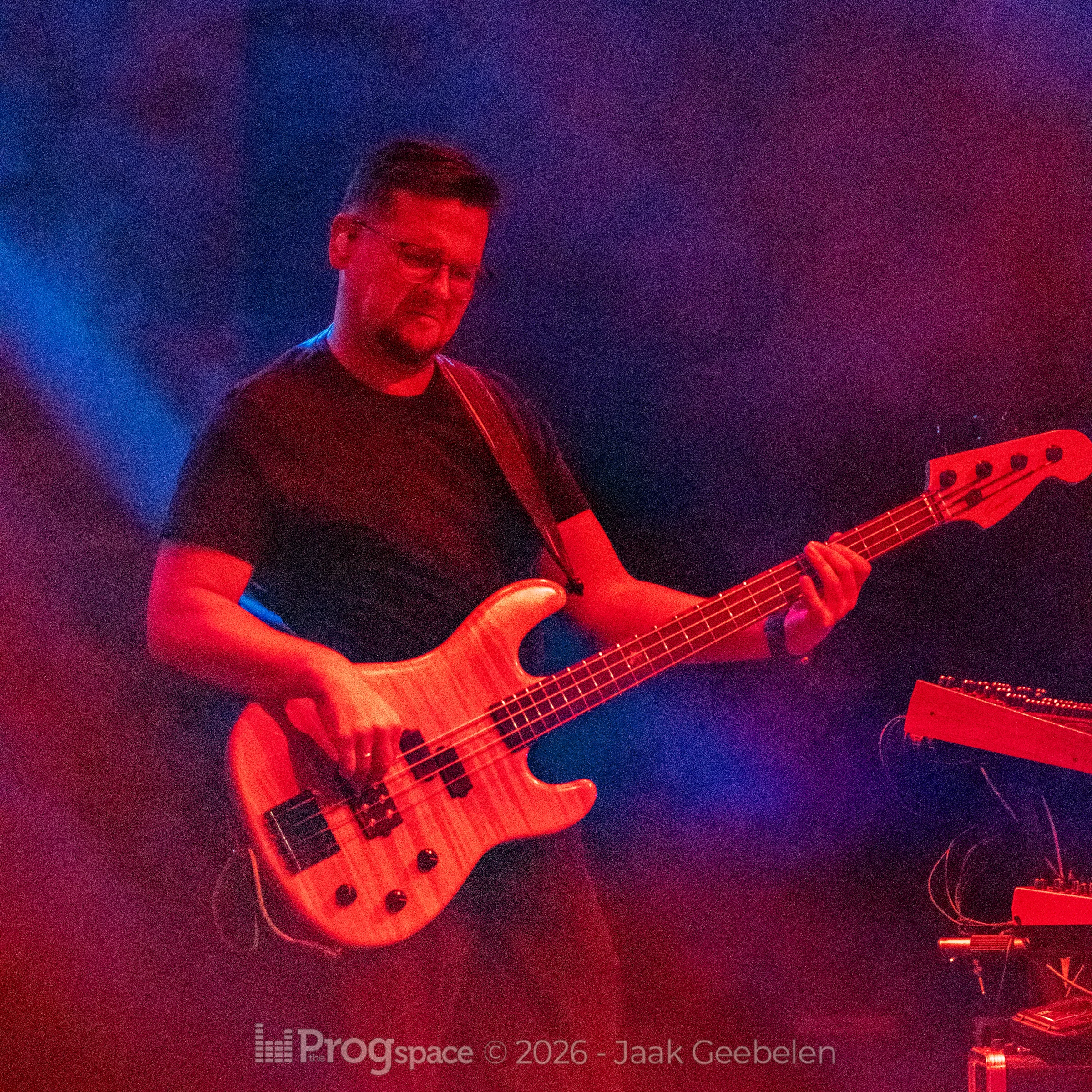
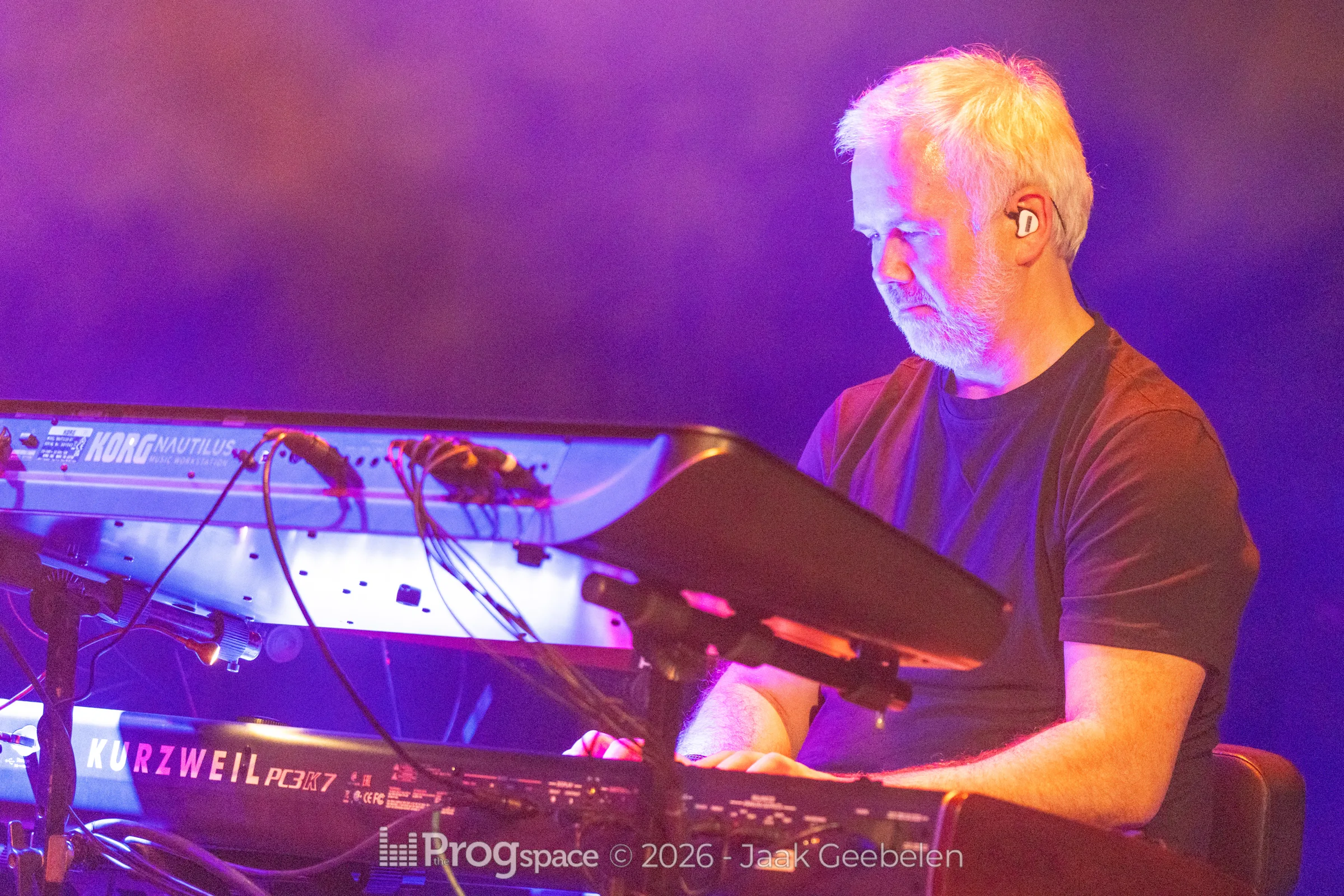
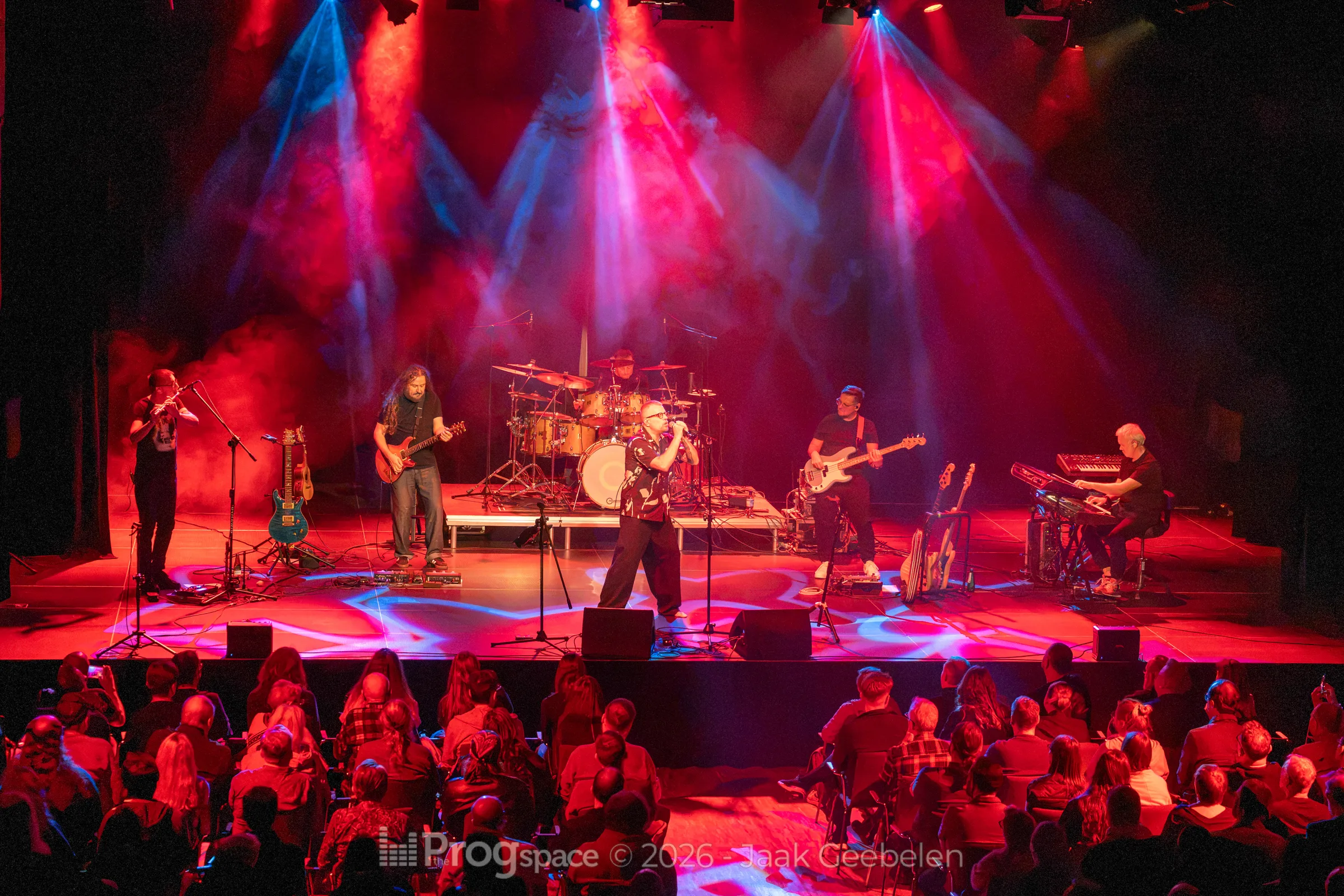
That changed in 2025, when Quidam returned to the stage with Maciej Meller, Zbigniew Florek, Jacek Zasada, Bartosz Kossowicz, bassist Mariusz Ziółkowski and drummer Maciej Wróblewski. Emilia Nazaruk, as the original singer is now known, also returned as a special guest. For the first time in many years, the band’s two major musical eras could be brought together.
To celebrate their 35th anniversary, Quidam embarked on a six-date Polish tour in October 2026. Alongside Emilia Nazaruk, they invited another special guest: Colin Bass, best known for his work with Camel and closely associated with Quidam since the late 1990s. Following performances in Kamienna Góra on 11 October and Kraków on 12 October, Warsaw became the third stop on 13 October. Łódź and Gdańsk were to follow, before the tour concluded in Inowrocław, the band’s hometown, on 16 October.
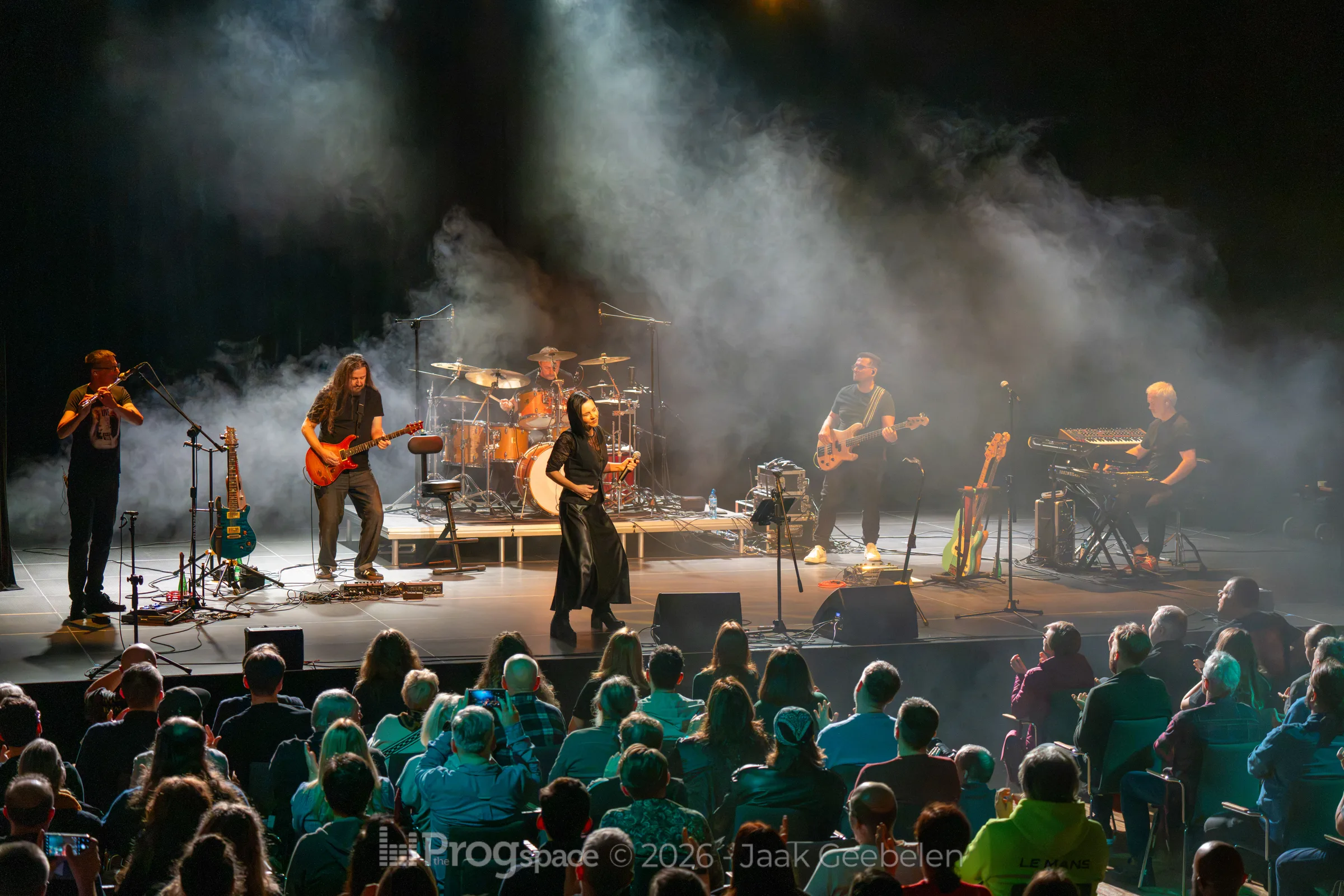
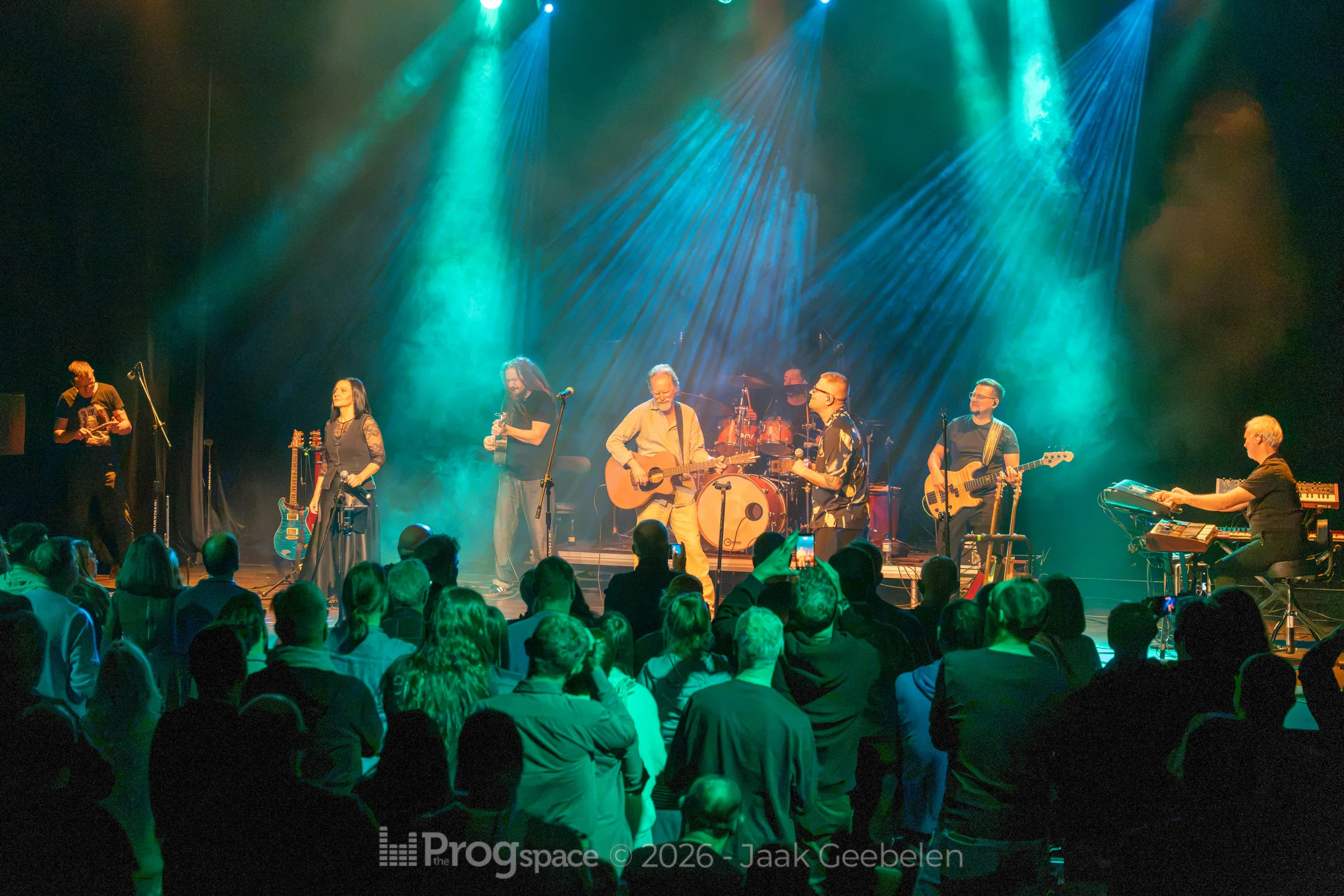
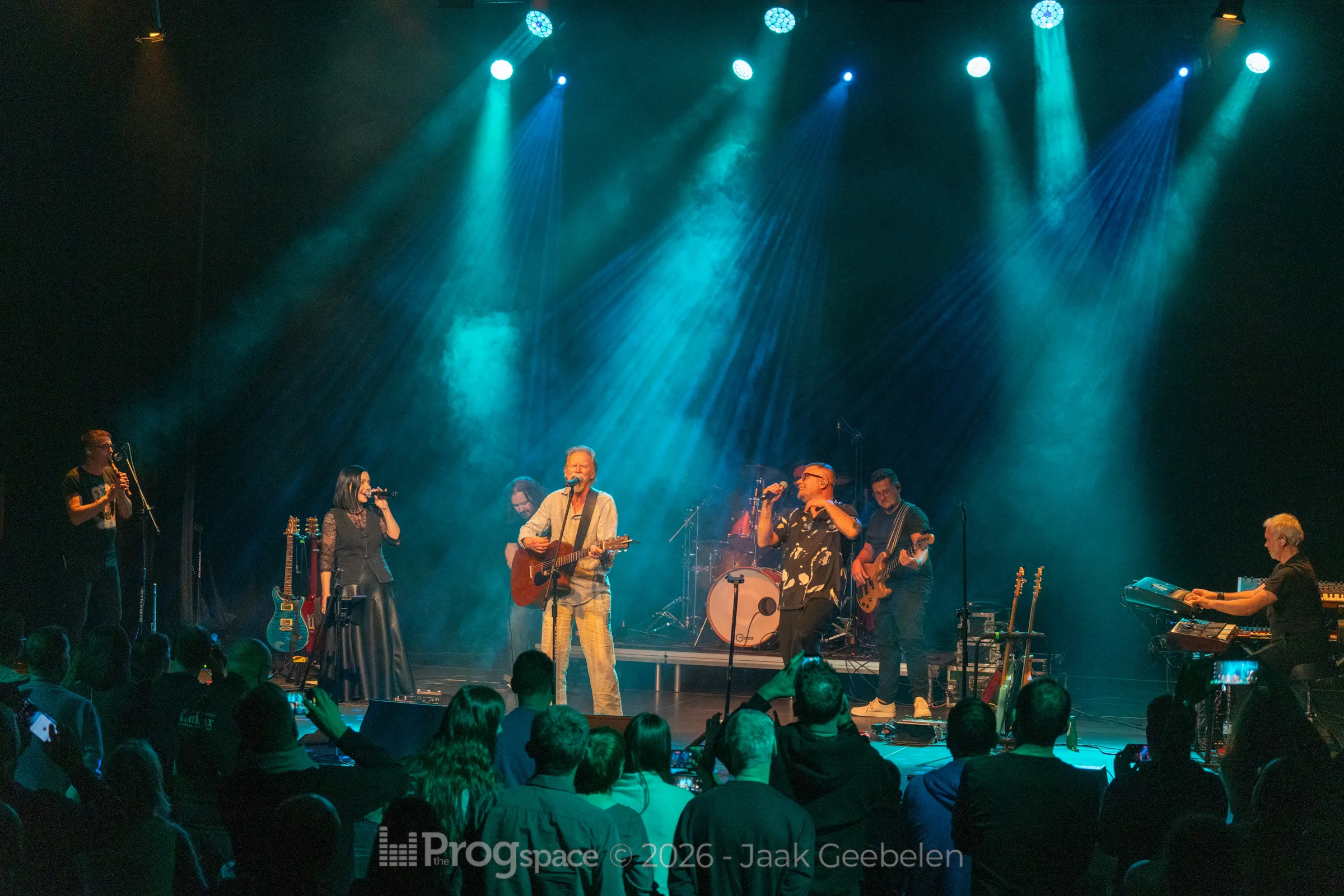
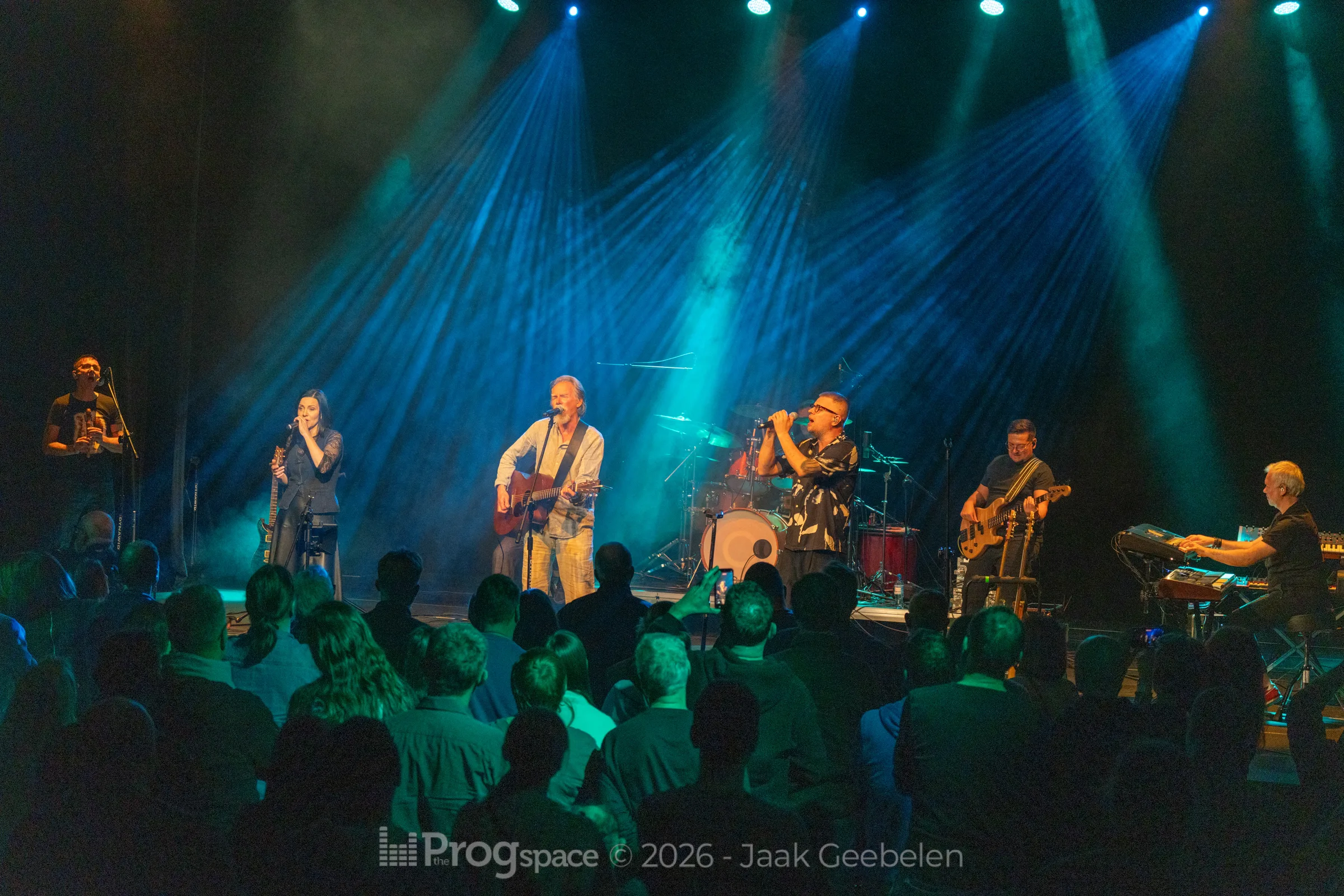
The concert took place at Terminal Kultury Gocław, a modern, relatively intimate venue. The audience was treated to an extensive programme covering the different musical periods of Quidam’s history. Over approximately two and a half hours, the band would revisit their own repertoire while also celebrating their longstanding musical friendship with Colin Bass.
Before the musicians appeared on stage, a prerecorded message thanked the audience for their loyalty over the years, emphasising that this anniversary would not have been possible without their support. It ended with the promise that the band would be playing exclusively for them that evening.
And so the musical journey through 35 years of Quidam began.
Chapter 1 – Emilia Nazaruk: Returning to the Symphonic Roots
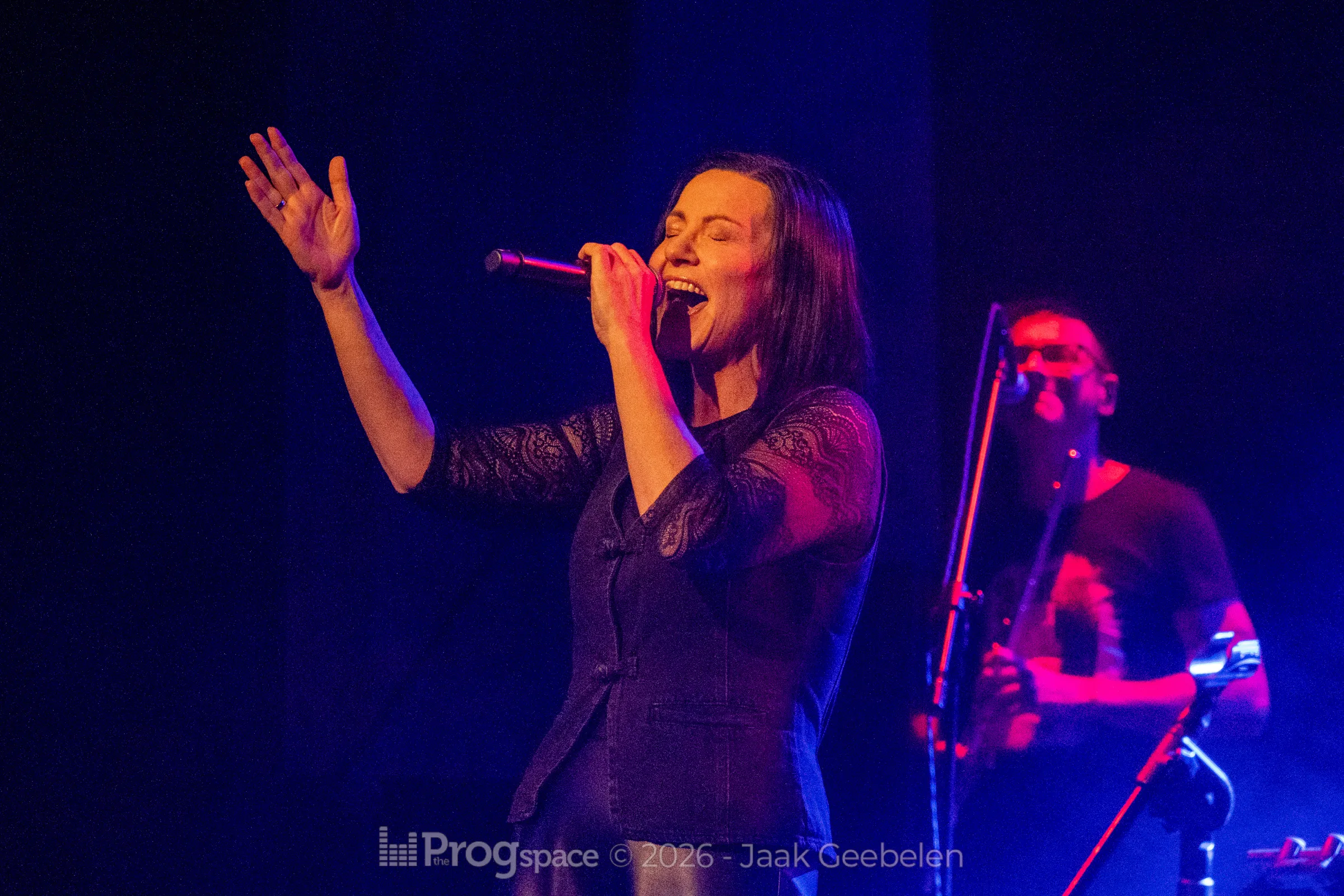
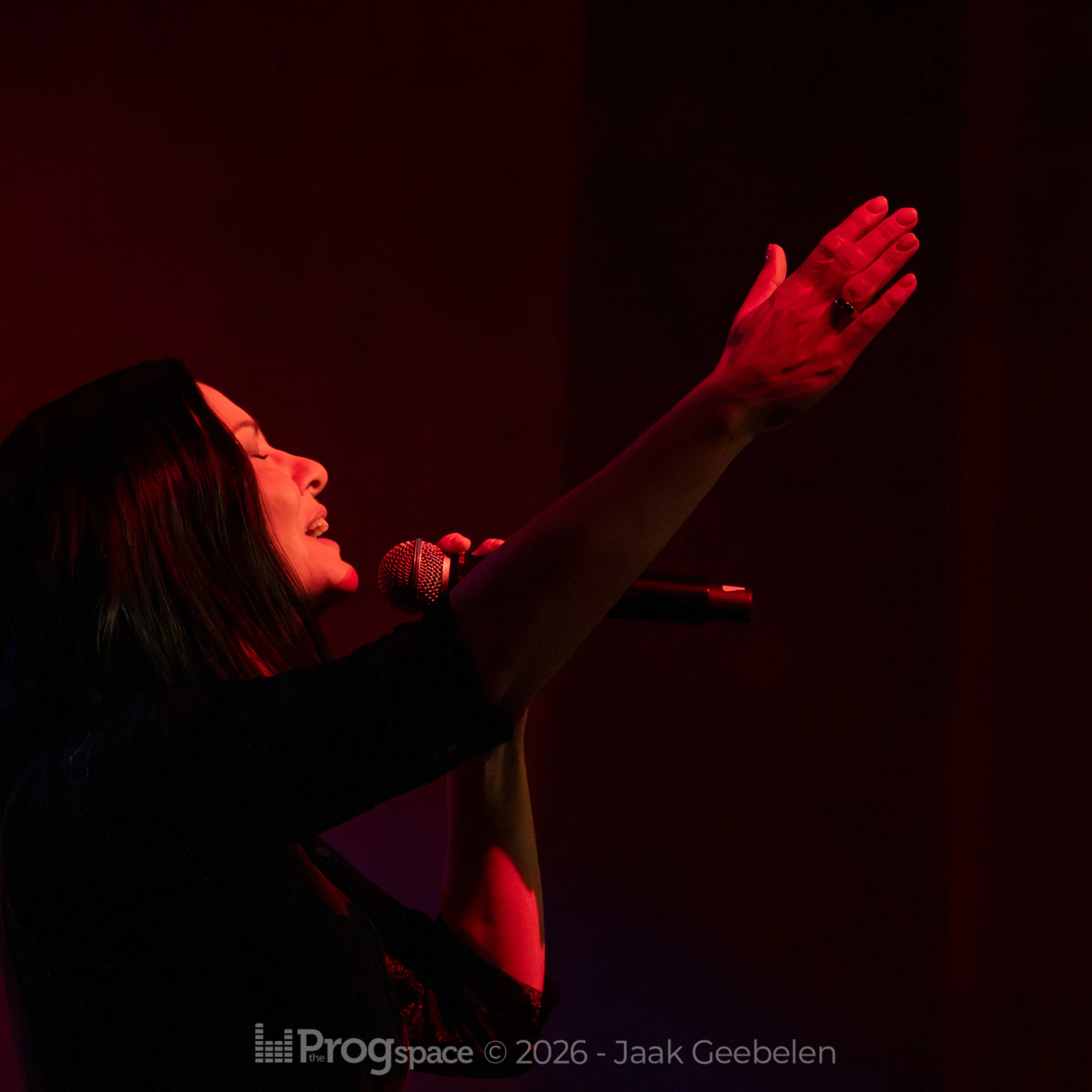
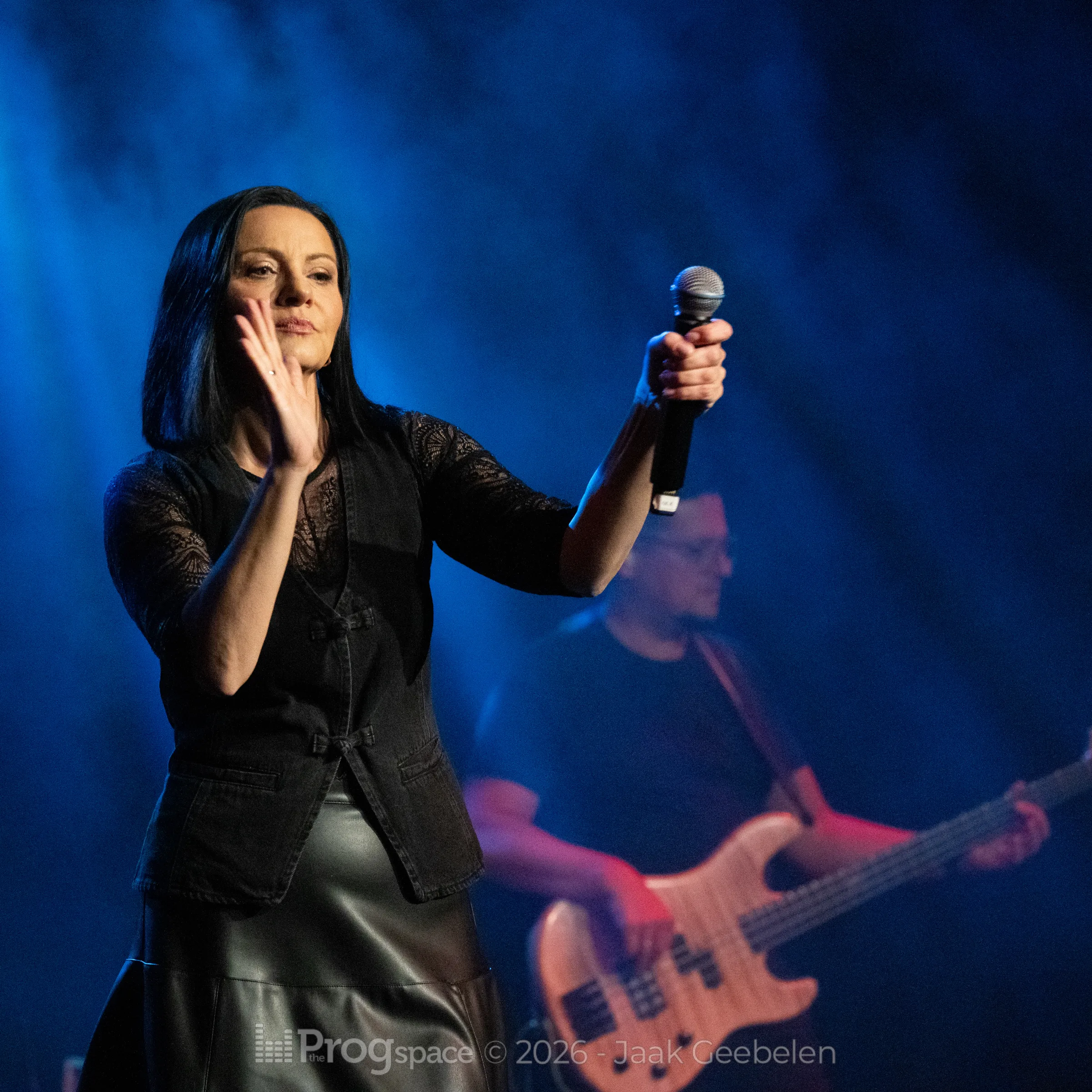
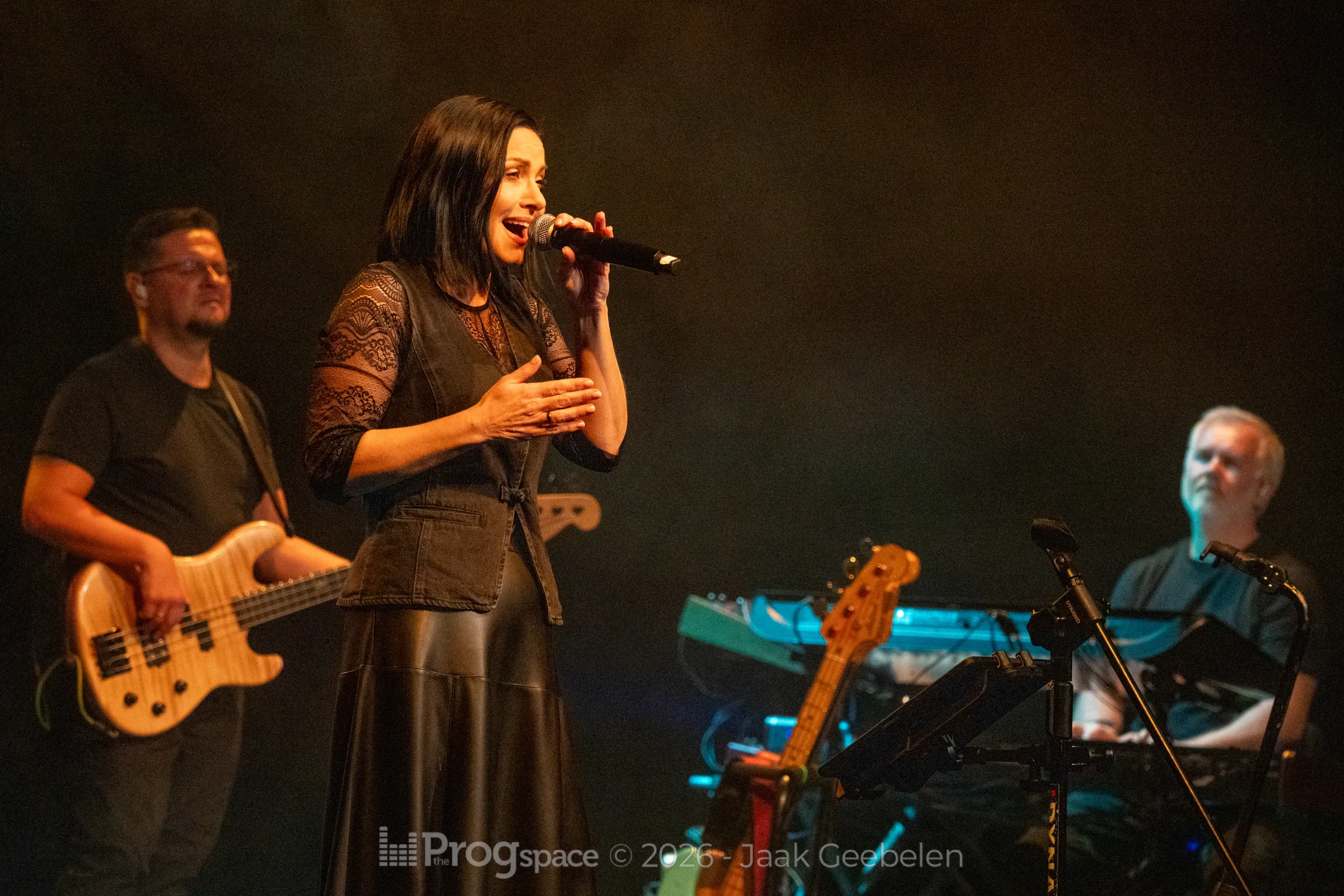
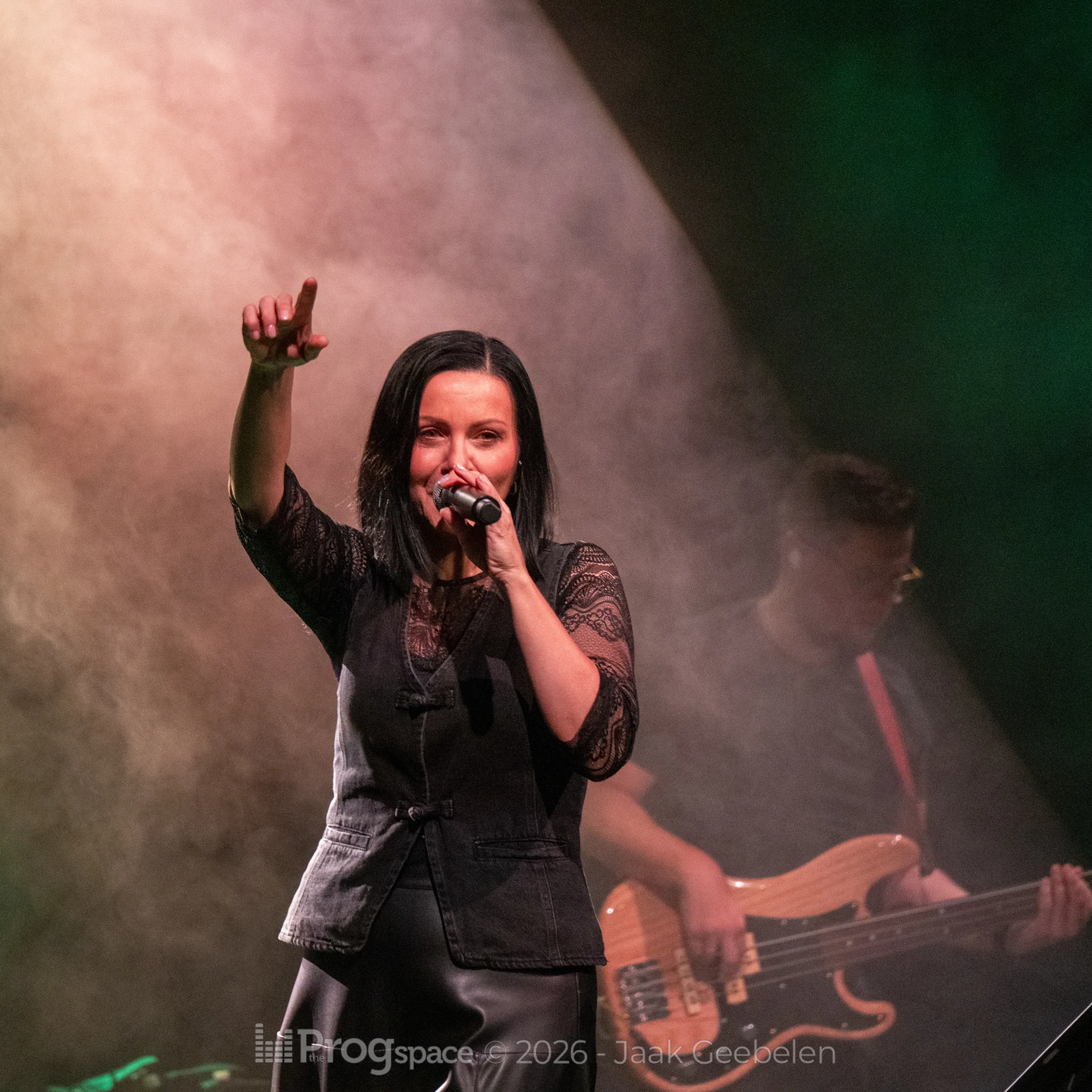
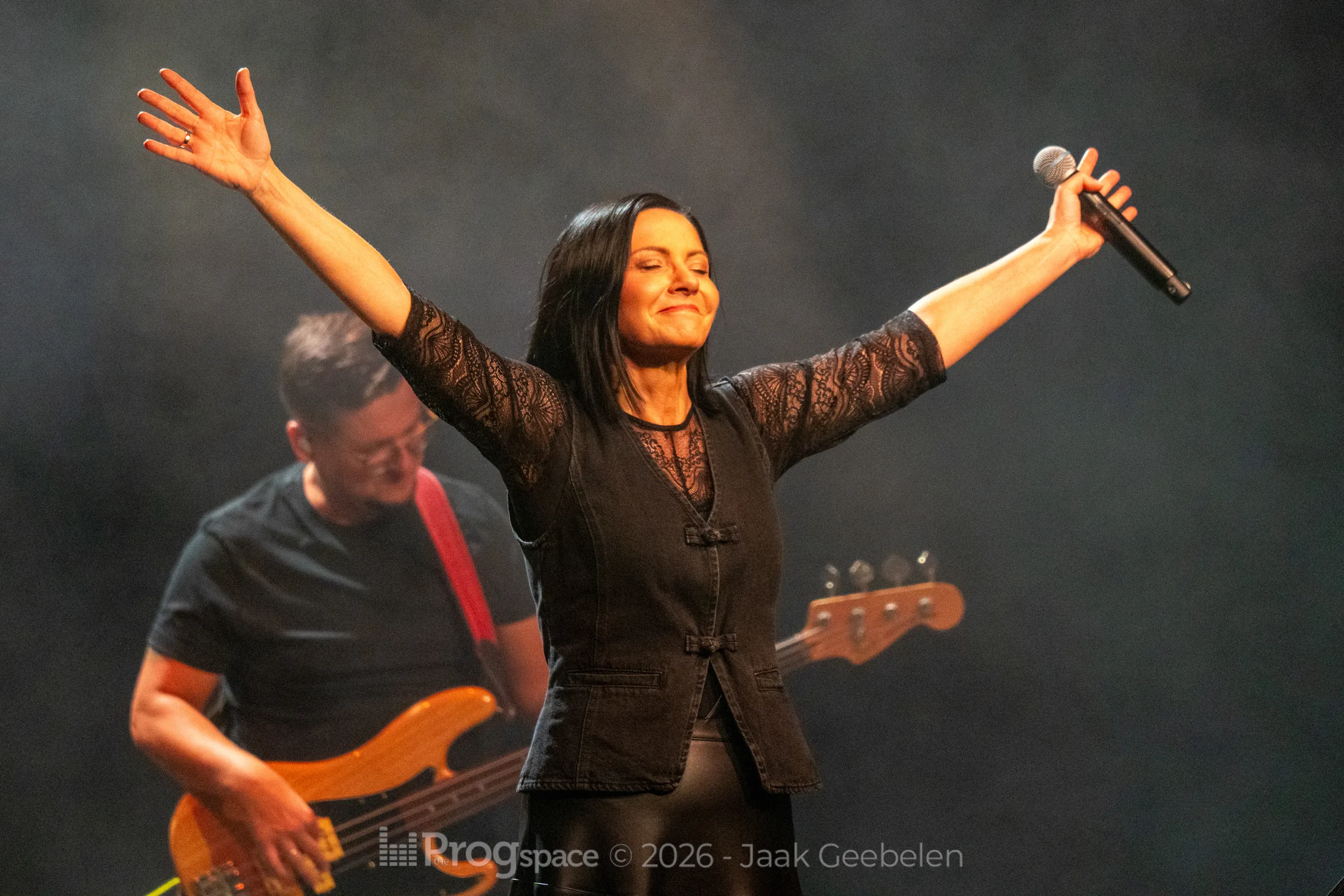
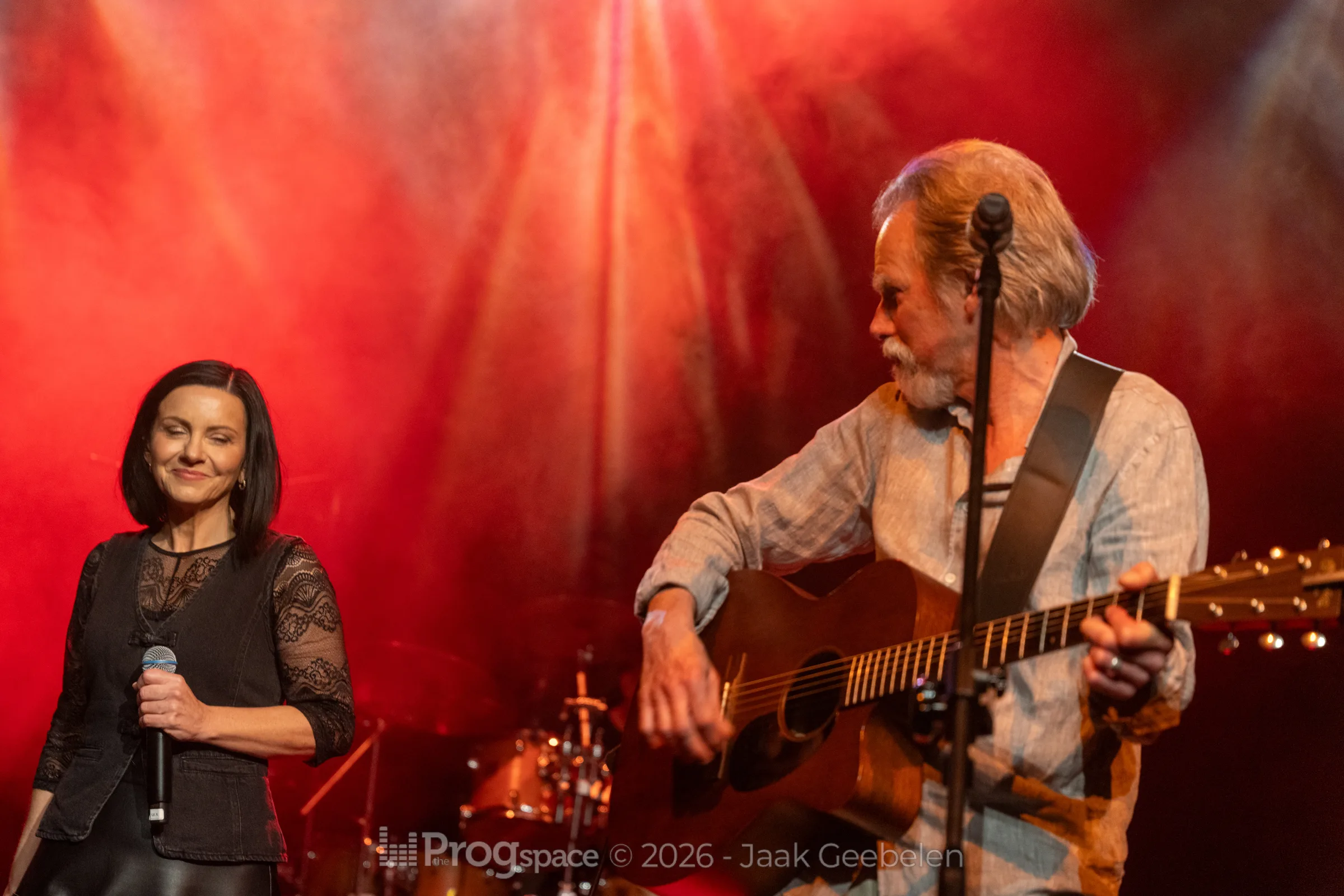
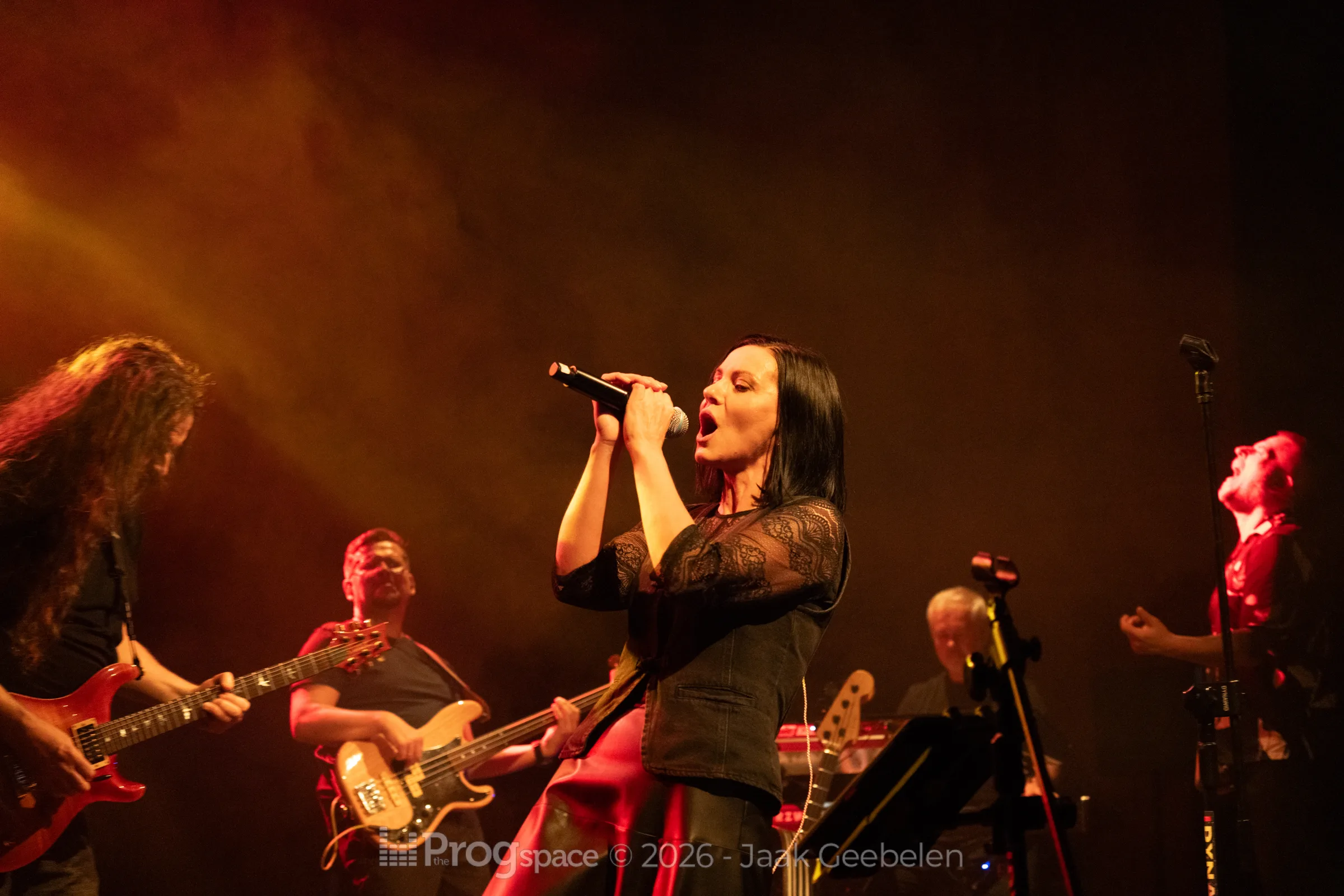
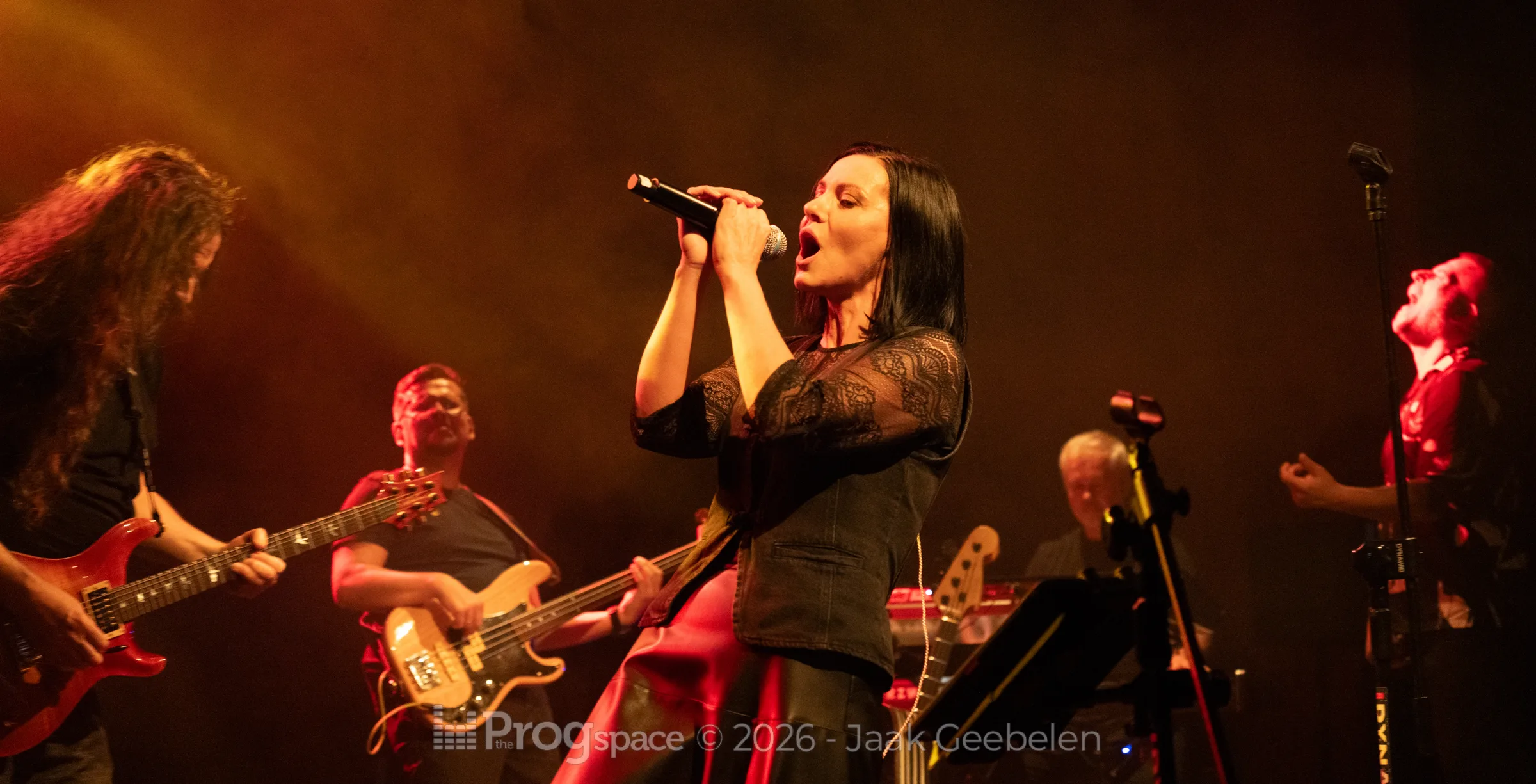
The evening opened with the return of Emilia Nazaruk, formerly known as Emilia Derkowska. More than twenty years after leaving Quidam, the band’s original vocalist was once again in the spotlight, ready to revisit an important chapter of its history alongside her former musical companions.
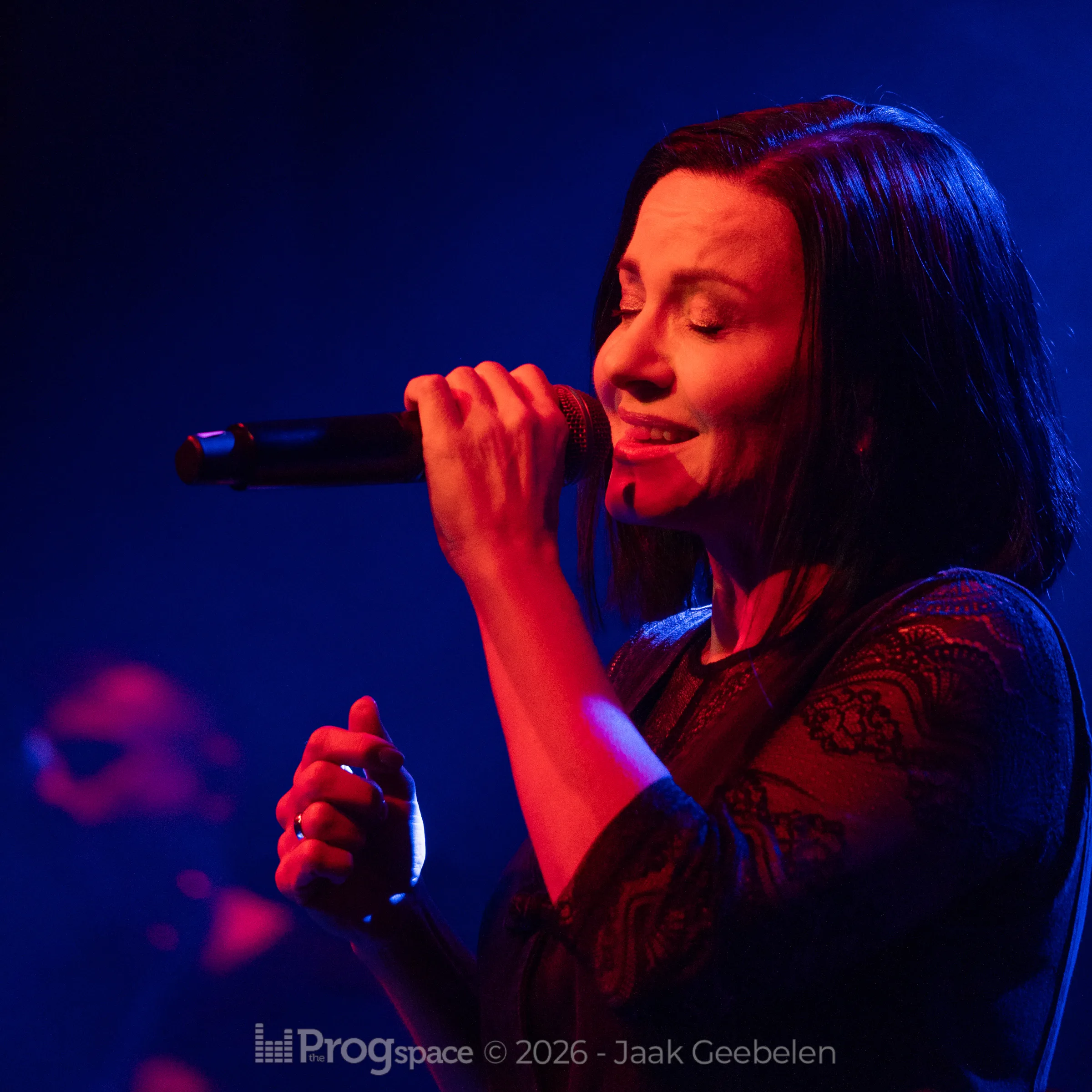
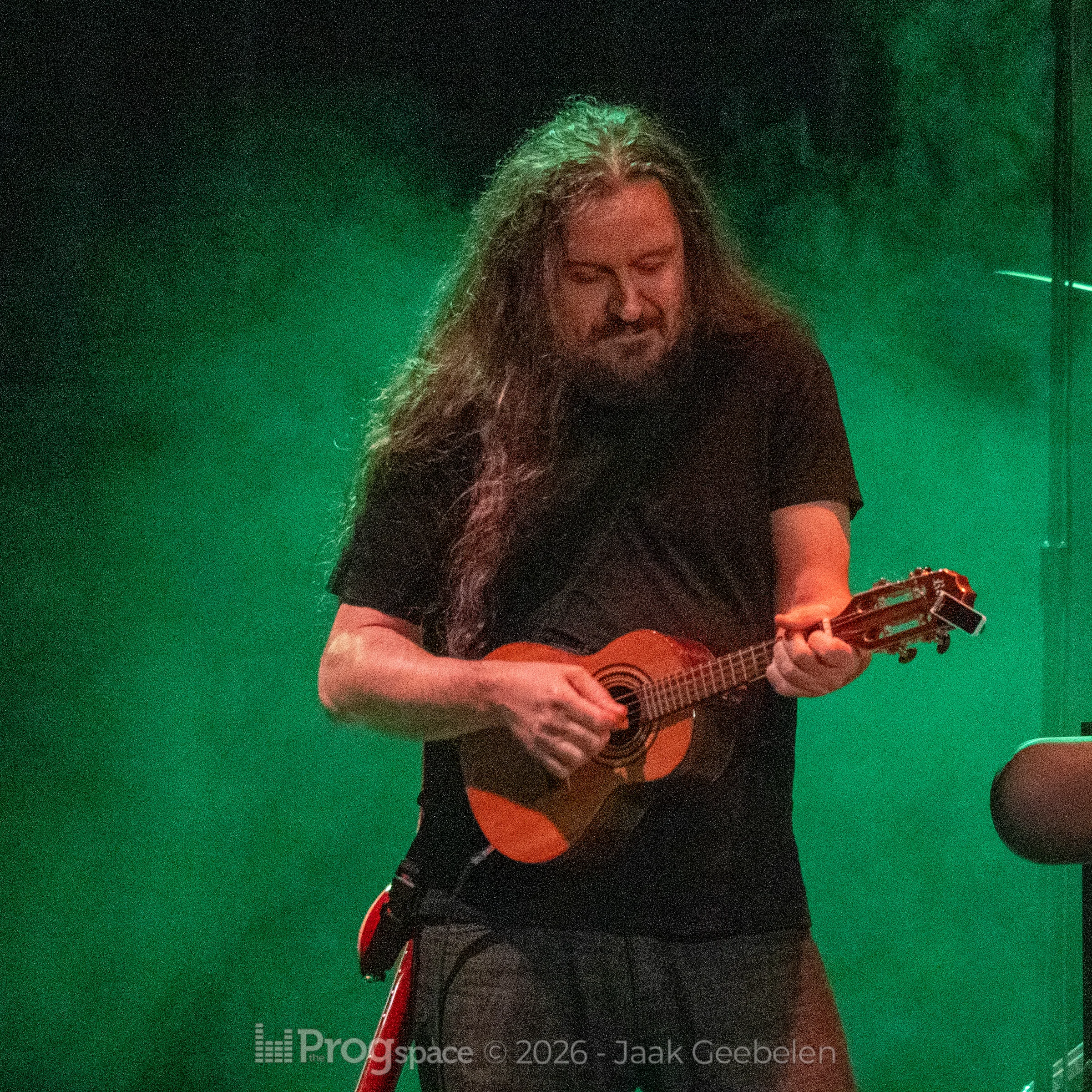
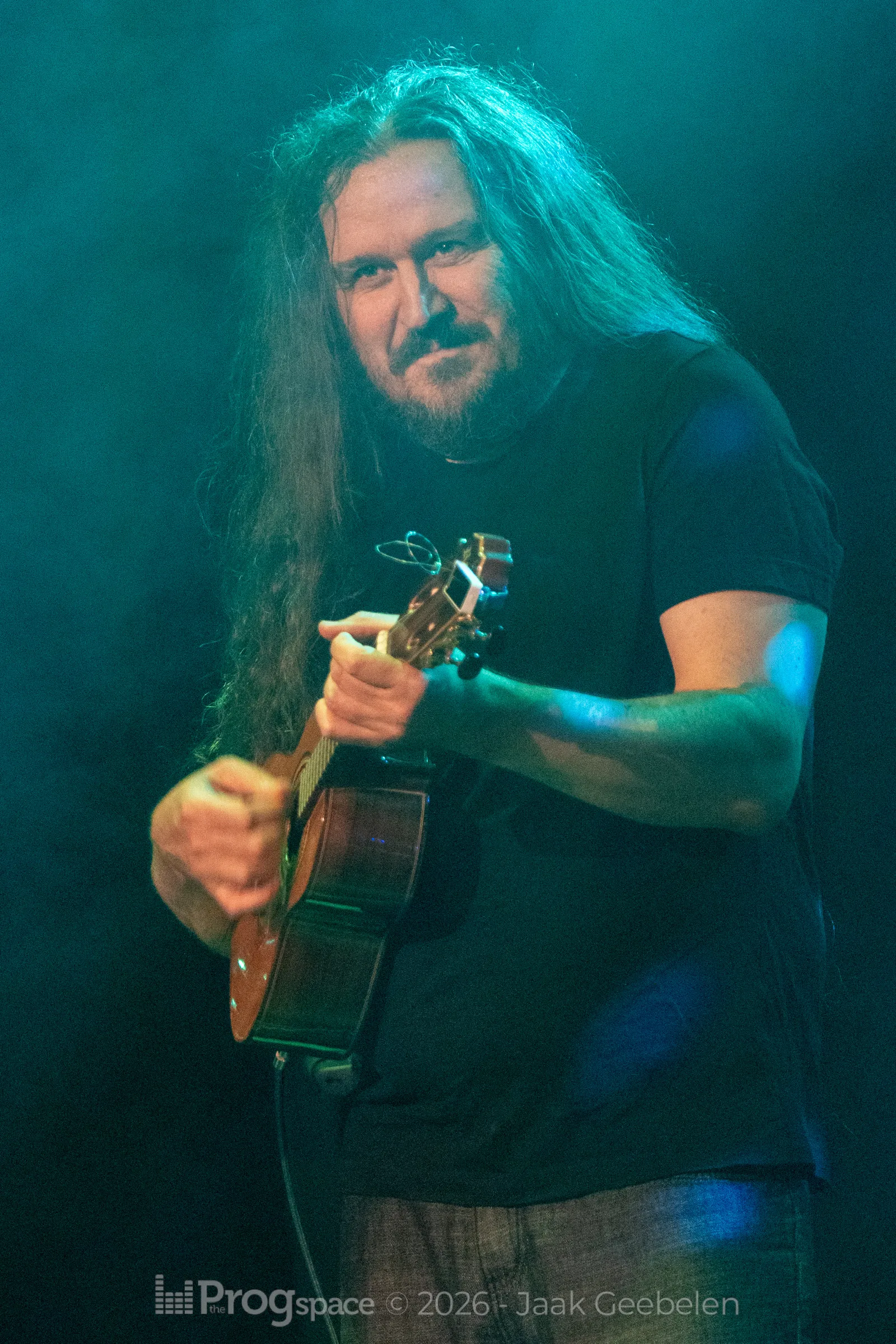
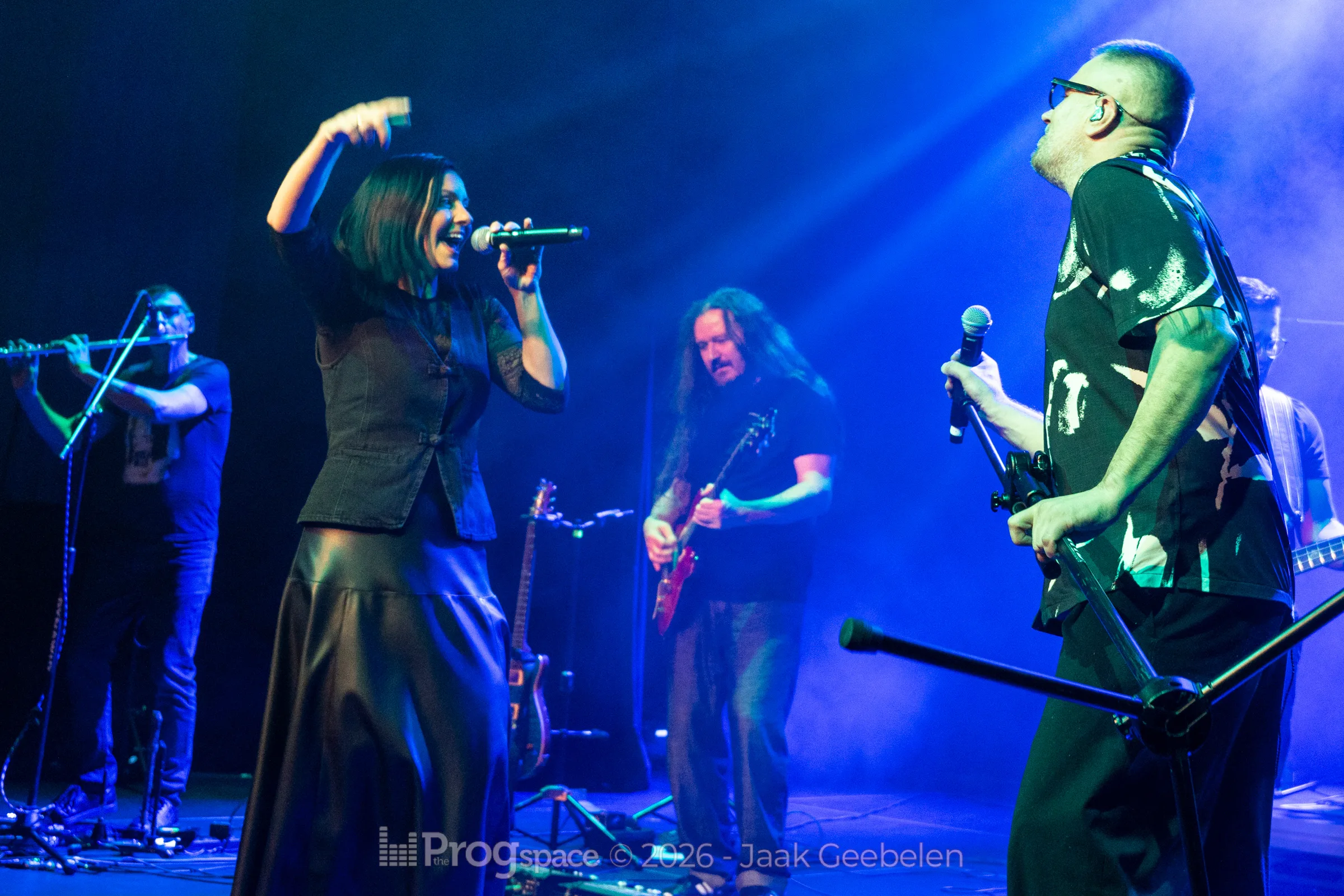
Quidam immediately chose a fan favourite: Sanktuarium, from their self-titled debut album (1996). The song took us straight back to the symphonic progressive rock that established the band’s reputation in the 1990s. Emilia’s expressive vocals, Maciej Meller’s melodic guitar playing and Jacek Zasada’s characteristic flute created that familiar Quidam sound.
A particularly memorable moment was the inclusion of the famous guitar solo from Genesis’ Firth of Fifth, originally performed by Steve Hackett. This unmistakable musical quotation, woven into Sanktuarium, was a fitting tribute to the British symphonic rock tradition that had influenced Quidam so profoundly.
After the opening number, Emilia addressed the audience. She spoke about how emotional it was for the musicians to return to music that was sometimes already three decades old. She invited everyone to join the band on a sentimental journey through their musical past.
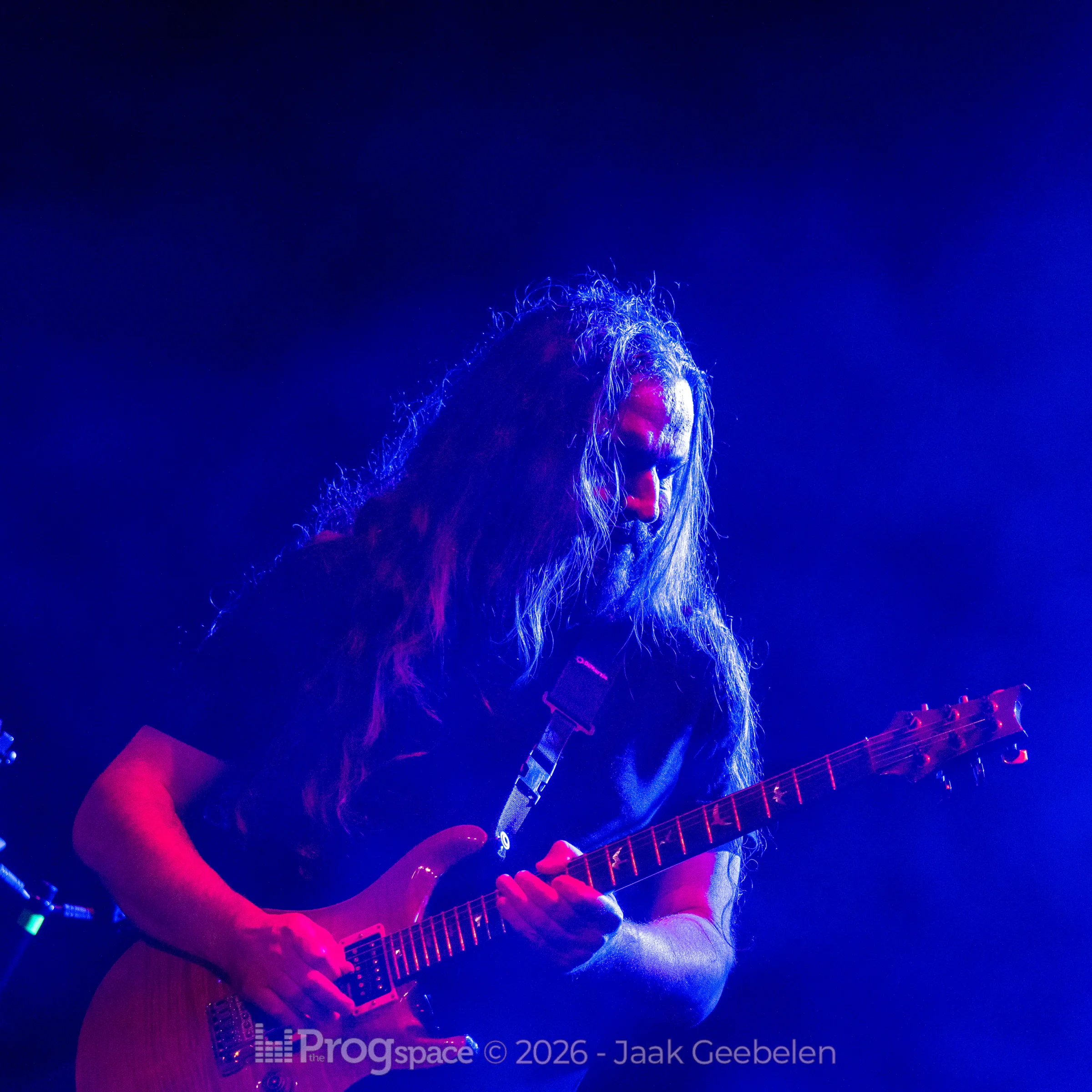
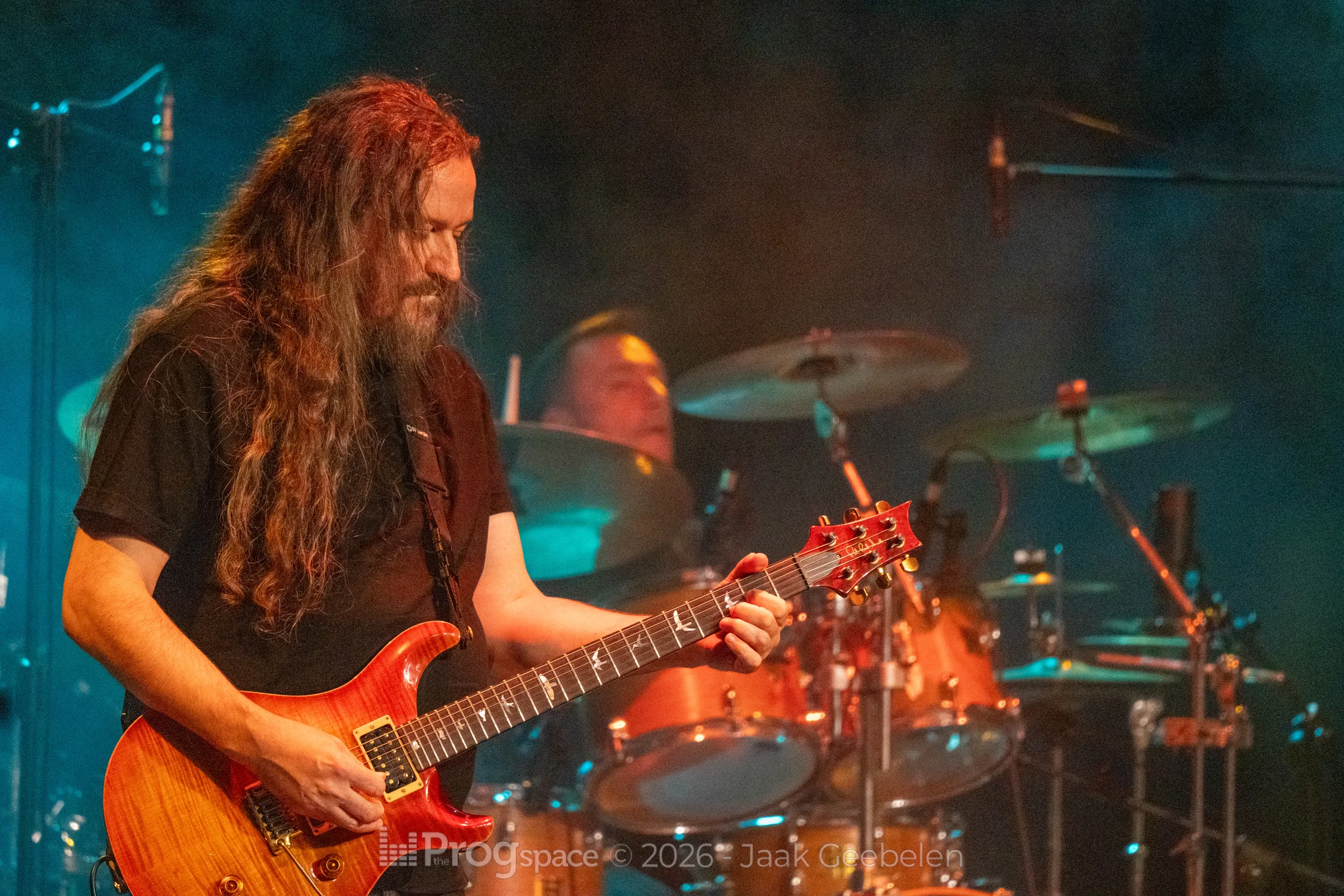
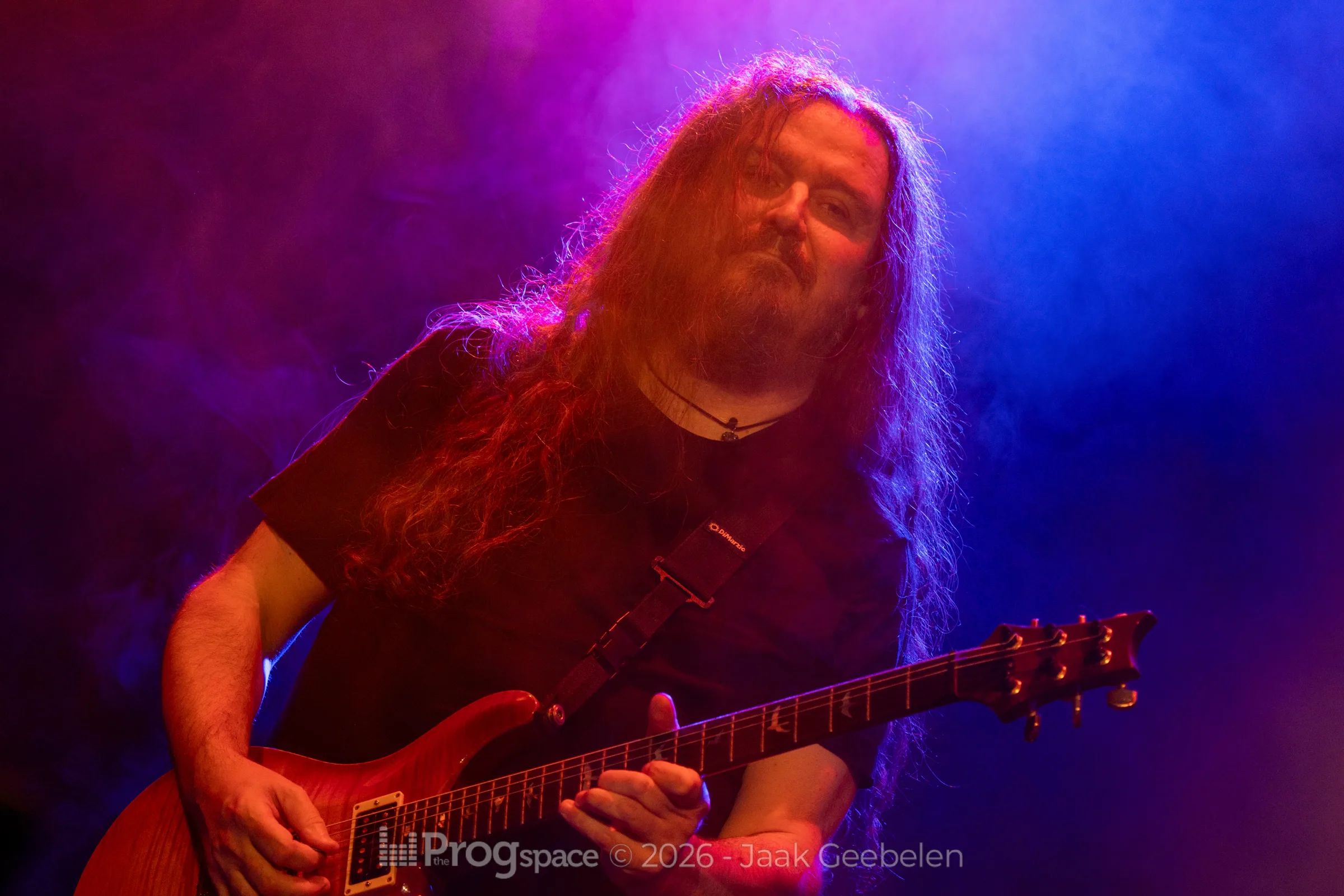
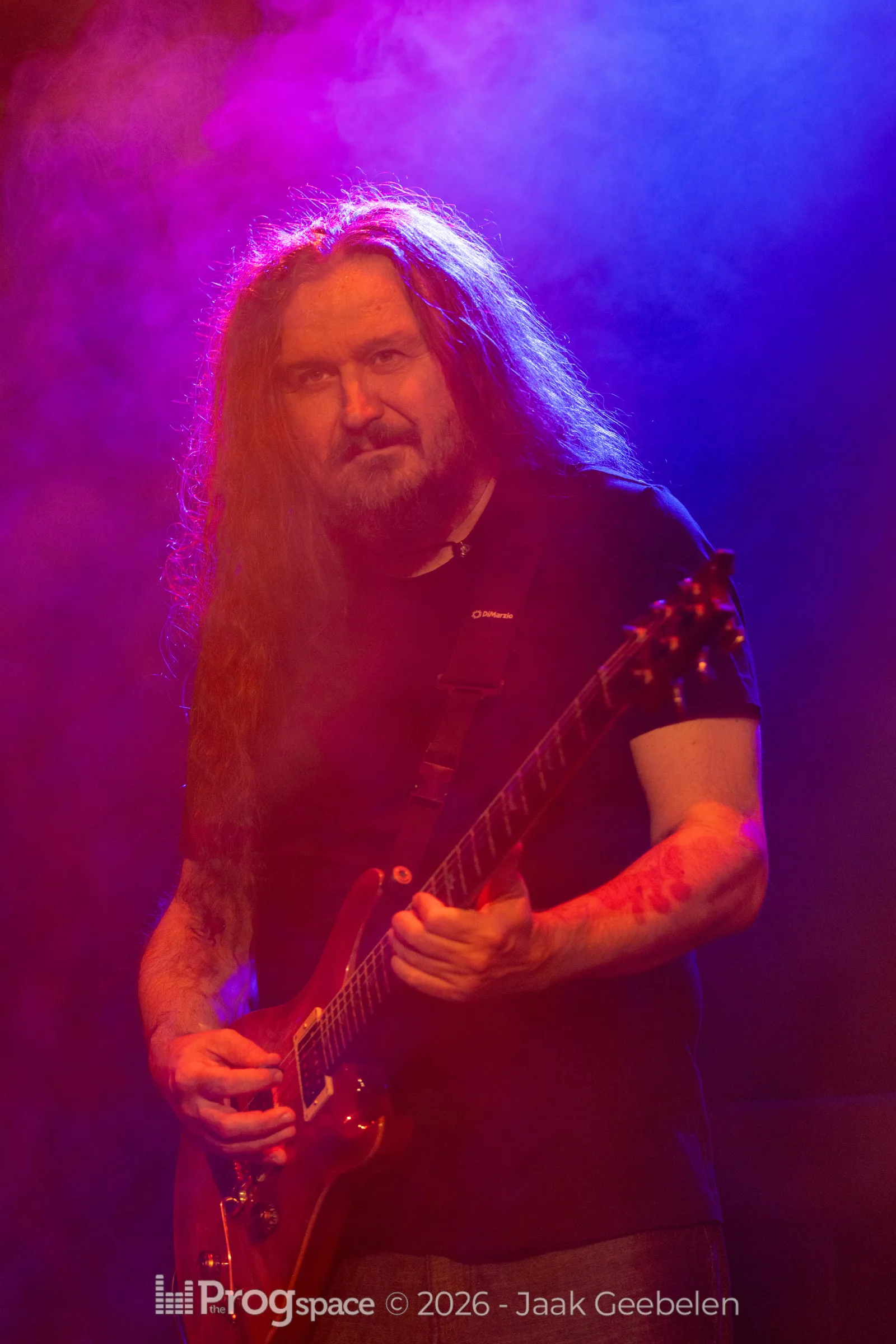
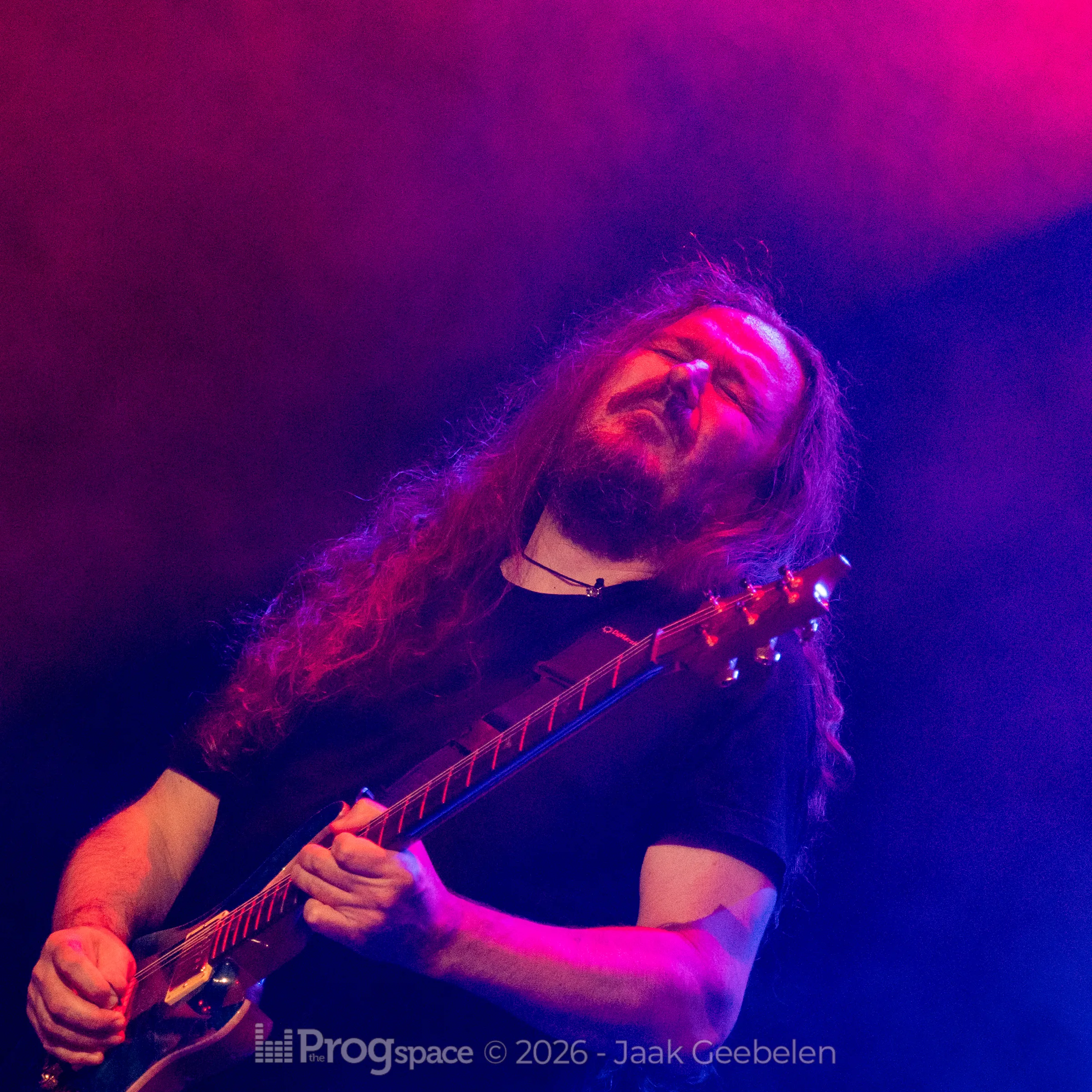
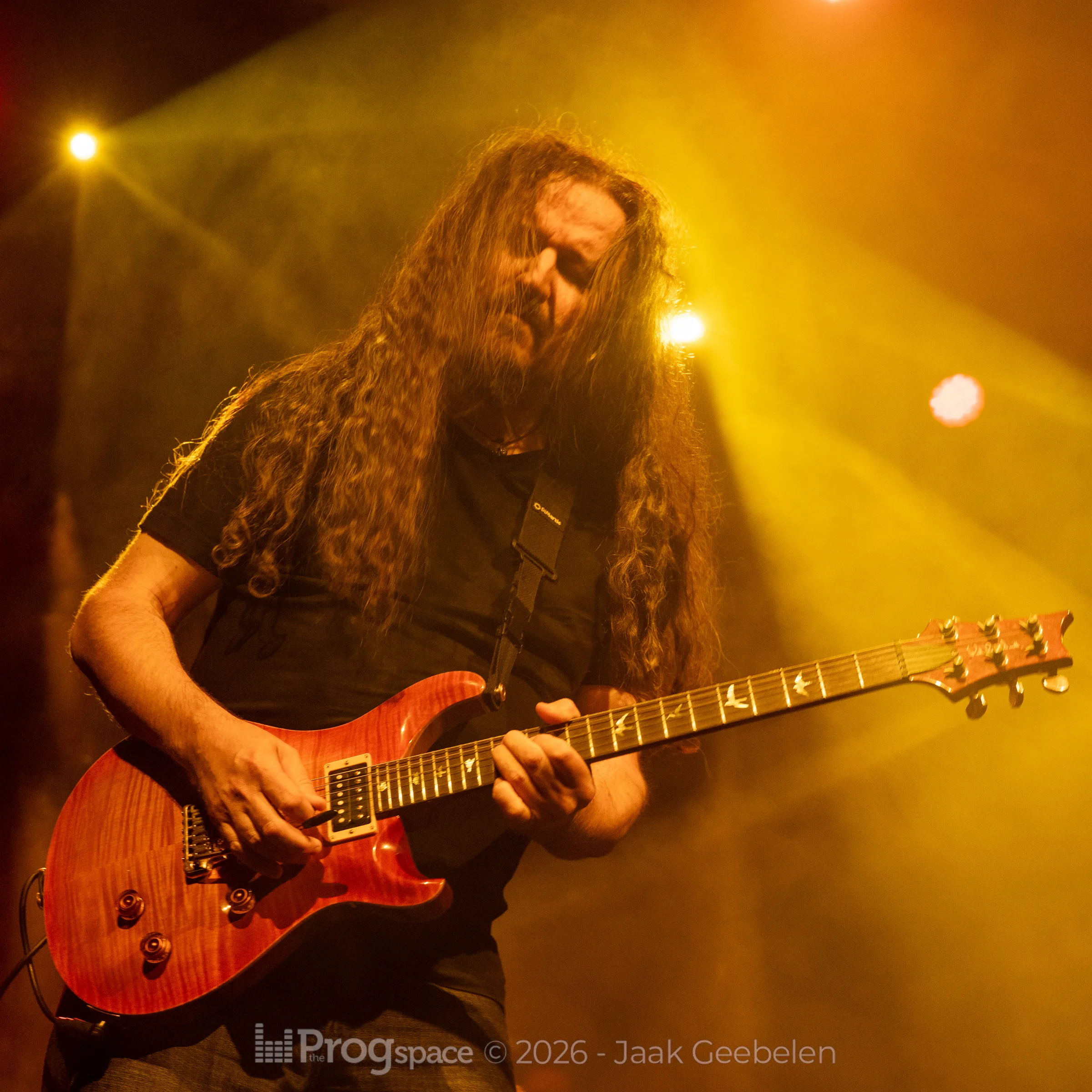
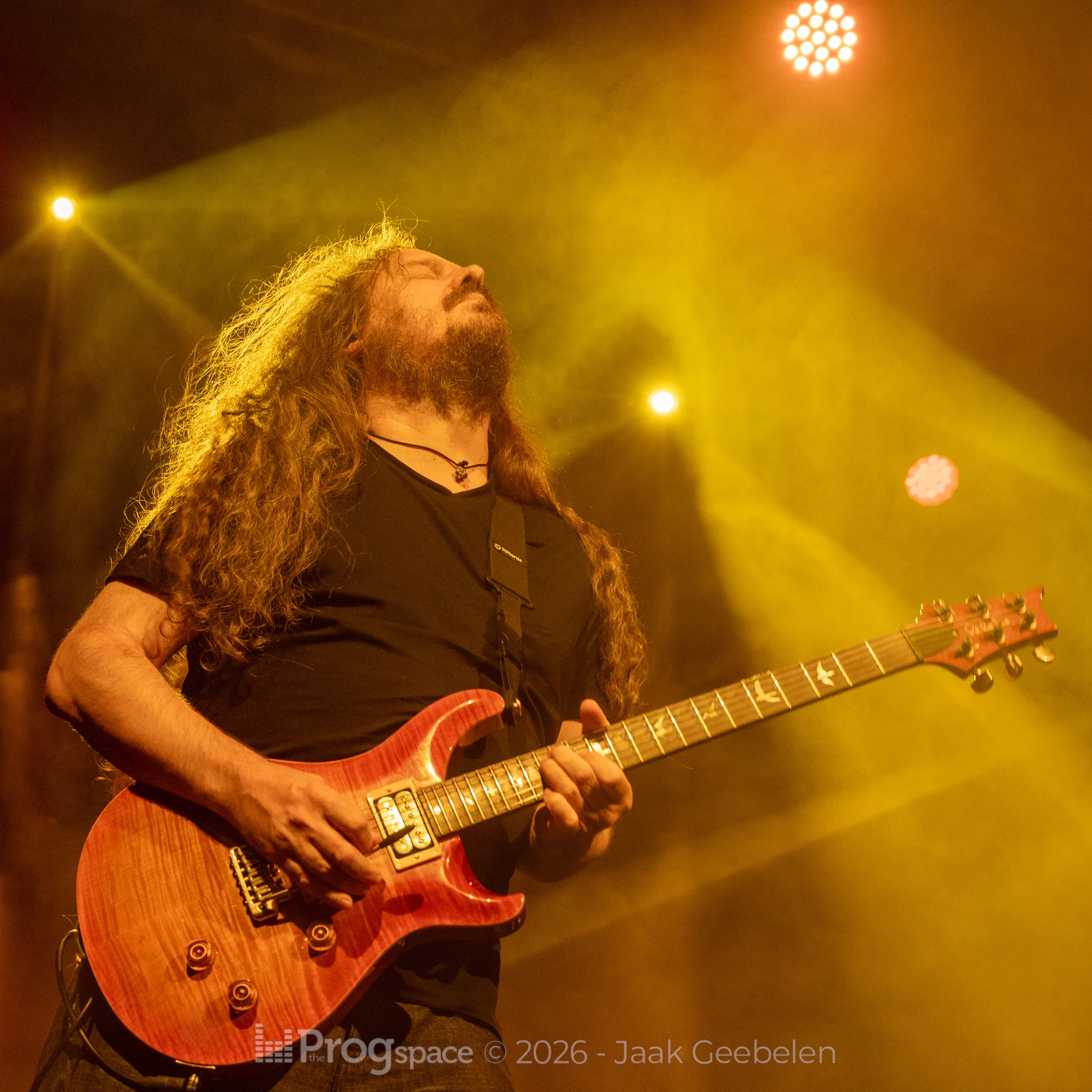
With Credo, from Pod Niebem Czas (2002), the concert moved into more distinctly progressive territory. The composition began with a rhythmic passage before making room for Emilia’s gentle, expressive vocals. The interplay between dynamics and restraint culminated in a magnificent closing guitar solo by Maciej Meller. His melodic phrasing, sustained notes and emotional build-up were strongly reminiscent of David Gilmour. It was one of the evening’s first instrumental highlights.
The atmosphere then became considerably lighter. Moje anioły, from Sny Aniołów (1998), introduced an infectious, upbeat, folk-inspired rhythm. Emilia enthusiastically clapped her hands above her head, encouraging the audience to join in. Its accessible melodies and lively character provided a welcome contrast to the more elaborate symphonic passages of the opening numbers.
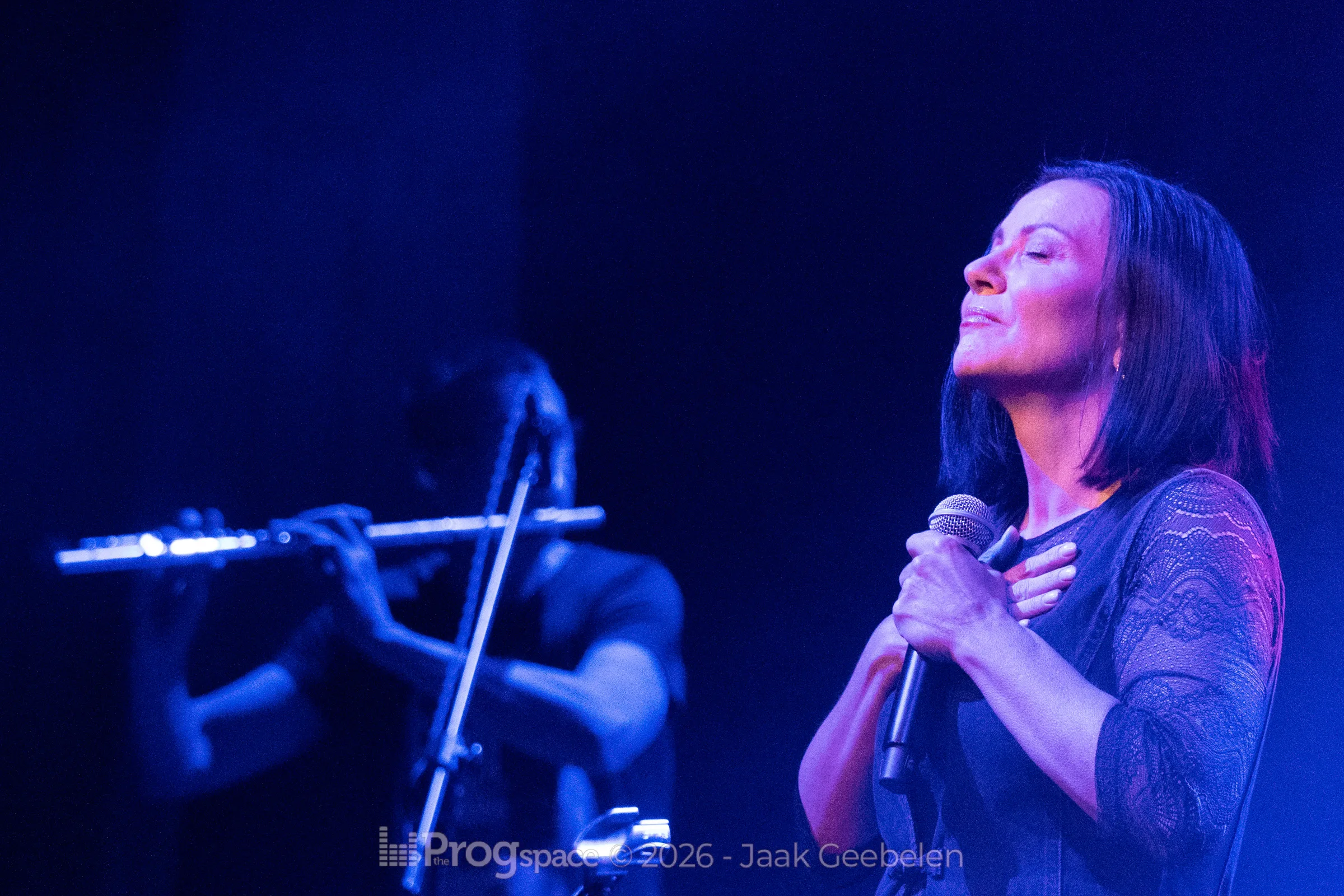
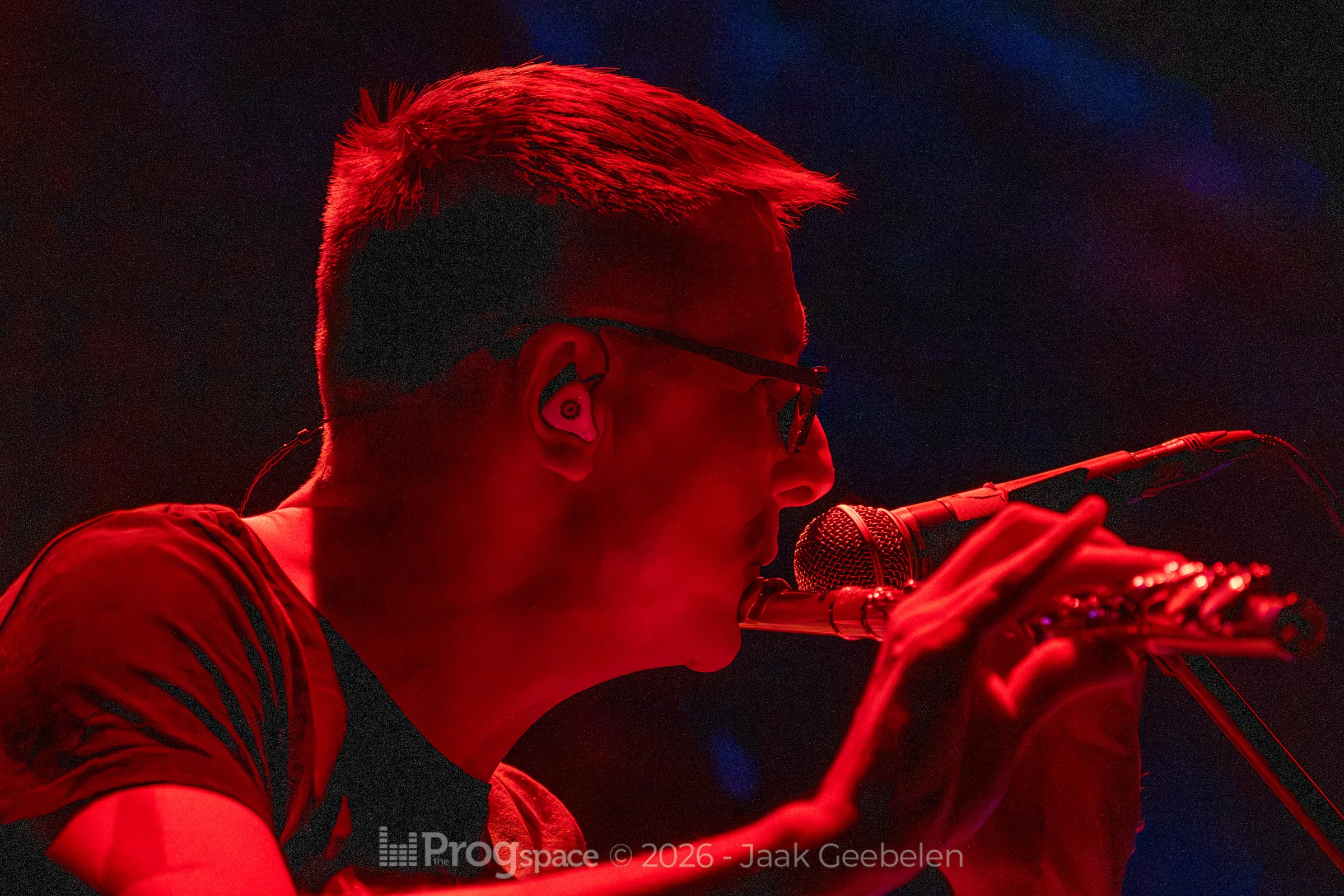
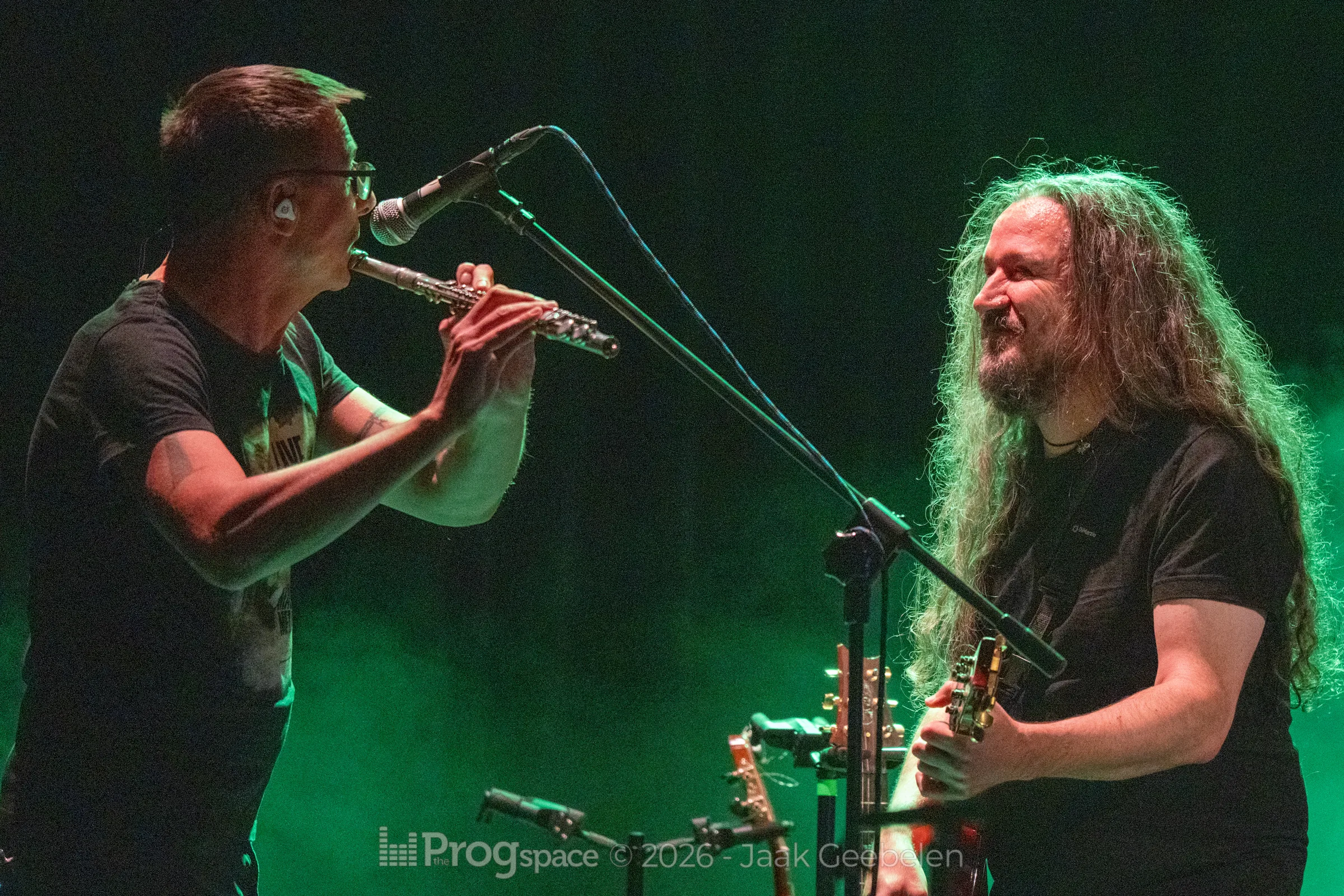
Kozolec, again from Pod Niebem Czas, maintained that momentum. Its danceable rhythm and pronounced folk influences made for a particularly lively performance. The prominent flute passages by Jacek Zasada were especially striking. His agile, melodic playing gave the composition a playful character and reminded us how essential the flute has always been to Quidam’s musical identity.
Then the atmosphere changed dramatically.
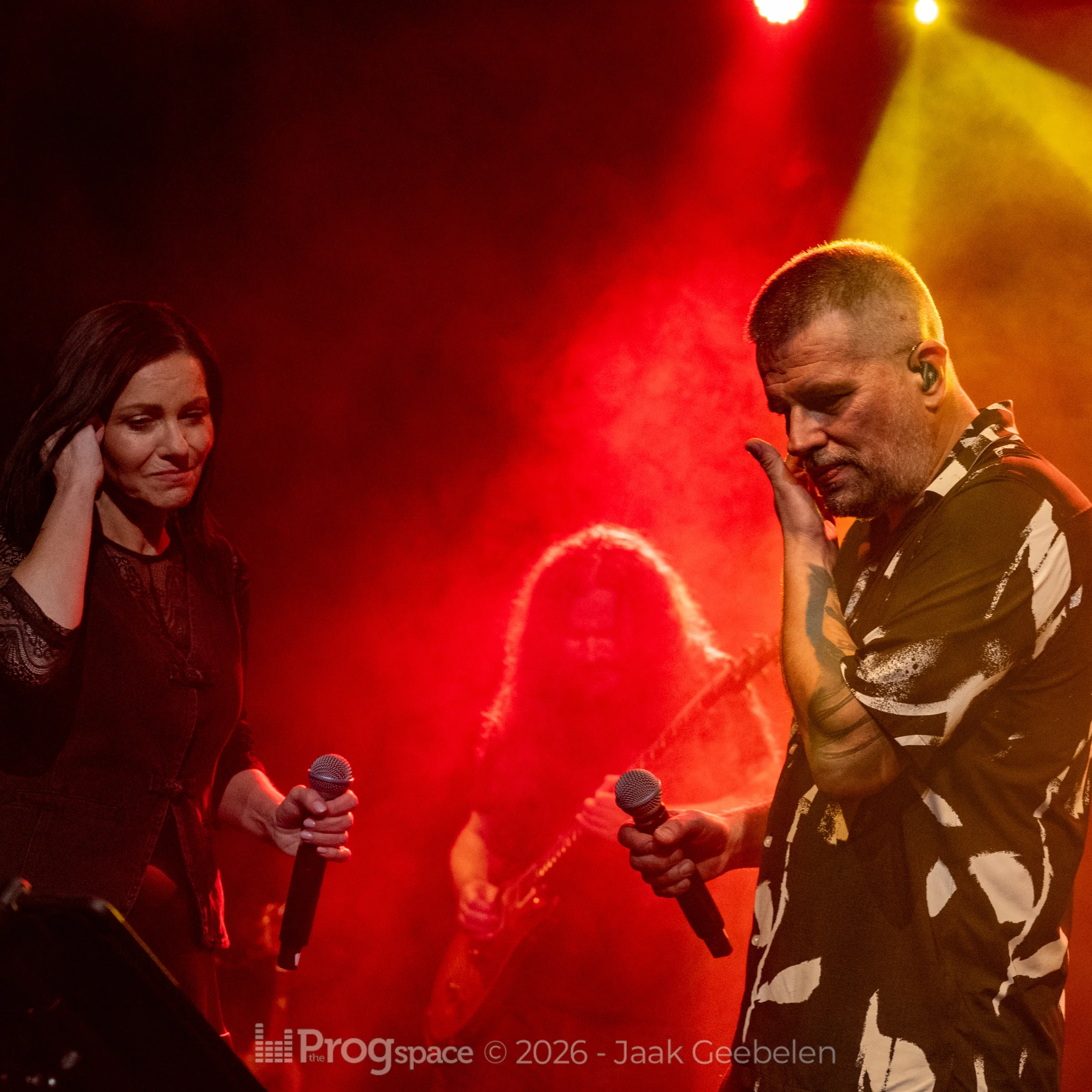
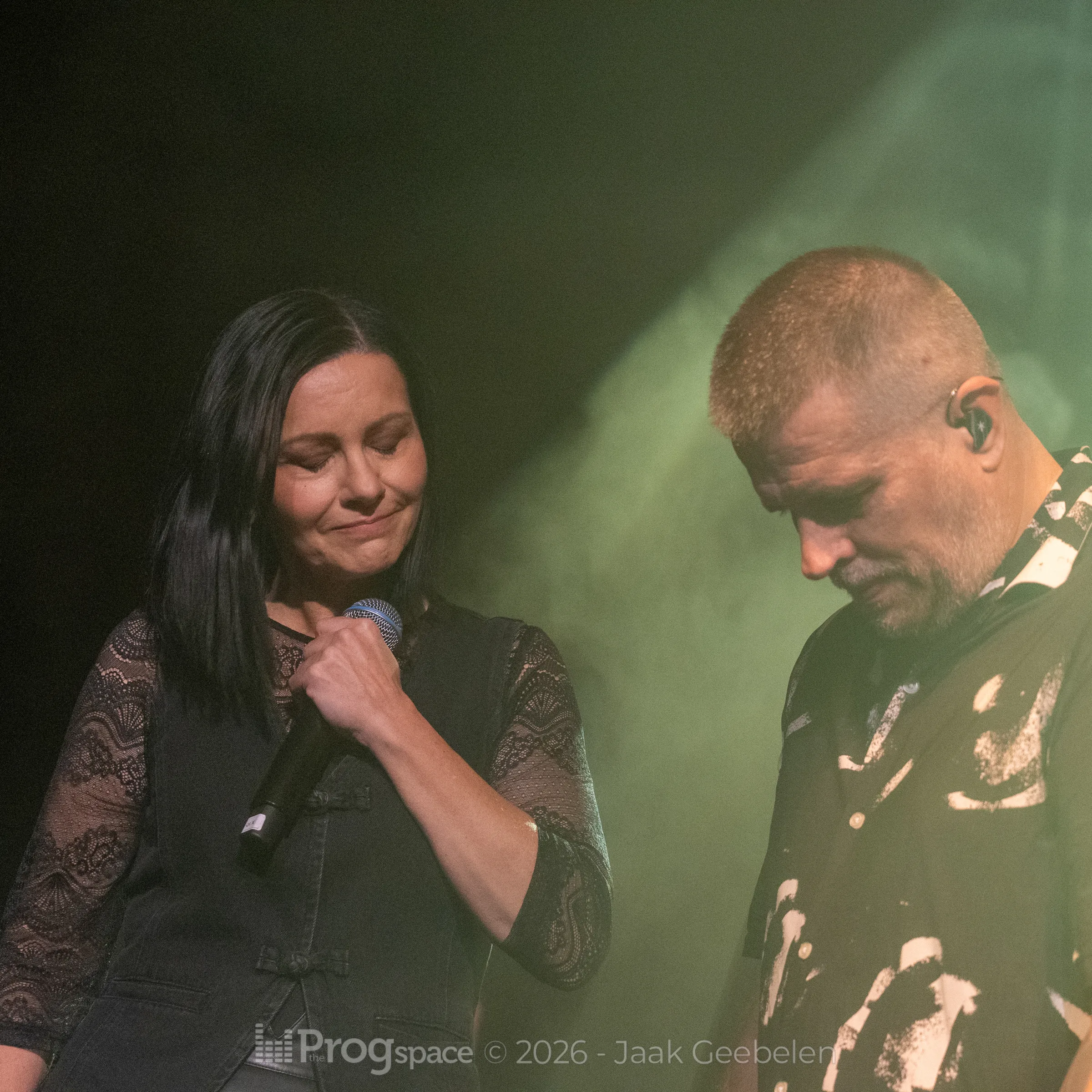
Emilia sat down on a chair and addressed the audience with a deeply personal testimony. She spoke openly about her difficult childhood, the pain and lack of security she had experienced, and her long search for love. She also reflected on mistakes she had made along the way and the inner peace she eventually found through a personal encounter with God. She emphasised that she was not simply talking about religion, but about something real that had fundamentally changed her life. She spoke warmly about her husband and children, mentioning that her husband and son were present that evening.
Equally moving was her reflection on Quidam’s music. Whether during her own years with the band or later with Bartosz Kossowicz, she explained, the songs had always come sincerely from the heart. They reflected the full spectrum of human emotions, from happiness and love to sadness, despair and life’s darkest moments.
These words introduced Jesteś, also from Pod Niebem Czas (2002). The title can be translated as ‘You Are’ or ‘You Are There’. In the light of Emilia’s testimony, its themes of inner struggle, hope and the reassuring presence of someone offering support acquired a distinctly spiritual meaning.
Remaining seated, Emilia performed this restrained, slightly jazz-tinged ballad with her voice firmly at the centre. The instrumental accompaniment remained discreet and supportive, allowing her warm, expressive vocals to carry the emotional weight. After the exuberant folk rhythms of Moje anioły and Kozolec, this was a remarkable moment of stillness. Rather than instrumental virtuosity, it was the singer’s emotional conviction that took centre stage.
The instrumental passage from Quimpromptu, which also follows Jesteś on the original album, provided a natural transition to the evening’s second chapter, with Bartosz Kossowicz taking over the lead vocals.
This opening section had been beautifully balanced: from the symphonic grandeur of Sanktuarium and the Gilmour-like guitar climax of Credo, through the infectious folk rhythms of Moje anioły and Kozolec, to the intimate conclusion with Jesteś. Emilia did more than bring Quidam’s early music back to life; she gave it a new emotional dimension shaped by her own life experiences.
Chapter 2 – Bartosz Kossowicz: From Progressive Rock to a More Accessible Sound
Following Emilia Nazaruk’s emotional performance, Bartosz Kossowicz took over the lead vocals. The focus shifted to a very different period in Quidam’s history, during which the band had gradually moved away from its original symphonic and folk-inspired sound.
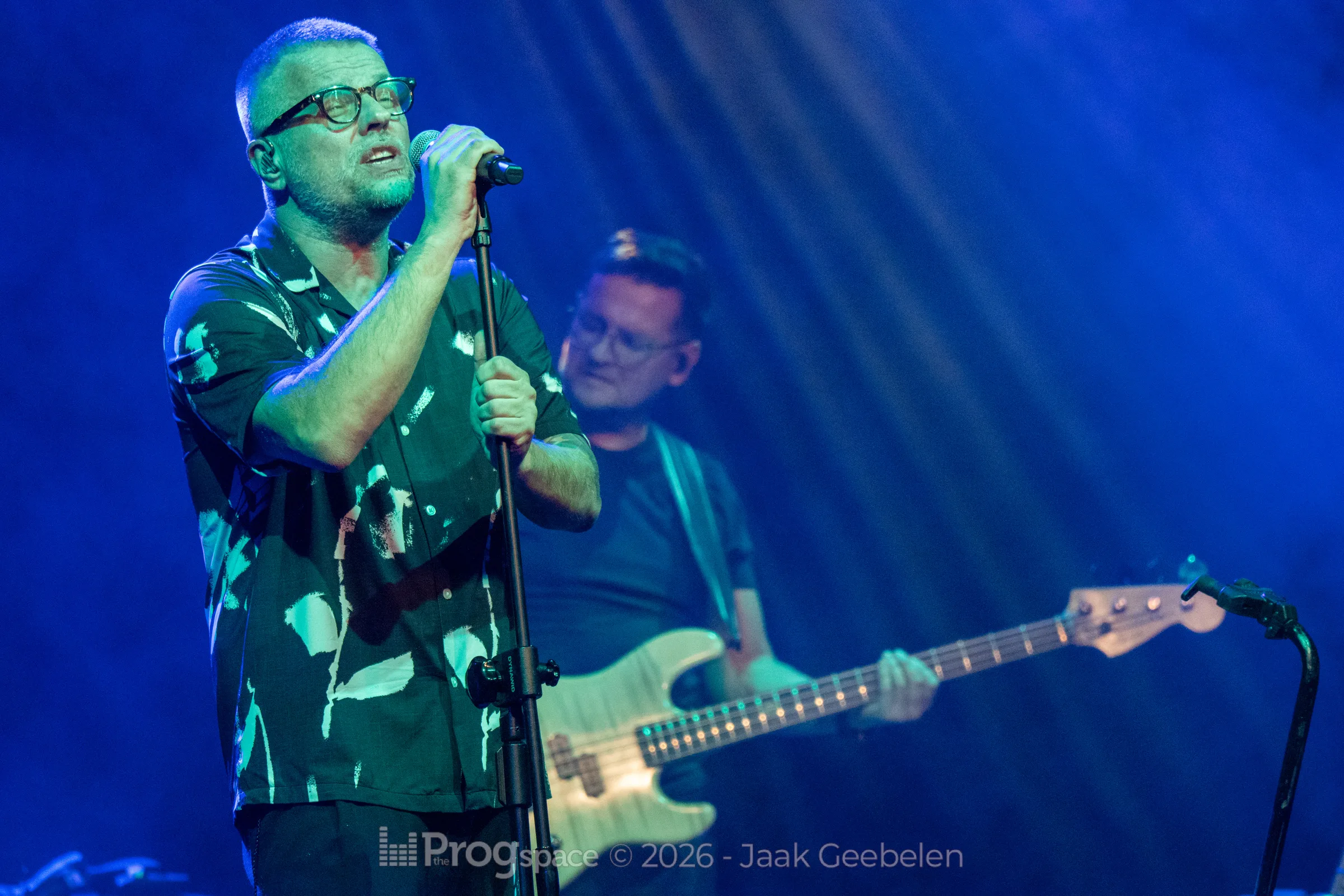
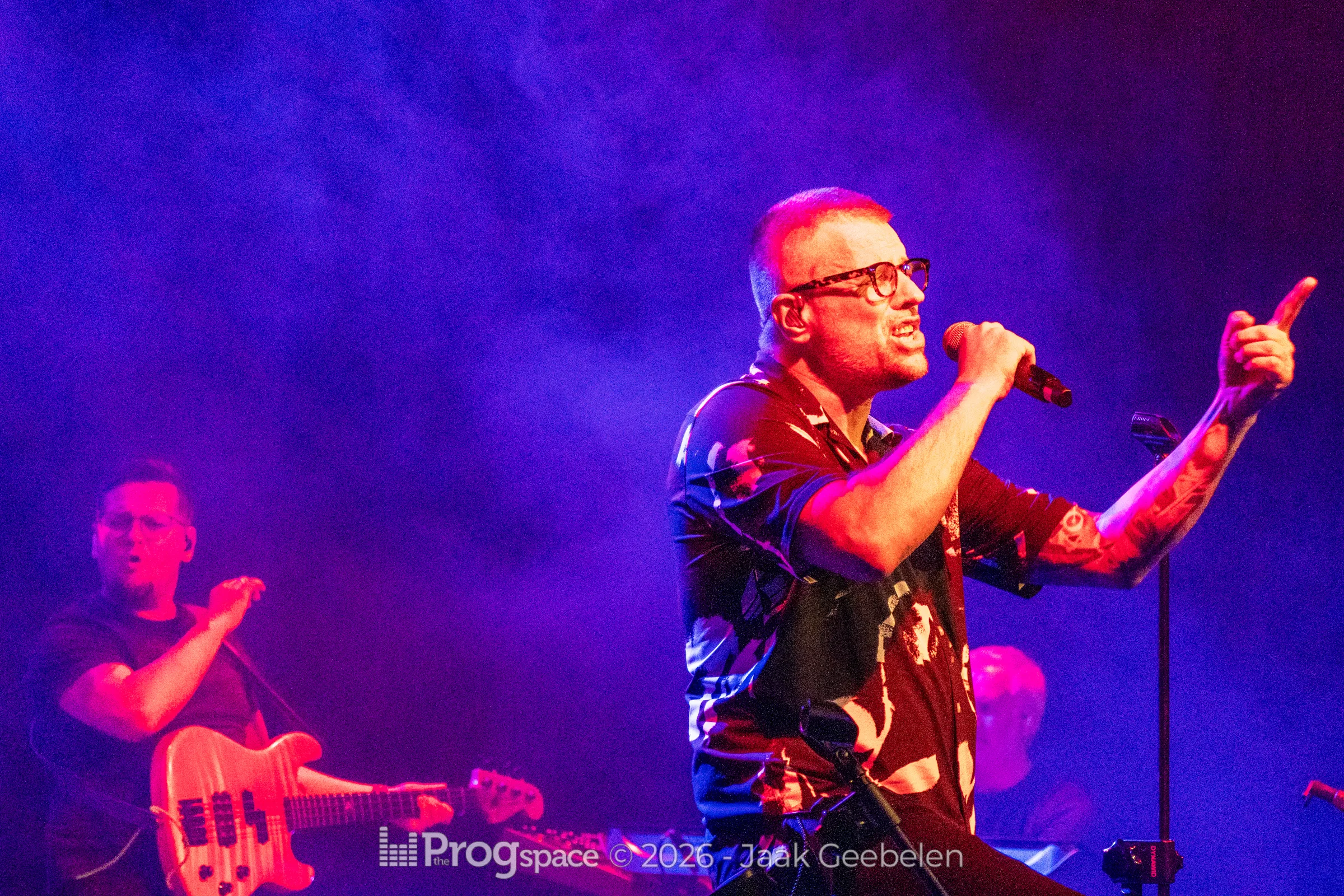
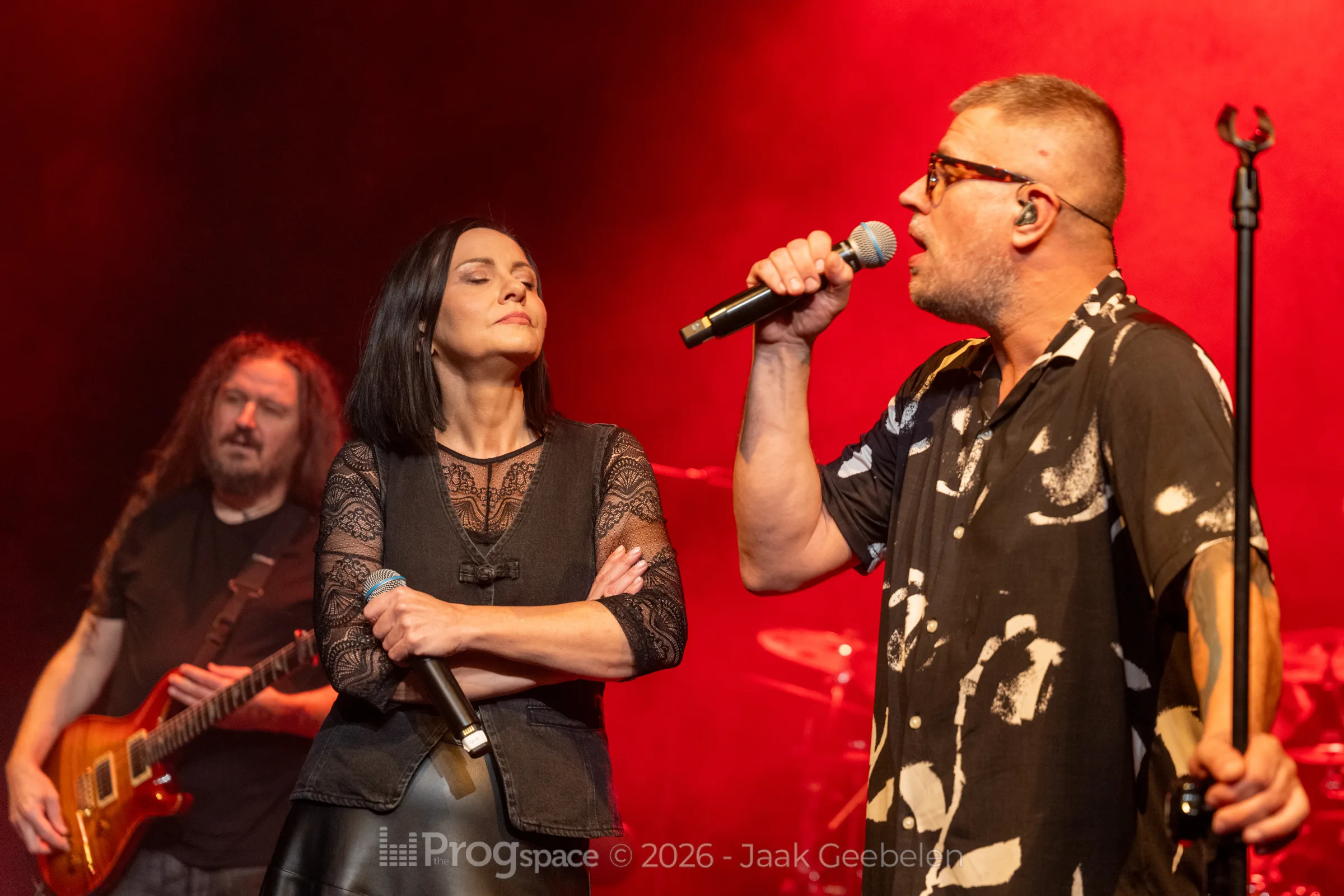
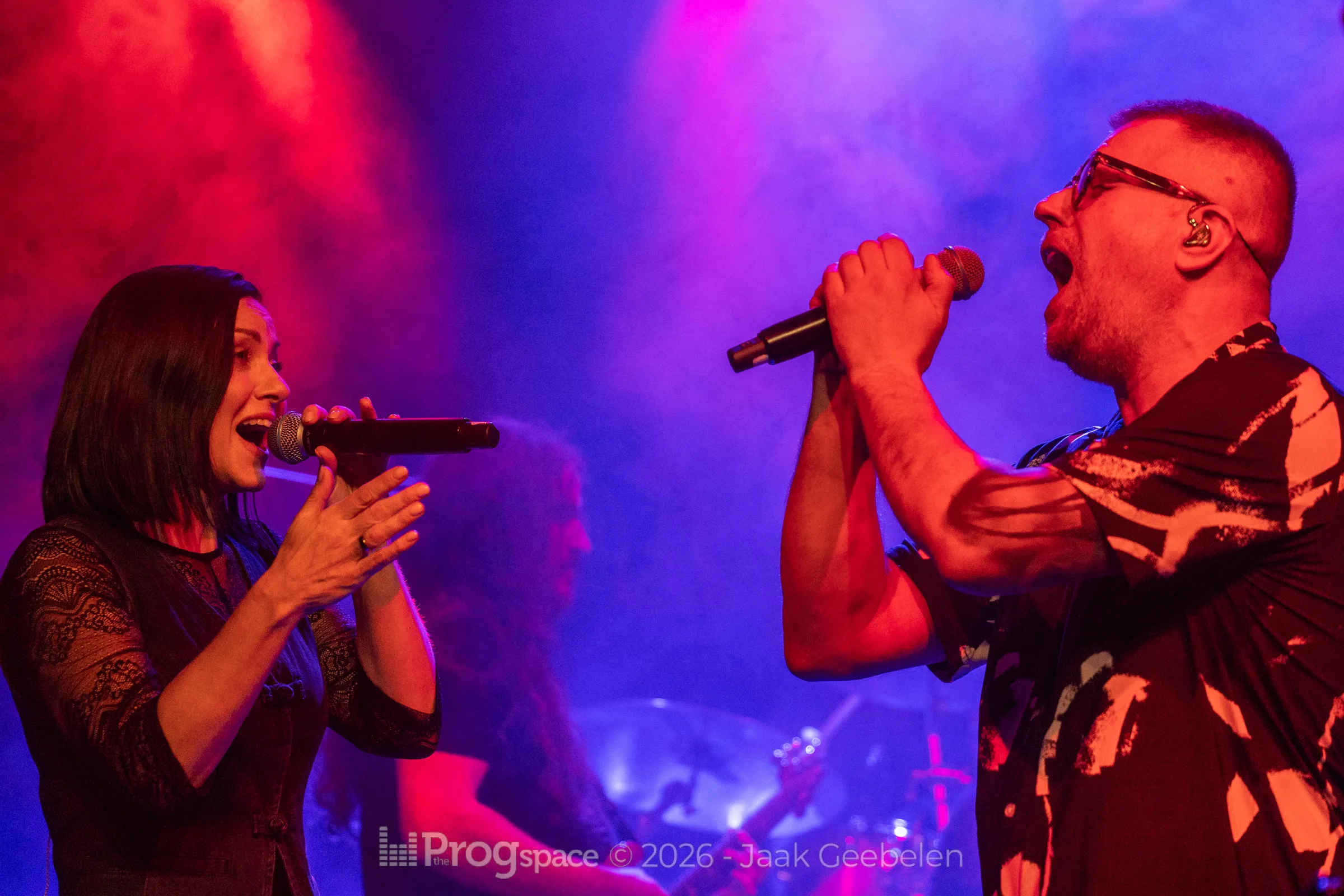
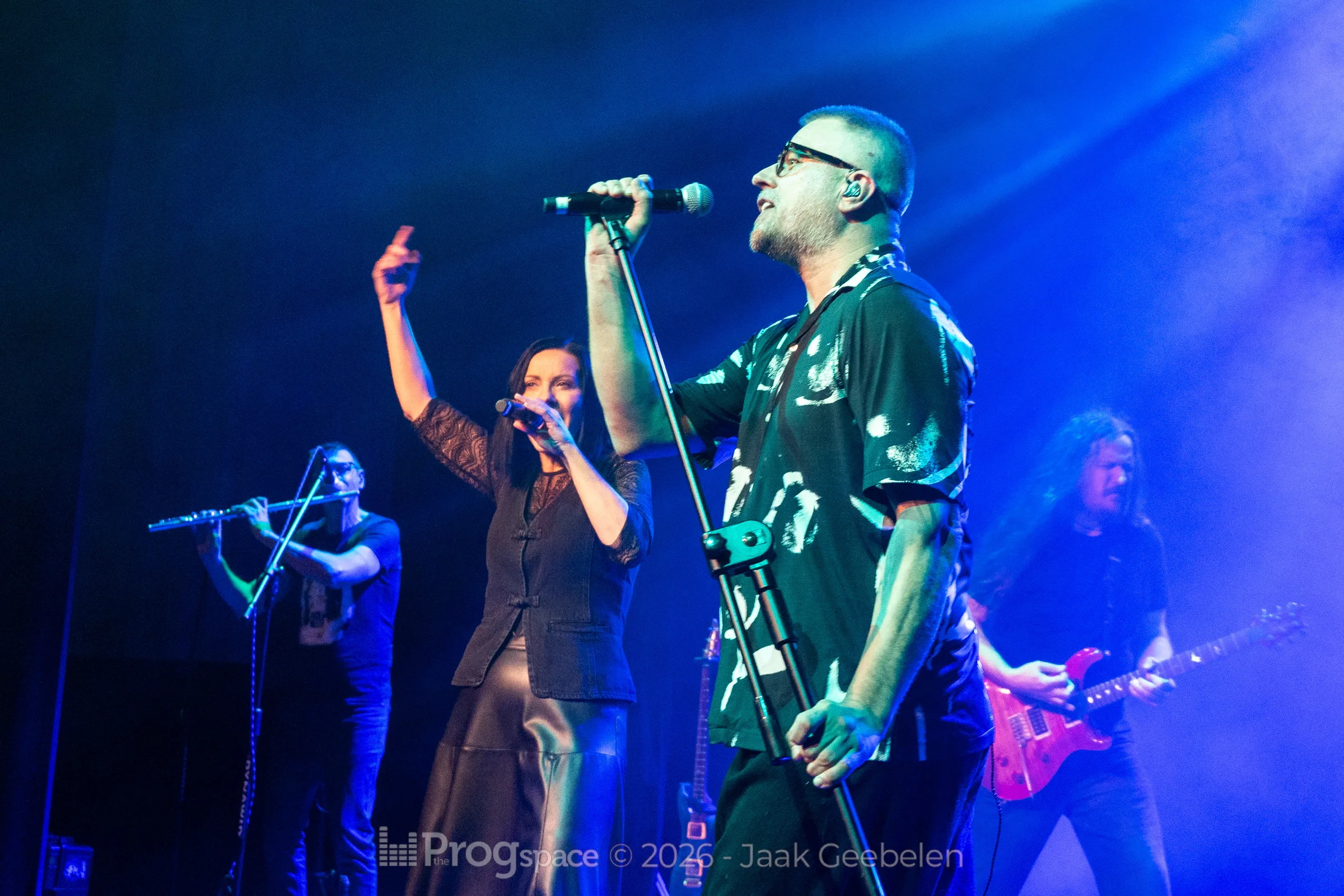
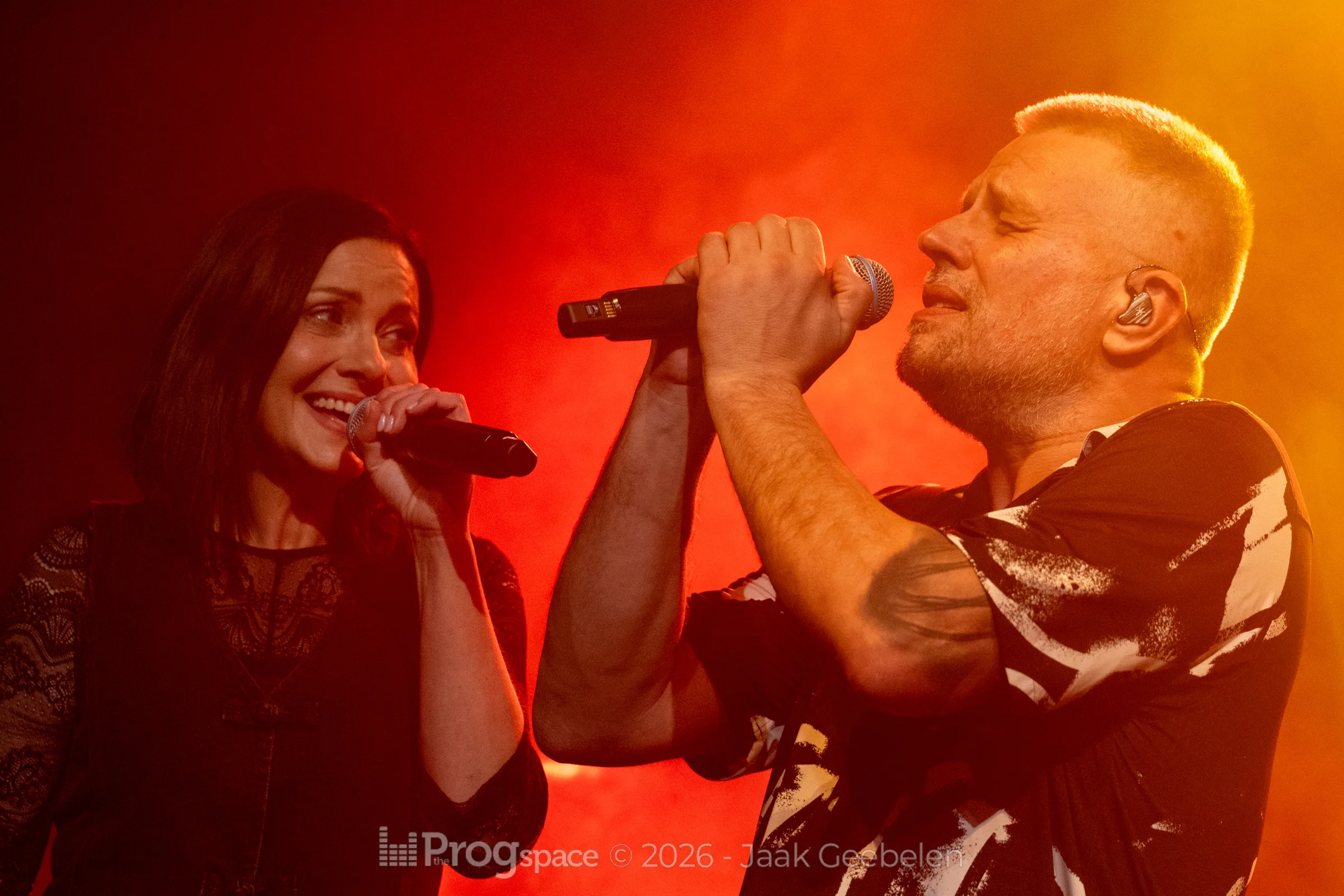
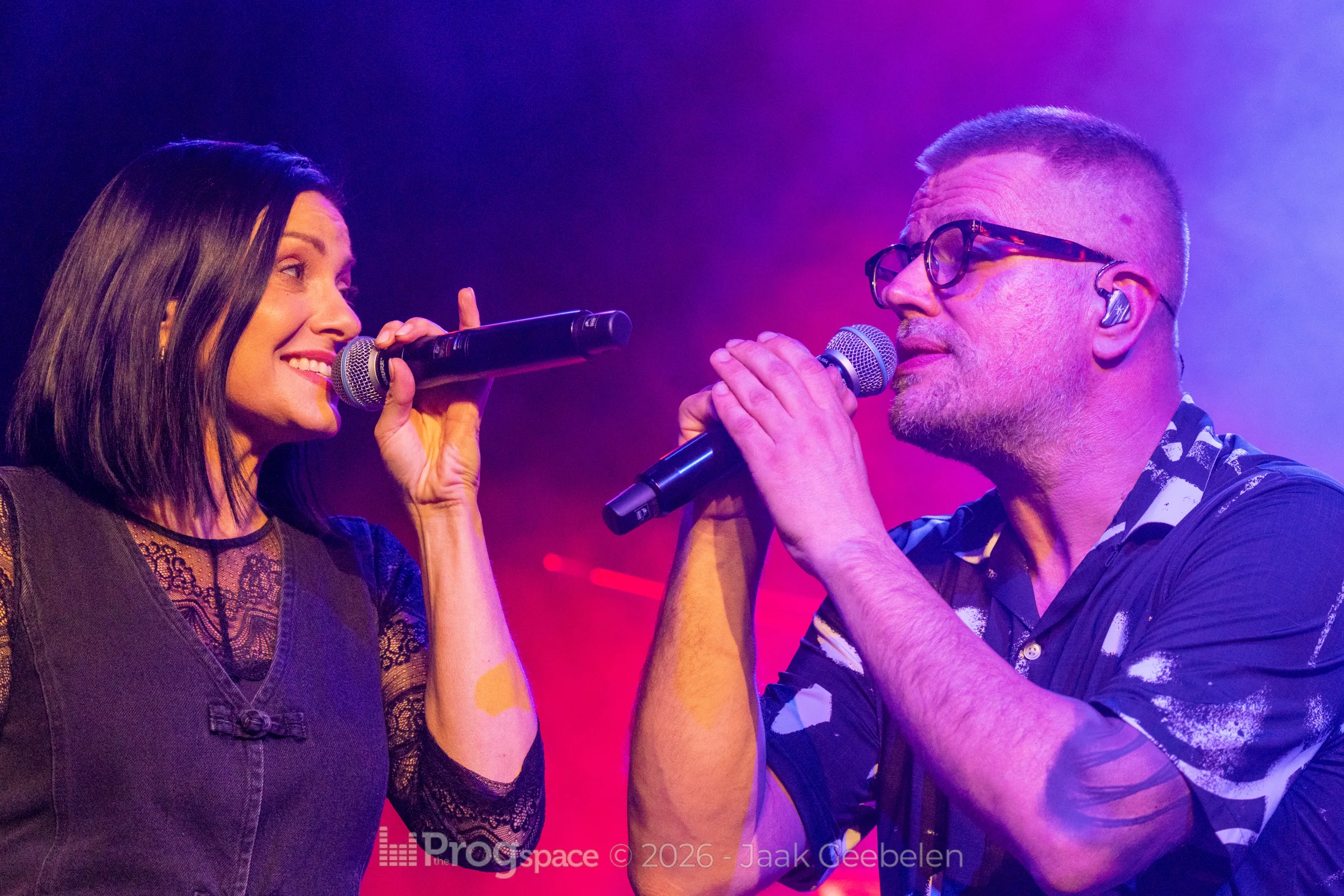
The stage atmosphere changed as well. Bartosz presented himself as an expressive frontman, with emphatic gestures and a commanding presence, while red and purple lighting, interspersed with blue beams, dominated the stage.
I had already seen Bartosz perform several times as the frontman of Collage, where he has undoubtedly proved himself to be an excellent singer. Yet something particularly struck me that evening. With Quidam, he seemed even more at home, as though he had returned to his natural musical environment. He radiated confidence, moved across the stage with remarkable ease and effortlessly won over the audience with his expressive gestures and charisma. It was almost as if he could be even more himself here.
This is in no way intended to diminish his achievements with Collage. But with Quidam, Bartosz seemed not merely the lead singer, but the natural driving force of the stage performance. Perhaps that should come as no surprise: together with these musicians and this repertoire, he had spent years helping shape the band’s musical identity. In Warsaw, that familiarity was unmistakable.
With Hands Off, from surREvival (2005), Quidam immediately demonstrated that Bartosz’s arrival had certainly not meant abandoning progressive rock. The nearly ten-minute composition combines powerful guitar riffs reminiscent of Porcupine Tree with restrained vocals, quieter passages and extended instrumental interplay. The contrast between the heavier guitar sections and the melodic passages, in which Jacek Zasada’s characteristic flute also plays an important role, reflects the band’s new musical direction. Quidam sounded heavier and more modern, but remained firmly rooted in progressive rock.
The following three songs from Saiko (2012) revealed a much more substantial stylistic departure. That album represented a conscious move towards a more accessible, alternative-rock-oriented approach, with shorter compositions and more straightforward arrangements replacing the extended symphonic developments of the early years.
Walec represented the heavier side of Saiko, with prominent guitar riffs from Maciej Meller and a powerful rhythm. On the original studio recording, Natalia Grosiak contributes vocals, but her female vocal part was absent in Warsaw, leaving Bartosz to handle the singing himself. The result emphasised the harder, more rock-oriented side of Quidam.
With Obok mam, the band adopted a lighter, more accessible approach, combining melodic pop rock with subtle folk influences. Jacek Zasada’s flute once again stood out, providing a recognisable link to the band’s earlier sound. Behind the song’s almost carefree character lies an ironic lyric criticising the superficiality of politics, the media and social success, ultimately suggesting that love matters more than outward appearances.
Haluświaty, the opening track of Saiko, also moved firmly into alternative rock and pop territory. Maciej Meller’s repetitive guitar figures and the infectious rhythm made it a particularly accessible song. The audience enthusiastically clapped along, although musically this was hardly my favourite side of Quidam. The distance from the symphonic rock that had originally established the band’s reputation was considerable.
That evolution had not been without controversy. When Saiko was released, several progressive rock reviewers regretted the loss of Quidam’s symphonic and folk-inspired identity. It was not so much the musicians’ abilities that were questioned, but rather the musical direction they had chosen. Personally, I could understand those reservations. These songs were far removed from the Quidam repertoire I had originally come to appreciate, although the enthusiastic response in Warsaw made it clear that many in the audience felt differently.
For me, the absolute highlight of Bartosz’s section came with They Are There to Remind Us, from Alone Together (2007). That excellent album was eventually represented by two compositions during the evening, compared with three from Saiko. Personally, I would have preferred those proportions to be reversed.
They Are There to Remind Us is one of the more distinctly progressive compositions from this period of Quidam. It combines an energetic rock foundation with melodic passages, jazzy piano work and rich instrumental interplay between Zbigniew Florek’s keyboards, Maciej Meller’s guitar and Jacek Zasada’s flute. Here, we were once again reminded of the musical versatility that makes Quidam so appealing to me.
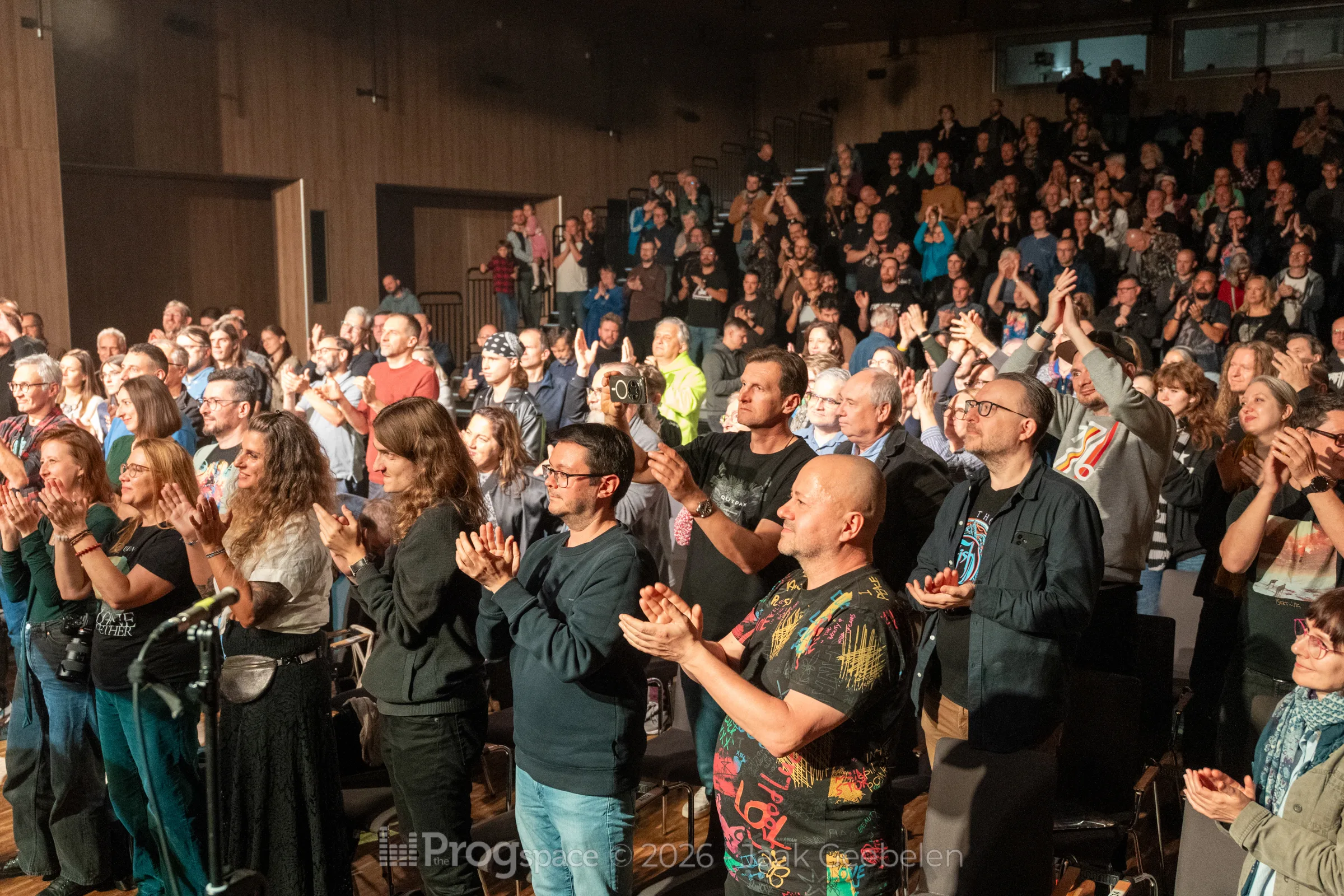
The live performance also took an unexpected turn. From They Are There to Remind Us, the band moved into the instantly recognisable Riders on the Storm by The Doors, before returning to their own composition. Just before the Doors passage, Bartosz invited the largely seated audience to stand up. When Quidam subsequently returned to the characteristic melodies of They Are There to Remind Us, the audience enthusiastically clapped and moved along with the music.
It became a turning point in the evening. The attentive, mostly seated listeners transformed into an exuberant, moving crowd, an atmosphere that would continue until the end of the concert.
This second chapter offered more than an overview of Quidam’s musical evolution following Emilia’s departure. It also demonstrated how differently that evolution could be experienced by listeners. While the more accessible songs from Saiko appealed less to me personally, the magnificent conclusion with They Are There to Remind Us proved just how much musical richness the Bartosz Kossowicz era had produced.
Chapter 3 – Colin Bass: Almost Thirty Years of Musical Friendship
Following Bartosz Kossowicz’s energetic performance, it was time for a very special guest: Colin Bass, best known as the bassist and vocalist of the legendary British progressive rock band Camel.
His presence at this anniversary concert was far more than a guest appearance. The musical connection between Bass and Quidam dates back to the late 1990s and developed into a longstanding collaboration.
It began in 1997, when Quidam supported Camel during the Polish dates of their Harbour of Tears Tour. Original vocalist Emilia Derkowska and flautist Ewa Smarzyńska were even invited to join Camel for the opening of the Harbour of Tears suite. A year later, Colin Bass returned to Poland to record his solo album An Outcast of the Islands, with several Quidam musicians contributing. Their collaboration was subsequently documented on Live at Polskie Radio 3, recorded in Warsaw in 1999.
Bass opened his part of the concert with Drafted, from Camel’s concept album Nude (1981). The melancholic composition, evoking the tragedy of a soldier caught up in war, is among the most moving pieces in Camel’s repertoire. Andy Latimer’s expressive guitar playing is particularly important to the emotional impact of the original recording.
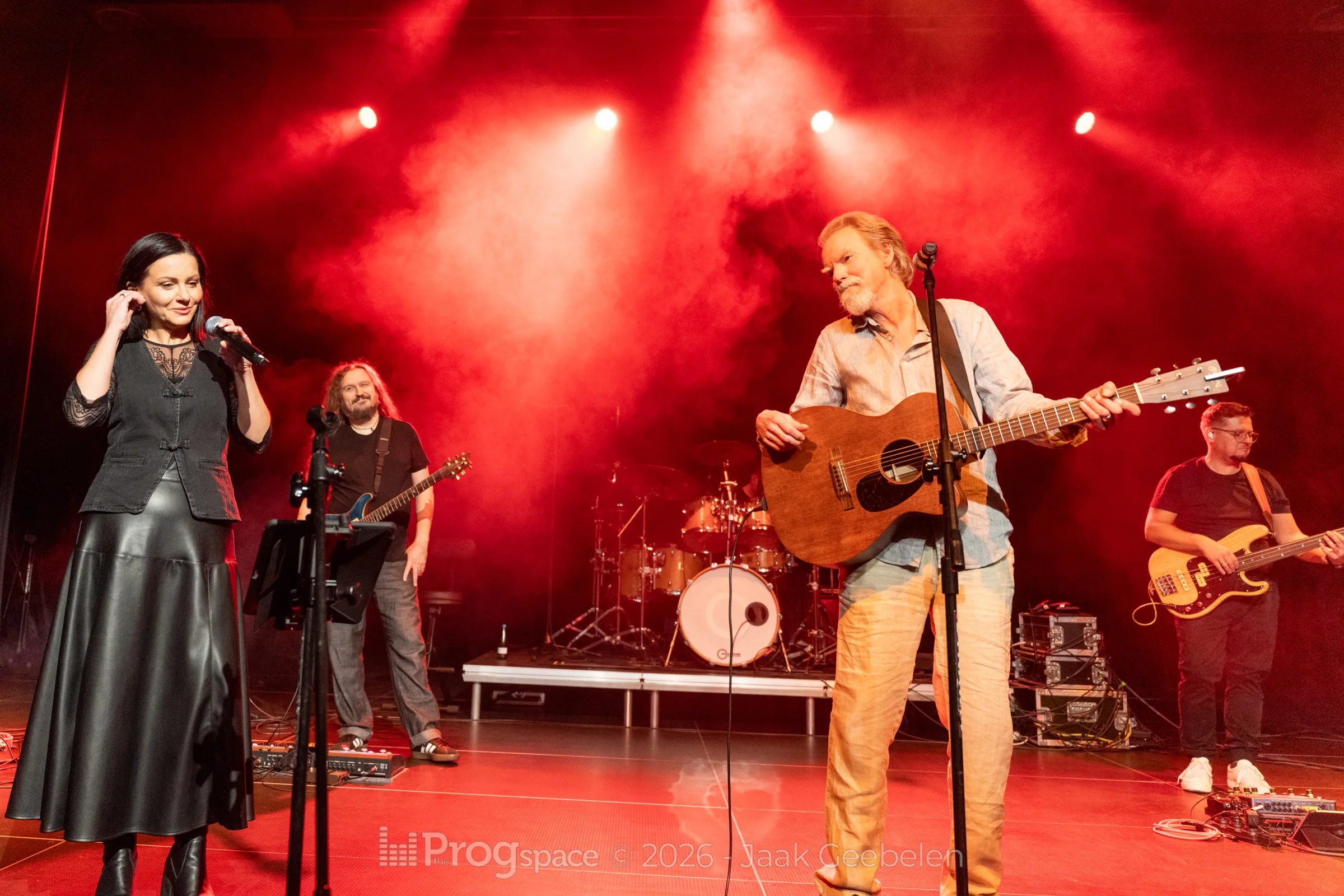
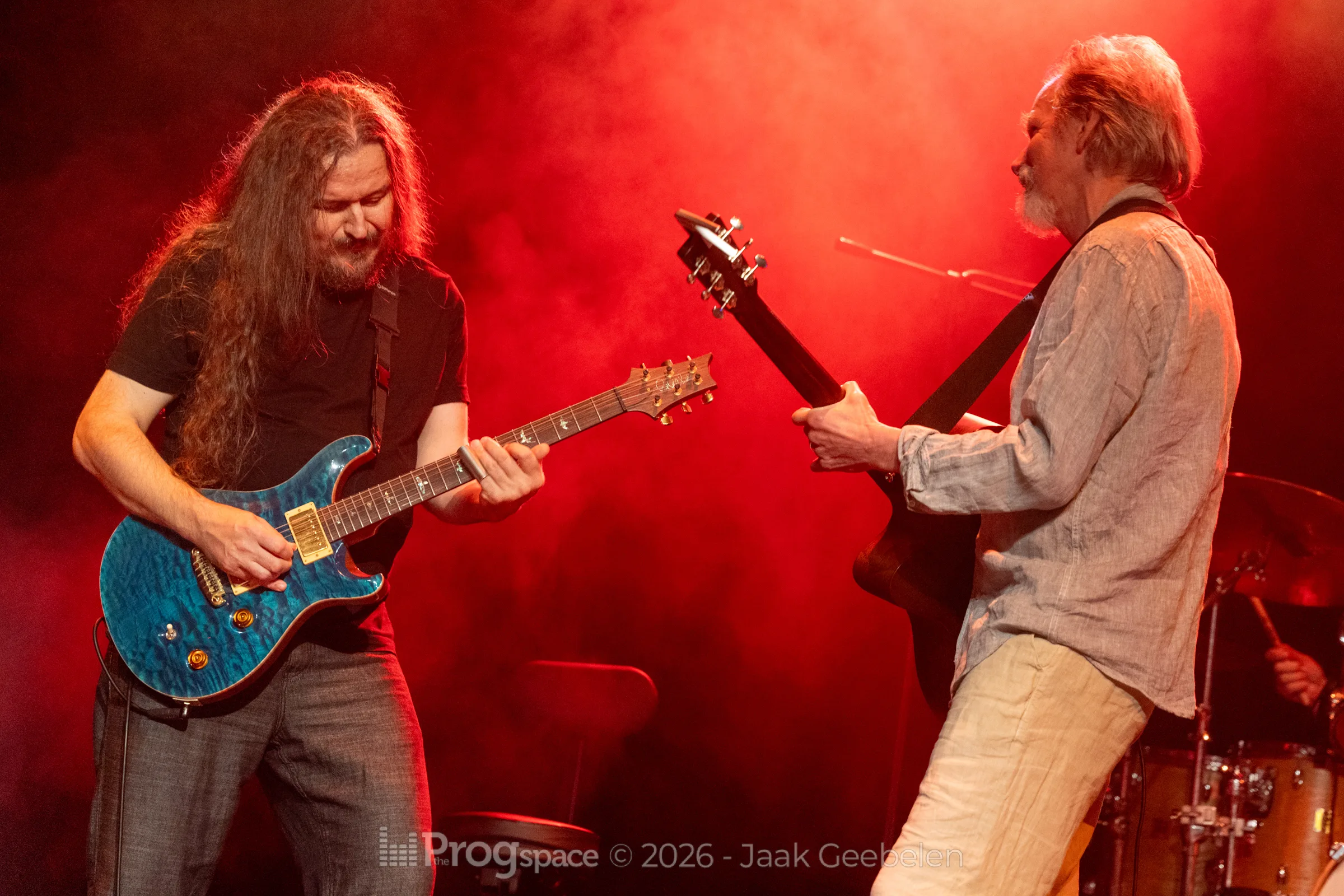
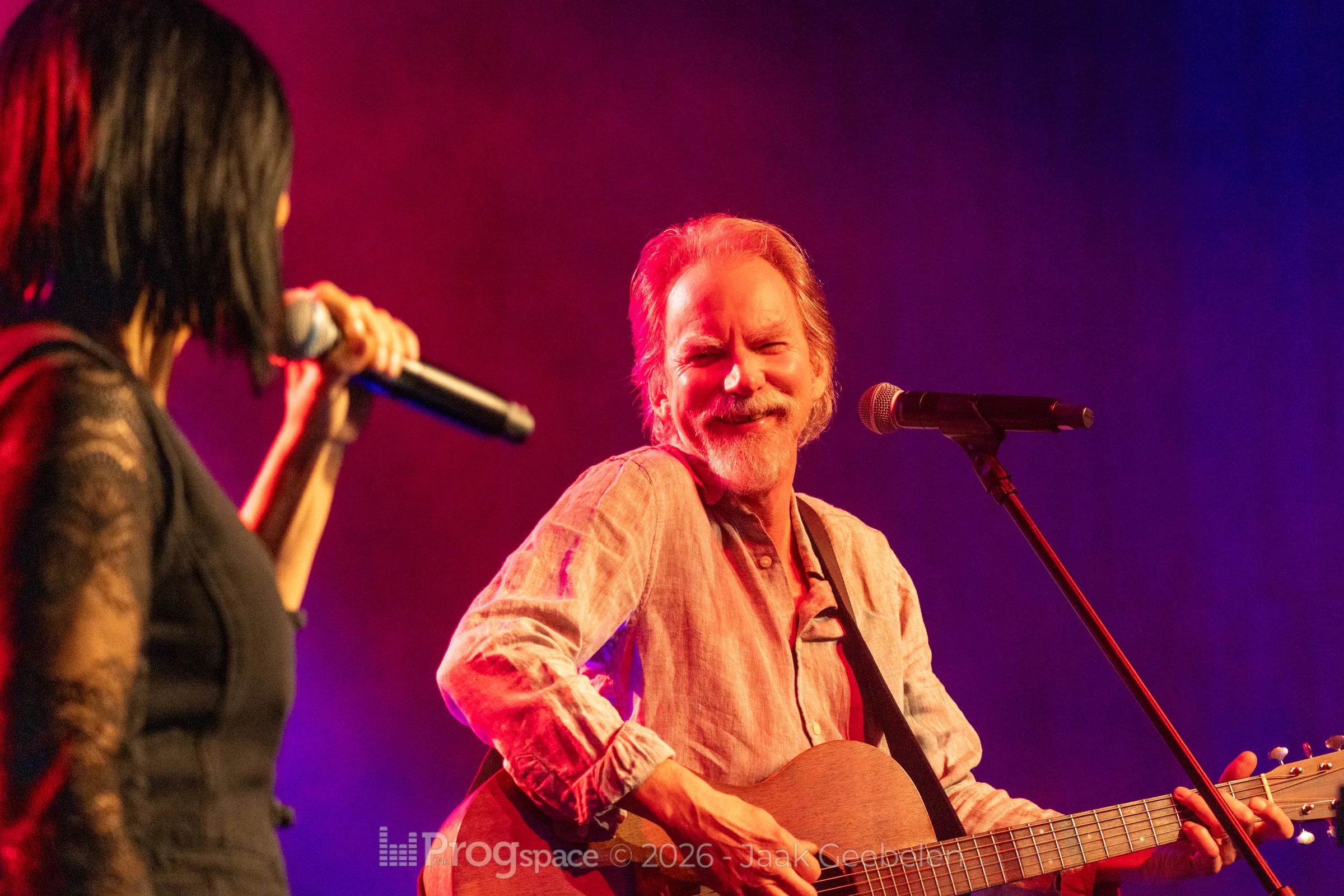
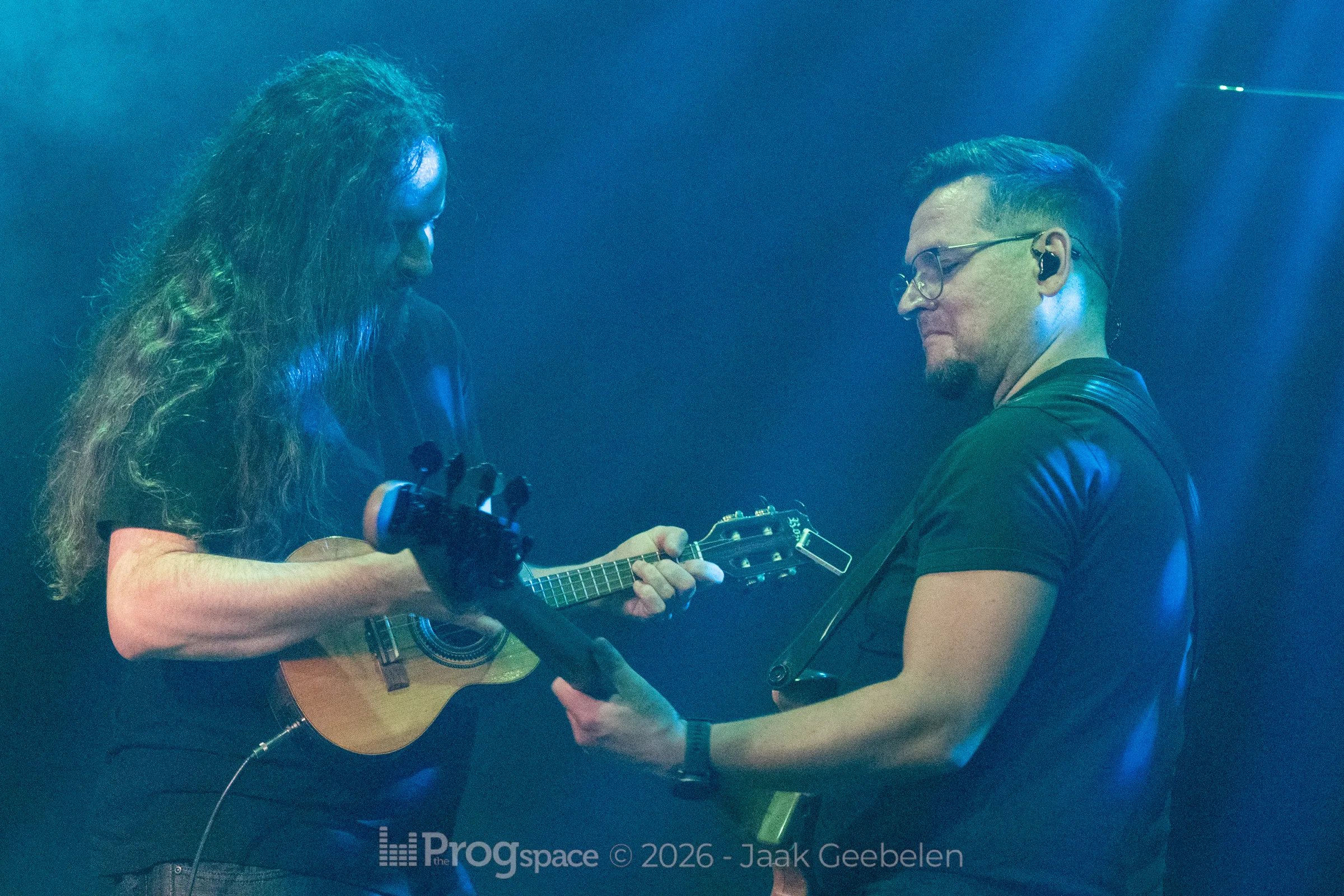
In Warsaw, Maciej Meller stepped into that role with remarkable sensitivity. His warm, melodic guitar tone and expressive phrasing unmistakably recalled Latimer. A particularly memorable moment came when Meller and Colin Bass stood facing each other, the former with his electric guitar and the latter with his acoustic instrument, engaging in a visible musical dialogue. It was a striking illustration of the musical bond between Camel and Quidam.
After Drafted, Colin Bass took a moment to recall his first encounters with the Polish band. He referred to the 1997 concerts and explained how he had returned a year later to record An Outcast of the Islands. From that album, he then introduced As Far as I Can See.
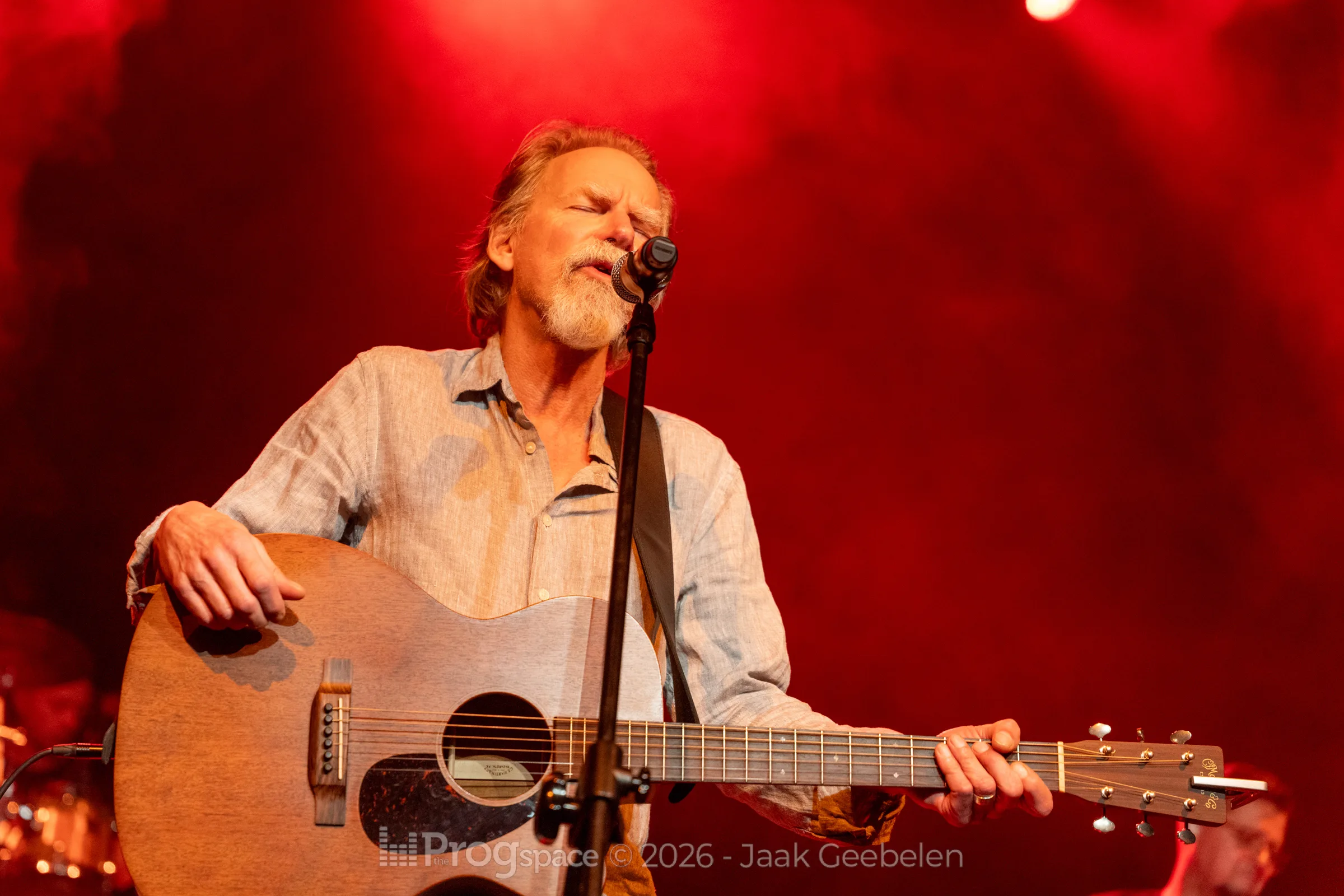
The song revealed the warmer, more introspective side of his music. Bass’s characteristic vocals and the melodic, slightly blues-tinged accompaniment created an almost dreamlike atmosphere. But the absolute highlight came towards the end, when Maciej Meller delivered a sublime, extended guitar solo. Whereas his playing during Drafted had mainly evoked Andy Latimer, his warm tone and emotional phrasing here were strongly reminiscent of David Gilmour.
During the solo, Bass and Meller once again approached each other, standing face to face with their guitars. The visible enjoyment shared by both musicians made this instrumental climax even more memorable. For me, it was one of the finest instrumental moments of the entire evening.
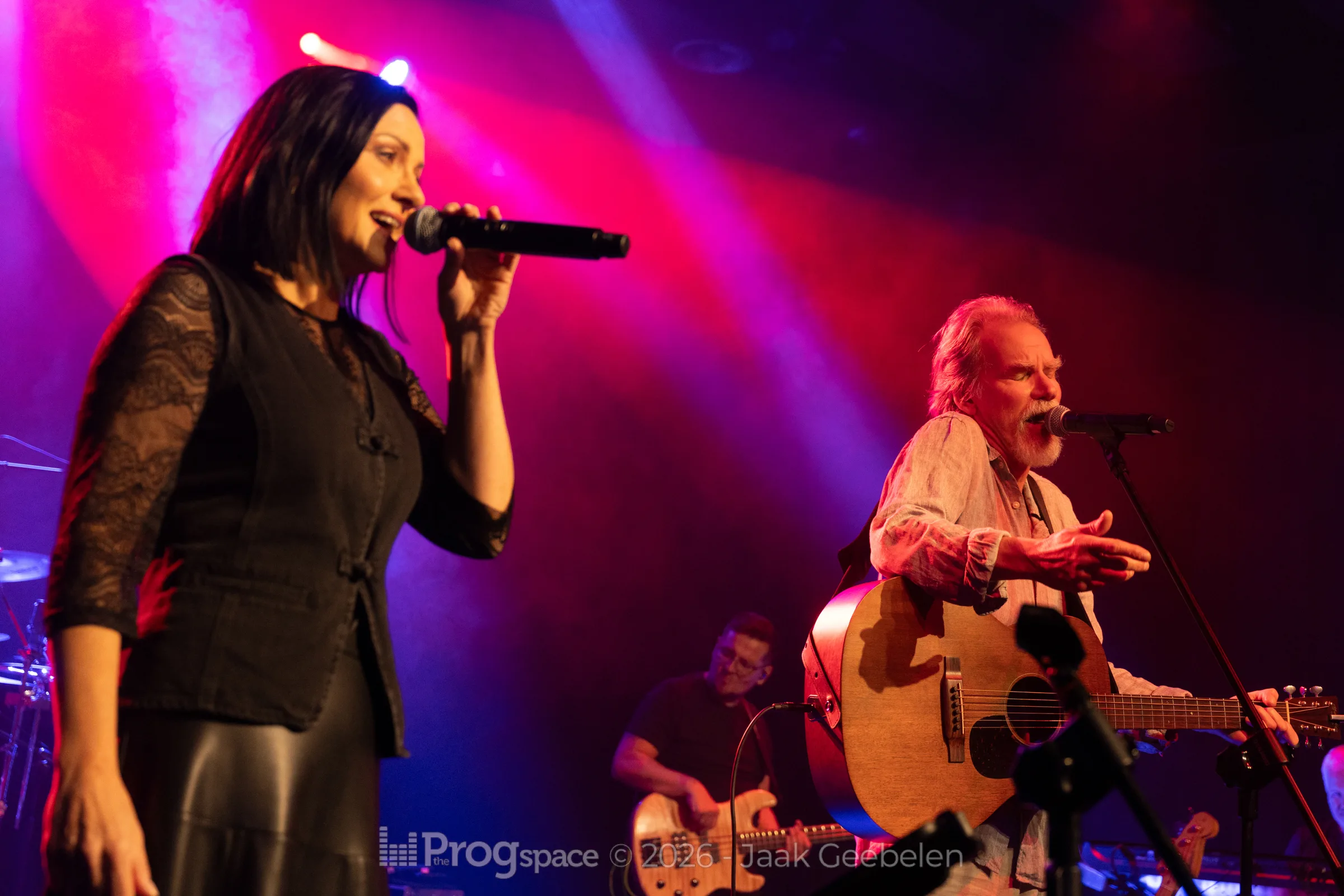
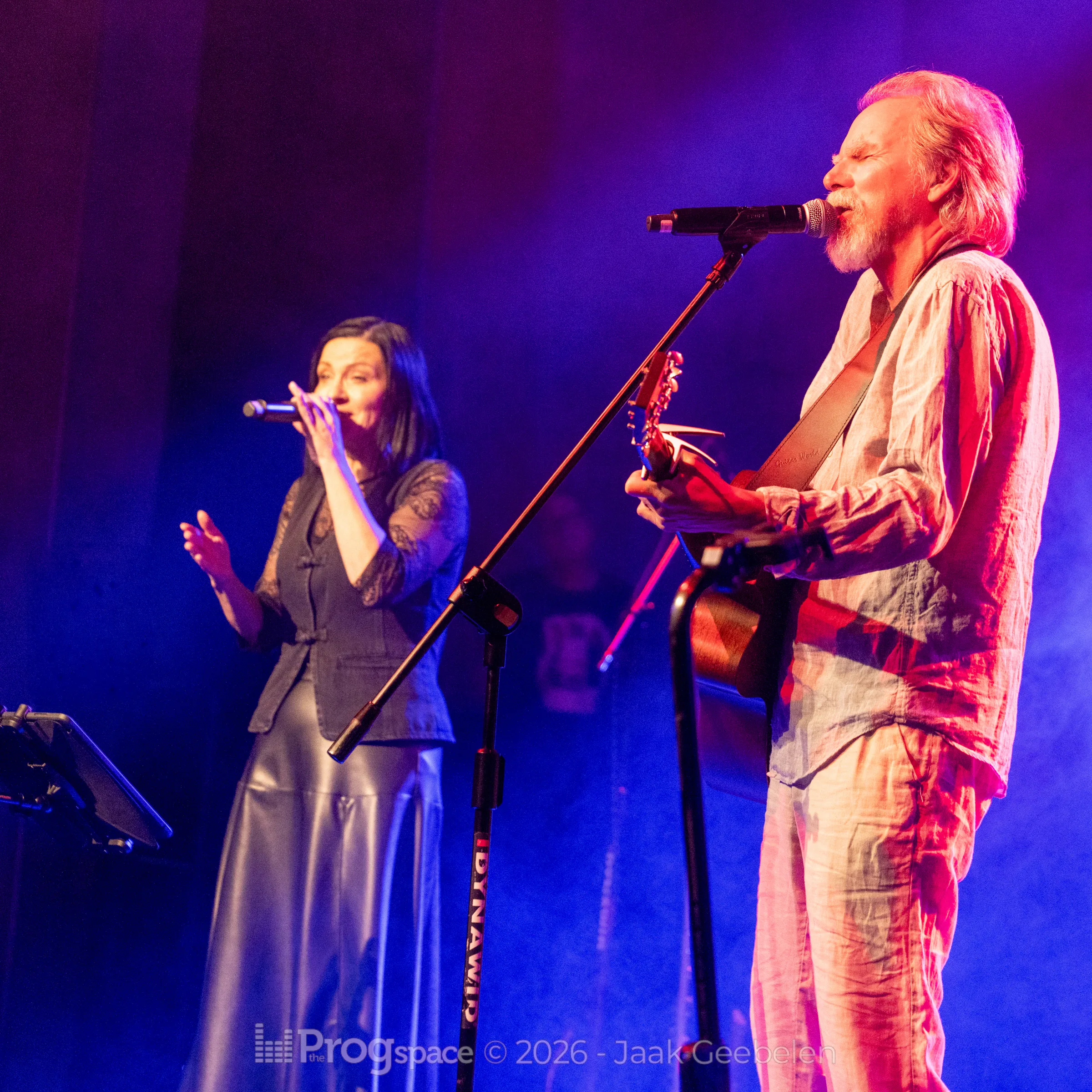
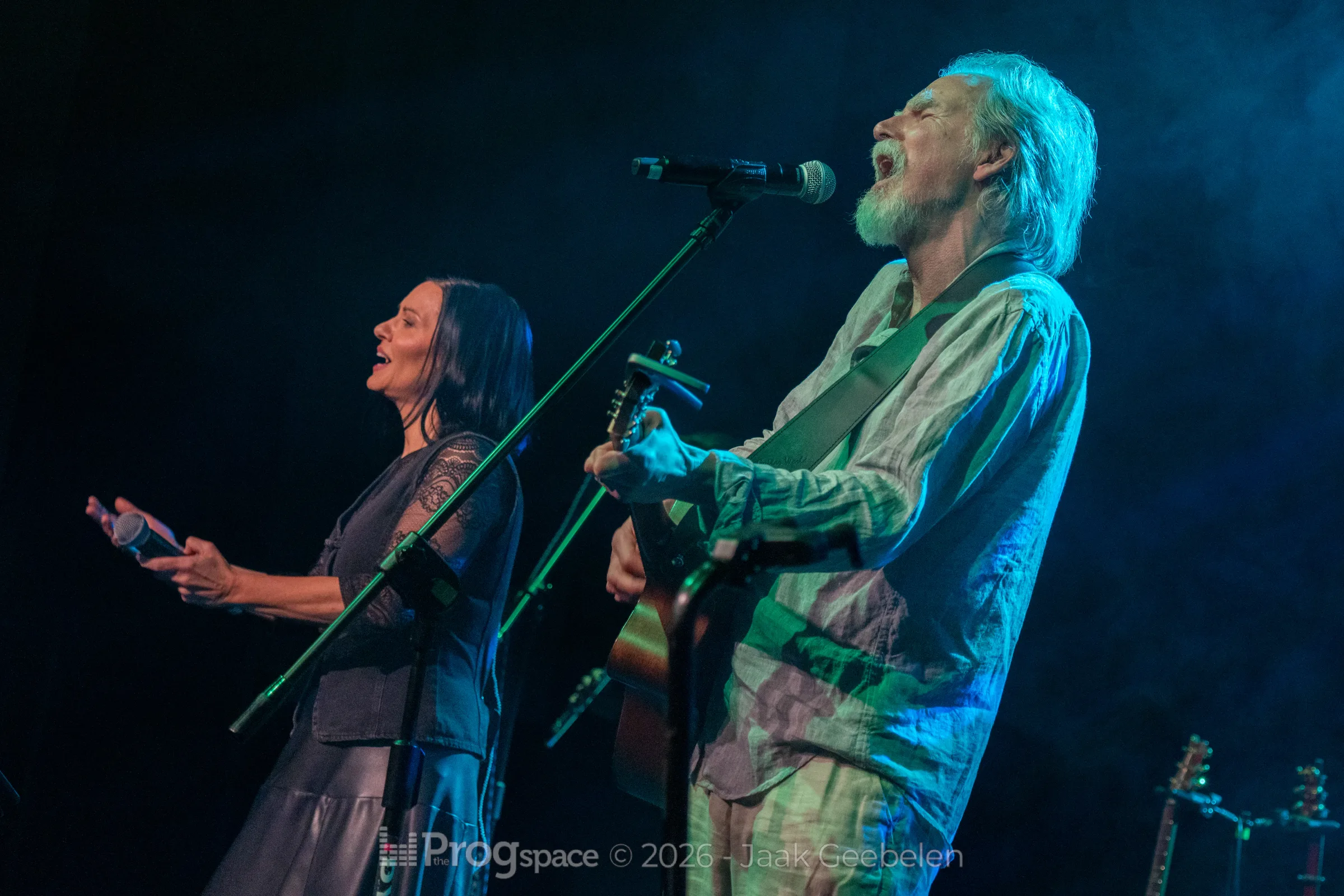
With Refugee, from Camel’s Stationary Traveller (1984), the tempo increased again. The opening, with its distinctive keyboard sounds and tight rhythm, even brought Supertramp to mind. The song has a pronounced 1980s character and sounds more direct and accessible than the two preceding compositions. Colin Bass handled the lead vocals, supported by Emilia Nazaruk, whose contribution went well beyond simple backing vocals. Their voices blended beautifully, while the Quidam musicians provided a lively and powerful accompaniment.
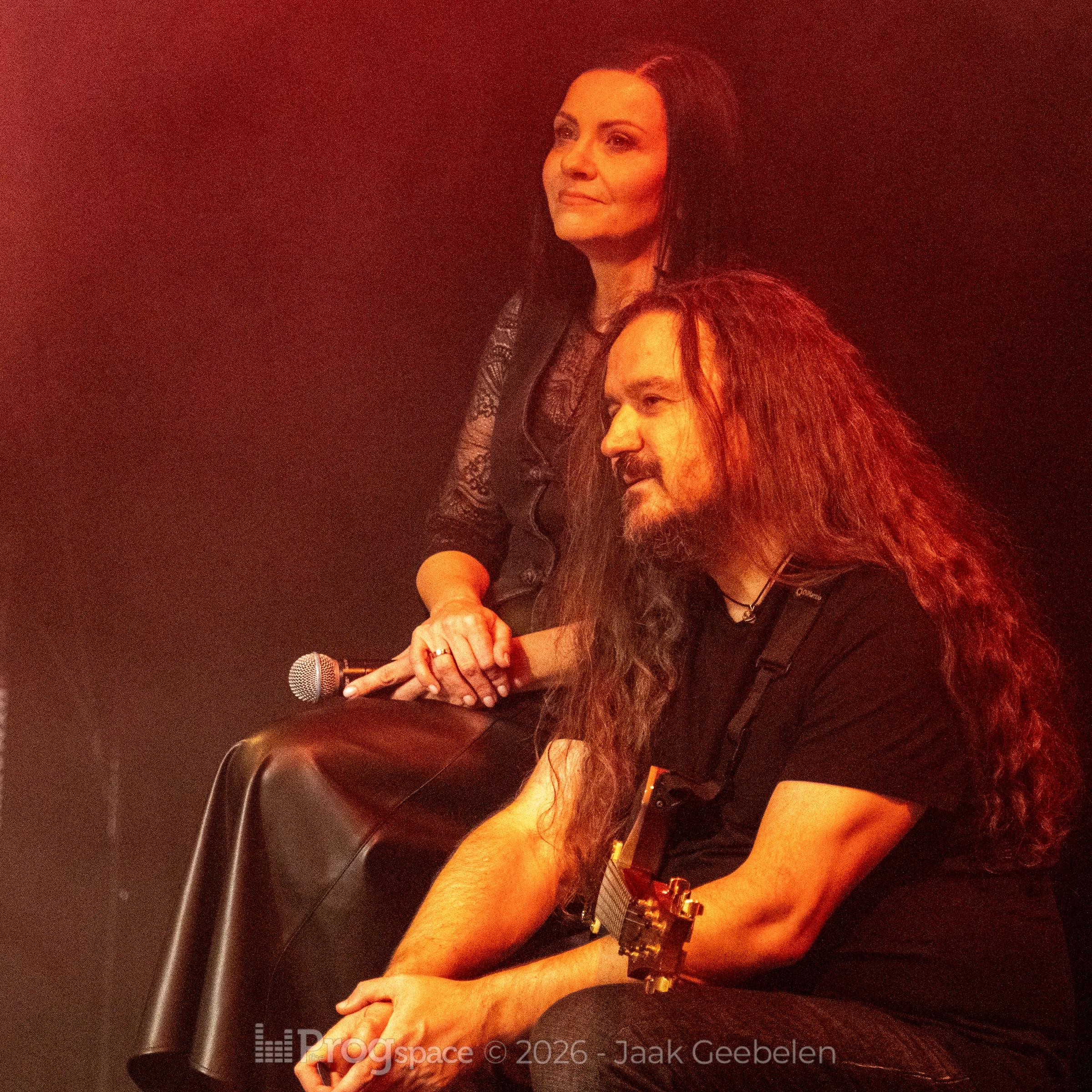
The atmosphere then became more restrained with Fingertips, also from Stationary Traveller. Colin Bass took centre stage with his warm voice and acoustic guitar, while Emilia Nazaruk and Maciej Meller sat down behind him for part of the performance, watching and listening with obvious appreciation. It was a charming stage image, with the other musicians giving their guest the space to shine.
On the original studio recording, Fingertips features a beautiful saxophone solo by Mel Collins. There was no saxophonist on stage in Warsaw, but the instrumental space was filled by Jacek Zasada’s flute and Maciej Meller’s guitar. This gave the melancholic Camel composition a distinctive Quidam character without compromising its understated beauty.
With Goodbye to Albion, once again from An Outcast of the Islands, Colin Bass’s appearance reached an exuberant conclusion. After the intimacy of Fingertips, the atmosphere shifted towards an almost festive musical celebration, with Jacek Zasada’s flute taking a particularly prominent role. His lively passages gave the composition an infectious folk character, while Emilia Nazaruk was visibly swept up in the music.
The song also carried special historical significance. During Emilia’s farewell concert with Quidam in 2003, Colin Bass had already performed Goodbye to Albion alongside her. Hearing them perform it together again more than two decades later added another emotional dimension to the occasion.
Towards the end, Bartosz Kossowicz returned to the stage to join in the final section. Both singers, each representing a major chapter in Quidam’s history, were now sharing the stage with Colin Bass. It was a festive and symbolic conclusion to a guest appearance that brought almost thirty years of musical friendship back to life.
Colin Bass’s section was therefore far more than a pleasant interlude. The five carefully selected songs highlighted not only the musical affinity between Camel and Quidam, but also the depth of the personal connections between these musicians.
Chapter 4 – The Finale: Past and Present United
Following the festive conclusion of Colin Bass’s appearance, Bartosz Kossowicz once again took centre stage with Kinds of Solitude at Night, from Alone Together (2007). The performance remained remarkably faithful to the original album version, without major changes to the arrangement.
The atmosphere on stage had become thoroughly exuberant. Bartosz moved energetically across the stage, while Emilia Nazaruk remained present, visibly enjoying the music. With this song, Alone Together, one of my favourite Quidam albums, had finally received a well-deserved second appearance in the anniversary set.
The three remaining songs shared another interesting connection: Not So Close, Głęboka rzeka and Spotykanie can all be found on Deep River, Quidam’s anniversary album released in 2026. For this record, the band revisited six compositions from its history, selecting one song from each of its six studio albums and recording them anew with Emilia Nazaruk back on vocals.
The album title itself is significant. Deep River was the band’s original name before they became Quidam in 1991. The record therefore represents not only a return to earlier material, but also a symbolic journey back to the group’s roots.
With Not So Close, originally from surREvival (2005), the finale continued. The song represented the first period with Bartosz Kossowicz, but Emilia’s presence on stage also created a connection with the band’s earlier history. The audience, which had been standing for some time, enthusiastically embraced the music.
The evening’s greatest celebration followed with Głęboka rzeka, from Quidam’s self-titled debut album (1996). The song took us back to the band’s symphonic and folk-inspired roots, with Jacek Zasada’s flute once again playing an important role.
By now, the atmosphere in the hall was truly exuberant. Everywhere, people were clapping, moving to the music and raising their arms. Bartosz actively encouraged the audience to participate, while Emilia enthusiastically joined in the celebrations.
It was a wonderful moment in which the distance between the stage and the audience seemed to disappear almost completely. After more than two hours of music, there was hardly any sign of fatigue. Quite the opposite: the enthusiasm only seemed to grow. That Głęboka rzeka, a composition from the band’s early years and a reference to their original name, should provoke such an overwhelming response made the moment even more meaningful.
The encore was Spotykanie, originally from Saiko (2012) and also rerecorded for Deep River. It ensured that Quidam’s later musical period was represented in the final moments of the anniversary concert.
A particularly striking passage featured Emilia Nazaruk’s wordless vocals, as her voice moved beyond the lyrics and became an expressive instrument in its own right. The emotional intensity and soaring vocal lines brought to mind Clare Torry’s unforgettable performance on Pink Floyd’s The Great Gig in the Sky.
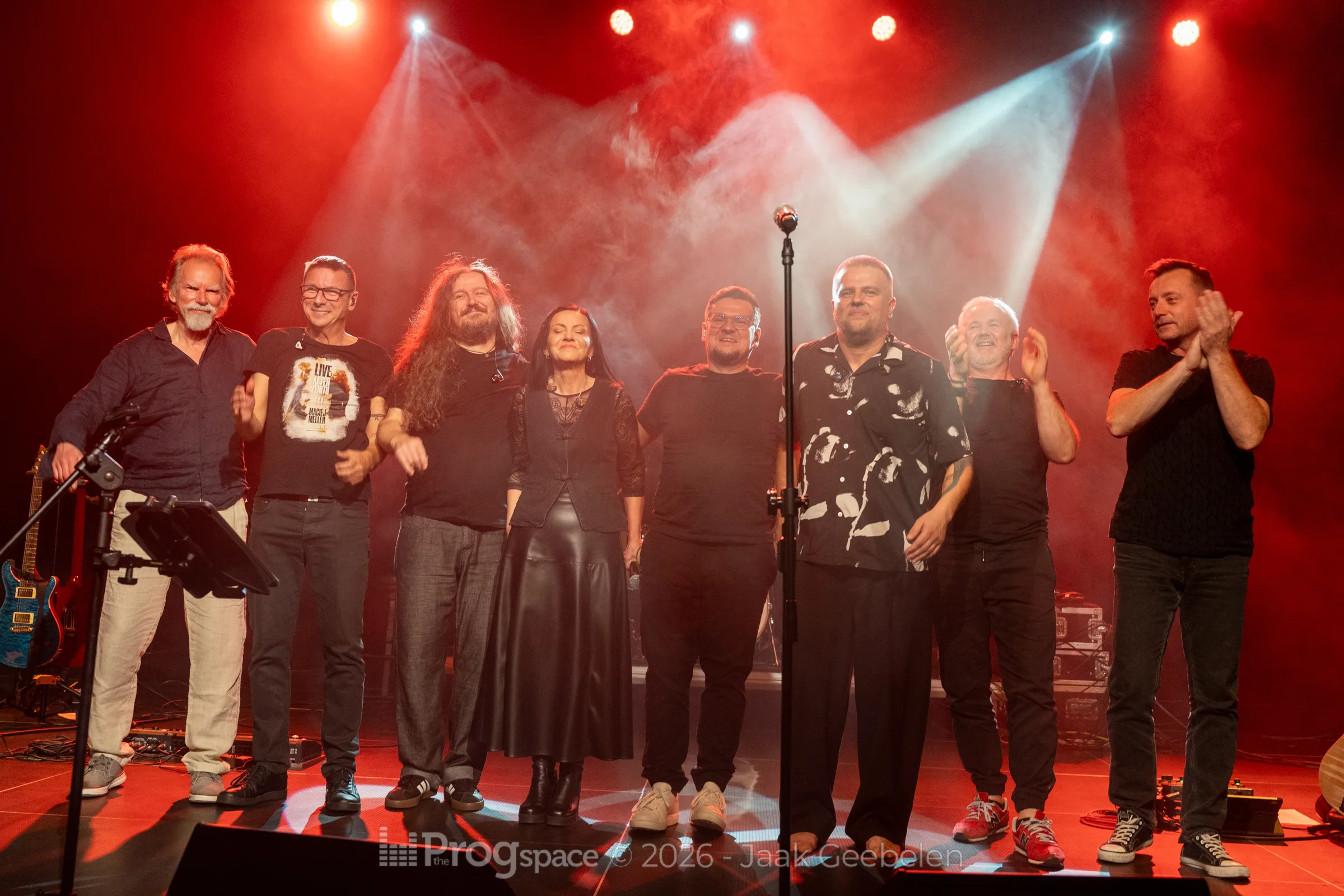
And so, after approximately two and a half hours, a remarkable anniversary concert came to an end. Quidam had brought together several chapters of its musical history, from the symphonic early years with Emilia to the later stylistic evolution under Bartosz, with the longstanding friendship with Colin Bass providing another important dimension.
The enthusiastic response of the audience, which remained standing throughout much of the final section, demonstrated how much this music still means to its devoted followers after 35 years. Above all, the exuberant reception of Głęboka rzeka will remain in my memory.
It was a fitting and wonderfully warm conclusion to an evening in which Quidam did more than simply commemorate its past. They brought it vividly back to life.
Special thanks to Ela Williamson for her assistance and valuable insights in preparing this review.






 We’re a group of Prog-lovers who started a journey to share with you our thoughts about albums, concerts, tours and festivals, the photo galleries of the Prog concerts we visit, as well interviews with upcoming or established musicians or prog-related people. Follow our Facebook page for frequent updates and news around the Progniverse.