




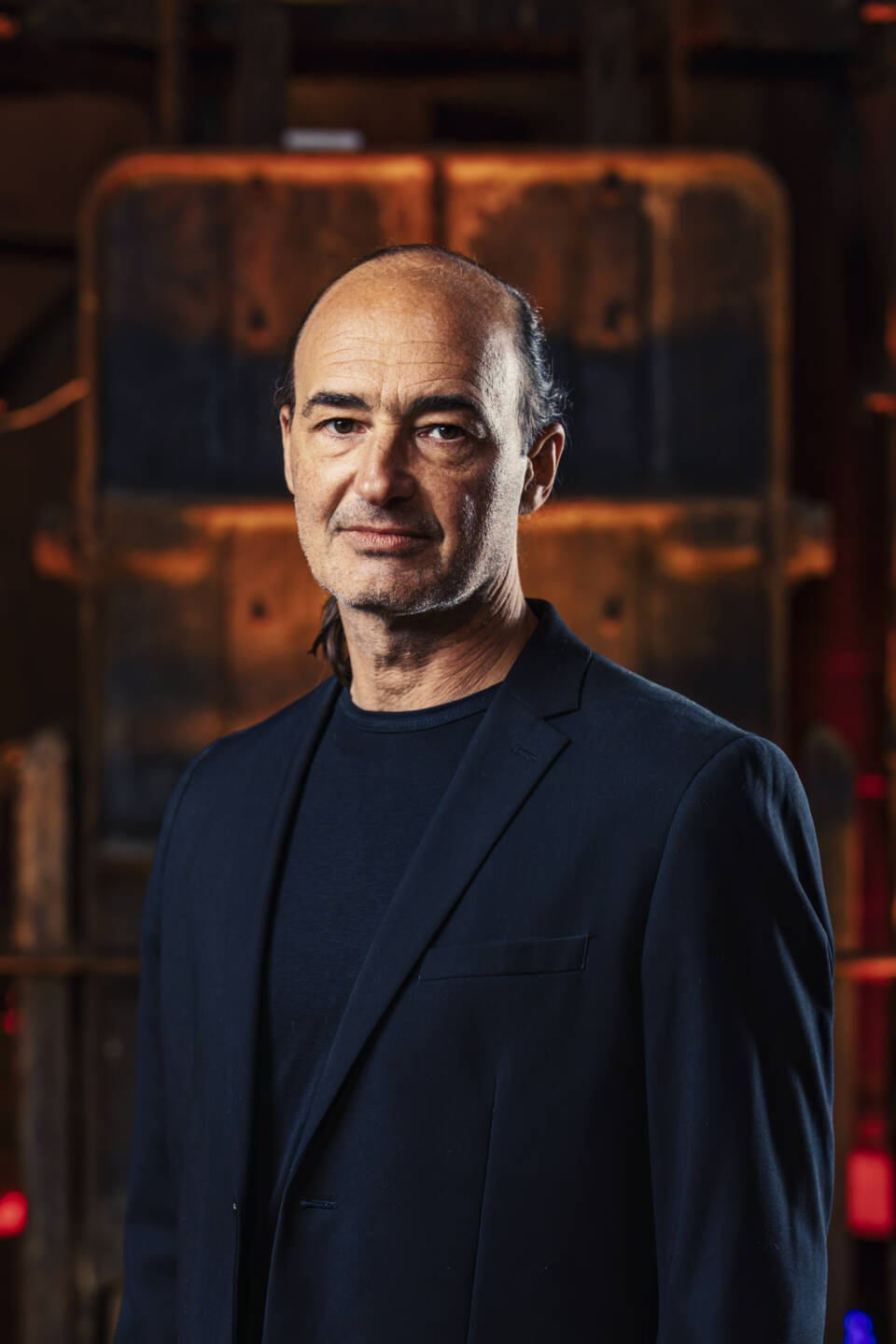
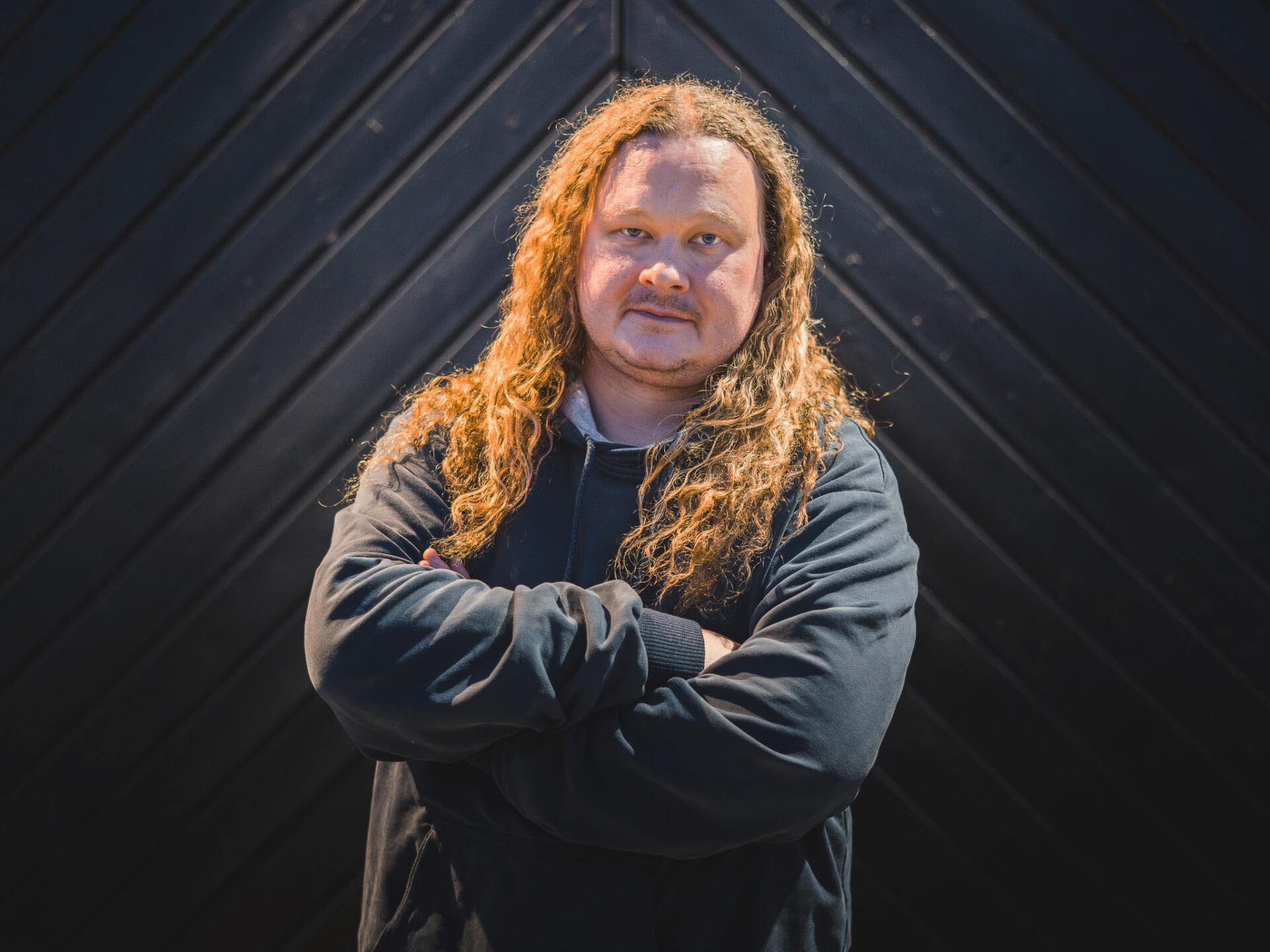
Nicolao dos Santos & Yannik Emmerich of Hadean: From cave paintings to astrophysics in “Origins”
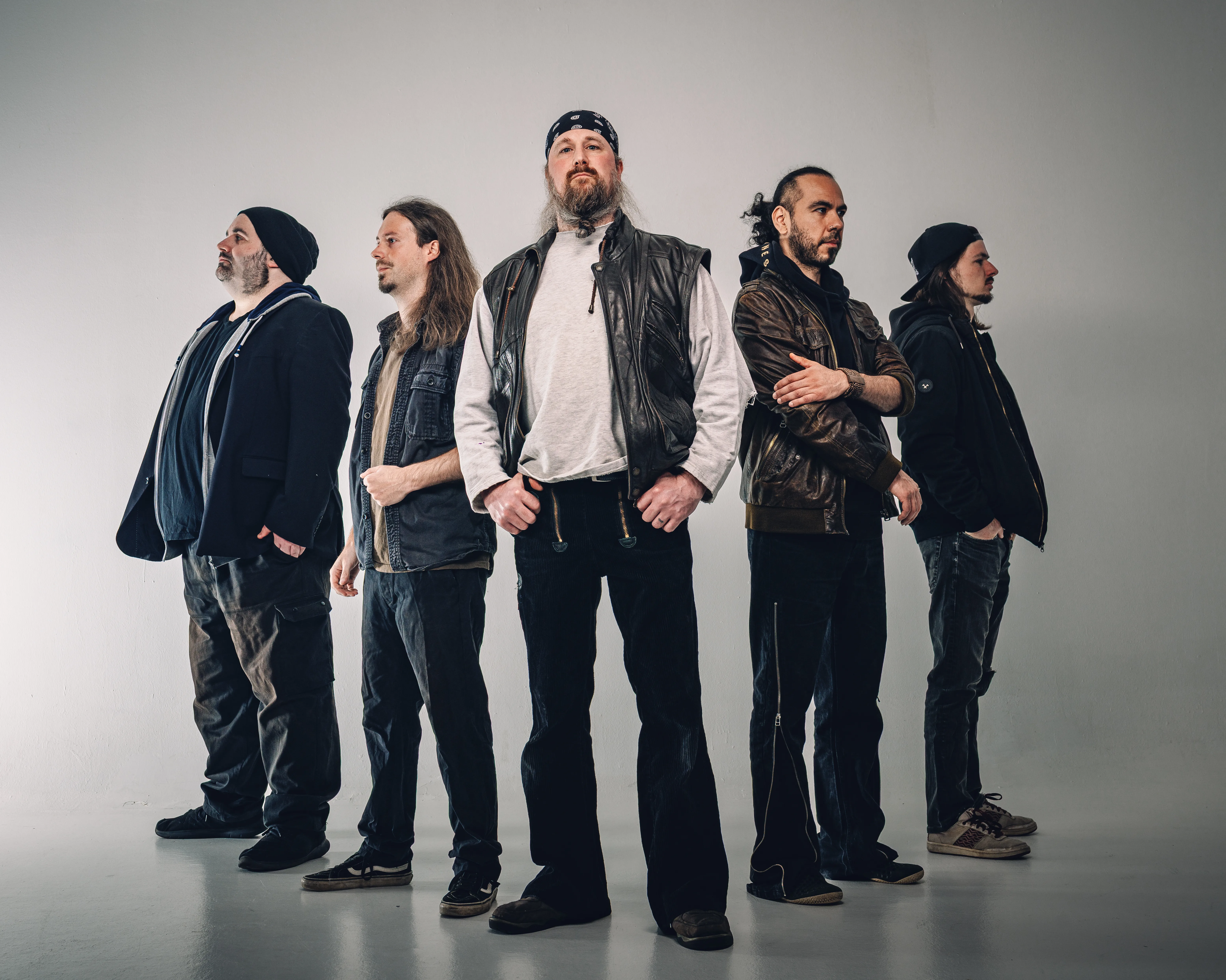
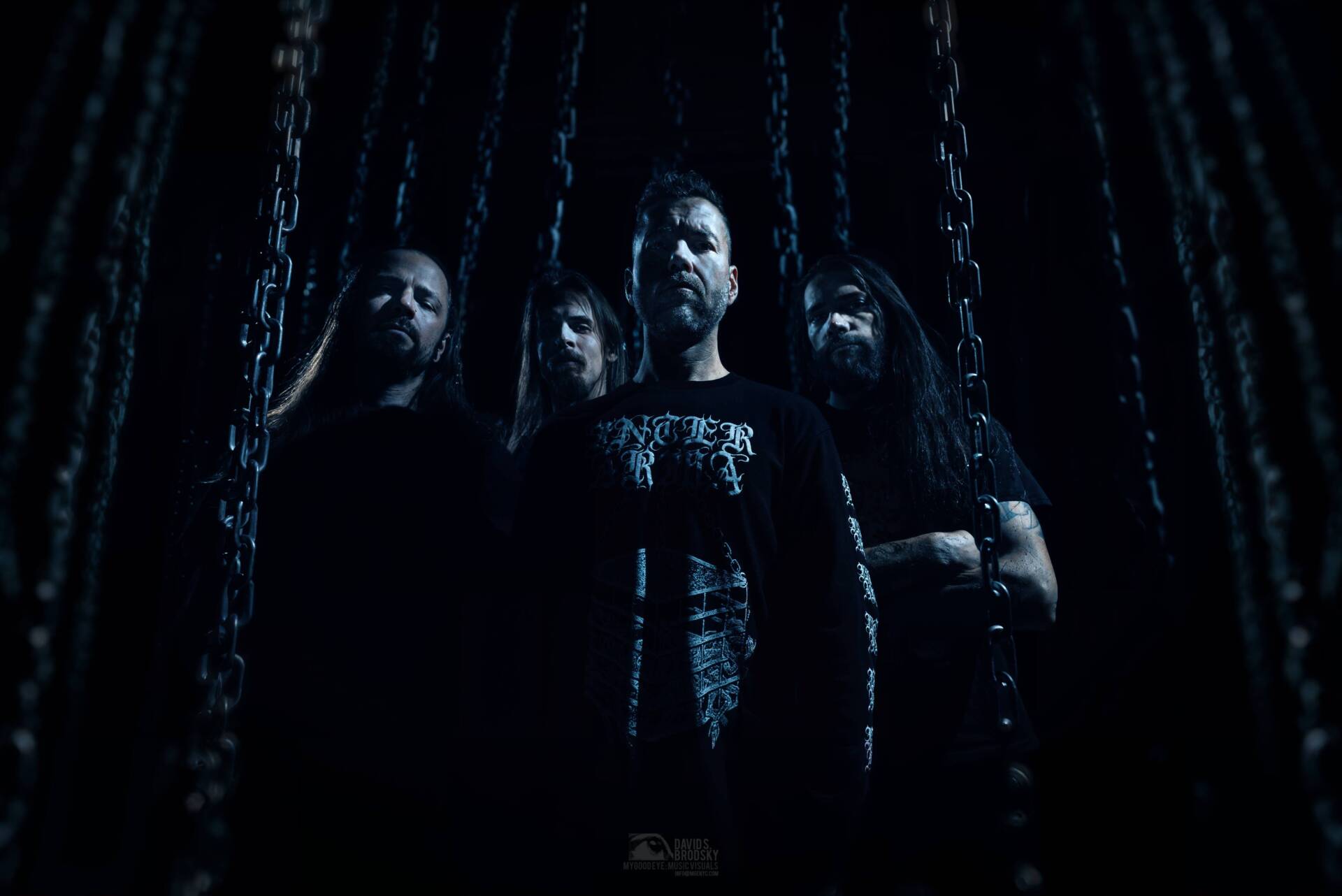
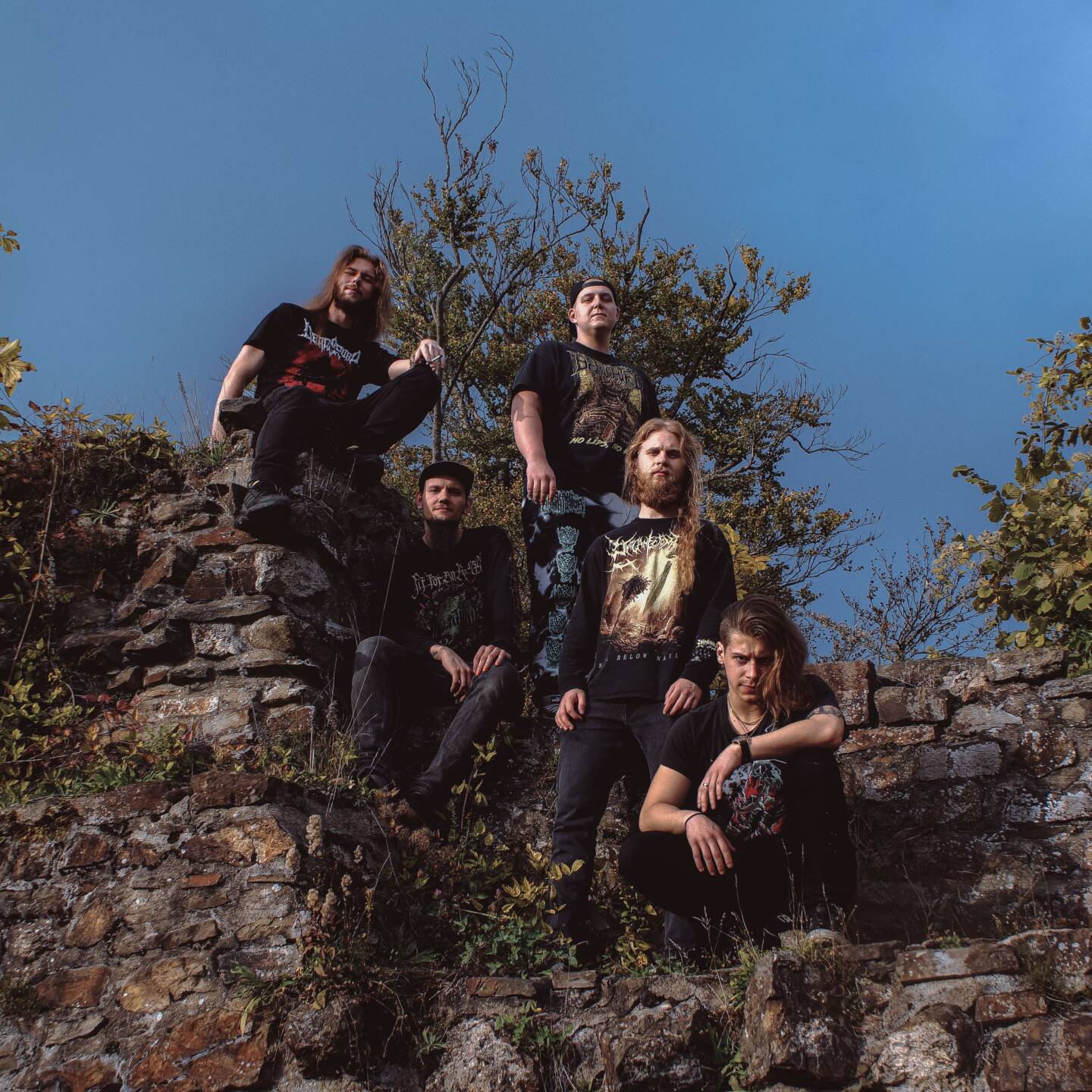
Hadean, a progressive metal band hailing from Germany, has been captivating listeners with their unique blend of cinematic orchestration and heavy, riff-driven metal since their formation in 2010. Known for their ambitious compositions and thematic depth, the band recently released “Origins”, an expansive concept album exploring humanity’s journey from its ancient beginnings to its cosmic future. Combining elements of progressive, symphonic, and thrash metal, Hadean’s sound stands apart with its seamless integration of orchestral arrangements and evocative storytelling.
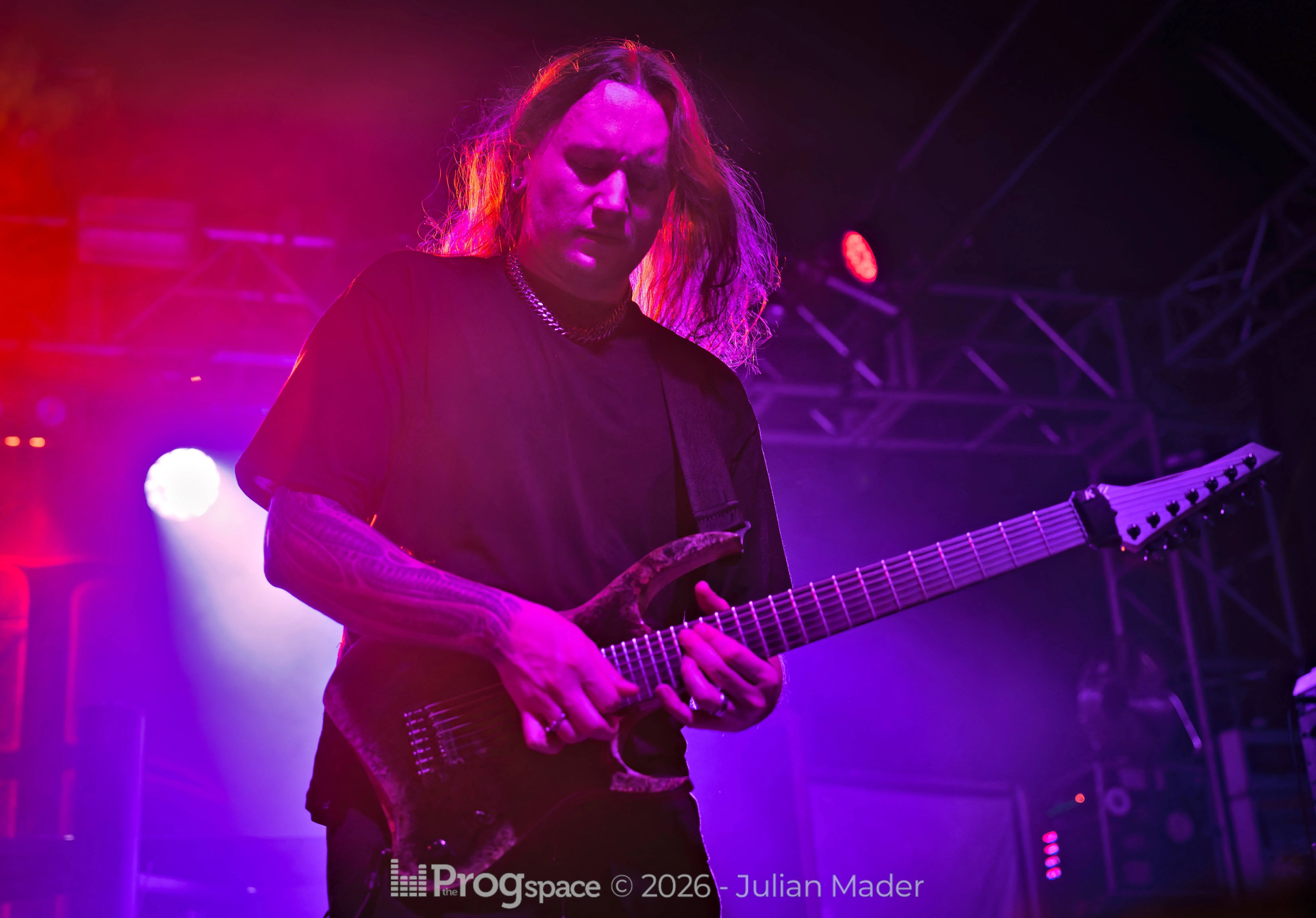
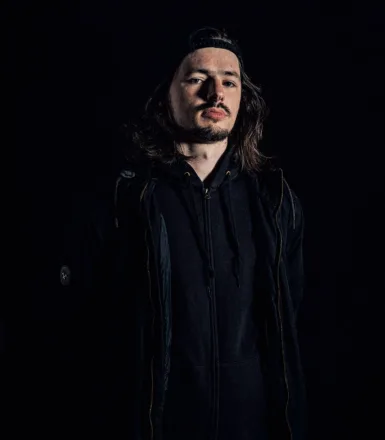
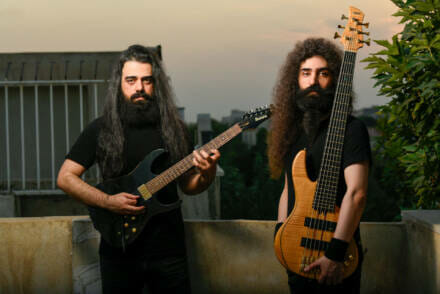
In this interview, guitarist and primary composer “Nico” Nicolao dos Santos , who also brought his expertise in music theory and production to the album, joins guitarist Yannik Emmerich, a key contributor to the band’s dynamic rhythm and harmonies, to discuss the making of “Origins”, their influences, and the challenges of bringing such a monumental project to life.
Greetings, and thanks for taking the time to talk to The Progspace! You’re Hadean, and you’ve recently released an ambitious and expansive album titled “Origins”. To start, could you introduce yourselves for those who may not know you?
Nico:
Sure! Hadean grew out of my very first band. Back in school, I played in a melodic metal band called Stormwhisper. Over time, some members wanted to take things in a heavier direction – toward thrash or US power metal – while others preferred to keep it lighter and more melodic. There were also differences in commitment; some wanted to push the band further, while others treated it as more of a hobby. Eventually, this led to a split, and we formed a new band, though we didn’t have the name Hadean yet. Musically, we were already heading toward what we created on our first album, “Parasite”: a mix of progressive touches grounded in US power and thrash metal. At first, we didn’t have a vocalist. We eventually found Freio (Michael Haas), who became our singer through some mutual musician connections. He’s also a trained audio engineer with his own recording studio, which was a huge advantage since we recorded, produced, and mixed “Parasite” there. We toured a bit in Germany, primarily in North Rhine-Westphalia and neighboring regions. In 2013, after another lineup change, we started working on what ultimately became “Origins”. Yannik, when did you join us?
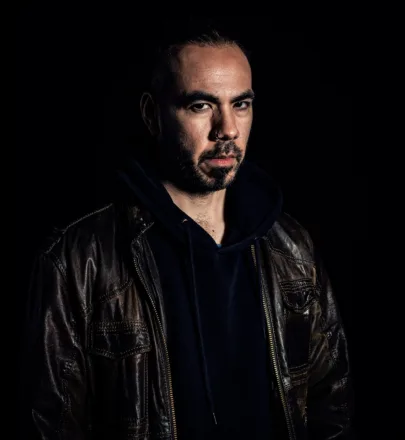
Yannik:
I believe I joined in late 2017.
Nico:
Right. At that point, I had already moved to Kassel, where I composed much of the album and began the first recordings. By then, we had also brought in a new drummer.
Yannik:
Exactly. I joined after meeting Nico through a mutual friend (Janina Schweitzer) , who also contributed soprano vocals to the album. I already knew about Hadean and was a fan of “Parasite”, though Nico and I hadn’t met before. When I joined, the band’s lineup was a bit unstable, and things had been relatively quiet for a while – no concerts, and the album production was already taking a long time. Some members had personal commitments, like starting families, which slowed things down. Nico was traveling around at the time, recording individual orchestral musicians for the album. The orchestral parts were pieced together from these recordings, which were later layered into the compositions. I also contributed guitar parts, vocal harmonies, and additional sections during the later stages of production.
So the songwriting for “Origins” stretched from 2013 all the way until now?
Nico:
It would’ve been ideal to work on it as a band, like I did with my first band, where we composed songs collectively in the rehearsal room. For “Origins”, though, many tracks were worked out by me alone, while a few, like ‘Starborn’, were written by our former guitarist, Daniel (Daniel La China). We played that song with our old lineup but refined it when Yannik joined.
The process wasn’t as collaborative as I’d hoped. For example, “Origins” required detailed work on harmonies and melodies, leaving little room for improvisation. My music studies helped with theory, like voice leading, but they also made some parts less flexible. Still, other sections allowed for more input, and that’s where Yannik contributed vocal ideas, guitar solos, and harmonies to enrich the music.
You started out as a fairly classic metal band, but this album feels very progressive – or even cinematic. At times, it sounds like it could be a film score. Was that intentional, or did it evolve naturally?
Nico:
The first album had hints of progressive metal, but only in small doses. With this new material, switching to seven-string guitars added a more prominent progressive sound. It was both a natural evolution as musicians and a deliberate decision – particularly with the orchestral elements. If you’re curious, I can explain how the orchestral concept came about.
Definitely! That’s a standout feature of the album.
Nico:
If I recall correctly, it started with two main inspirations. First was Werner Herzog’s documentary Cave of Forgotten Dreams, which explores the Chauvet Cave in France and its ancient cave paintings. The cave was sealed off for over 40,000 years, perfectly preserving the artwork. The film’s imagery, music, and reflection on humanity’s early artistry influenced me deeply and found their way into the lyrics. The second inspiration was Carl Sagan’s series Cosmos, which opened up a completely different perspective – astrophysics. These two themes – humanity’s origins and its exploration of the cosmos – merged in my mind. The album tells a story that starts with humanity’s beginnings, follows our struggles and exploration of unknown lands, and moves into the modern era with milestones like the Voyager probes. It’s about the incredible journey from our origins to exploring the universe. What’s your take on it, Yannik?
Yannik:
I’ve revisited the lyrics recently, and that theme of gazing into the cosmos runs throughout the album. The songs evoke vastness and a sense of awe – both for the universe and for our place within it. While humanity has come a long way, the cosmos remains an enormous, mysterious frontier. That feeling of awe really stands out to me in the lyrics.
Nico:
Two songs stand out in this regard: ‘Like Tears in Rain’ and ‘Ruins of Time’. Both reflect on the impermanence of humanity’s story – how we’ve achieved so much, yet our impact on the universe is small and fleeting. With 99.9% of all species already extinct, humanity faces similar probabilities. These songs express both awe for the universe and humility about our place in it. It might sound bleak to some, but I see it as something to celebrate – despite our smallness, we’ve discovered so much about the cosmos and our role in it.
In the middle of the album, ‘Through Amber Eyes’ feels like a complete change of pace compared to the heavier tracks. What’s the story behind that song?
Nico:
That song is a personal one – I wrote it for my dog. It’s probably the least connected to the album’s overarching concept. I wrote it on New Year’s Eve after receiving my first classical guitar – a 7 string, mind you! My dog, who had been with me for 15 years, had recently passed away, and the song came naturally as a tribute to him. The album version is almost identical to the original demo. Aside from minor lyric adjustments, everything stayed the same, including the final arpeggio, which I lifted directly from the demo because I felt it captured the emotion better than I could replicate.
If it worked, why change it, right?
Nico:
Exactly! Sometimes a demo captures a spontaneity or feeling that’s impossible to recreate later.
One thing that stands out is the diversity in vocal styles – growls, clean singing, harmonies. How did that come about?
Nico:
On ‘Parasite’, Freio did most of the vocals, while I contributed clean vocals on two songs. Since then, I’ve become more confident with lead singing. The vocal distribution came naturally. Freio handled the powerful parts, while Yannik, with his higher range, took on upper harmonies. Later, Andreas März joined as bassist and added death growls, particularly in heavier sections like in ‘Ruins of Time’.
The bass tracks were recorded by Lars Kaufmann, though, right?
Nico:
Yes, Lars recorded all the bass parts before leaving the band. Andreas joined after we were already in the mixing stage.
What about the orchestral and choral vocals?
Nico:
While in Kassel, I asked orchestral musicians I knew to contribute. Anna Nesyba offered soprano vocals, and Janina Schweizer (from Folkwang Convervatory, Essen) organized a small choir, which we recorded at her school. These elements added depth to tracks like ‘Origins’ and ‘Quantum’.
You worked with Freio for mixing and Jens Bogren for mastering. How did that come about?
Yannik:
Freio handled mixing in his studio, given his expertise. For mastering, we wanted fresh ears and a big name, so we approached Jens Bogren, who gave the album that extra polish.
Nico:
Roman Beilharz mixed the orchestral sections using Vienna MIR, a 3D audio tool for simulating concert halls, which helped blend the orchestra with the band mix seamlessly.
The artwork ties in with the space theme. How does it connect to the album’s concept?
Nico:
The artwork combines Hubble images, astrophotography, and personal touches – like a photo of my dog for ‘Through Amber Eyes’. It reflects the journey from humanity’s origins to its exploration of the cosmos, a theme inspired by Carl Sagan’s Cosmos.
What’s next for Hadean?
Yannik:
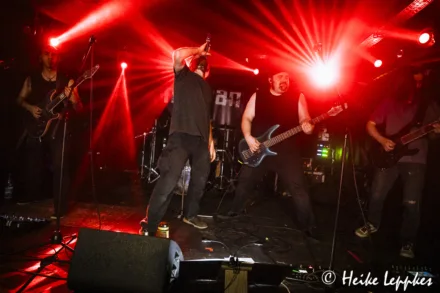
We’ve played a few shows and hope to one day perform with a live orchestra. For now, the orchestral parts are played through backing tracks during live performances.
Nico:
I composed the songs so the band and orchestra are inseparable. This integration is critical to our sound.
Yannik:
Beyond live shows, we’re working on new material and reworking an older track for release. Our focus is also on promoting “Origins” to ensure it gets the attention it deserves.
Nico:
I hope the album reaches as many people as possible. While some may classify it as “symphonic metal,” I think what we’re doing is unique. Our influences come from heavier styles, and the classical elements are more prominent this time. It’s its own thing, beyond easy categorization.
Thank you for the insights – wishing you best of success!



 We’re a group of Prog-lovers who started a journey to share with you our thoughts about albums, concerts, tours and festivals, the photo galleries of the Prog concerts we visit, as well interviews with upcoming or established musicians or prog-related people. Follow our Facebook page for frequent updates and news around the Progniverse.