





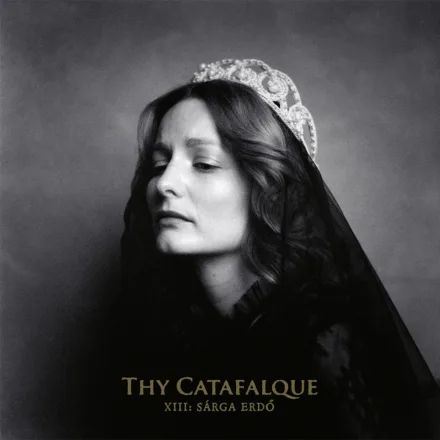














Thy Catafalque – XIII: Sárga erdő
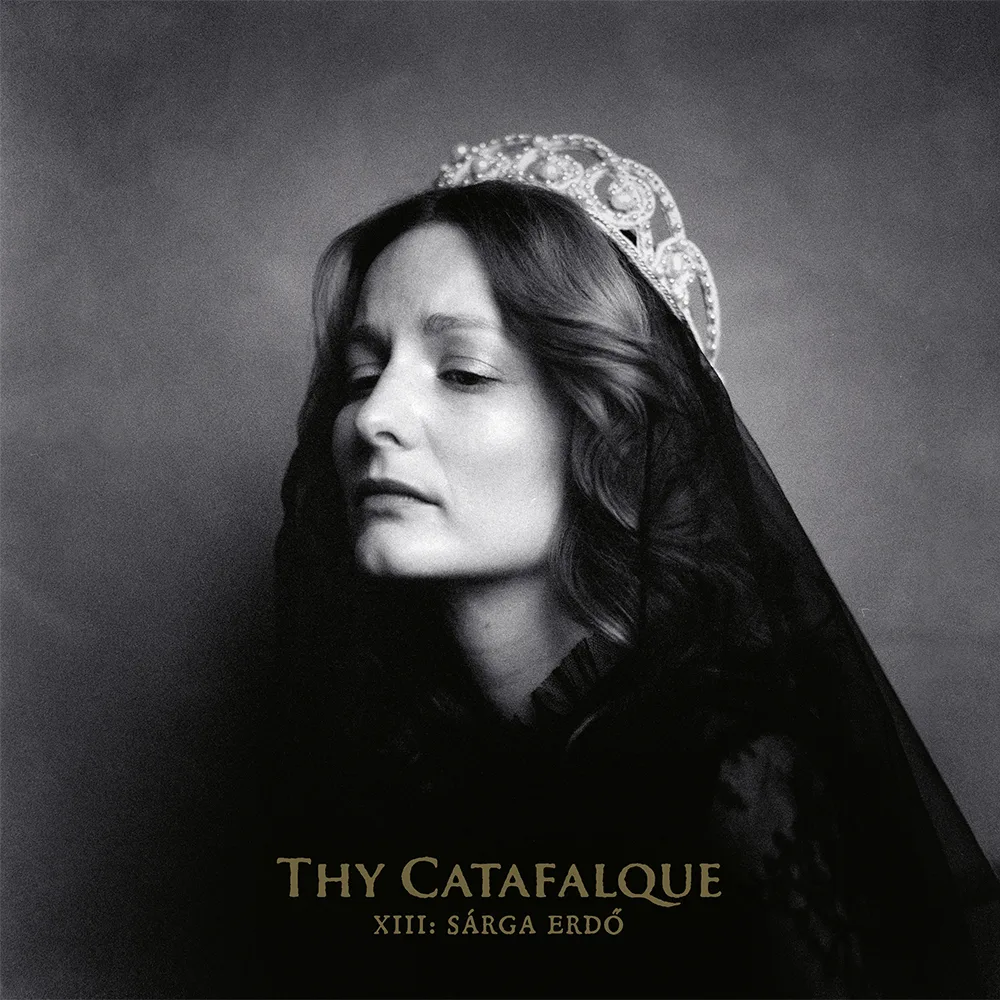
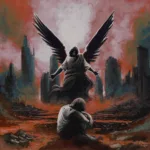
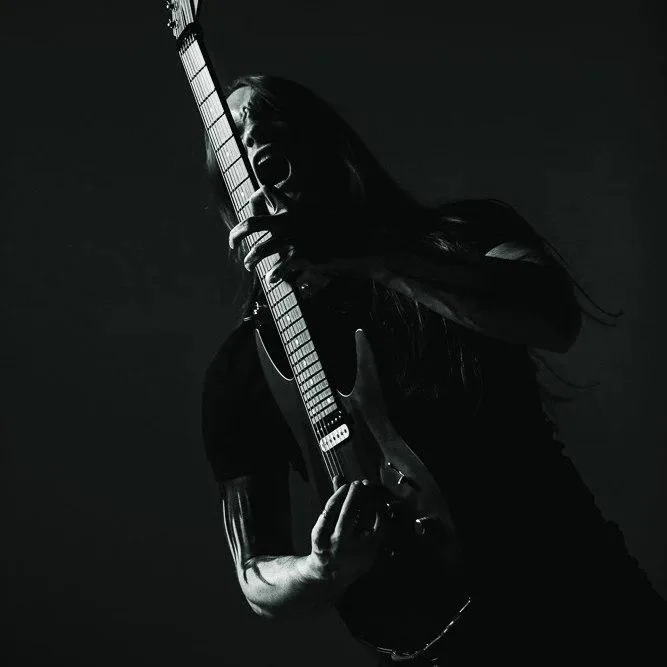
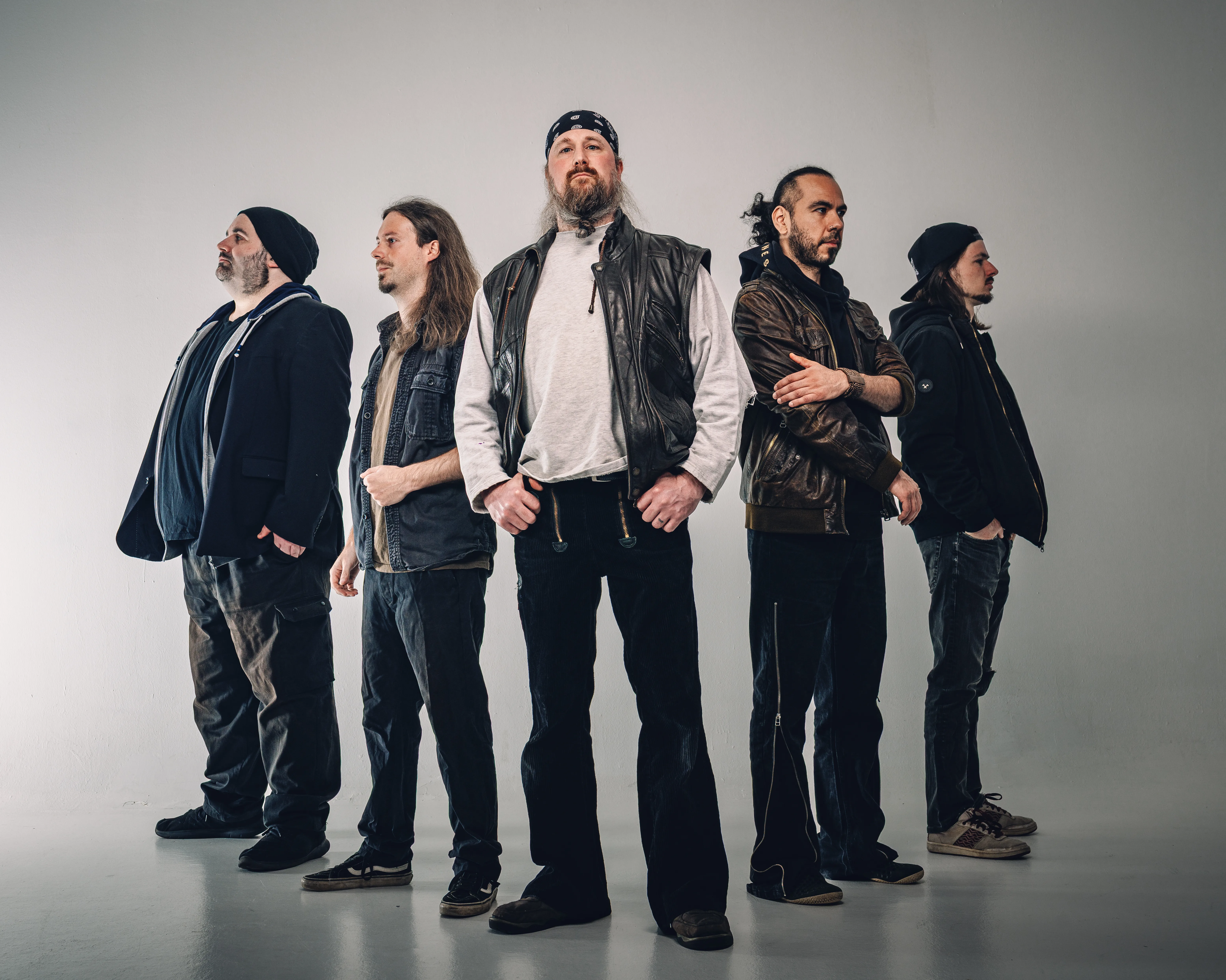
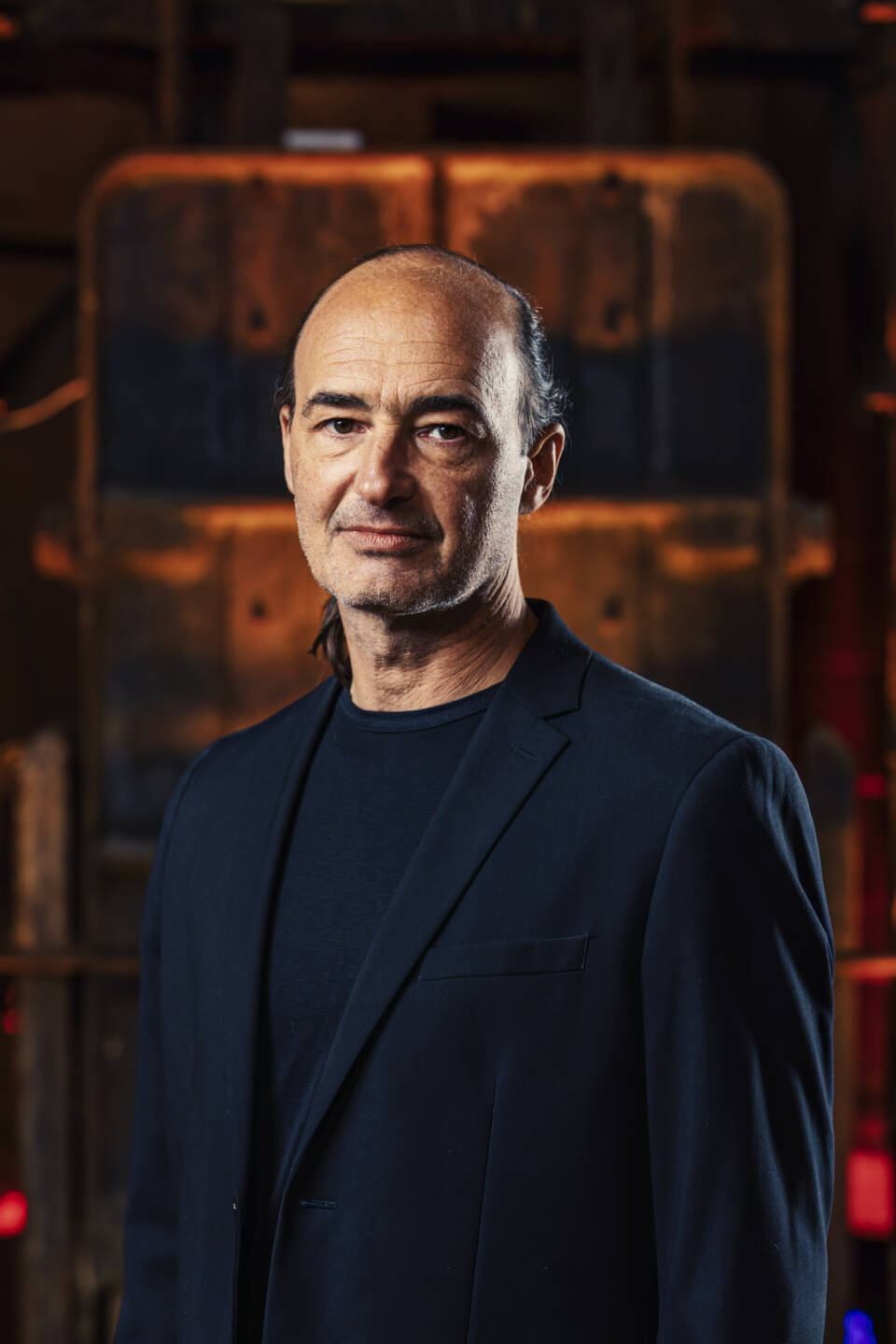
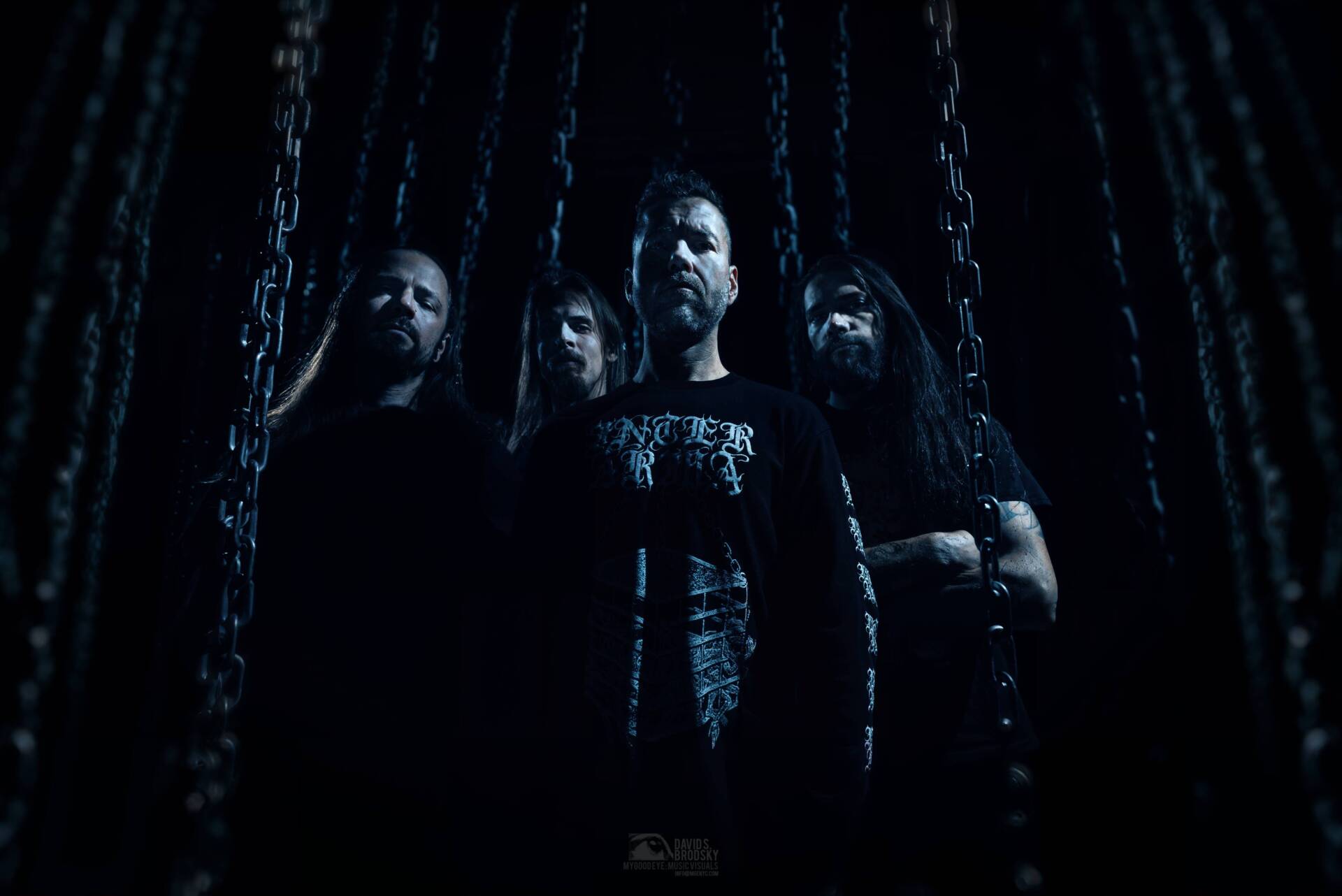
If you enjoy Avant-Garde Metal, then you may well be partial to Thy Catafalque. This “band” for want of a better word is the brainchild of Tamás Kátai which started in 1998 in Makó, southeastern Hungary. “XIII: Sárga erdő” is his 13th album and – interesting fact – the first to feature an actual drummer in Árpád Szenti rather than programmed beats. Tamás performs guitar, bass, keyboards and vocals, and is joined by a veritable army of guests, thirty-four in total across this album’s twelve tracks.
A catafalque is the platform that supports a coffin during a funeral, which might imply sombre music. Yet the album’s mood and style shift dramatically from track to track and often within each number. This is partly due to the huge number of musical instruments that all those guests bring to the mix. The songs are sung in Hungarian so are a little hard to follow. Perhaps the CD booklet will have some English translations. The album’s title translates as ‘Yellow Forest’ and is a collection of stories based on feelings rather than a concept.
This musical adventure kicks off with a lively number. ‘Búcsú a piros madártól’ translates as “A farewell to the red bird”. If you click on more under the YouTube video and scroll down, you will find lyrics in both Hungarian and English. The track features guests Bálint Bokodi on vocals, Krisztián Varga on lead guitar and Noam Dayan on kamancheh. This provides plenty of variety across the track with clean and harsh vocals, and a softer section with a Middle Eastern flavour. This fine opener has a sting in its tail with a soaring guitar solo.
Moving on, ‘Eg anyam fold apam’ (Sky-Mother, Earth-Father) has a post-rock feel, with guest vocals from Gábor Dudás and bassoon and alto flute flourishes from Brandon Wilkins. It’s a solid rocker with some pleasing touches.
‘Dunnak alatt kek mezo’ (Beneath the Quilts, a Blue Field) lightens the mood with a pop-inflected sound. It features Patricio Böttcher on alto saxophone and Ivett Dudás on vocals. It’s catchy and pleasant enough but quite incongruous and a million miles from the project’s Black Metal origins.
The addition of a sitar from Chithrinie Nirupama gives ‘Szitakoto’ a strong Indian aura. The track is short, instrumental and a pleasant little break from the heavier material. Its title translates as Dragonfly. So far, every track has had a different style which is refreshing and builds an anticipation of things to come.
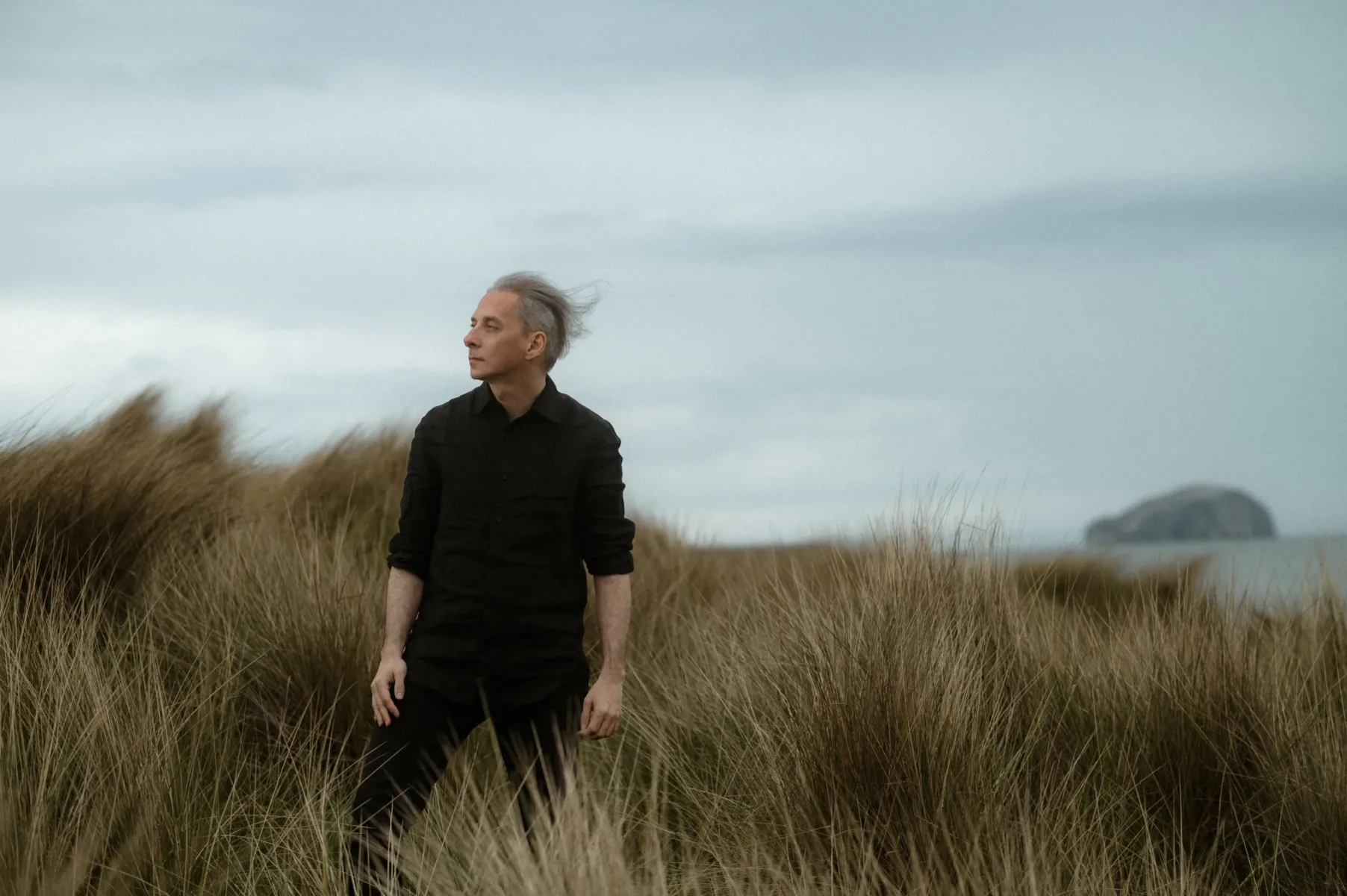
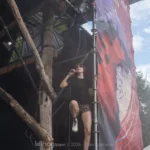
Photo credit – Orsolya Karancz
‘Suhamló éji fák’ (Nighttime Trees Gliding Away) opens with a primal, industrial sound before alternating with lighter passages. Guest contributions shape these shifts: Gábor Dudás again on vocals, Krisztián Varga on lead guitar, plus Peter Voronov and Maria Grigoryeva on violins. The track ends with some spoken words from Anikó Für: “To the left, the black drifting river; to the right, the whitewashed church tower of the sleeping wee town. Behind him, the sun that rolled beneath the earth; before him, the land of mysterious dreams, the blue moon. He sits by the window, lines of rushing trees gliding across his eyes. What stirs now in the forest? Foxes watch the roaring train from the clearing – running with him alone, a boy of seven, into the fathomless darkness of the plain. And as it came, so in the end it disappears within it.”
‘Puszta’ (The Plain) returns to heavier territory, with guest vocals from Annamari Oláh and Lambert Lédeczy. A driving marching rhythm, heavy chords and guttural vocals dominate the first half, punctuated by a lead break from Krisztián Varga. The second half offers an ethereal contrast, pairing Annamari’s sweet vocals with haunting keyboard melodies.
There’s a hint of folk music to ‘Sirato’ (Lament) which features the vocals of Gergely Balla, and Dan Rowland on Oboe d’Amore. I get slight vibes of Wardruna in some parts of this track.
Not far into ‘Cseremisz’ (Cheremis), you may be tempted to dance the Prisyadka, the Slavic squat-and-kick dance. The 20-strong Male Choir of Tiszaföldvár reinforces that impression, with Bálint Bokodi also contributing guest vocals. Other guests include Anikó Barna on citera and koboz, Dmitry Karev on accordion, and Dario Cei on flute. This lively track leans heavily into traditional Hungarian music (I assume). The song appears to be about the Mari (historically called Cheremis) who are an indigenous Finno-Ugric ethnic group in Eastern Europe
‘Sarga erdo’ (Yellow Forest) is not only the title track but also one of the longer ones, Martina Veronika Horváth and Bálint Bokodi guest on vocals, and Krisztián Varga appears once more on Lead Guitar. Wind and strings are added courtesy of Victor Morales (Violin & Piano), Michaela Lilla Bos (Cello), Kelly O’Donohue (Trumpet, Trombone & Flugelhorn), and Efim Braylovskiy on Alto Saxophone. This epic track is full of variety and majesty with many changes in pace, intensity and style, making it one of my favourites.
‘Tombok’ (Masses) features Ivett Dudás and Gábor Veres on vocals, with Krisztián Varga and Zoltán Vigh sharing the lead guitar duties. Black Metal is the overwhelming genre here as Tamás returns to his roots. Even though it features Dario Cei on Flute it is still the heaviest track on the album.
The sound of birdsong can be heard at the start of ‘Kut vizen nap forog’ (The Sun Turns on the Well’s Water). Ivett Dudás and Gábor Dudás are here again as guest vocalists, as is Kelly O’Donohue (Trumpet, Trombone & Flugelhorn). Also featuring are Ibrahim Danbaba on Saxophone and Francesco Pisciotta with the string arrangement. It’s an upbeat catchy almost poppy number with heavier bridges, and there’s more birdsong to finish.
As is so often the case with albums, the longest track has been saved until last. The final 10:53 minutes of these 63 minutes are taken up with ’87 tavasz, 87 osz’ (87 Springs & 87 Autumns). This final eleven minutes features Martina Veronika Horváth and Gábor Dudás on vocals, and Antal Cseh with bass/baritone vocals. Lead Guitar is handled by Breno Machado with Daniele Belli adding Classical Guitar. Other guests are Oleg Bezuglov on Violin, Kelly O’Donohue (Trumpet, Trombone & Flugelhorn) and Michele Fortunato on Trombone. Obviously, this is another multi-faceted epic track and how better to finish this diverse beast of an album.
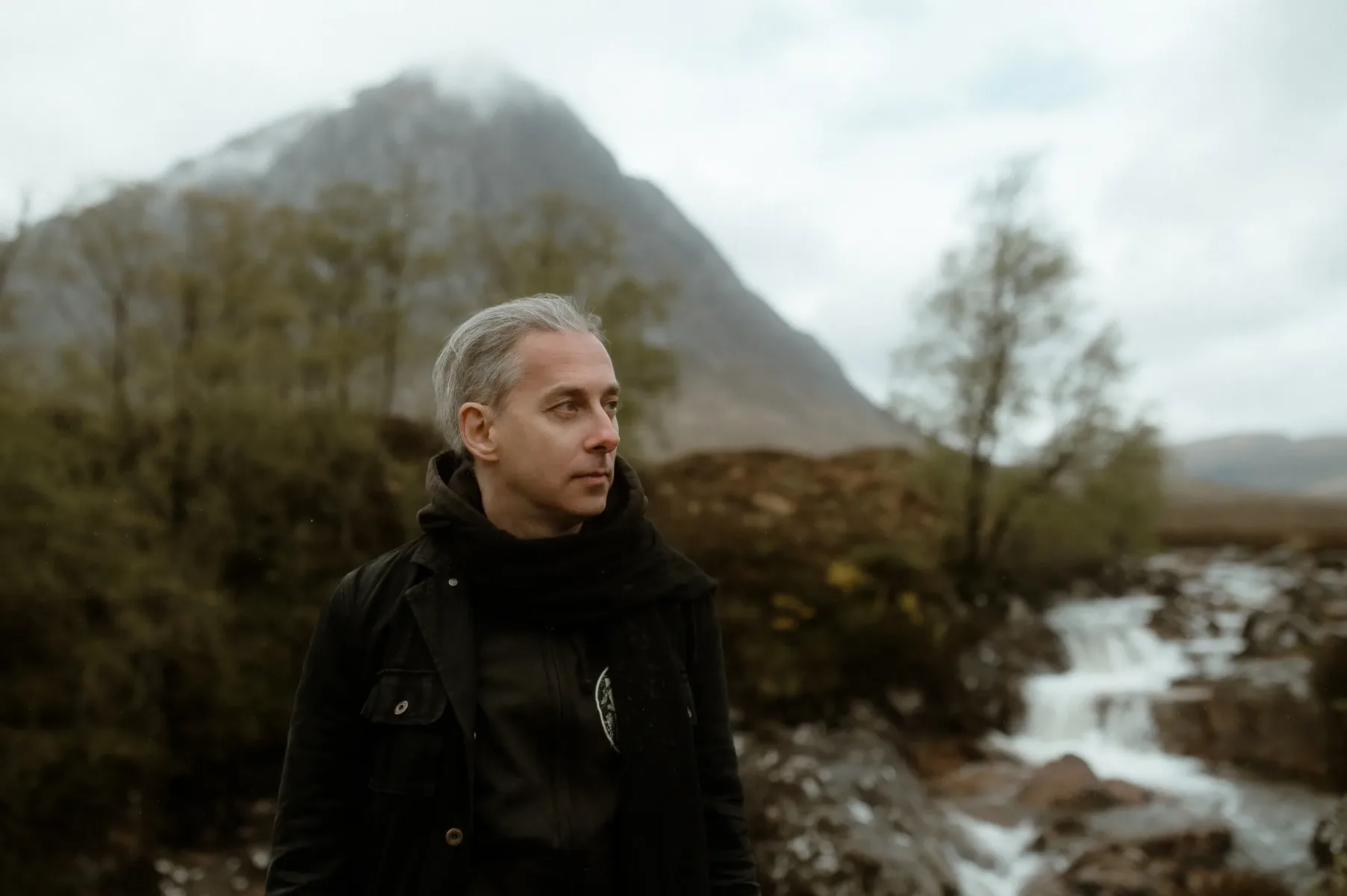
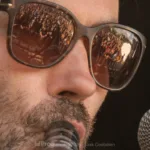
Photo credit – Orsolya Karancz
I don’t know what evolution took place across the previous twelve albums, and I don’t intend to find out (therein lies madness). It appears obvious that the material was destined to never stay within the confines of Black Metal. With an album release every few years since 1999 Tamás has racked up 13 albums in 27 years. The surprising mix of Black Metal, Hungarian Folk and many other styles make for a very interesting listen. Can he keep it up? Time will tell.
Track list:
- Búcsú a piros madártól
- Ég-anyám, föld-apám
- Dunnák alatt kék mező
- Szitakötő
- Suhamló éji fák
- Puszta
- Sirató
- Cseremisz
- Sárga erdő
- Tömbök
- Kút vizén nap forog
- 87 tavasz, 87 ősz




 We’re a group of Prog-lovers who started a journey to share with you our thoughts about albums, concerts, tours and festivals, the photo galleries of the Prog concerts we visit, as well interviews with upcoming or established musicians or prog-related people. Follow our Facebook page for frequent updates and news around the Progniverse.
