


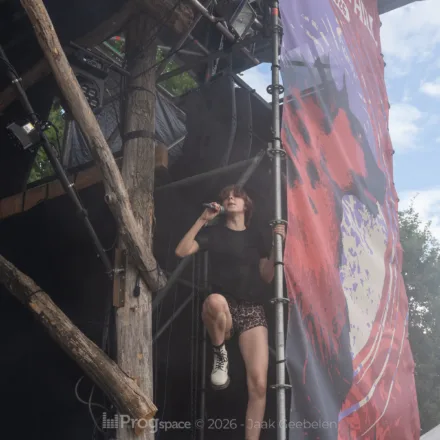

Airbag @ Poppodium 013 Tilburg – May 24, 2026
Airbag – melancholy, atmosphere and controlled intensity at 013 Next
Summary
In a well-filled 013 Next, Airbag delivered an intensely atmospheric performance built around melancholy, slow-burning tension and musical refinement. Following a strong opening set by Lesoir — whose review can be found here: Lesoir @ Poppodium 013 Tilburg, May 24 2026 — the Norwegian band once again confirmed why they belong among the leading names in modern atmospheric progressive rock.
The set offered a carefully constructed cross-section of their entire catalogue, ranging from the early Identity era to the recent The Century of the Self. “Machines and Men,” “Megalomaniac,” “Broken,” and “Colours” stood out as absolute highlights. Particularly striking was how Airbag occasionally moved toward the more modern sonic territory of The Pineapple Thief and Porcupine Tree, while the influence of Pink Floyd — especially through Bjørn Riis’ warm and expressive guitar playing — remained constantly present.
Airbag did not deliver a bombastic rock spectacle, but rather an immersive listening experience driven by atmosphere, emotional tension and carefully controlled dynamics. It is precisely within that restrained subtlety that the band’s greatest strength lies.
After the strong support performance by Lesoir, Airbag appeared on stage in front of an enthusiastic crowd of roughly five hundred people inside 013 Next. The balcony remained closed, so the venue was not technically sold out, but the floor area was packed with an attentive prog audience clearly there for the Norwegians.
Some concerts revolve around spectacle, technical fireworks or pure physical energy. Airbag have spent years proving that intensity can also emerge from subtlety, slowly unfolding tension and emotional layering. Their Tilburg performance felt less like a traditional rock concert and more like a gradually evolving audiovisual listening experience.
Over the years, Airbag have firmly established themselves as one of the defining names within modern atmospheric progressive rock. Since forming in Oslo, the band have built an international reputation with music situated somewhere between Pink Floyd, Porcupine Tree, Riverside and The Pineapple Thief, while always maintaining a distinctly Scandinavian melancholy. Their compositions evolve slowly and organically, placing strong emphasis on atmosphere, space and emotional build-up.
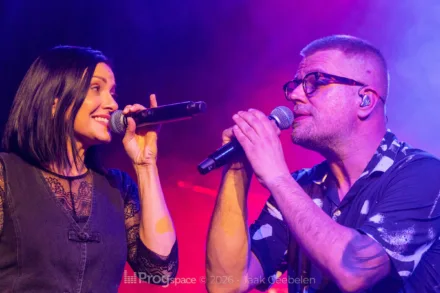
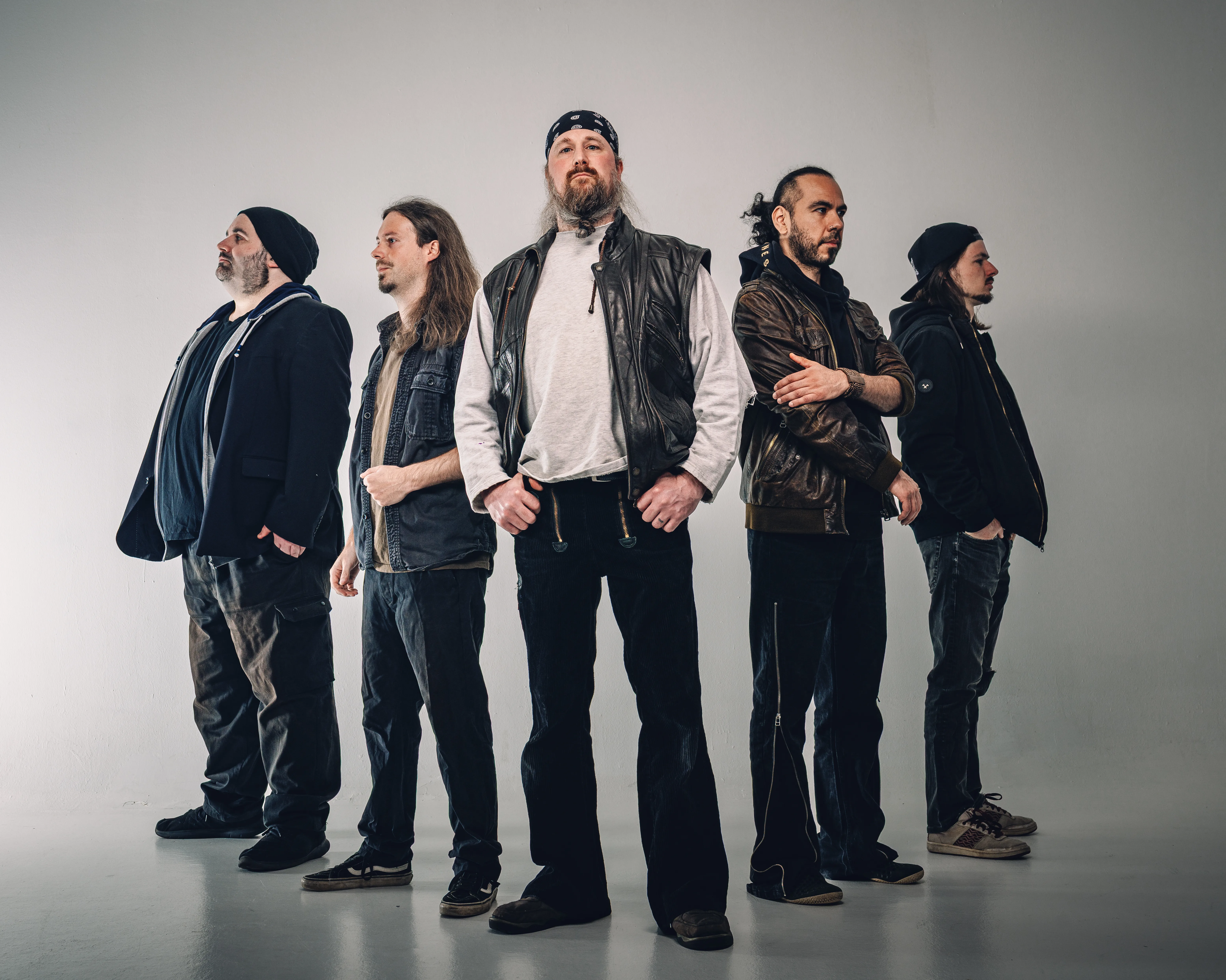
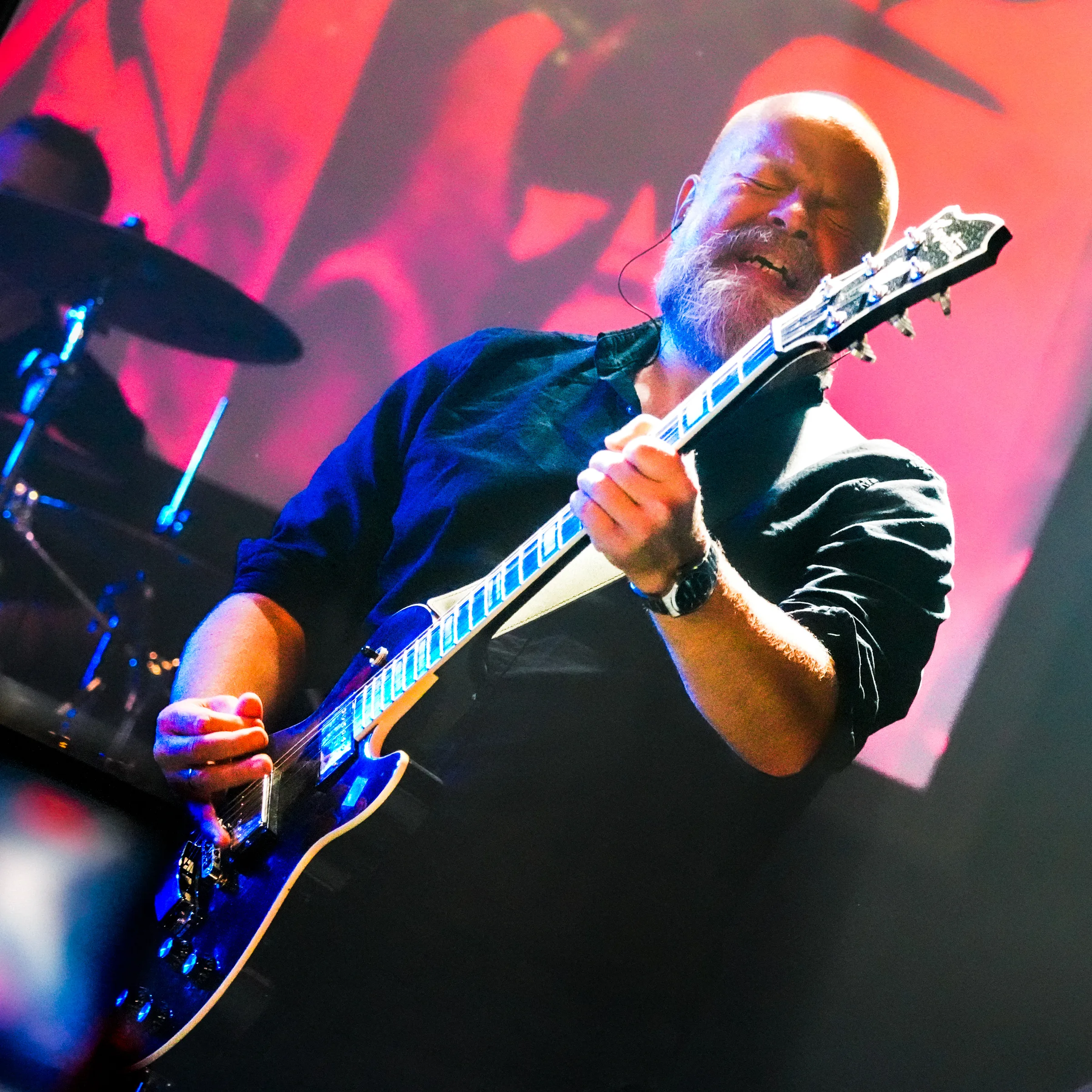
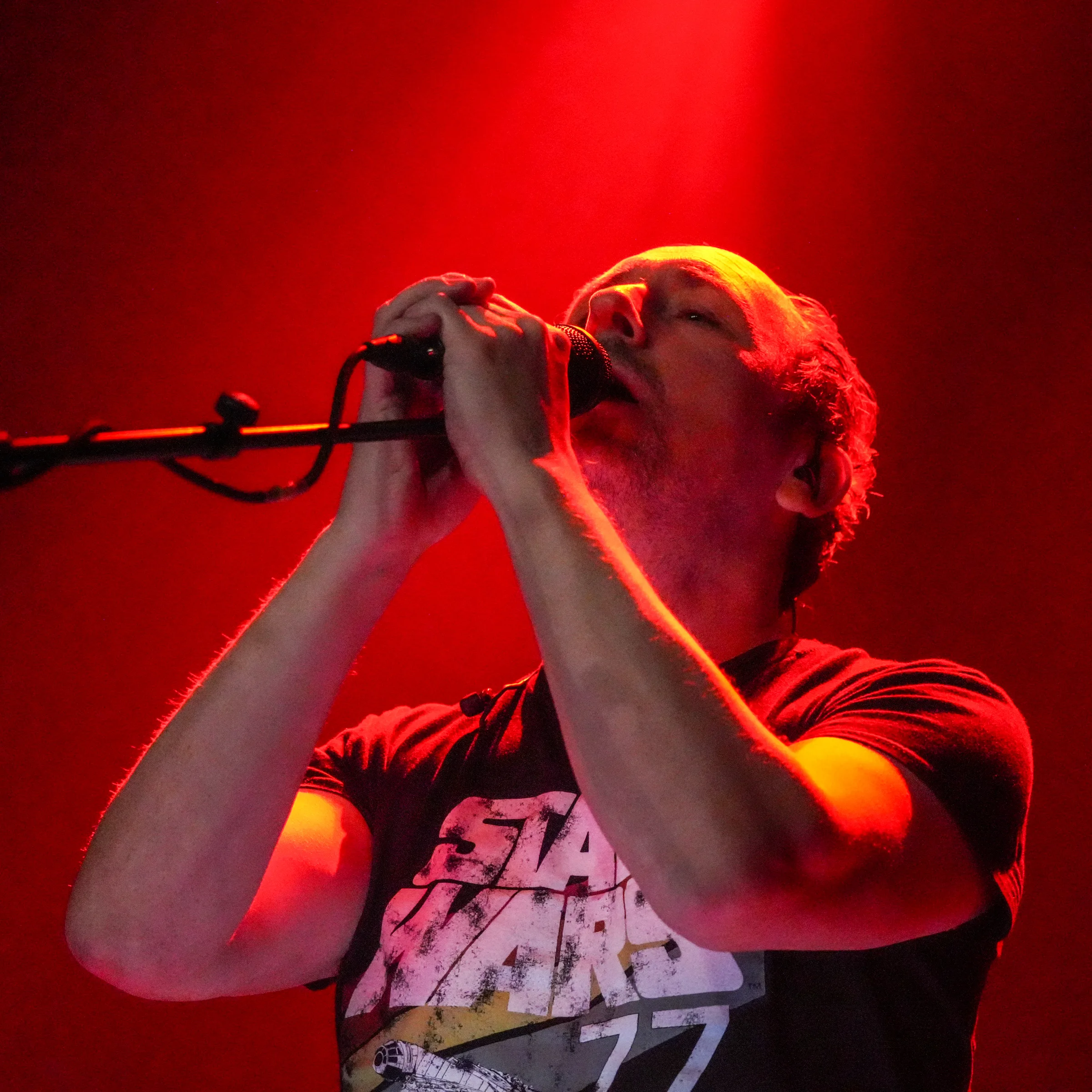
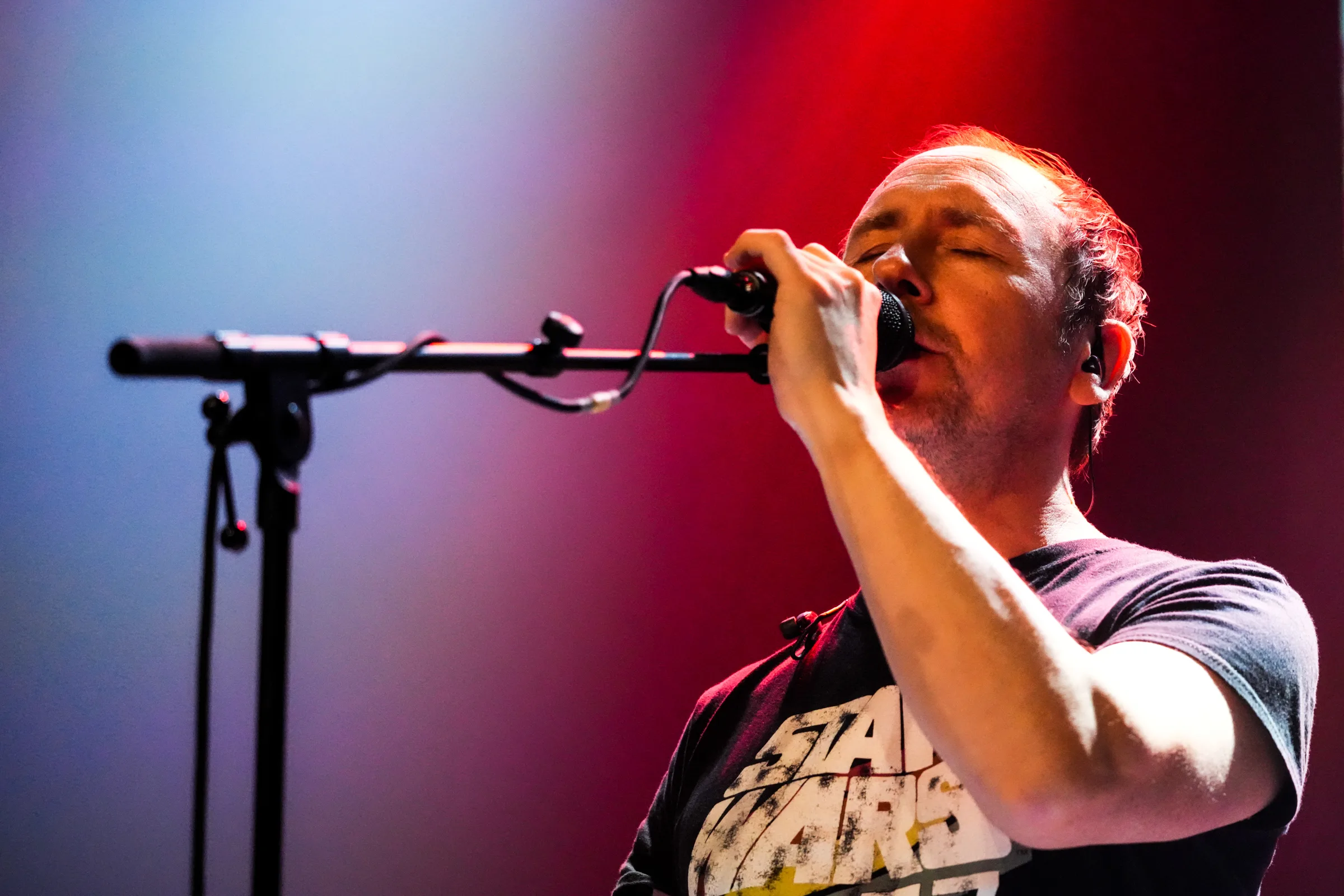
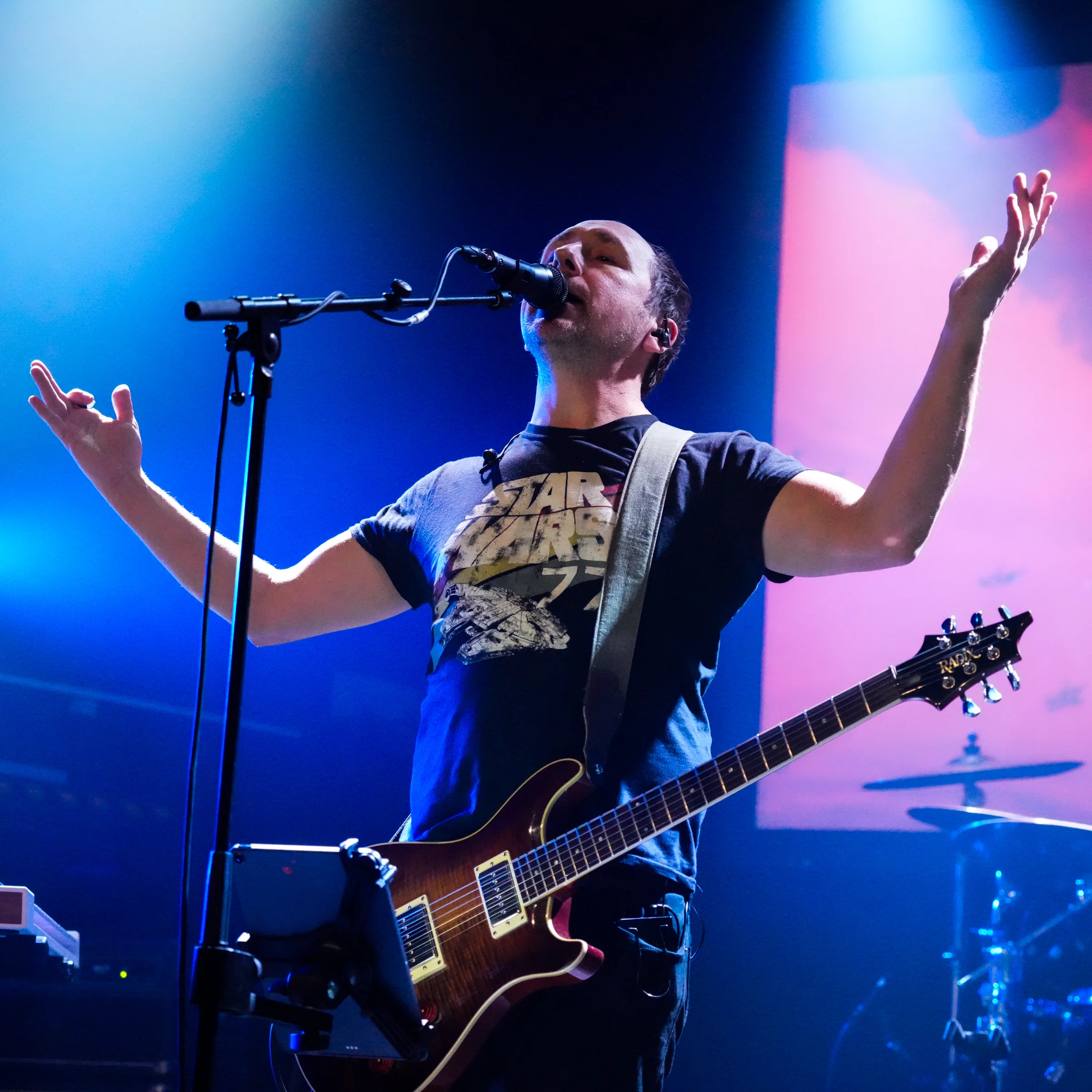
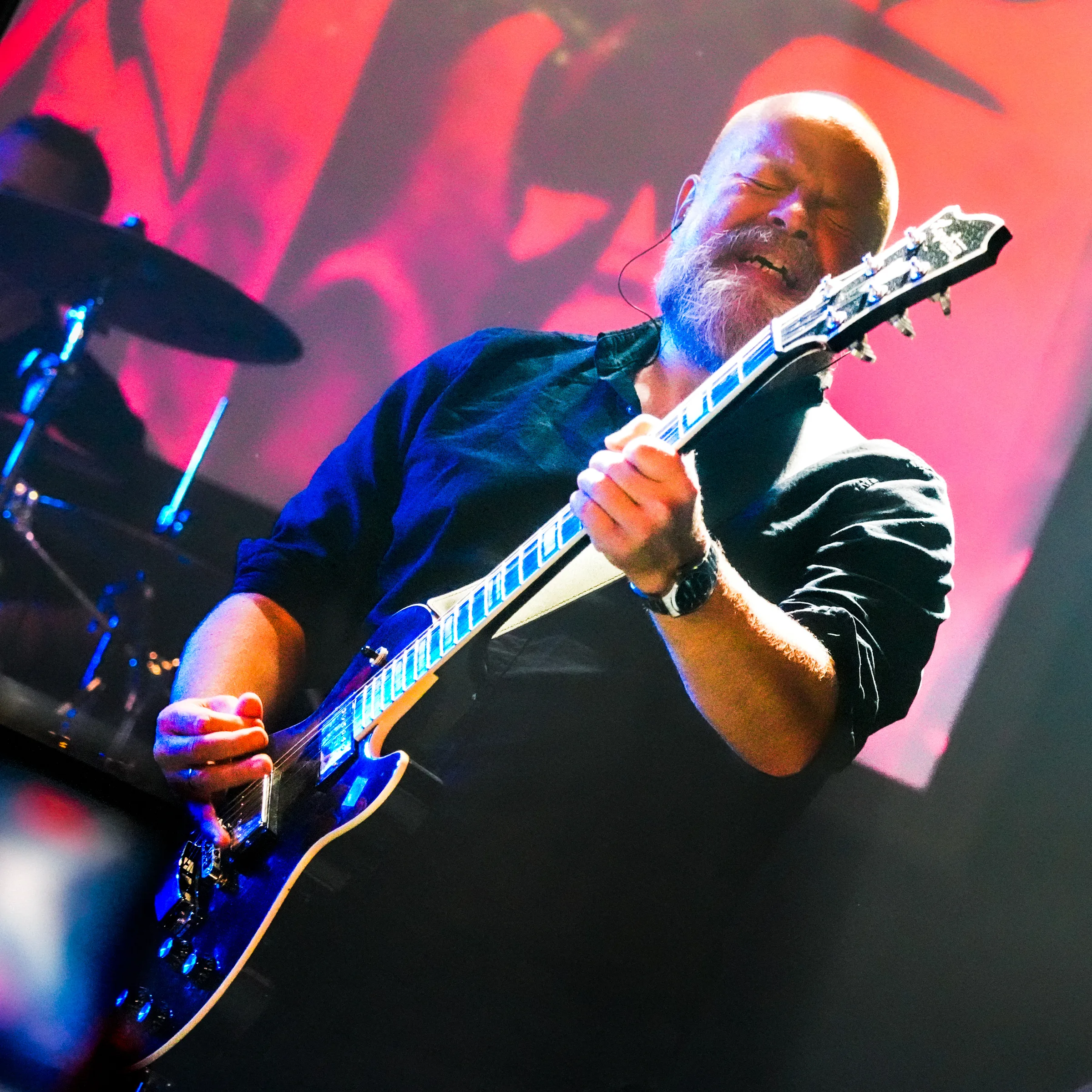
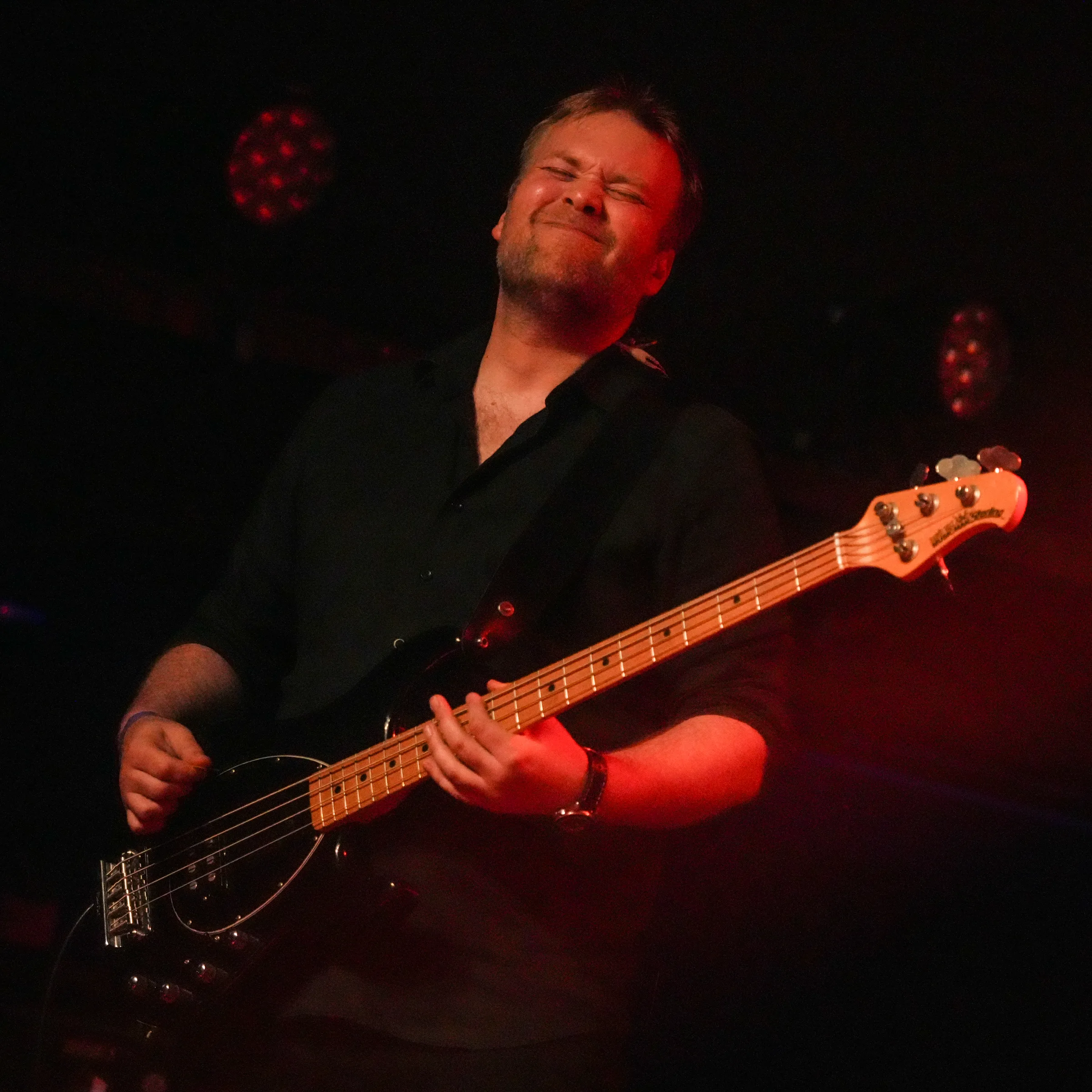
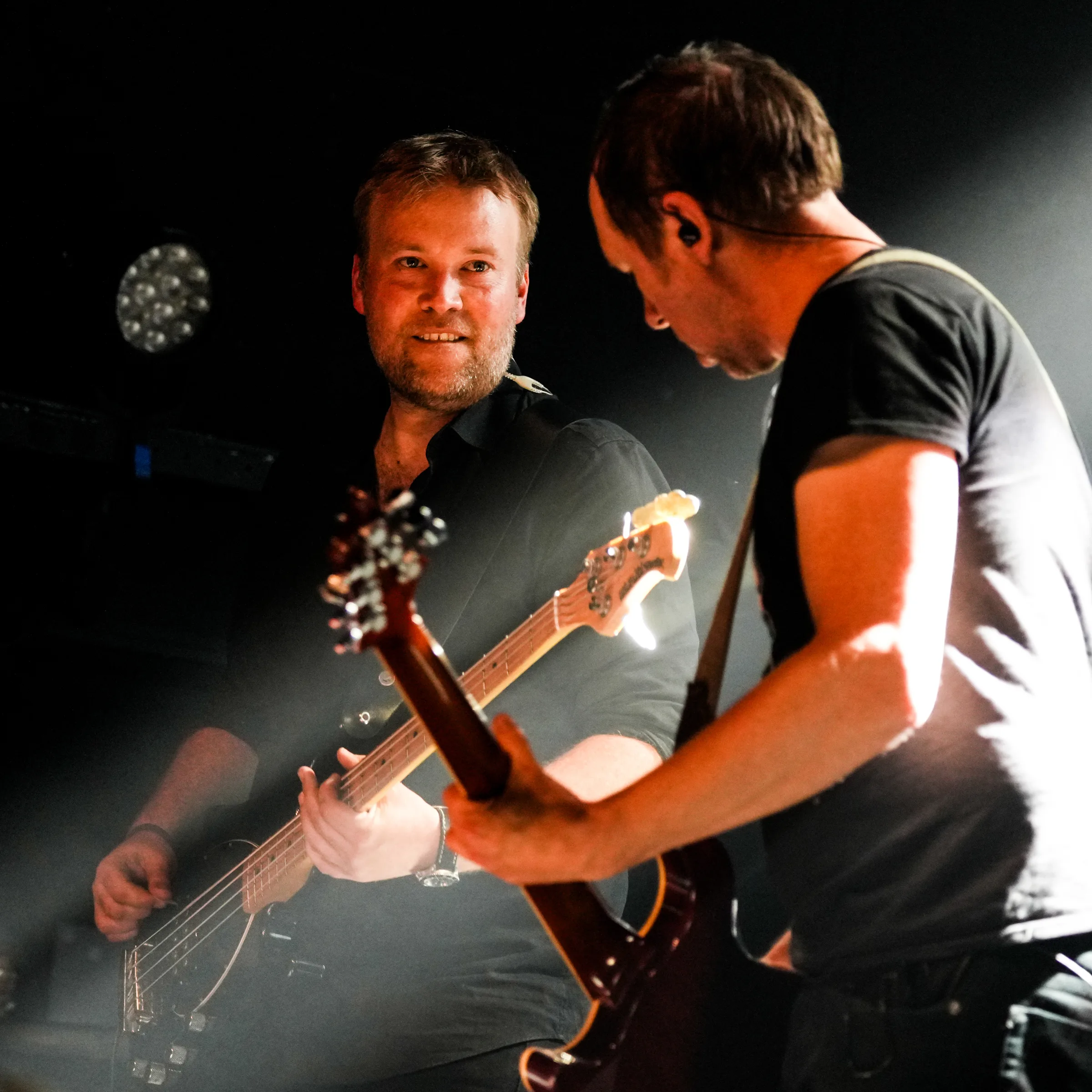
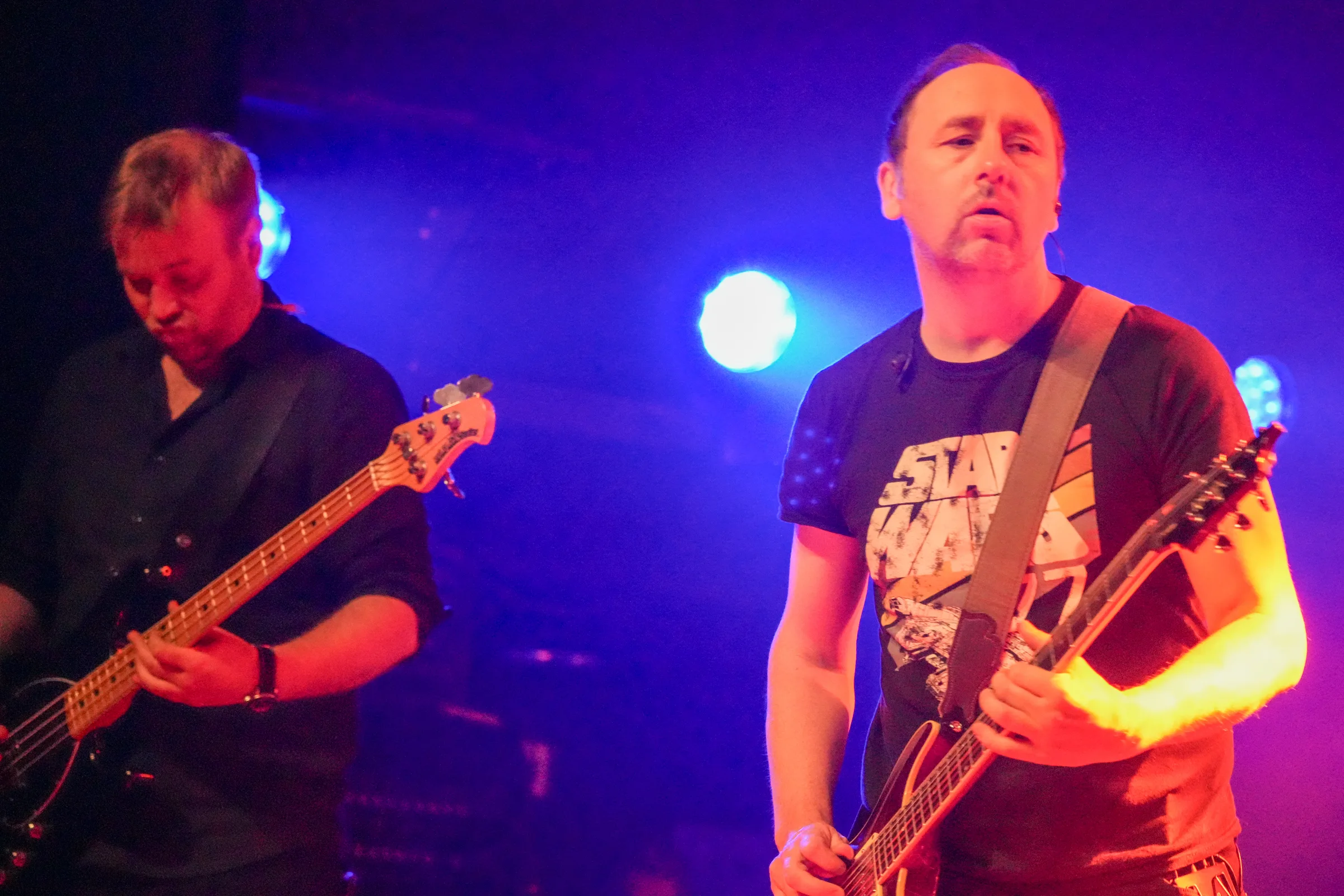
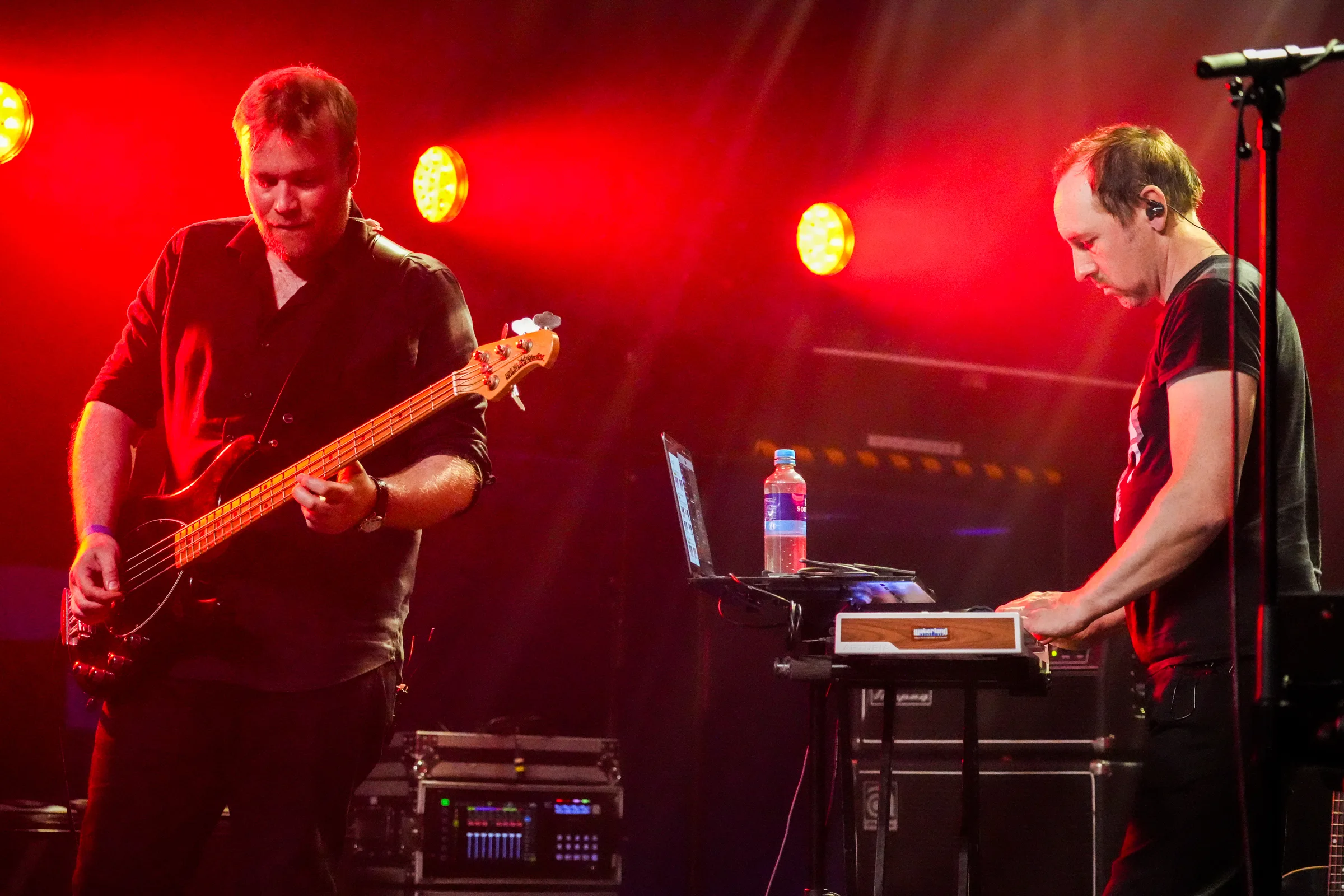
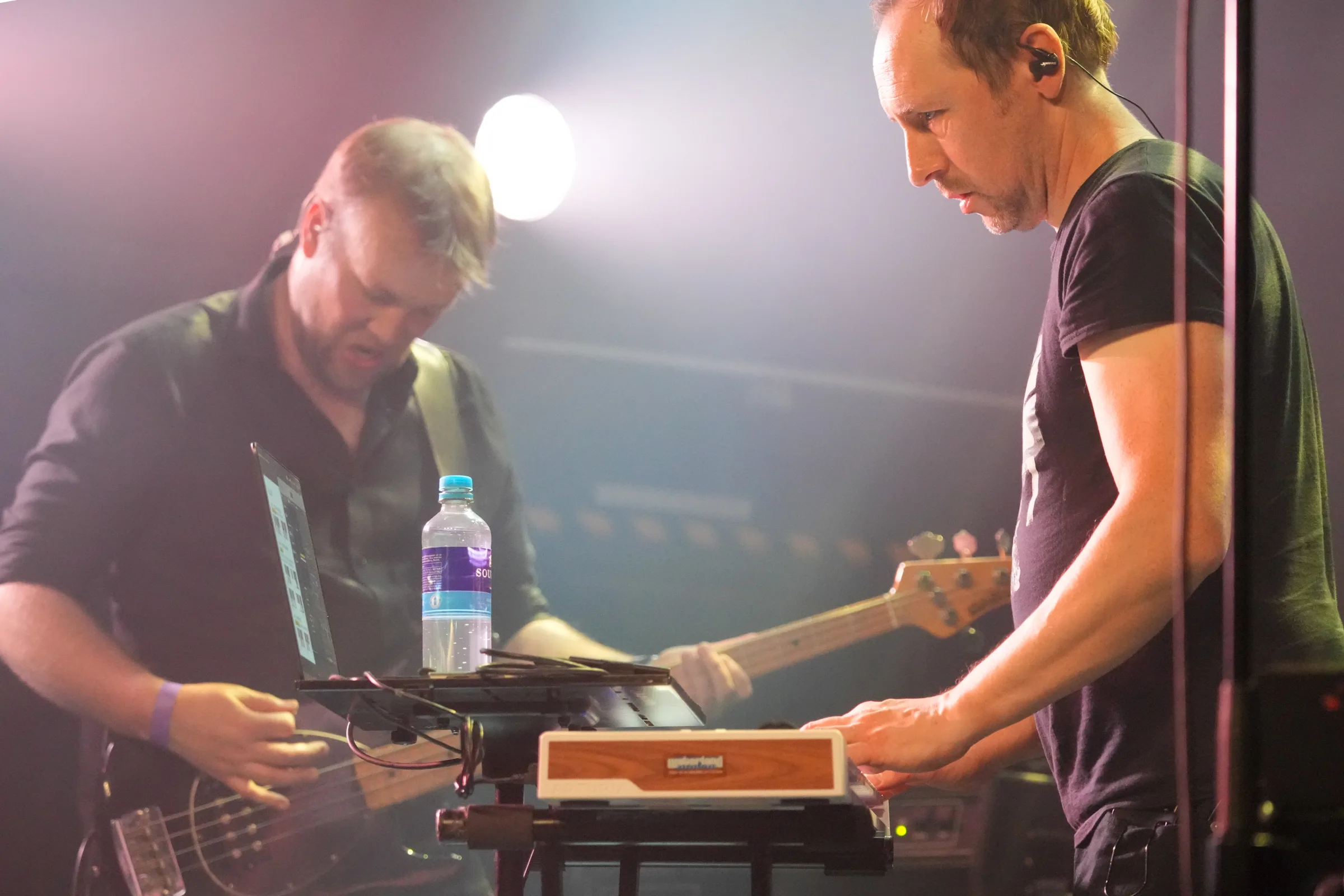
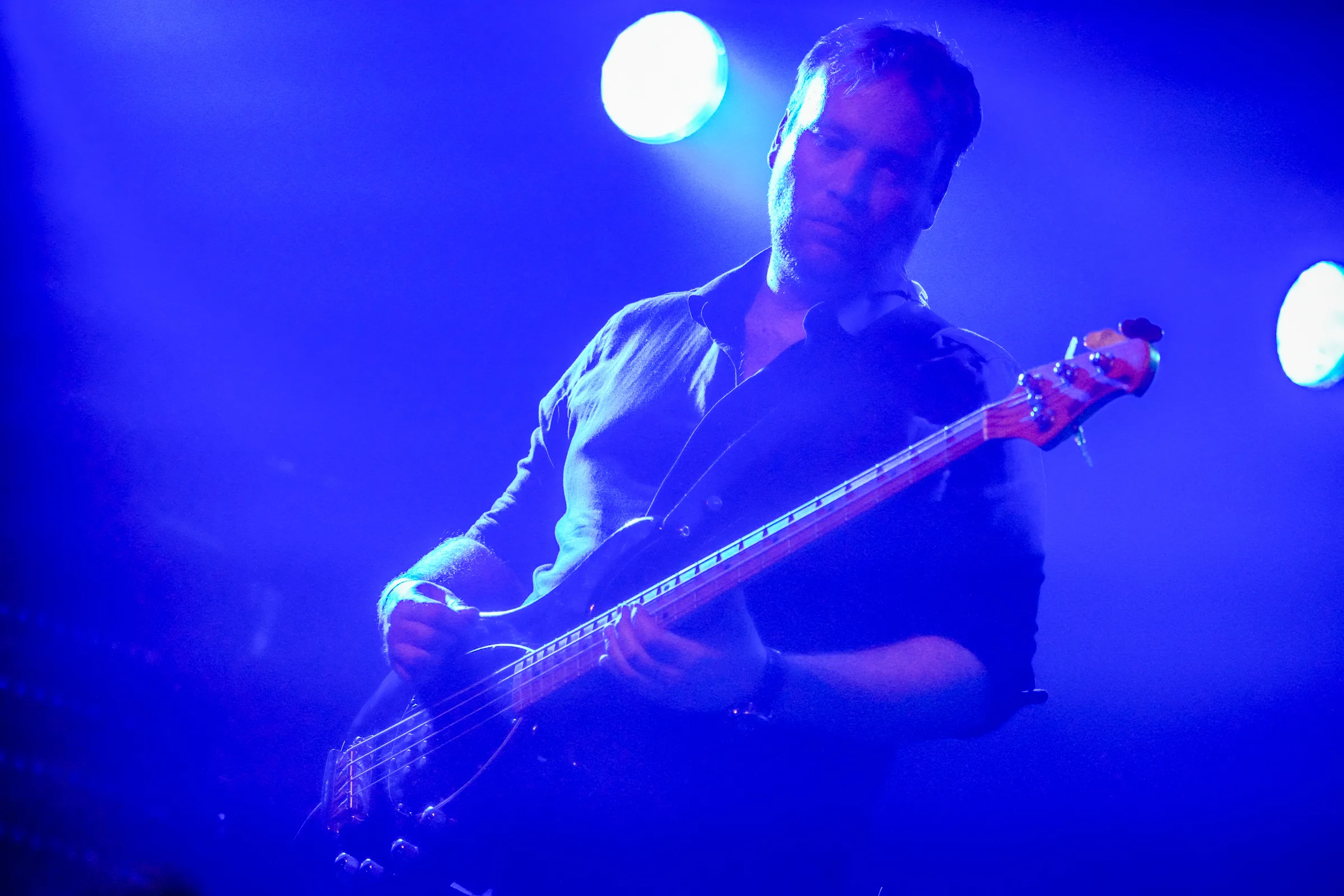
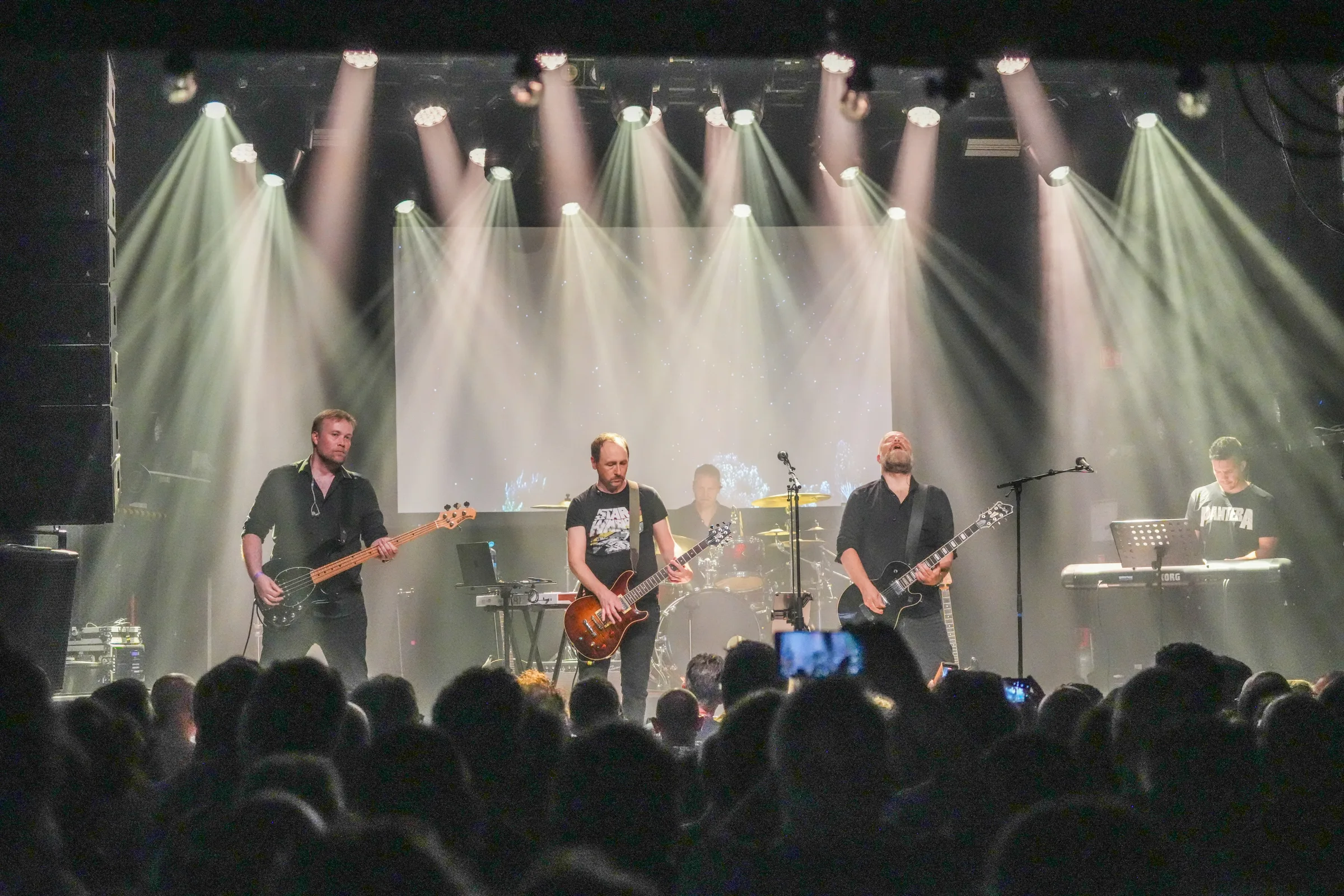
The current live line-up consisted of Asle Tostrup (vocals, guitar, occasional keyboards), Bjørn Riis (guitar, vocals), Henrik Bergan Fossum (drums), Simen Valldal Johannessen (keyboards) and bassist Arild Brøter, who according to the band stepped in on very short notice. Live, however, this was barely noticeable. On the contrary, the deep and driving bass lines formed an essential part of the Airbag sound throughout the evening.
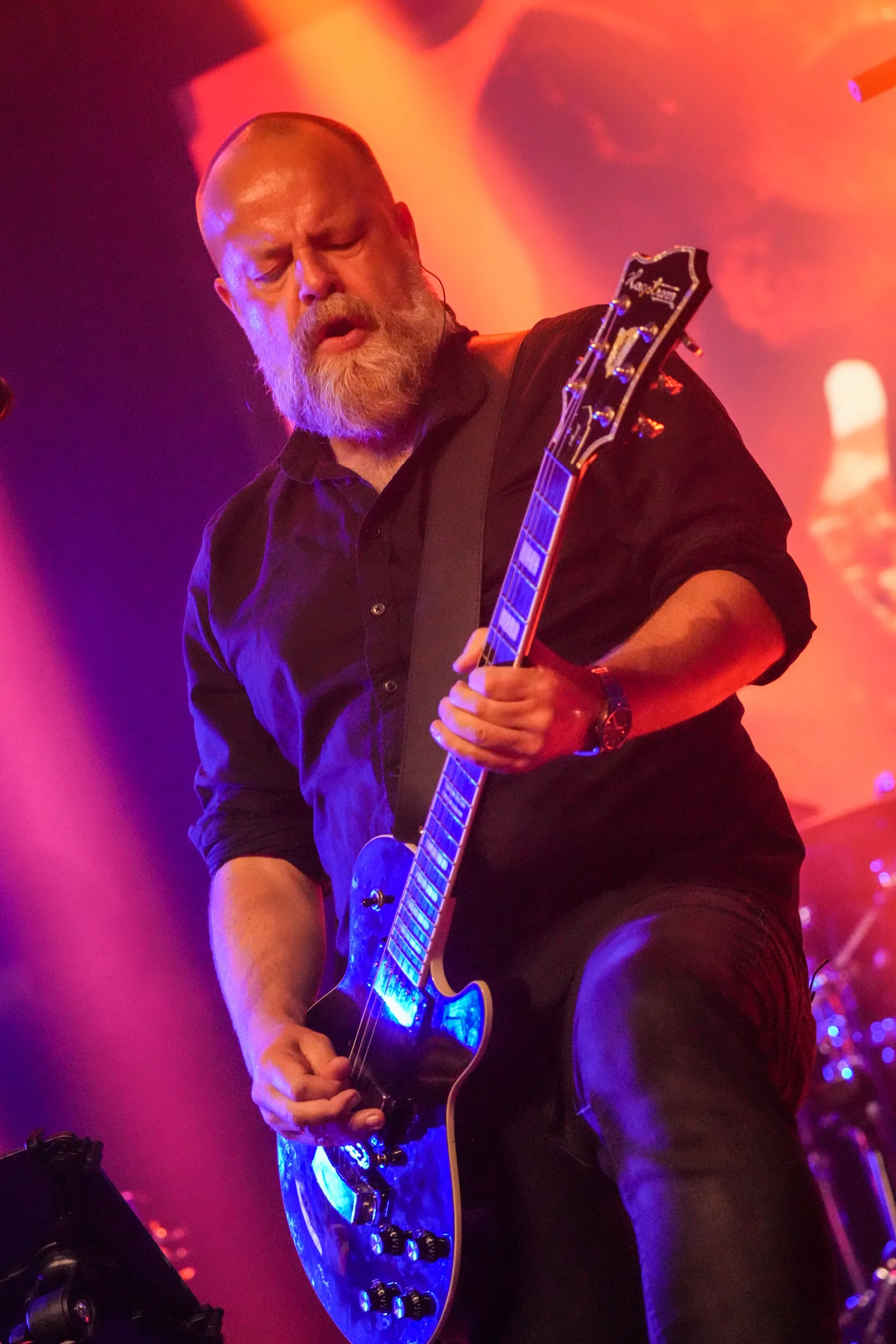
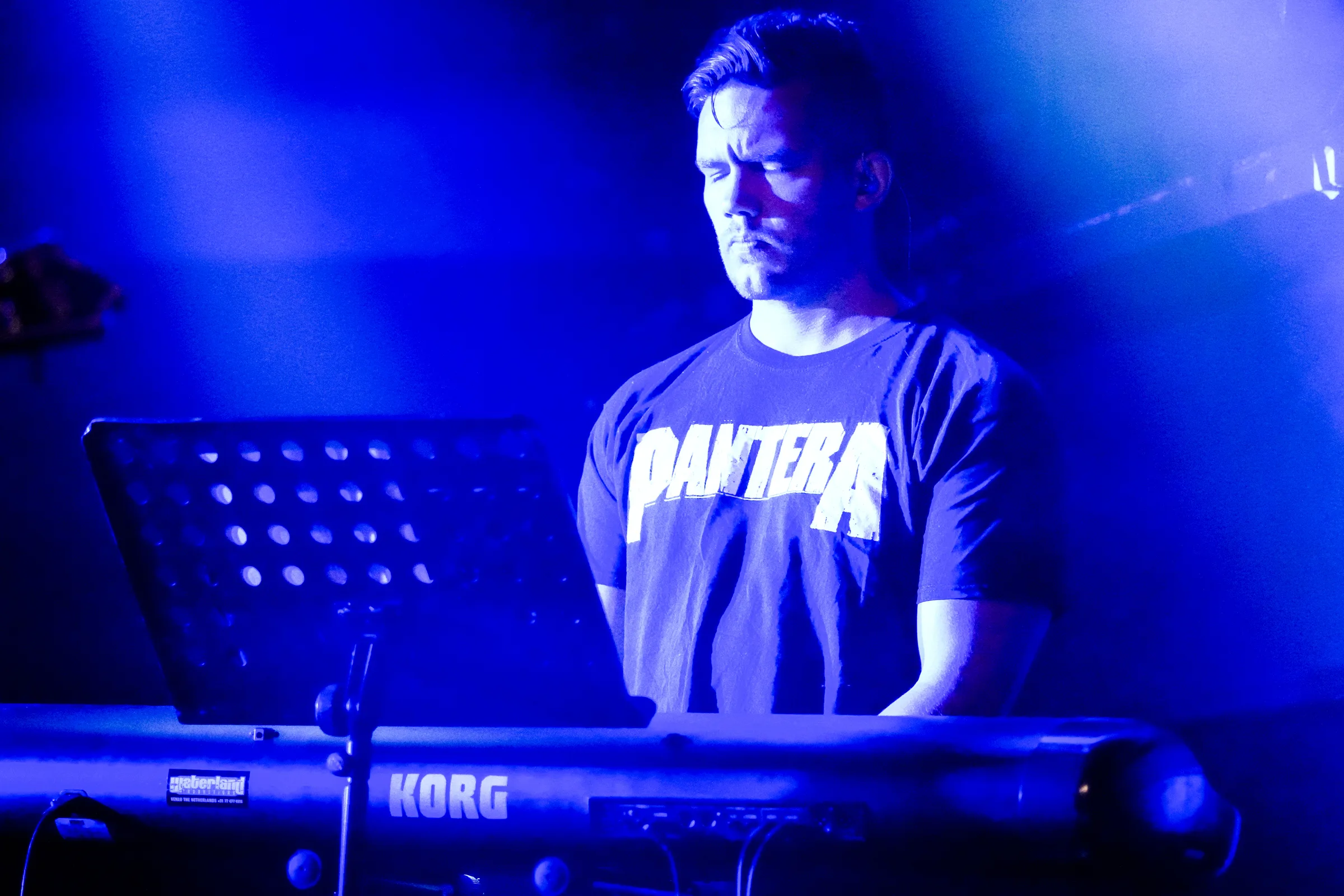
One striking aspect of the performance was how controlled and almost static the stage presentation remained. The musicians were deeply focused on their instruments, with little movement or theatrical interaction. The keyboard player in particular stayed highly concentrated behind his Korg setup for most of the show. Tostrup himself occasionally moved behind a compact keyboard instrument to add additional atmospheric layers. This minimalistic stage presence perfectly suited the introspective character of the music, while at the same time reinforcing the impression that Airbag rely heavily on pre-programmed textures and backing tracks during their live performances. Especially during the more electronic passages and tightly synchronised ambient layers, part of the atmosphere clearly seemed pre-constructed. Yet this never became distracting, because those electronic textures are deeply embedded within Airbag’s studio sound as well.
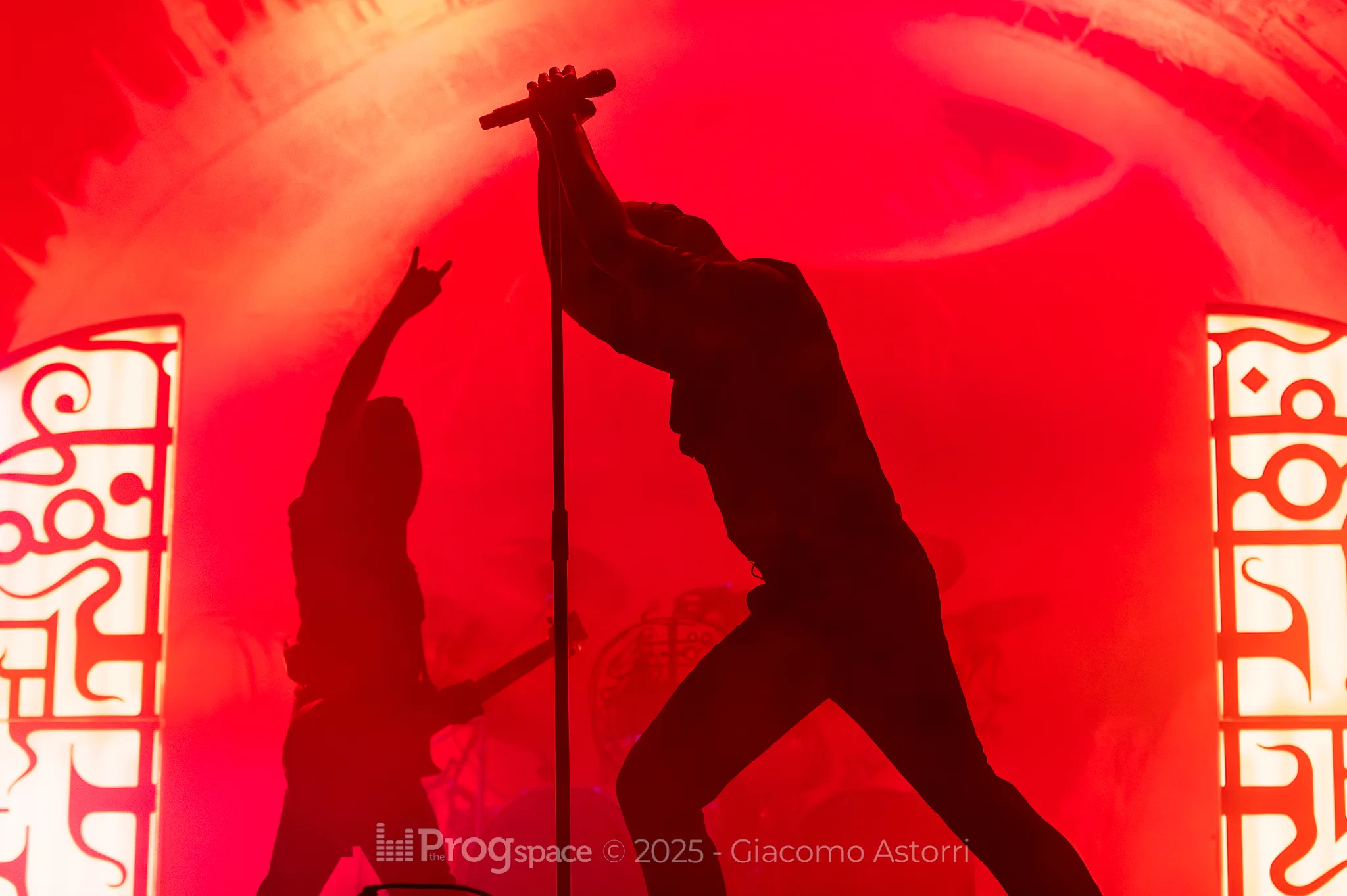
Visually, the band followed the same philosophy: no oversized production, but rather restrained and highly functional atmosphere building. Large parts of the show were drenched in deep red, blue and purple lighting, giving tracks like “Killer,” “Erase” and “Tyrants and Kings” a dark and almost dystopian atmosphere. During more melancholic passages, the lighting shifted toward cool white and soft blue tones, allowing the music more emotional breathing space.
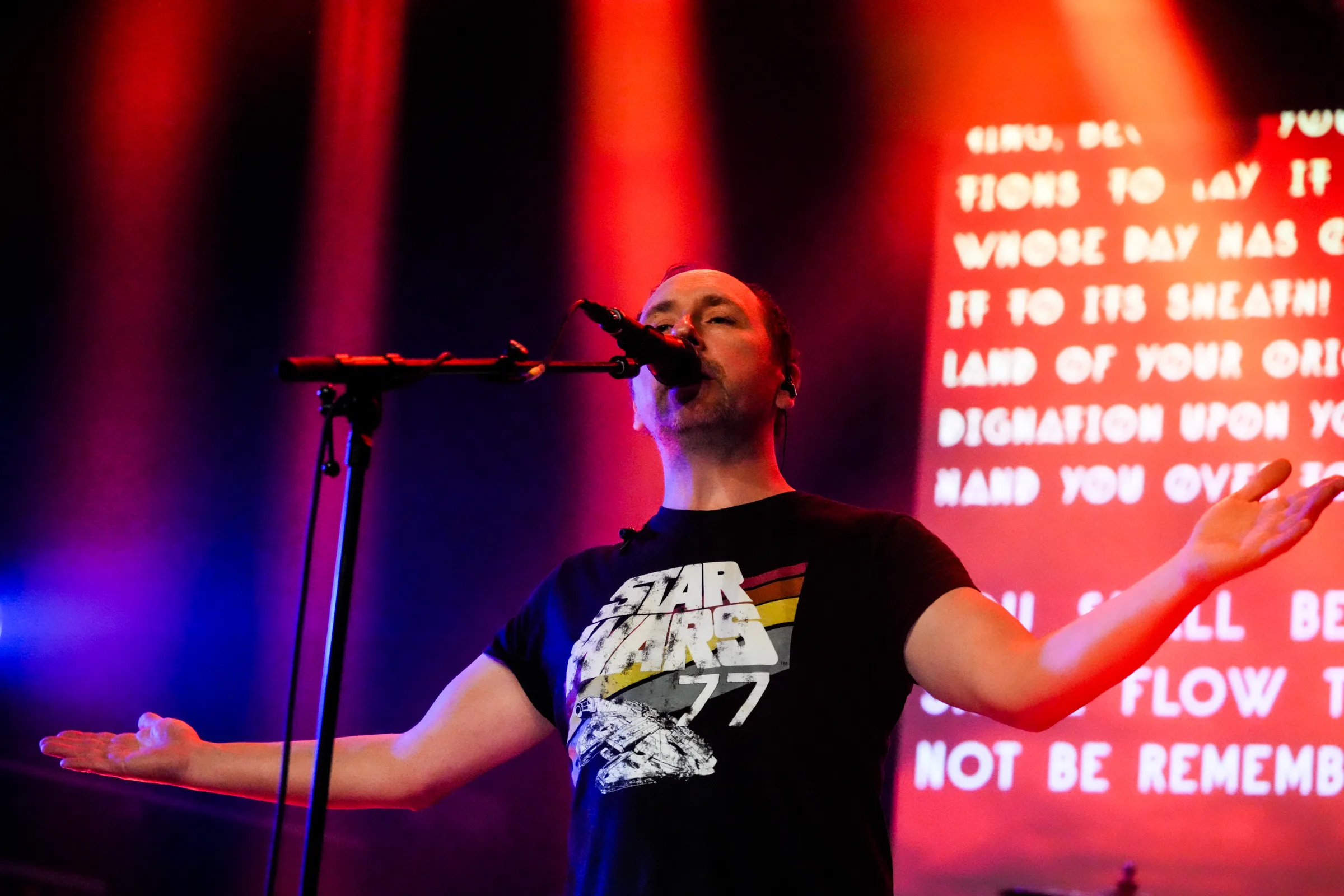
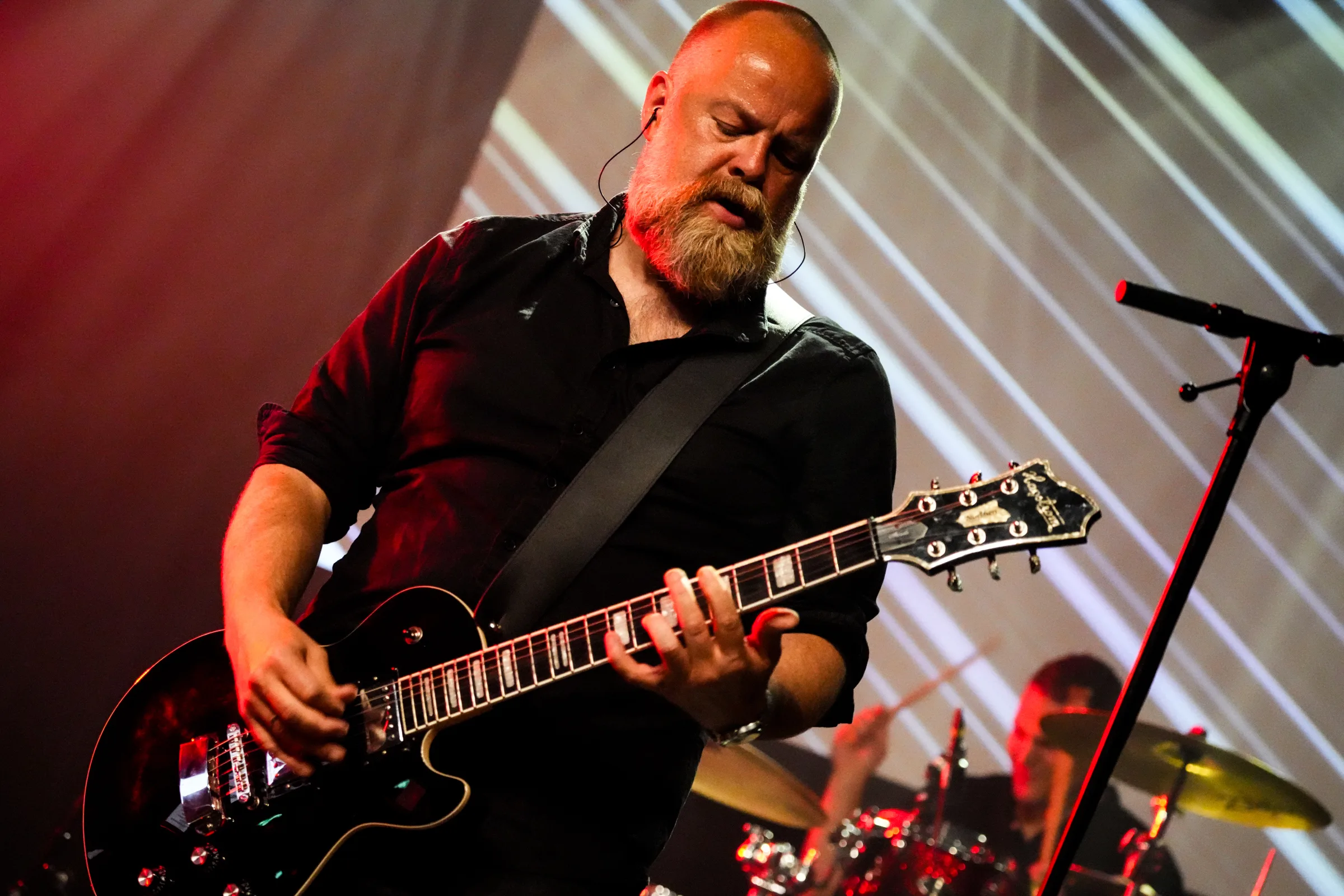
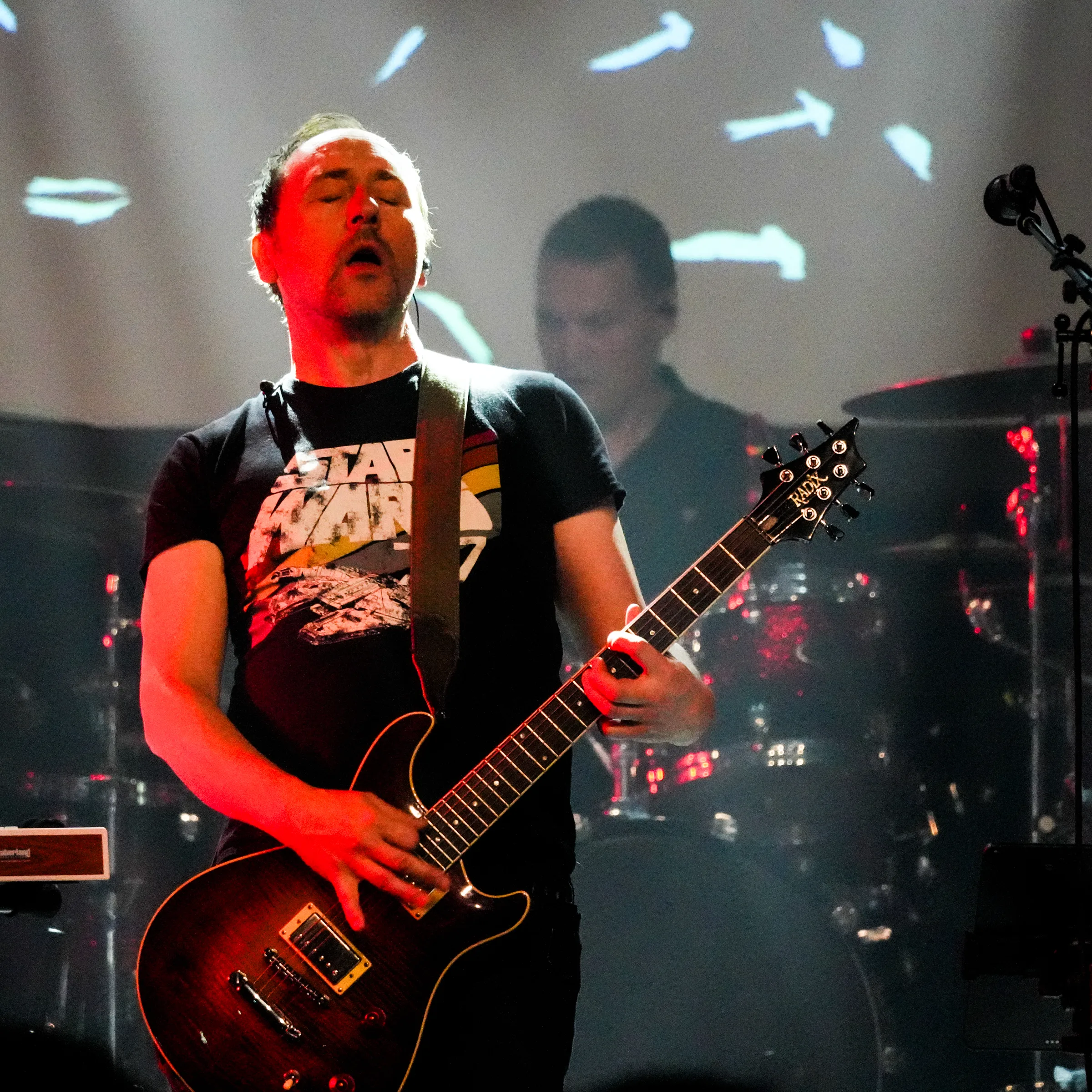
The large video screen covering the entire rear stage wall played an important role in this visual identity. Abstract visuals, moving light patterns, colour fields and smoke-like imagery continuously accompanied the hypnotic nature of the music. At several moments, synchronised lyrics appeared on screen as well, pulling the audience even deeper into the recurring themes of alienation, introspection and societal pressure. This worked especially well during the newer material from The Century of the Self.
From opener “Machines and Men,” it immediately became clear that Airbag were not focusing exclusively on their more overtly Floydian side during this tour. The song began with a slight Pink Floyd atmosphere, but soon moved toward the more modern and atmospheric territory of The Pineapple Thief. The repetitive guitar patterns, electronic accents, melancholic tension and subtle new wave influences gave the track a surprisingly contemporary feel. Especially the patient layer-by-layer construction worked exceptionally well live. For me personally, this became one of the strongest moments of the evening precisely because Airbag dared to move away from the sometimes overly explicit Floyd influences that still dominate parts of their catalogue.
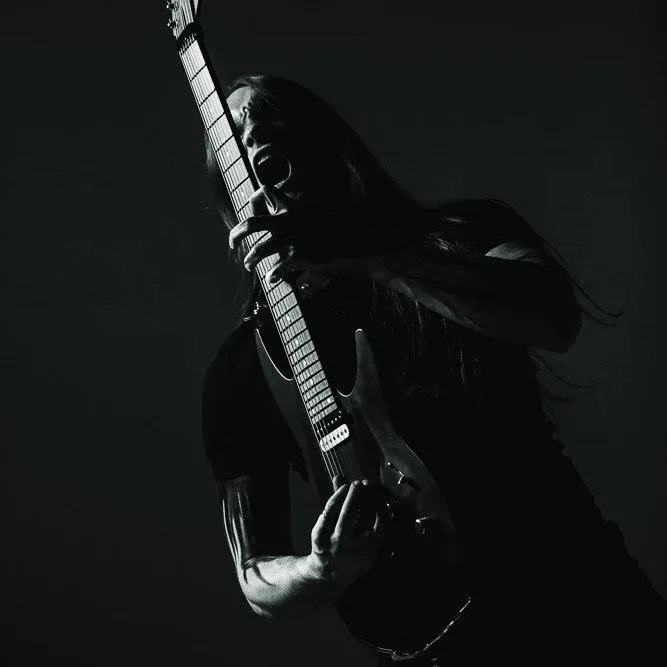
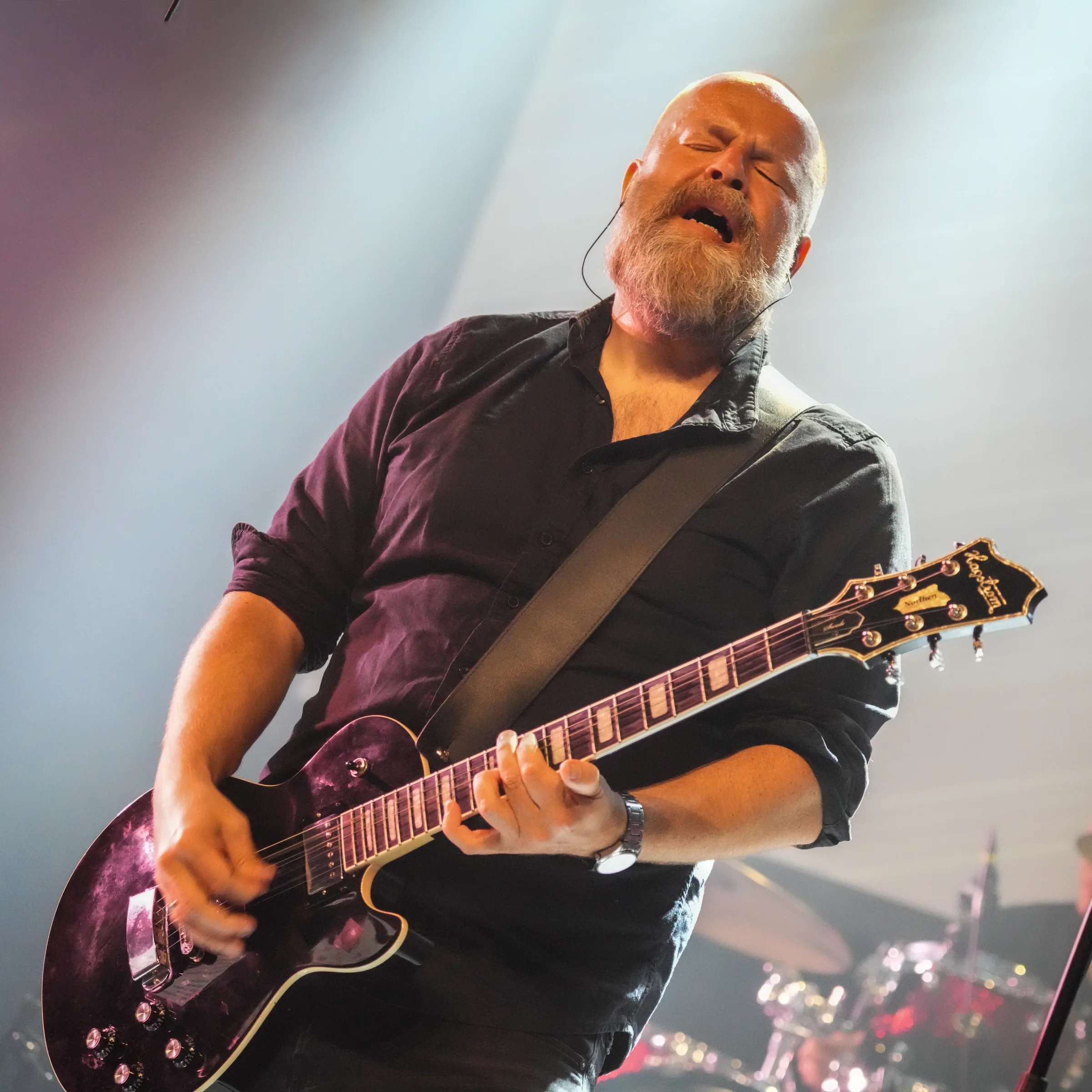
At the centre of that sound stands Bjørn Riis. His guitar work remains the defining trademark of Airbag: warm, melodic and deeply rooted in the Floydian tradition of David Gilmour, without ever becoming mere imitation. During “Redemption,” that influence perhaps became most explicit. Taken from The Greatest Show On Earth (2013), the song showcased a heavier and more forceful side of Airbag. From the ominous bass intro onward, tension was built carefully before Riis’ dominant guitar riff pushed the composition toward a massive and emotionally charged chorus. Live, the piece strongly evoked the atmosphere of Pink Floyd’s Comfortably Numb, Animals and Wish You Were Here era, with expansive keyboards, melancholic guitar lines and Tostrup’s vocals balancing somewhere between Roger Waters and David Gilmour. At the same time, traces of Marillion, Anathema and Porcupine Tree remained audible throughout.
“Killer” and “Broken,” both taken from Disconnected (2016), revealed the darker and more introspective side of Airbag. That album revolves heavily around alienation, societal pressure and the inability to meet expectations. Those themes became especially clear during “Killer,” where Tostrup cynically sings: “And I kill if I must, whatever it takes to stay on top.” The track began relatively accessibly with electronic textures, spacious guitar work and an almost comfortable bass groove, before slowly building toward an increasingly threatening climax. The combination of electronic layers, rhythmic accents and long-form tension gave “Killer” a more modern character than much of Airbag’s earlier material. Yet even here, the band’s admiration for David Gilmour-era Pink Floyd remained unmistakable through extended wah-wah guitar solos and broad atmospheric passages. Interestingly, those wah-driven instrumental sections also carried subtle echoes of Arena’s darker neo-prog sound during the Contagion era, particularly the instrumental piece “This Way Madness Lies.” Beautifully executed without question, though it remained difficult to fully escape the feeling that Airbag still operate very much within that familiar Floydian comfort zone.
Personally, “Broken” worked even better. The track began far more subtly, with acoustic guitar and a melancholic melodic line strongly reminiscent of Steven Wilson or Porcupine Tree. The emotional progression was handled with great restraint: soft vocals, slowly emerging synthesizer layers and atmospheric guitar arpeggios gradually expanded into a deeply moving chorus. Tostrup’s fragile vocal delivery worked exceptionally well together with Riis’ emotionally charged guitar solos. Live, the piece developed an almost hypnotic intensity, constantly balancing vulnerability and underlying tension.
With “Sounds That I Hear,” the band then returned to the early Identity period, still one of the most beloved chapters in their discography. The song fully captured that early Airbag atmosphere of spacious keyboards, dreamy guitars and slowly unfolding melancholy.
The more recent material from The Century of the Self demonstrated how Airbag are gradually opening their sound toward a darker and more modern form of atmospheric prog rock. “Erase” opened with a threatening pulsing bass line immediately recalling Pink Floyd’s “One Of These Days,” before shifting toward a more contemporary sound with strong connections to The Pineapple Thief. Floating keyboard textures, dark electronic accents and tightly controlled drumming created an impressively tense atmosphere.
“Tyrants and Kings” continued along that modern direction, while simultaneously injecting a more classic rock energy into the set. Once again, a hypnotic bass line formed the backbone of the composition, accompanied by sharp guitar outbursts and expansive keyboard textures. Instrumentally, the track worked extremely well: the crescendos were expertly constructed and Riis’ guitar solo ranked among the finest moments of the evening.
“Megalomaniac” then became another absolute highlight. Just like “Machines and Men,” the track moved beyond straightforward Floyd references and instead revealed a more exciting blend of Porcupine Tree, The Pineapple Thief and contemporary atmospheric progressive rock. The electronic textures and subtle eighties influences added a surprisingly fresh dynamic to the performance.
Equally impressive was how carefully Airbag had structured the setlist. Rather than presenting a straightforward promotional tour for The Century of the Self, the band effectively delivered a thoughtfully selected journey through nearly their entire catalogue. Virtually every major era received attention, allowing the concert to function as both a live performance and a retrospective of Airbag’s artistic evolution.
The emotional peak of the evening finally arrived during the encore with “Colours” and especially “Homesick.” “Colours” began in an extremely restrained fashion with only guitar and vocals before slowly unfolding into a majestic melancholic climax. The emotional intensity worked remarkably well live: the despair-filled lyrics, dreamy keyboard textures and especially the gradual build-up of Riis’ guitar solos gave the piece an almost physical emotional weight. At moments, the atmosphere recalled later-era Anathema, while the combination of organ textures, symphonic keyboard layers and expansive guitar lines remained firmly rooted within the Pink Floyd tradition.
Finally, “Homesick” closed the evening as a monumental concluding suite in which Airbag once again brought together everything that defines the band: restrained ambient passages, emotional vocals, atmospheric keyboards and long, carefully escalating guitar solos.
Once again, Airbag proved why they belong among Europe’s strongest atmospheric progressive rock bands. No excessive spectacle, no technical showmanship — just a performance entirely focused on atmosphere, melancholy and musical refinement. And it is precisely within that controlled subtlety that their greatest strength resides.



 We’re a group of Prog-lovers who started a journey to share with you our thoughts about albums, concerts, tours and festivals, the photo galleries of the Prog concerts we visit, as well interviews with upcoming or established musicians or prog-related people. Follow our Facebook page for frequent updates and news around the Progniverse.
Great review of a great band ! Comparing might be useful to explain these songs but Airbag is, to me,from the beginning as a new generation in our livetime, a musical experience what brings satisfaction to our sofa and if you’re lucky you go to see them live.
Thanks, Guy. I actually agree with you to a large extent. Comparisons are useful mainly to give readers who may not know Airbag a point of reference. In the end, however, Airbag have built an identity of their own that goes far beyond their influences. What continues to impress me is their ability to create atmosphere, melancholy and emotional tension without relying on excessive virtuosity or bombast. Their music already works beautifully at home, but live that slow-burning build-up gains an extra dimension. Tilburg was another perfect example of that.