





The Gathering – Mandylion 30th Anniversary Tour – Rockhal, Esch-sur-Alzette (May 25, 2026)
The Gathering – Mandylion 30th Anniversary Tour
Rockhal, Esch-sur-Alzette
Summary
Thirty years after the release of Mandylion, The Gathering proved in a nearly sold-out Rockhal in Esch-sur-Alzette why the band still holds such a unique place within the European alternative rock and metal scene. What initially seemed like a nostalgic reunion tour evolved into an intense audiovisual experience built around melancholy, atmosphere, and emotional depth.
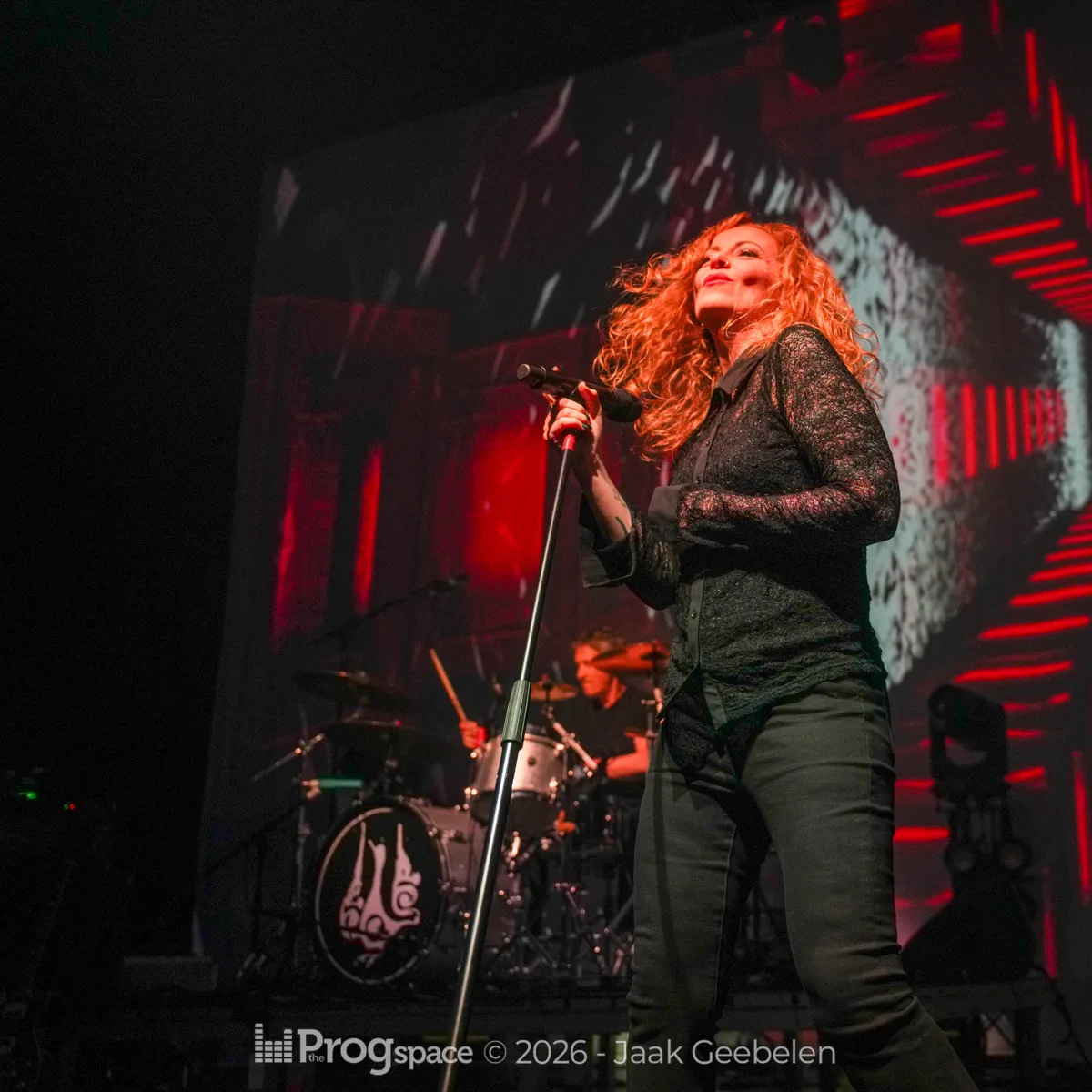
The venue — filled mainly with middle-aged fans who had consciously lived through the original Mandylion era — responded warmly to classics from Mandylion, Nighttime Birds, and How to Measure a Planet?. Anneke van Giersbergen still sounded remarkably warm and pure, while the band demonstrated just how timeless this music has remained.
Visually, the concert was supported by a carefully constructed projection show filled with moonlit landscapes, cosmic imagery, kaleidoscopic patterns, and cinematic color fields that perfectly matched the atmospheric character of the music.
What remained most striking throughout the evening was this: The Gathering no longer sounds like a museum piece from the nineties, but like a band whose music has grown older together with its audience — without losing any of its emotional impact.
Thirty years after the release of Mandylion, the return of The Gathering no longer feels like an ordinary nostalgic reunion, but rather like the reconnection of a band that left a lasting mark on the European alternative rock and metal scene. When the group was founded in the late eighties in Oss by brothers Hans and René Rutten, The Gathering still operated as an atmospheric doom metal band within the underground scene. But with Mandylion in 1995, everything changed. The arrival of Anneke van Giersbergen not only gave the band a new face, but also pushed The Gathering toward a far more emotional, atmospheric, and open sound in which gothic metal, shoegaze, alternative rock, and later even trip-hop influences merged together.
That evolution was precisely what made the band so important to the music scene of the nineties and beyond. The Gathering proved that a metal band did not have to remain trapped within the boundaries of a single genre. While many of their contemporaries held tightly onto fixed stylistic formulas, the band continuously evolved toward more atmospheric and introspective music without ever losing its own identity. Albums like Mandylion, Nighttime Birds, and How to Measure a Planet? became reference points for countless later bands within the gothic, progressive, and alternative rock scenes.
Personally, The Gathering crossed my path at a very specific moment in my musical life. In December 2004 — now more than twenty years ago — I rediscovered my passion for progressive music and live concerts after a long hiatus. At the time, I was deeply fascinated by the melancholic Scandinavian prog scene with bands like Änglagård, Landberk, and especially Paatos. When Paatos opened for The Gathering in Brussels, I more or less accidentally attended one of the first concerts of what would become my “second musical period.” It was also the evening I discovered The Gathering and immediately recognized the same qualities that had drawn me to Scandinavian prog in the first place: melancholy, layered atmospheres, subtlety, and above all the emotional power of a warm female voice.
More than twenty years later, that concert still remains one of those rare performances that continues to live vividly in my memory. I was also fortunate enough to witness one of the final concerts with Anneke van Giersbergen before she left the band — at the time she was heavily pregnant and on the verge of starting her own musical journey. Afterwards, I continued following The Gathering and saw the band several more times with Silje Wergeland as frontwoman. That is exactly why this Mandylion tour felt impossible to miss.
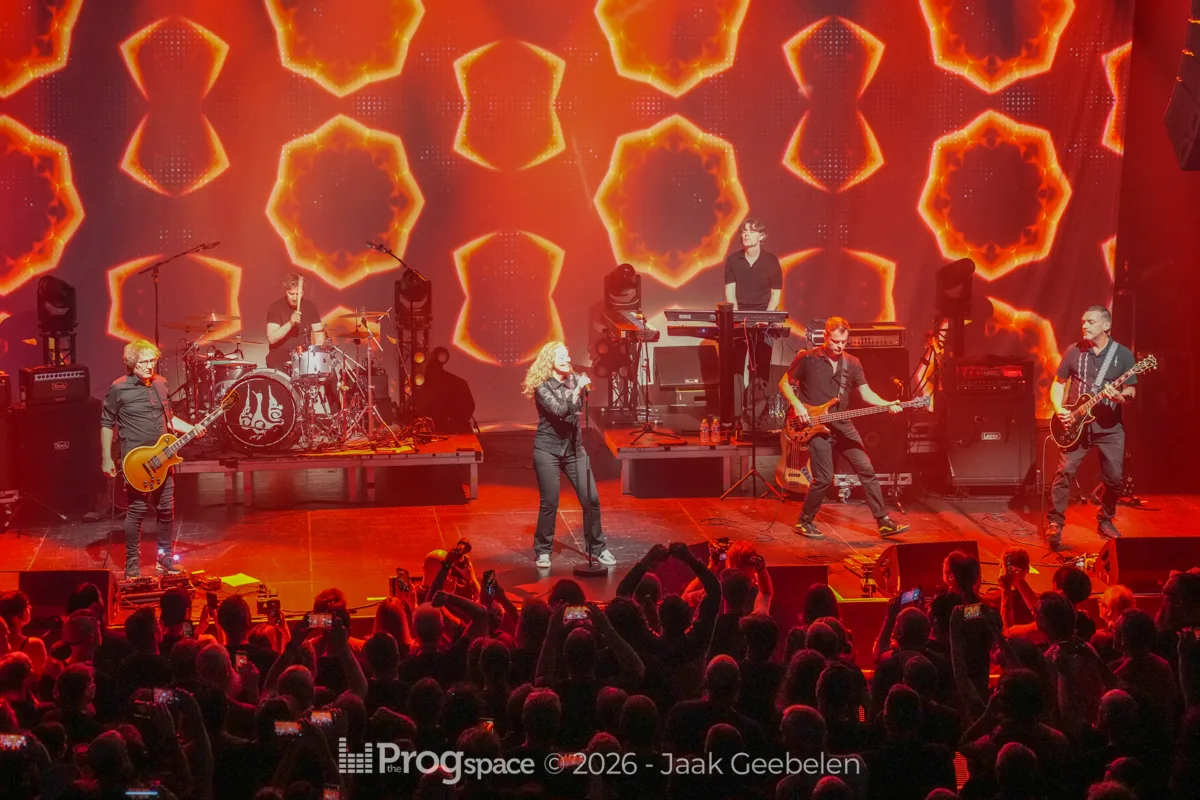
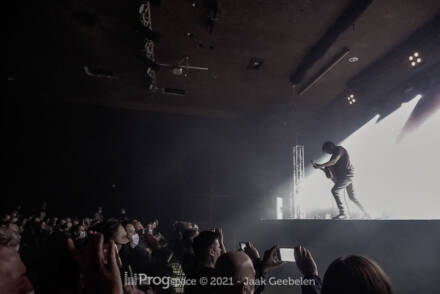
Rockhal proved to be an excellent venue for this occasion. The hall was almost completely filled with roughly a thousand attendees and offered both a wide stage and impressively clear acoustics in which the heavier guitar passages and the finer atmospheric details remained perfectly balanced. What also stood out was the audience itself: mainly middle-aged concertgoers who had clearly experienced the original Mandylion era firsthand. People who had been shaped by this music as teenagers or young adults and who, thirty years later, reunited around a soundtrack that had apparently lost none of its emotional impact. As for myself, I once again had the impression of being one of the oldest attendees in the room.
Rockhal, however, did not make things easy for concert photographers. According to the briefing, photographers were only granted access to the front pit for three songs. After the second song, we were already forced to leave the frontstage area and hand over all photographic equipment until the end of the show. “Relaxed” would certainly not be the word I would use. The contrast between that strict policy and the warm, almost familial atmosphere inside the venue could hardly have been greater.
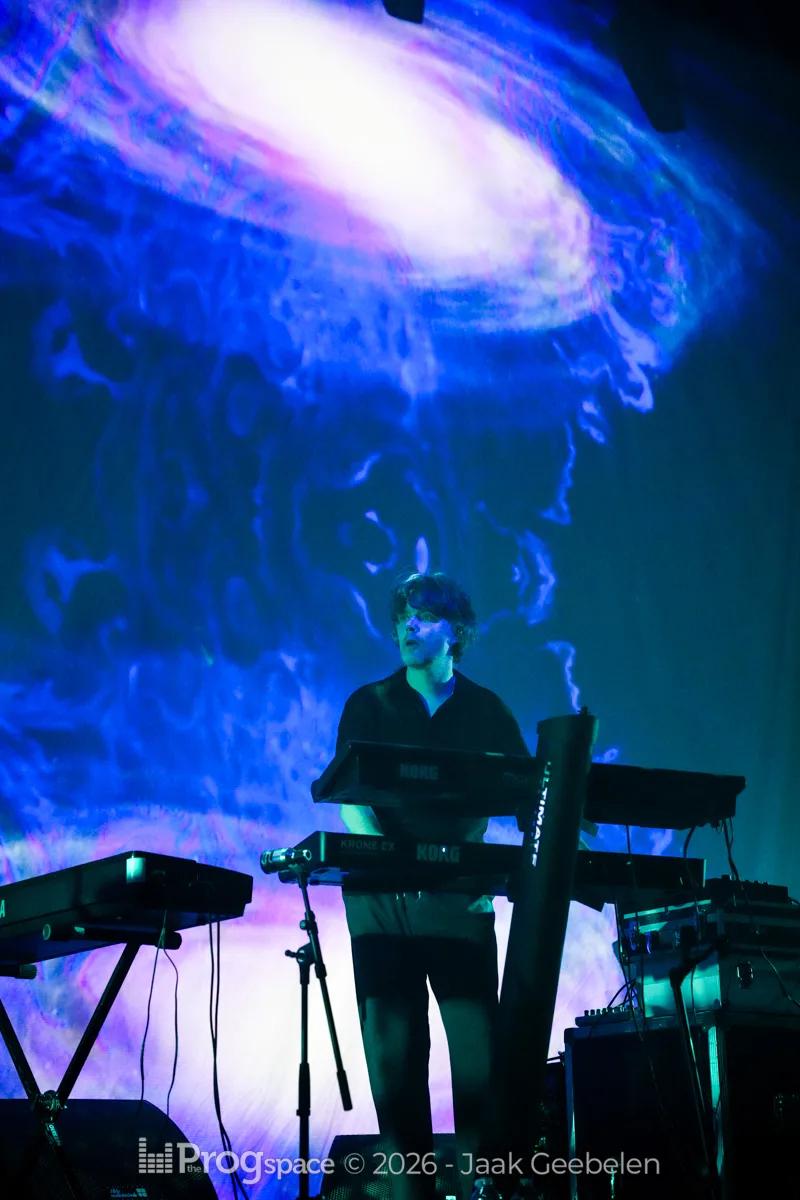
From the very first seconds, it became clear how carefully The Gathering had structured the evening dramaturgically. Instead of opening explosively, the band chose to use the short title piece “Mandylion” as a mysterious keyboard introduction. While the first atmospheric sounds floated through the Rockhal and the enormous projection screen slowly illuminated with moonlike and cosmic imagery, the audience was almost ritualistically pulled into the world of Mandylion.
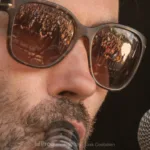
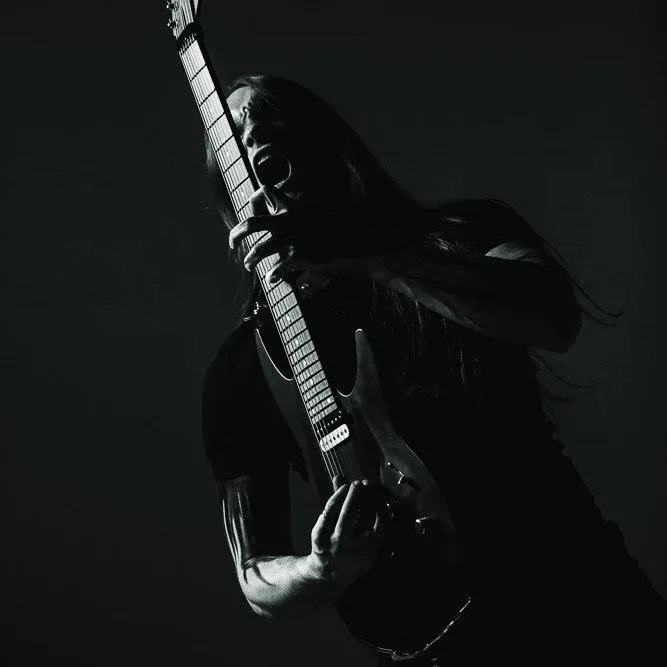
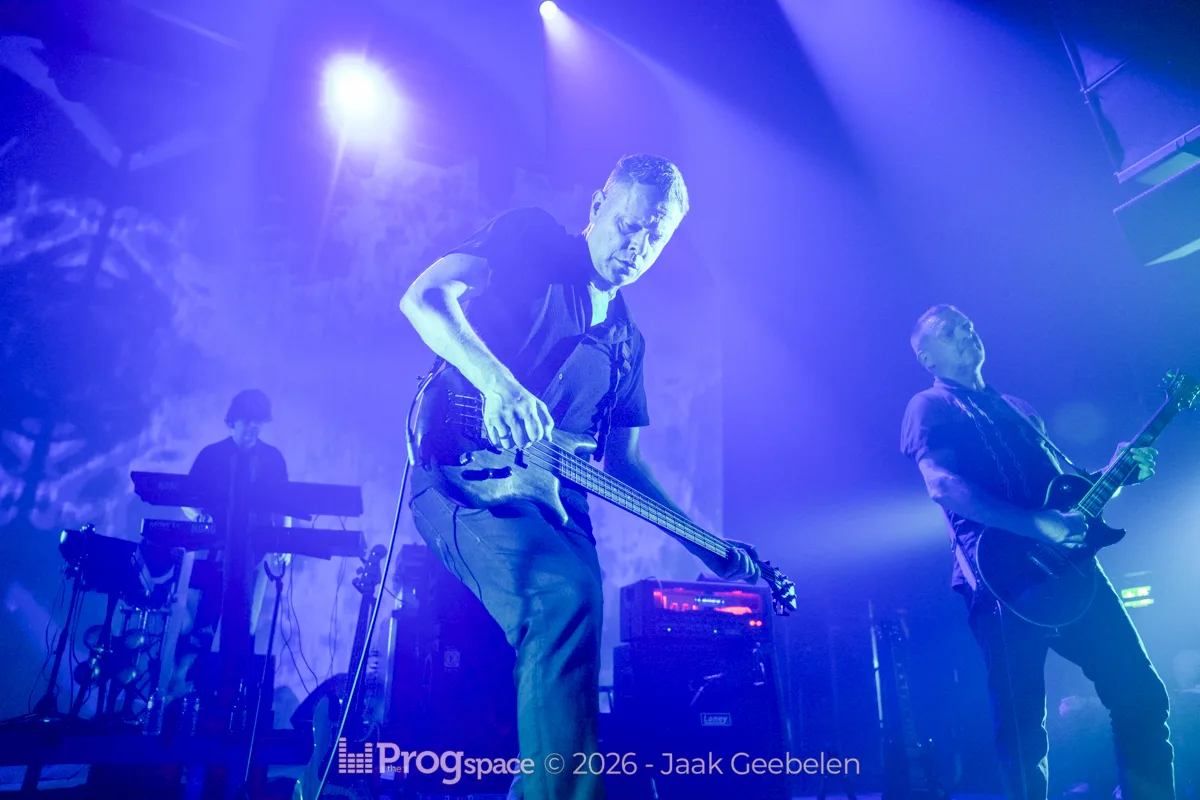
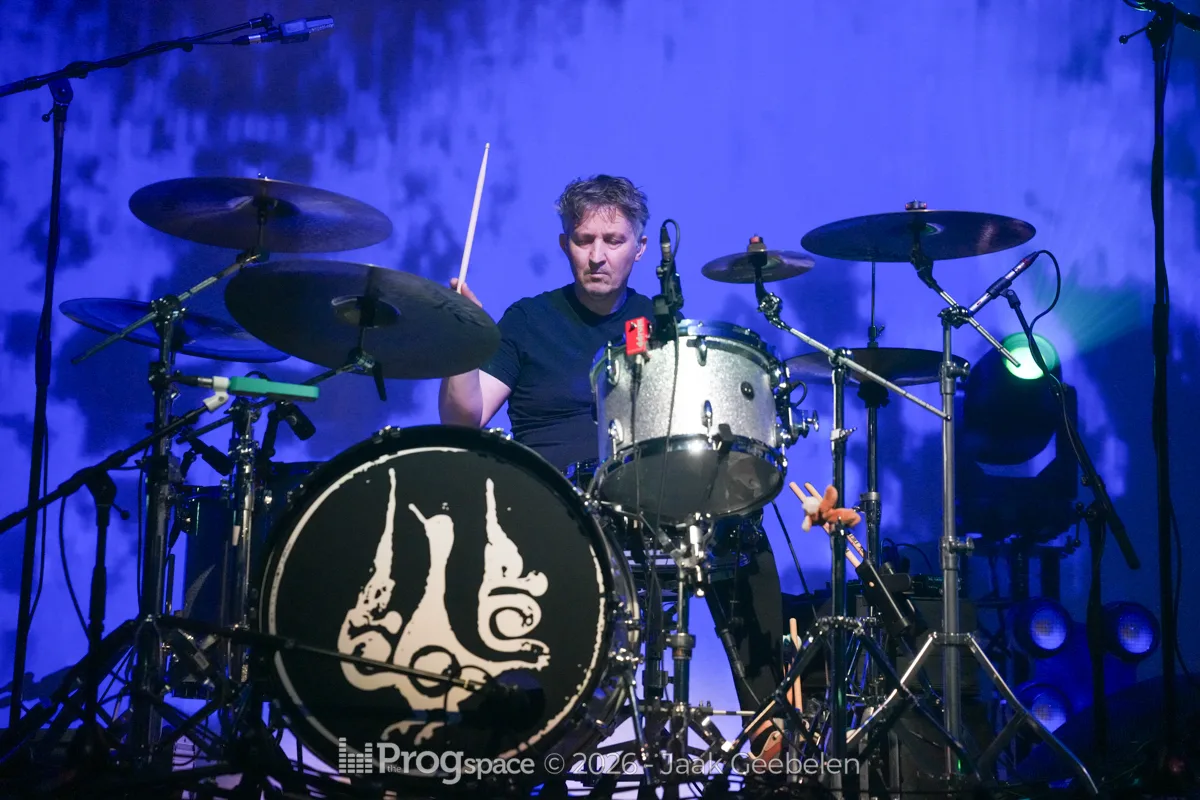
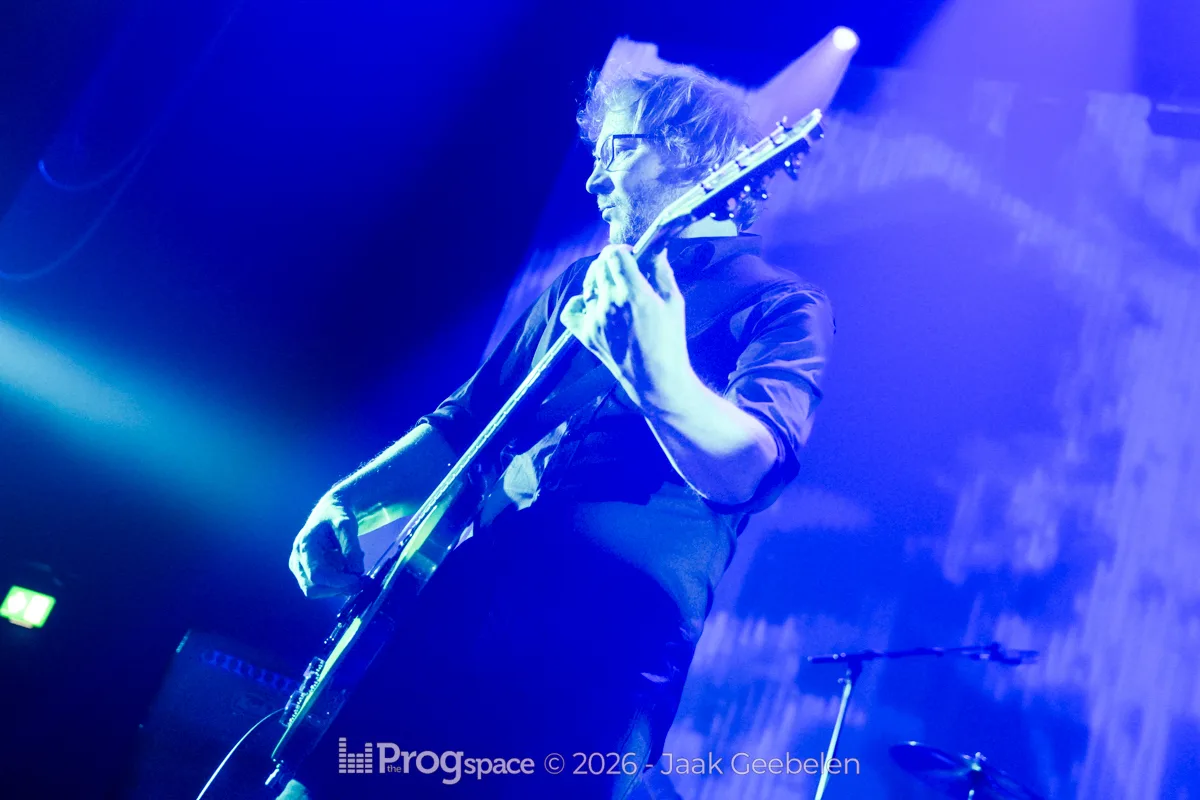
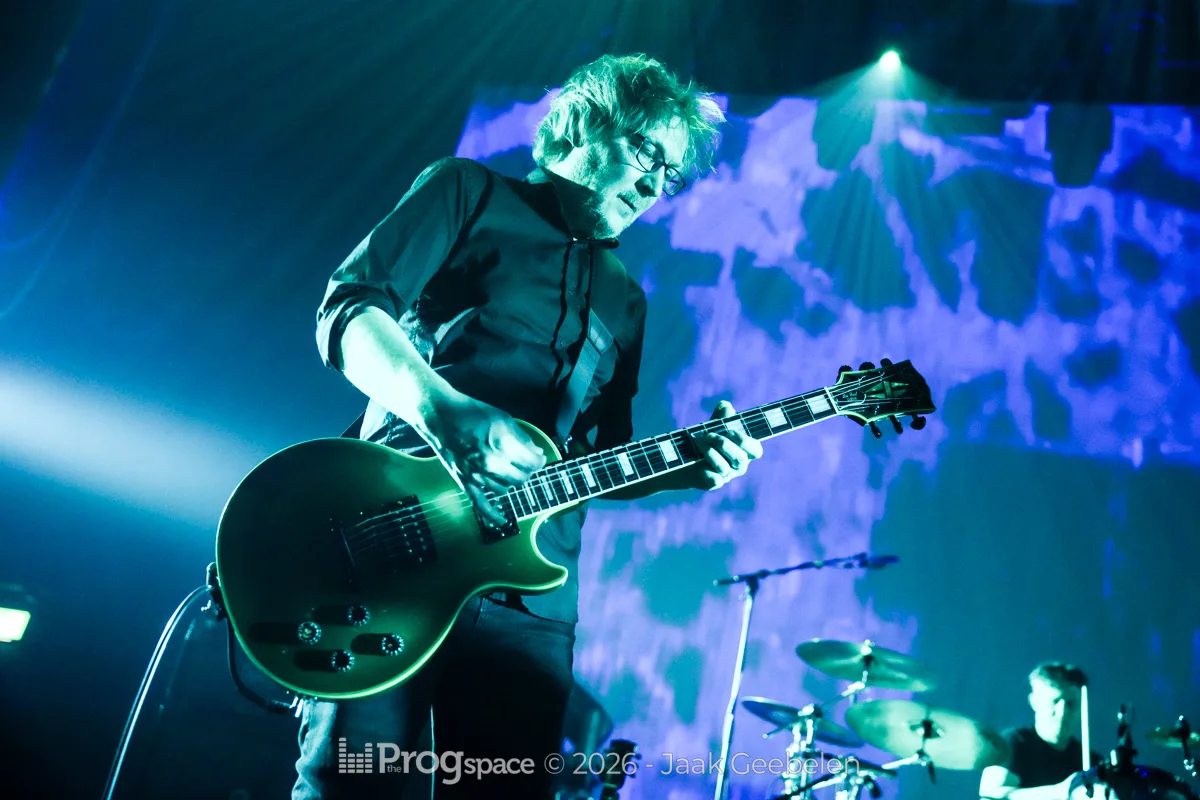
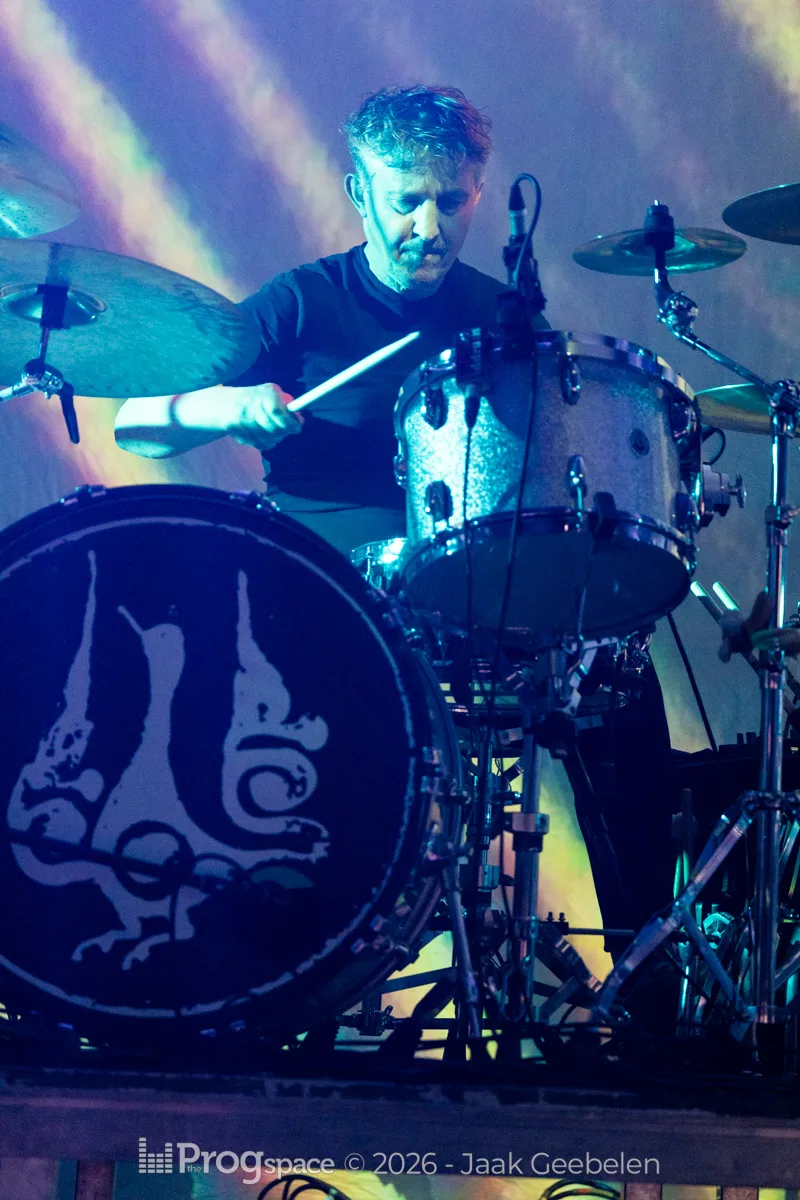
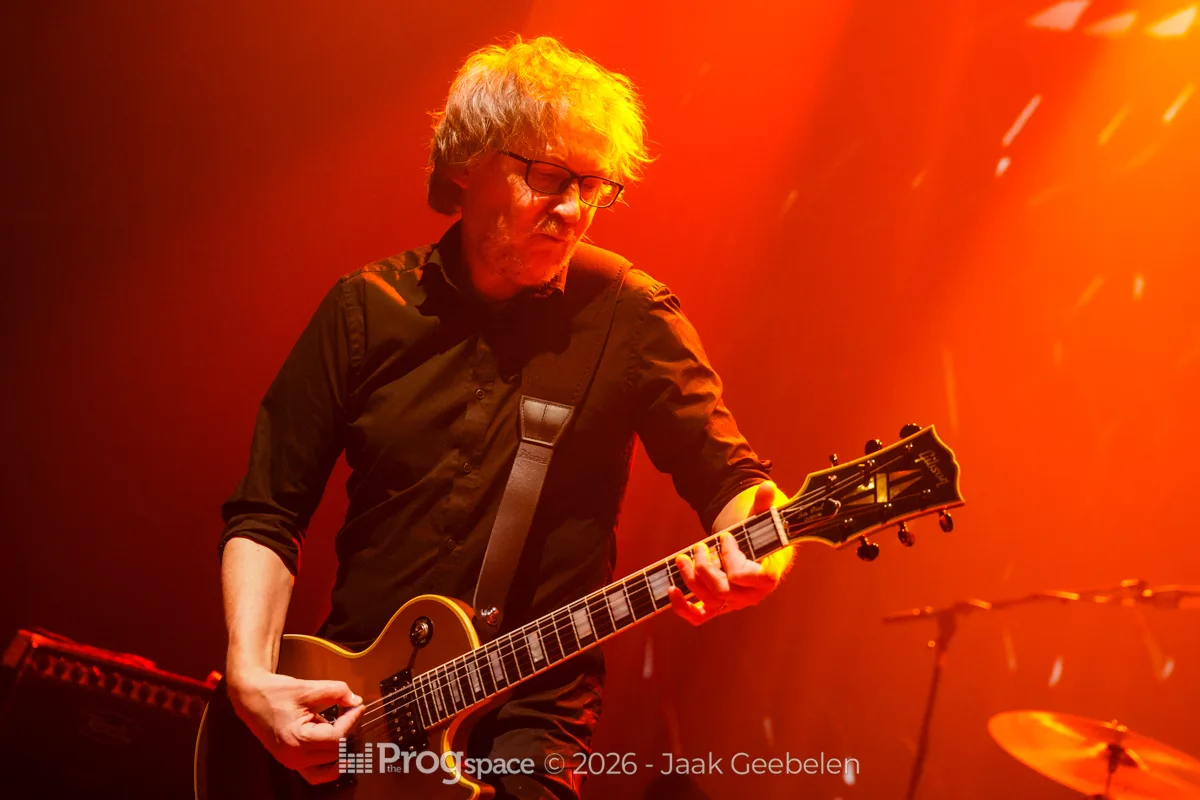
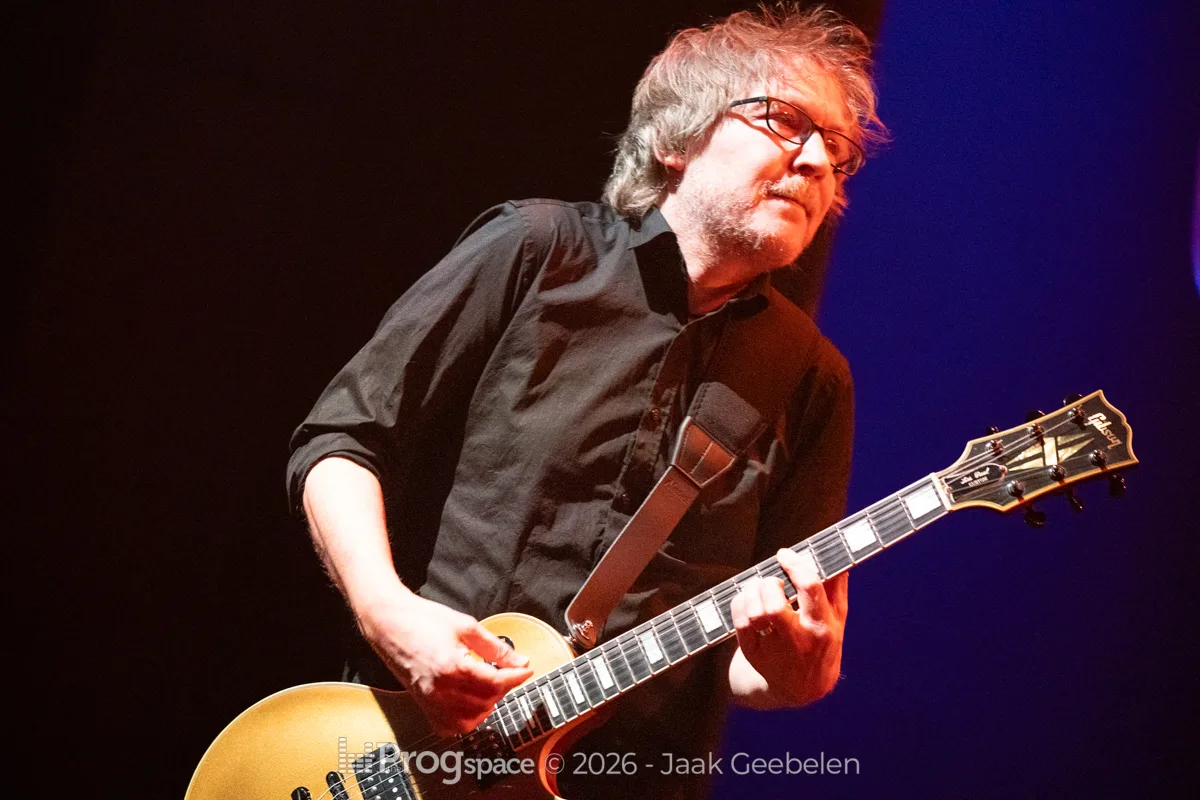
The emotional core of the album followed immediately with “Eléanor,” “Fear the Sea,” and “In Motion #1.” Here, The Gathering sounded remarkably powerful and organic right from the start. René Rutten’s warm, floating guitar lines formed a perfect balance with Frank Boeijen’s atmospheric keyboard textures, while Hans Rutten once again demonstrated how essential his subtle dynamics have always been to the classic Gathering sound. No excessive technical showmanship — just constant tension building in which melancholy remained more important than aggression.
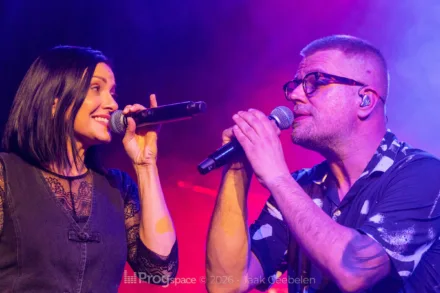
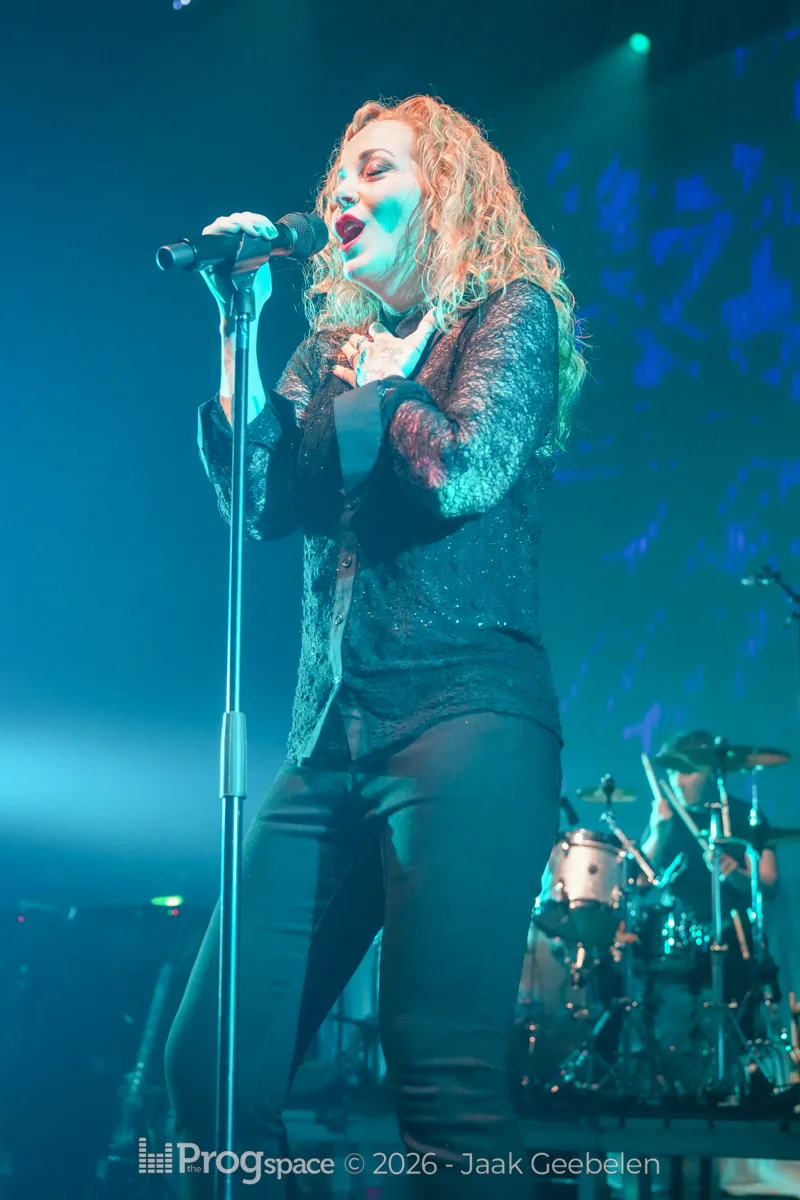
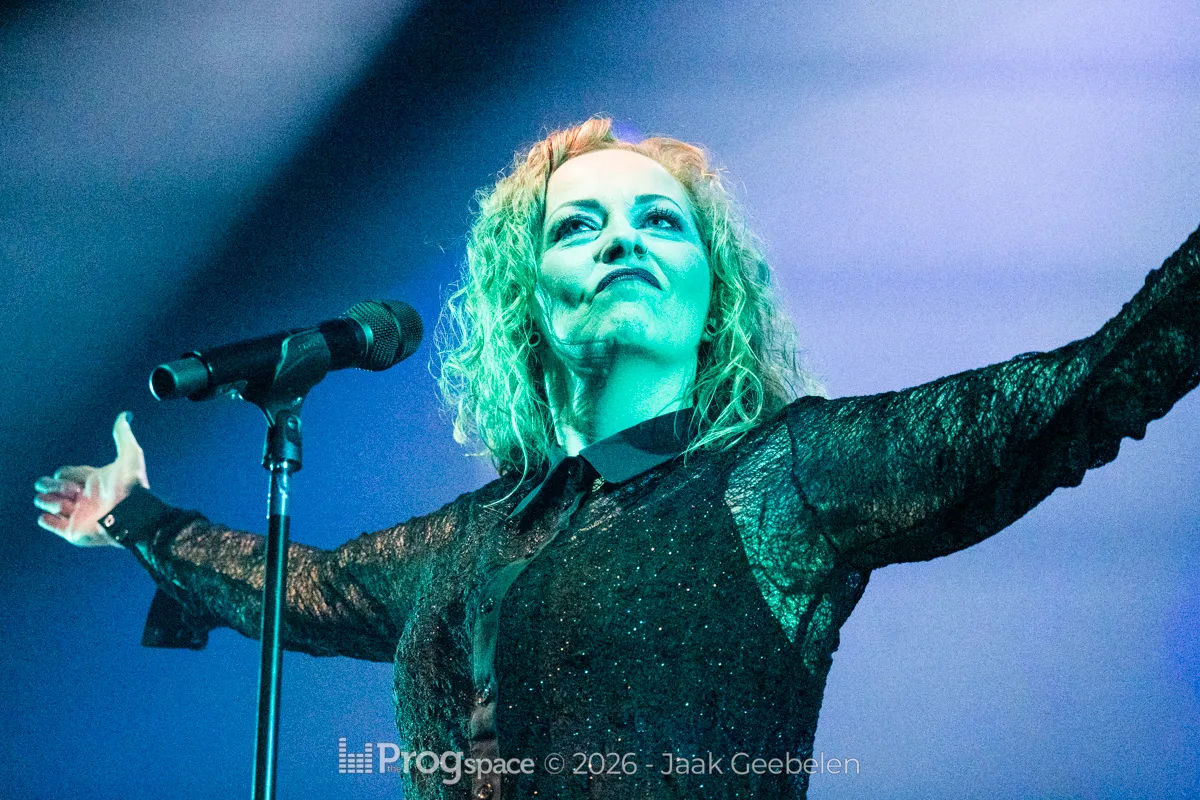
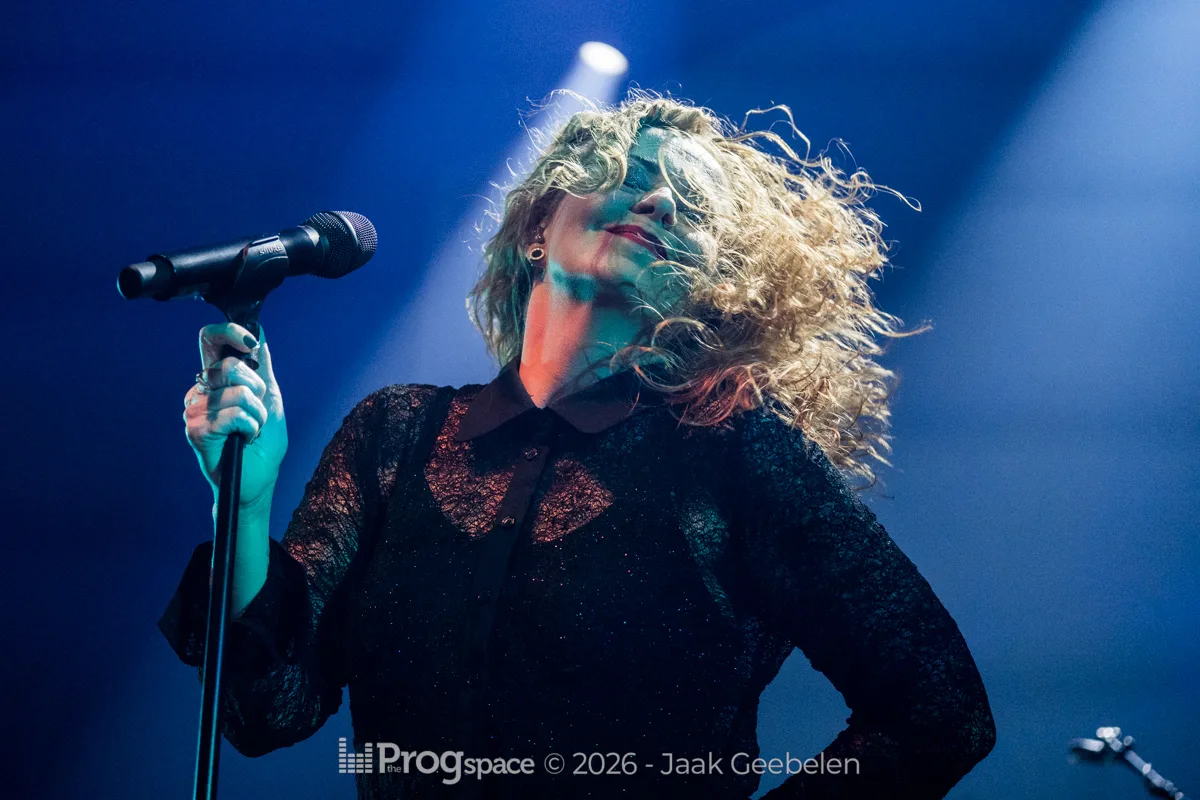
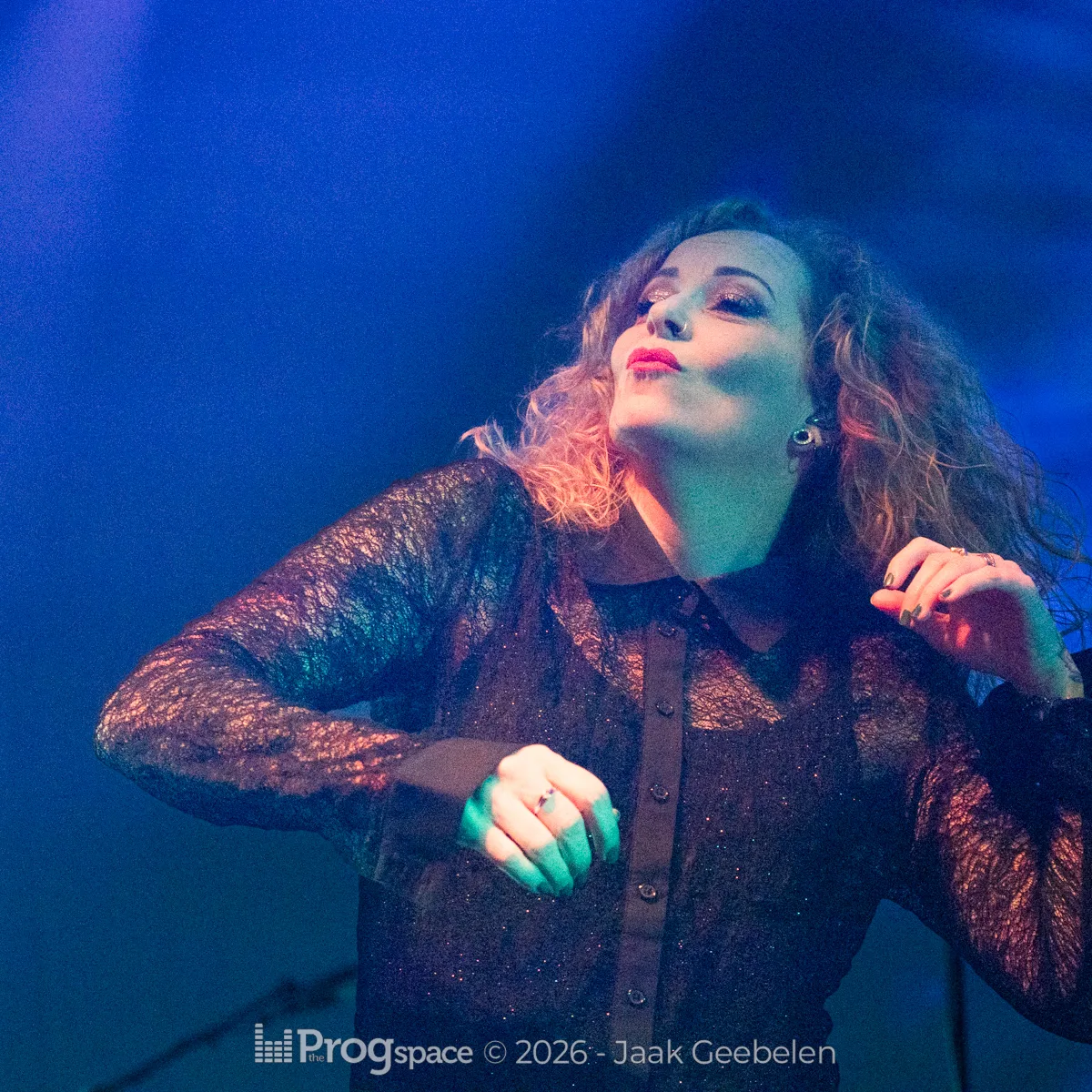
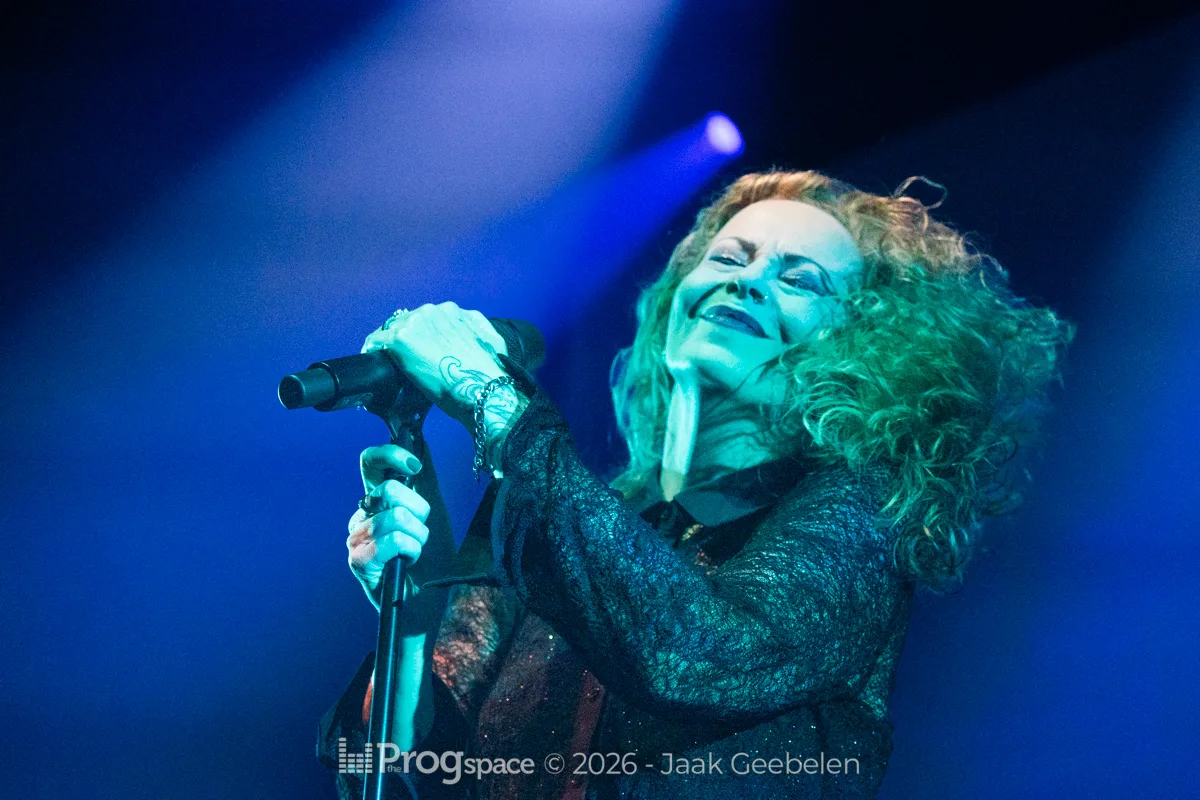
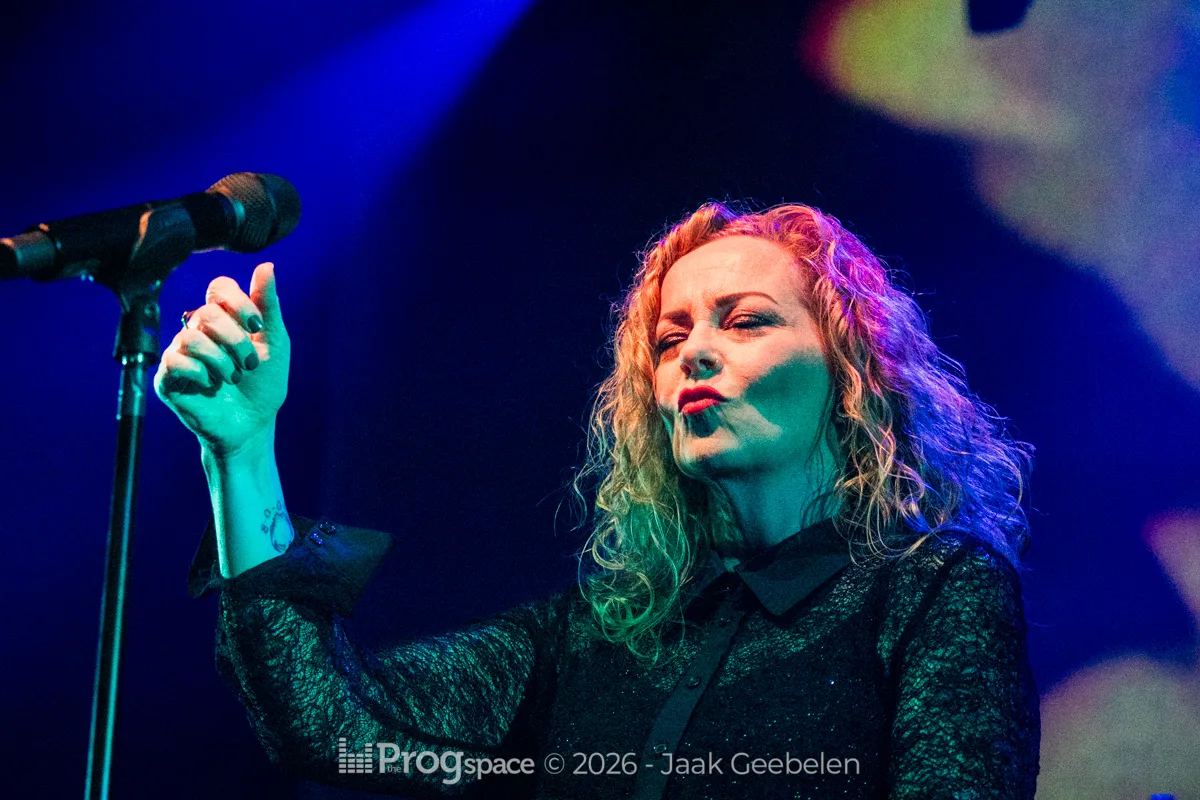
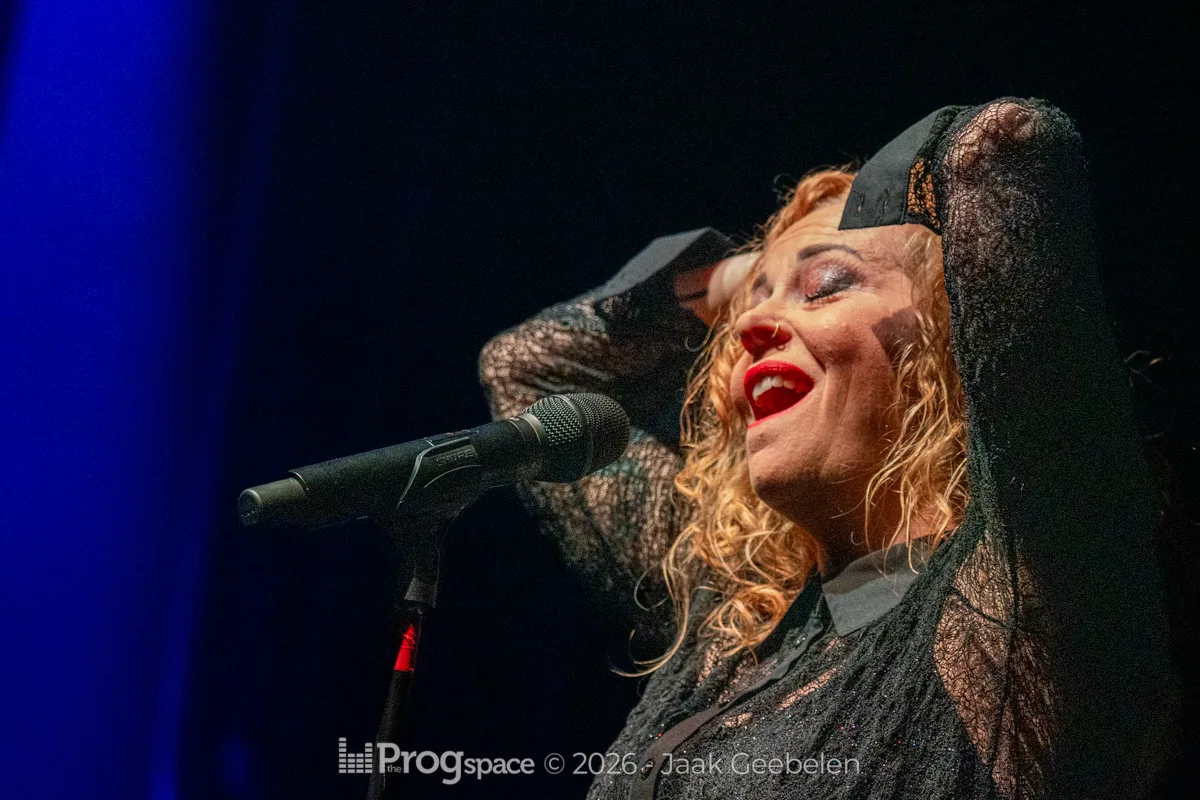
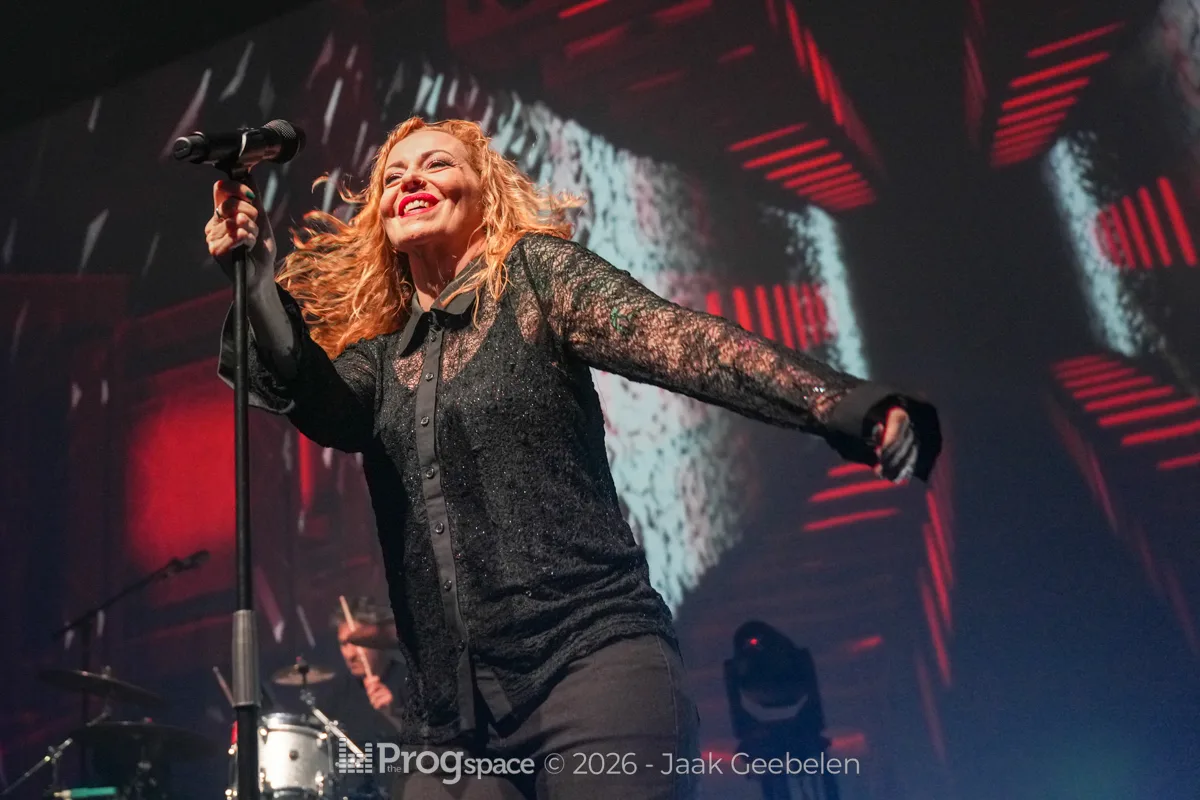
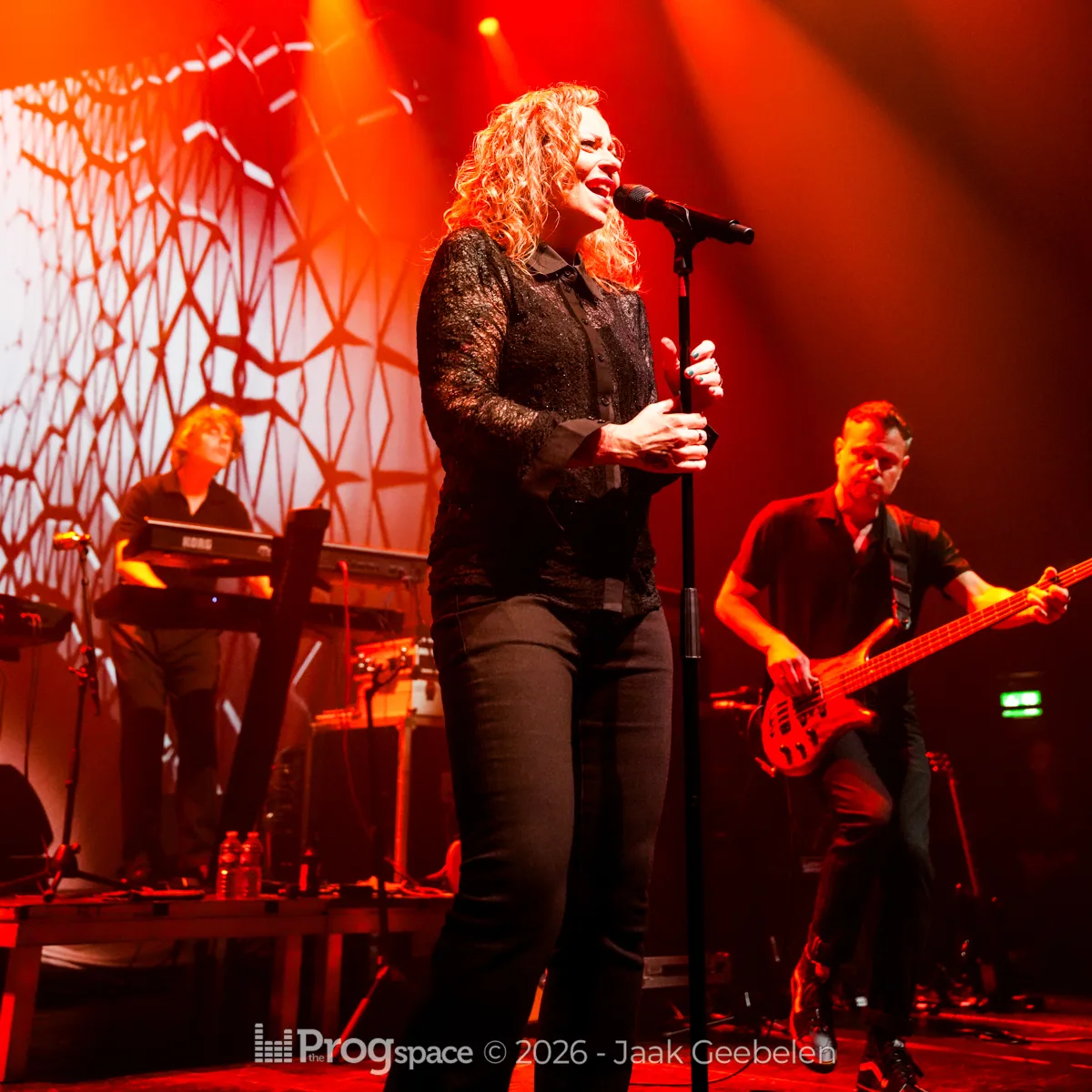
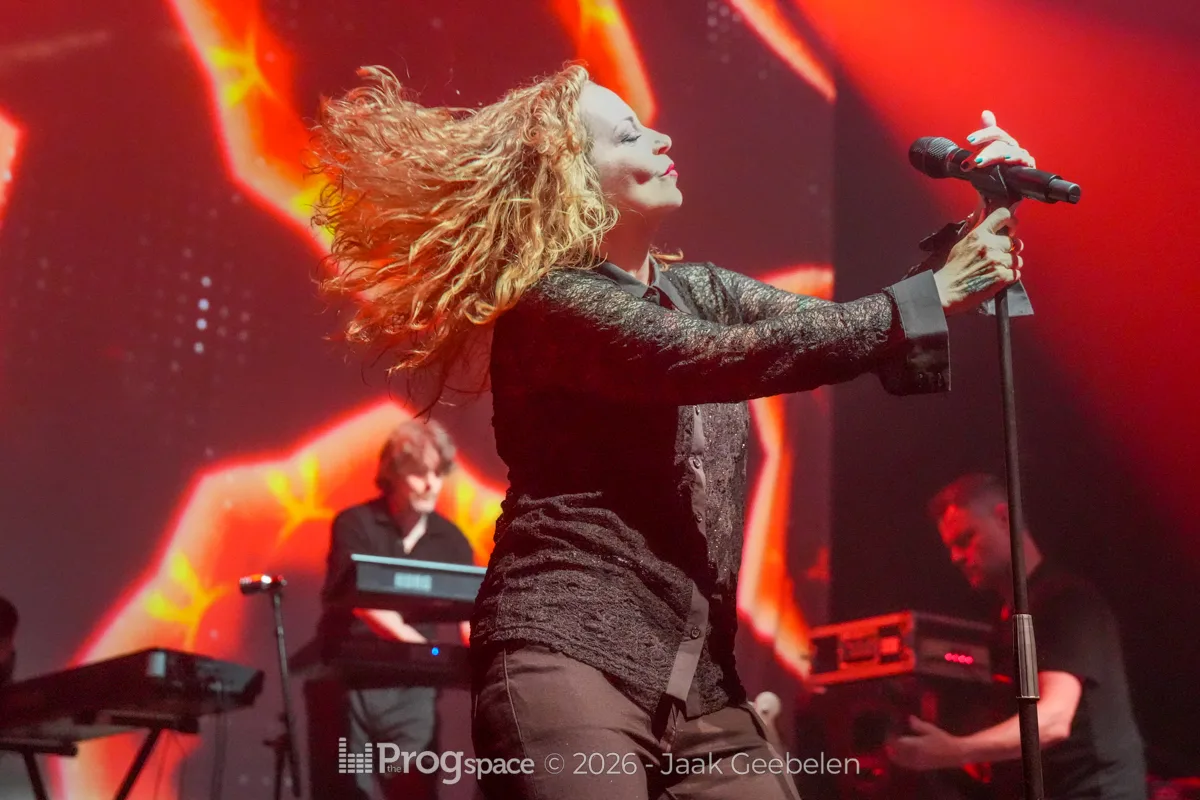
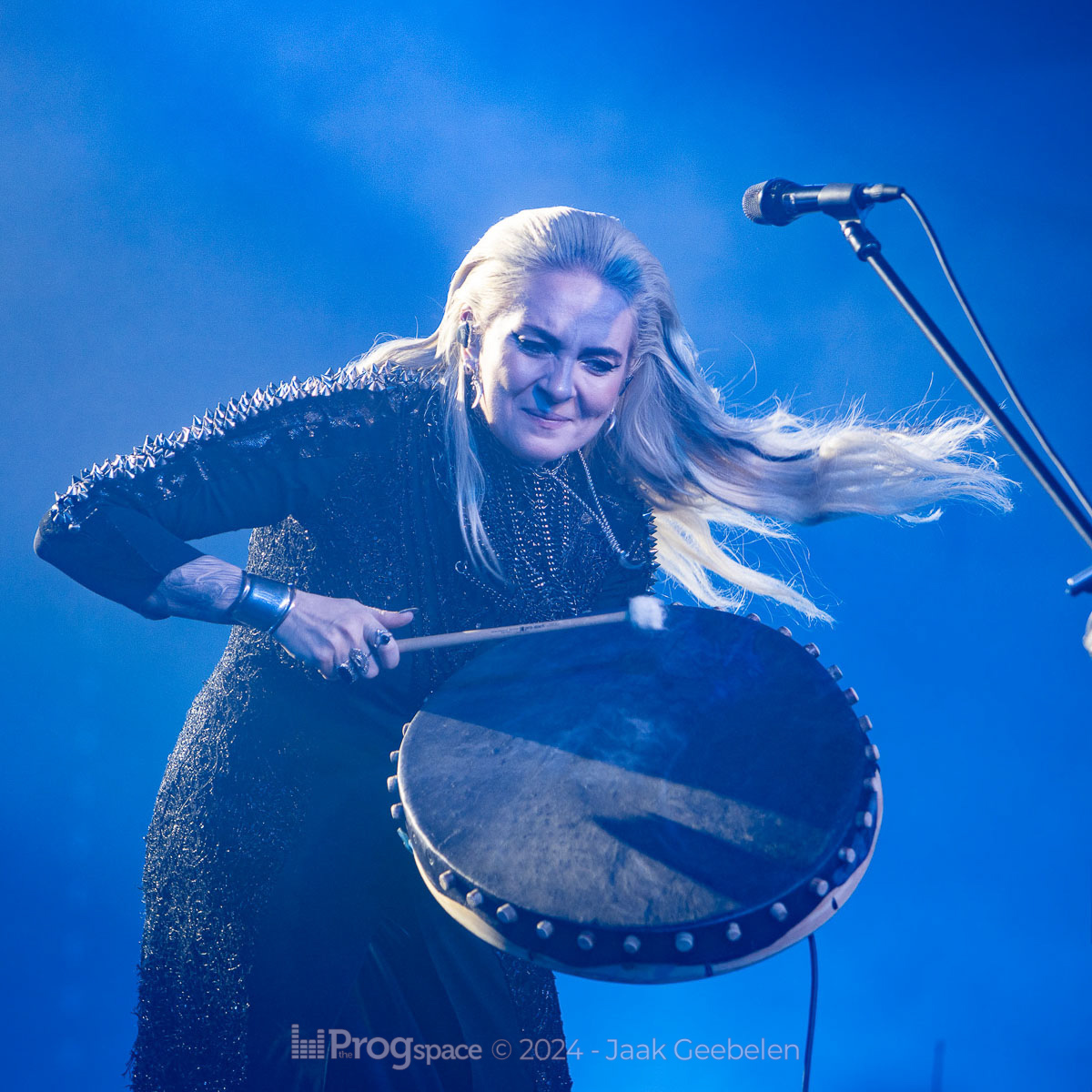
Meanwhile, Anneke van Giersbergen remained the natural focal point of the performance. Her voice may have lost a little of its youthful sharpness compared to the nineties, but it has gained emotional nuance and maturity in return. Especially during “In Motion #1” and later “Leaves,” it became obvious how deeply these songs still resonate today. The audience sang along enthusiastically, yet without it ever feeling like empty nostalgia.
With “On Most Surfaces (Inuït),” “Broken Glass,” and “Waking Hour,” the set expanded toward Nighttime Birds, Souvenirs, and Home. This middle section of the concert felt darker, more introspective, and emotionally heavier. “Broken Glass” in particular worked exceptionally well live thanks to the combination of warm red lighting, slow-building tension, and the melancholic intensity that always distinguished The Gathering from many gothic metal bands of the same era.
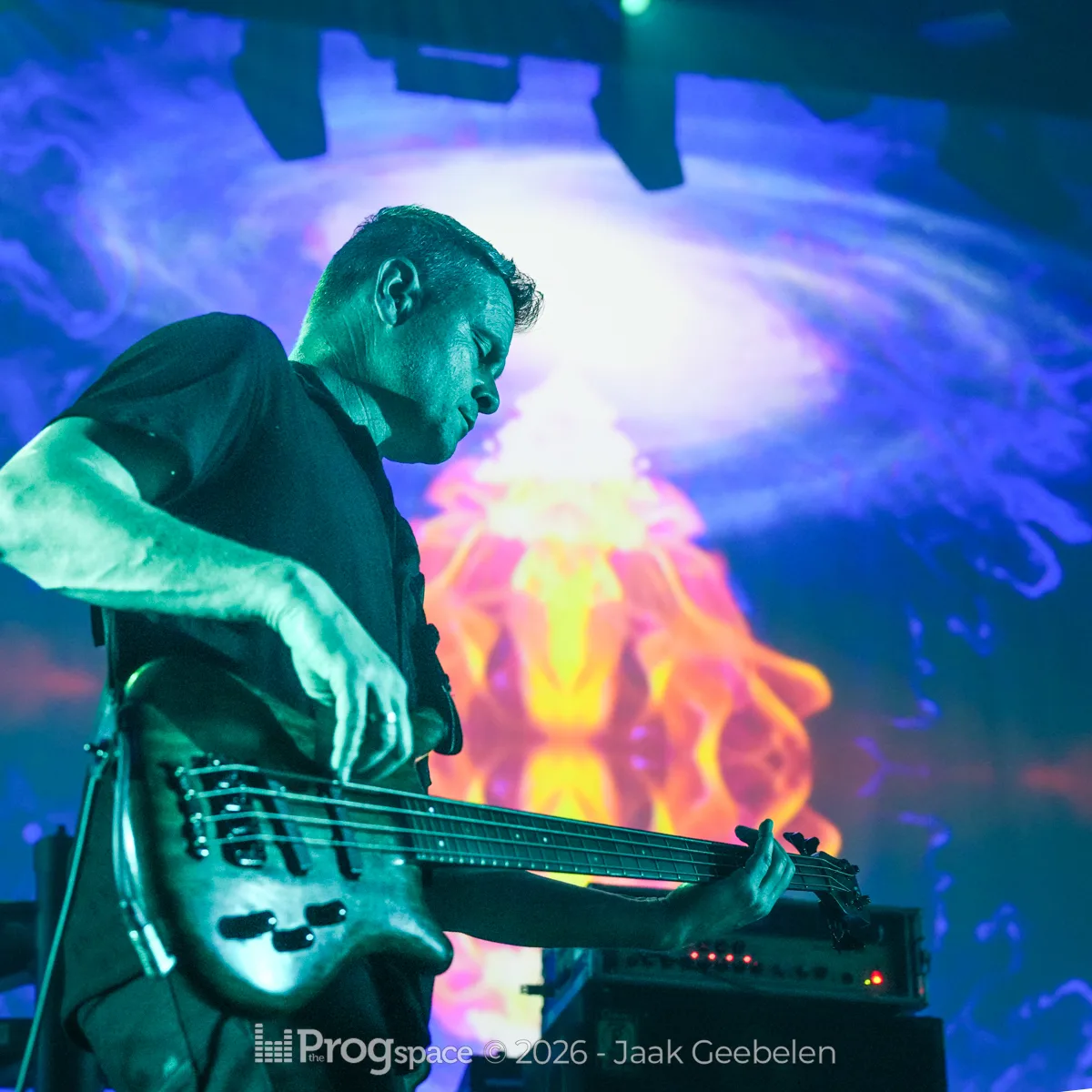
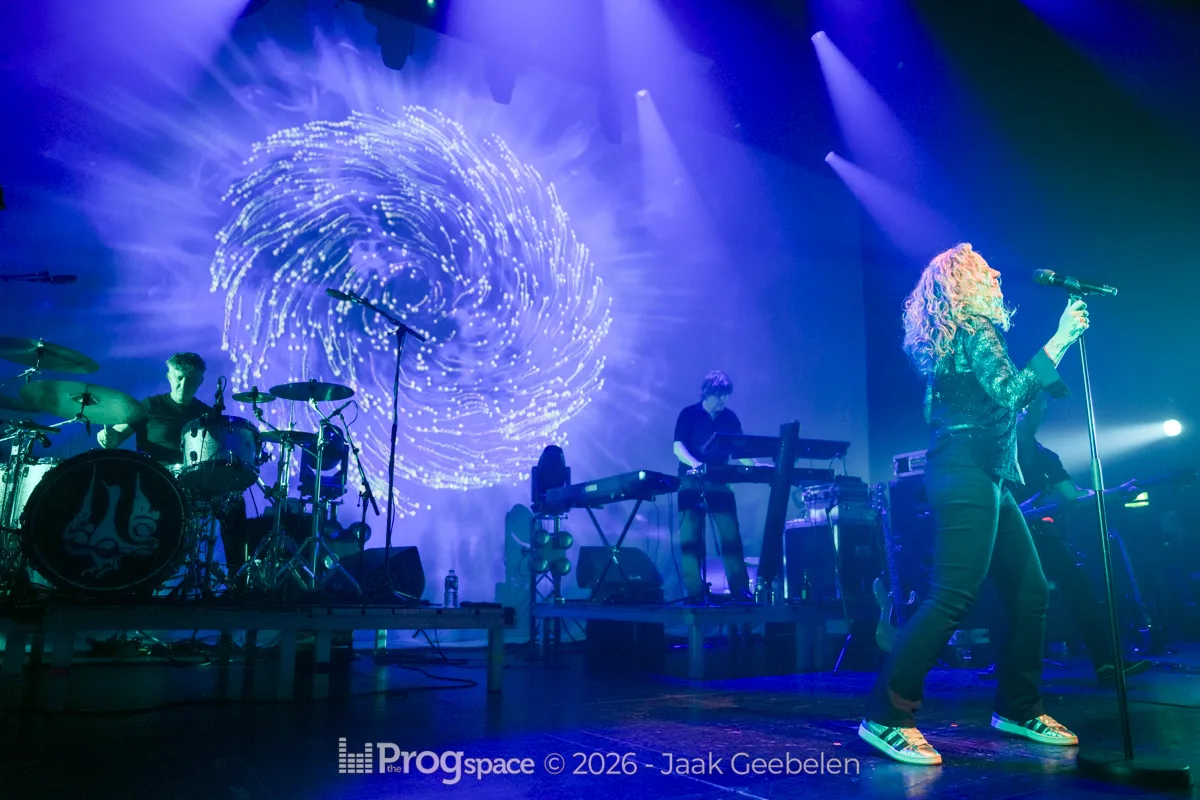
The band then gradually moved into their more experimental and atmospheric period with “Probably Built in the Fifties” and “Analog Park.” Here, the influences of shoegaze, ambient, trip-hop, and alternative rock became much more apparent. The music gained more breathing space while the visuals evolved toward abstract geometric patterns, kaleidoscopic structures, and almost psychedelic projections. Some images carried a ritualistic or sacred feeling, while others suggested futuristic science-fiction landscapes that perfectly suited the spatial atmosphere of these songs.
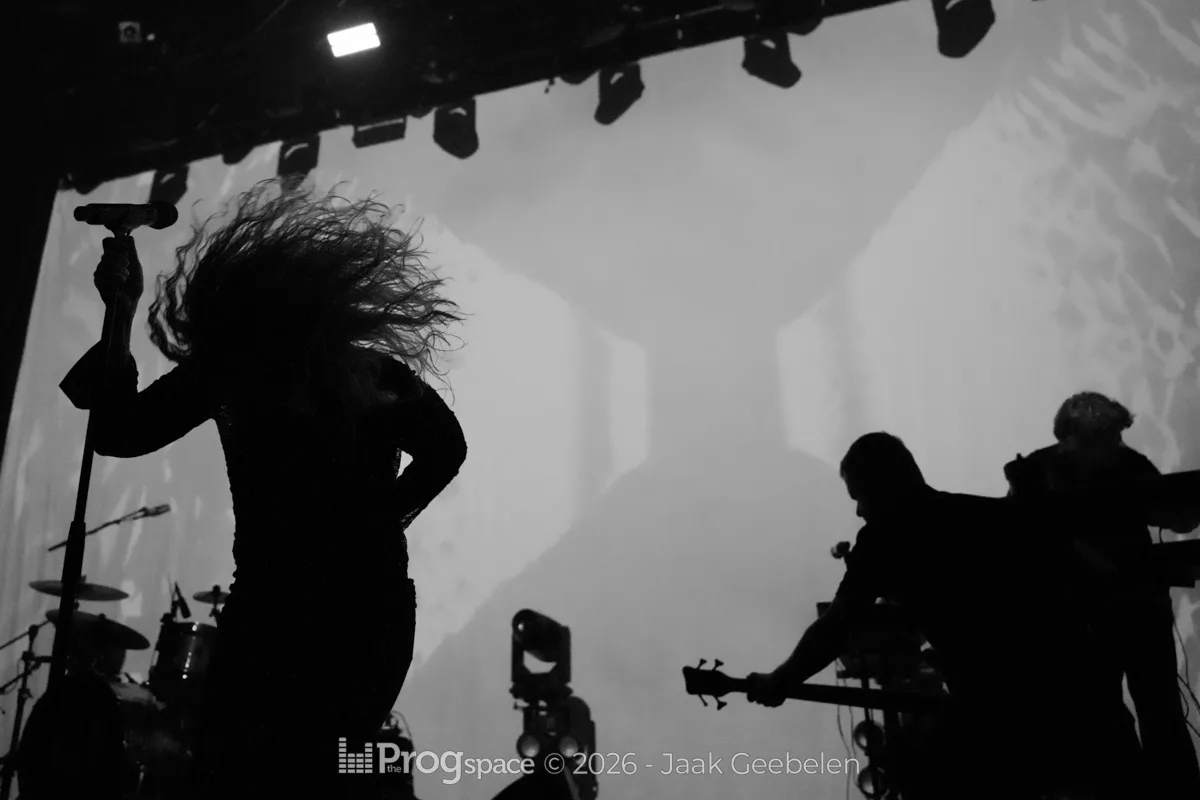
Visually, the show remained impressively coherent throughout. The enormous projection wall behind the band continuously dominated the stage image without ever becoming distracting. Moon projections, cosmic landscapes, symmetrical figures, and slowly pulsating abstract forms constantly reinforced the hypnotic character of the music. The use of color was especially effective: deep blues and purples dominated the more melancholic passages, while intense reds and fiery orange tones illuminated the heavier moments. Often, the musicians appeared merely as dark silhouettes against enormous color fields, transforming the entire venue into one vast audiovisual dreamscape.
With “In Motion #2,” “Leaves,” and especially the magnificent “Sand and Mercury,” the concert returned to the emotional heart of Mandylion. “Sand and Mercury” in particular became one of the undeniable highlights of the evening: slowly unfolding, hypnotic, emotionally charged, and perfectly supported by the slowly moving cosmic visuals behind the band.
The true collective eruption, however, arrived with “Strange Machines.” It remains remarkable how unique this song still sounds today. When it first appeared in the mid-nineties, almost nothing comparable existed within the European rock and metal scene. Thirty years later, the song still stands as a monument — simultaneously heavy, melodic, melancholic, and accessible. For a few minutes, the entire audience seemed to become twenty years younger again.
It was also a smart decision not to place “Strange Machines” at the beginning of the set. On the album, the song opens Mandylion, but live it functioned far more effectively as the major collective climax near the end of the main set.
After that emotional eruption, The Gathering consciously avoided ending in pure bombast. The encore consisting of “Travel” and “Saturnine” felt more like a slowly fading epilogue. “Saturnine” in particular created an almost fragile moment of stillness in which Anneke’s warm voice, the soft keyboard textures, and the deep blue lighting merged perfectly together. Typical The Gathering: no explosive finale, but rather an emotional afterglow that lingered long after the final notes disappeared.
What ultimately made this evening so special was that The Gathering never tried to artificially recreate the past. This did not feel like a band replaying a classic album simply because the audience expected it. On the contrary: the music sounded as if it had grown older together with its listeners.
Thirty years after Mandylion, The Gathering therefore remains a band that still refuses to be confined within a single genre. Perhaps that is exactly why this music continues to endure so beautifully. What unfolded yesterday in Esch-sur-Alzette did not feel like a museum piece from the nineties, but rather like a living musical world in which melancholy, atmosphere, and emotional depth still remain central — allowing a full venue of people to feel twenty years younger again for two unforgettable hours.
Setlist
- Mandylion (snippet / keyboard intro)
- Eléanor
- Fear the Sea
- In Motion #1
- On Most Surfaces (Inuït)
- Broken Glass
- Waking Hour
- Probably Built in the Fifties
- Analog Park
- In Motion #2
- Leaves
- Sand and Mercury
- Strange Machines
Encore
- Travel
- Saturnine



 We’re a group of Prog-lovers who started a journey to share with you our thoughts about albums, concerts, tours and festivals, the photo galleries of the Prog concerts we visit, as well interviews with upcoming or established musicians or prog-related people. Follow our Facebook page for frequent updates and news around the Progniverse.