


![Kristoffer Gildenlöw – [Humanised]](https://theprogspace.com/wp-content/uploads/2026/07/Front-Cover-150x150.webp)







Lesoir @ Poppodium 013 Tilburg, May 24, 2026
Lesoir reveals renewed power in a packed 013 Next
As support act for Airbag, Lesoir was given roughly forty minutes on stage in a packed 013 Next, but that proved more than enough to leave a remarkably strong impression. The band from Maastricht presented itself in Tilburg in a strikingly renewed live form: heavier, more direct and tighter than during previous performances I had seen from them, while still preserving the atmospheric identity that has made Lesoir such a recognizable name within the Dutch prog scene for years.
That the band has evolved significantly over the past years became clear from the very first minutes. Since the release of their studio album Mosaic in 2020, Lesoir has remained remarkably active. That constant momentum seems to have visibly changed the group musically. Where older Lesoir albums often balanced dreamy prog, folk influences and pastoral passages, the band today clearly embraces a heavier, more dynamic and more modern sound.
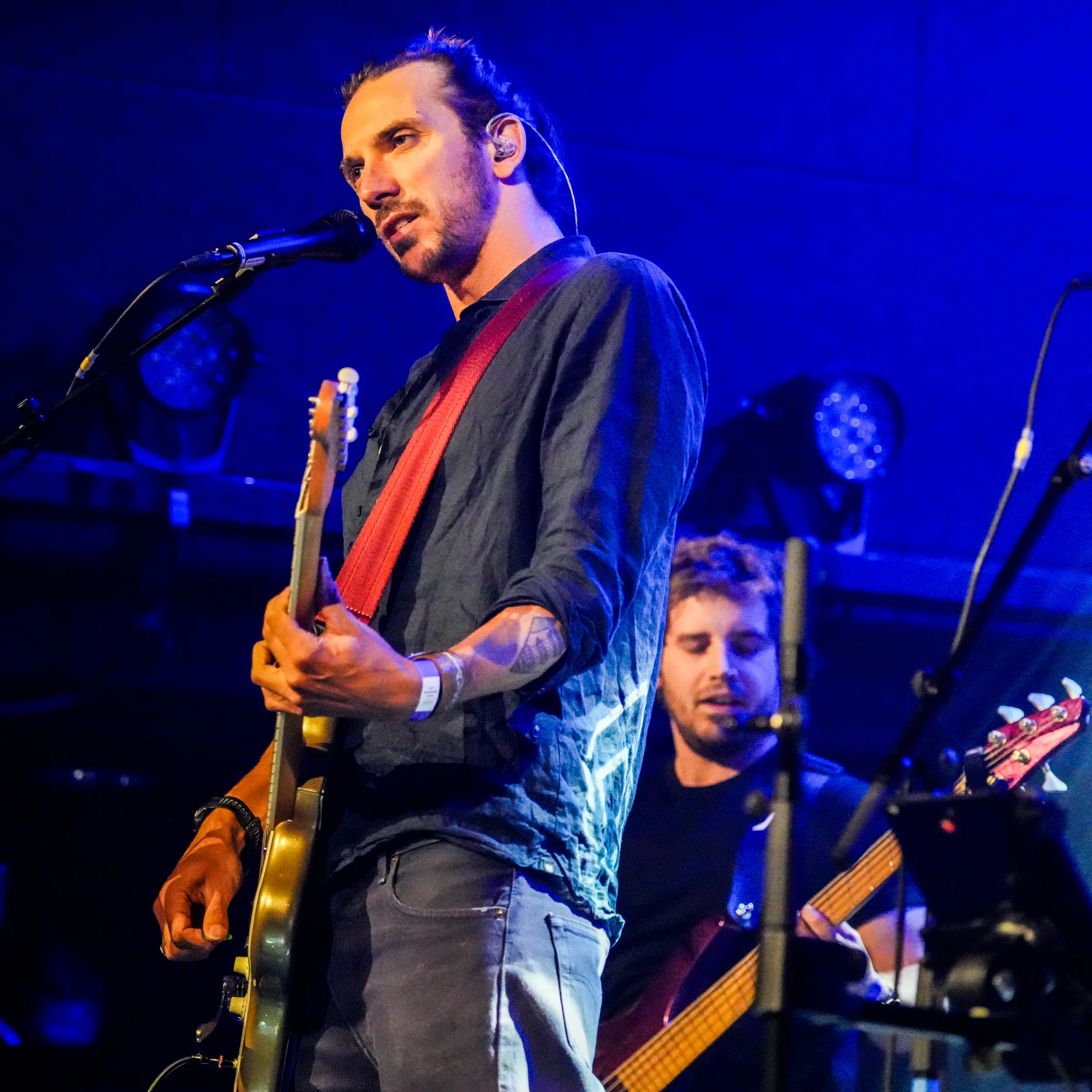
That evolution was further reinforced in 013 by a changed live line-up. Since December, the band parted ways with guitarist Ingo Jetten, after which old friend Rutger Martens rejoined on guitar. In addition, regular drummer Bob van Heumen was unable to join this tour because of professional obligations, leaving percussionist Ramon behind the drum kit instead. According to bandleader Ingo Dassen, that flexibility has become typical for Lesoir: rather than functioning as a rigid fixed line-up, the band increasingly operates as a collective of befriended musicians who, alongside their everyday lives, simply want to continue playing live as much as possible.
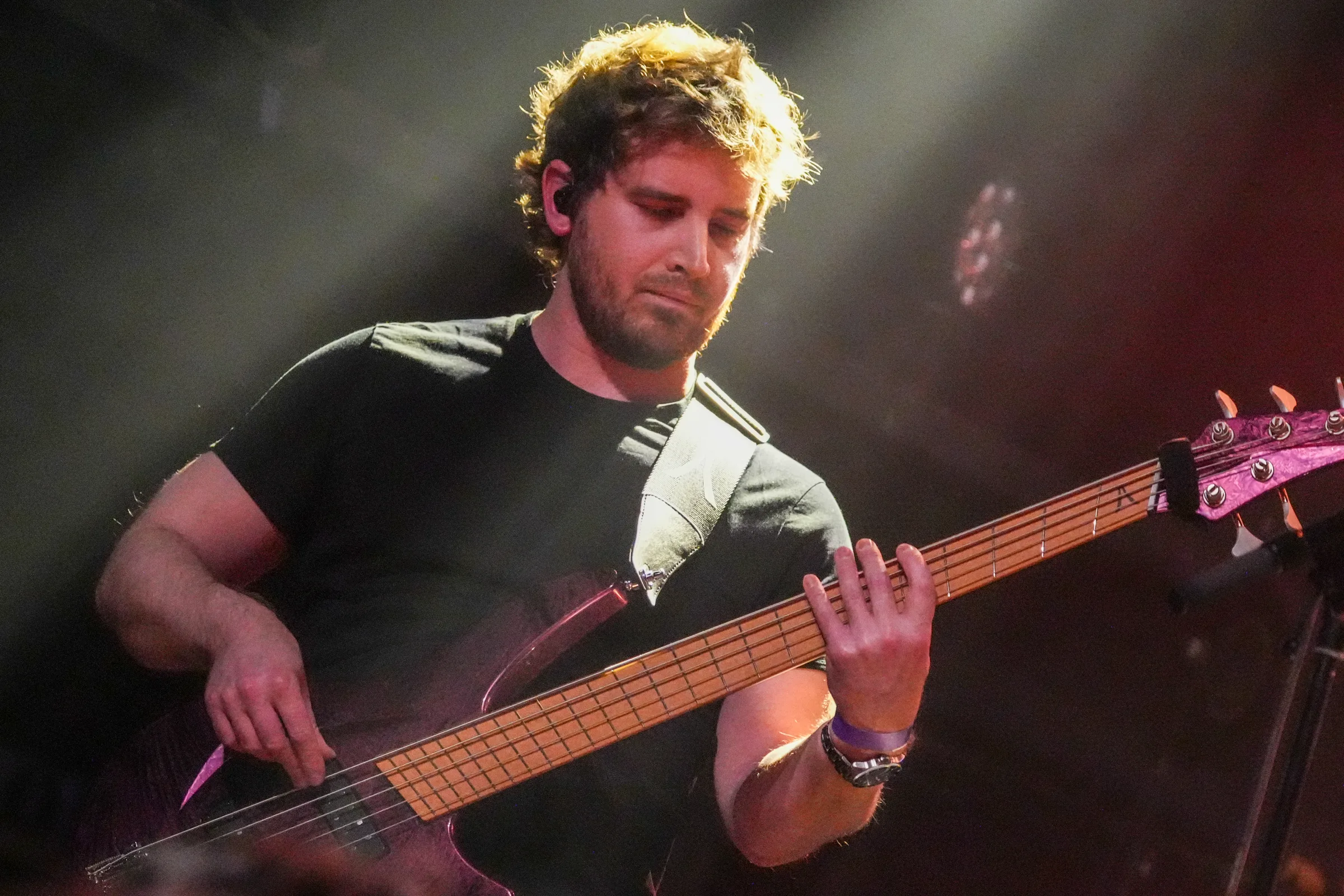
Bassist Staf Wouters — also known from URSA — has meanwhile clearly become a permanent force within the current live formation. His role stood out immediately during the performance. Several songs gained additional weight live through his driving bass lines, adding more groove and directness to the music than before.
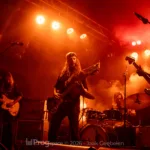
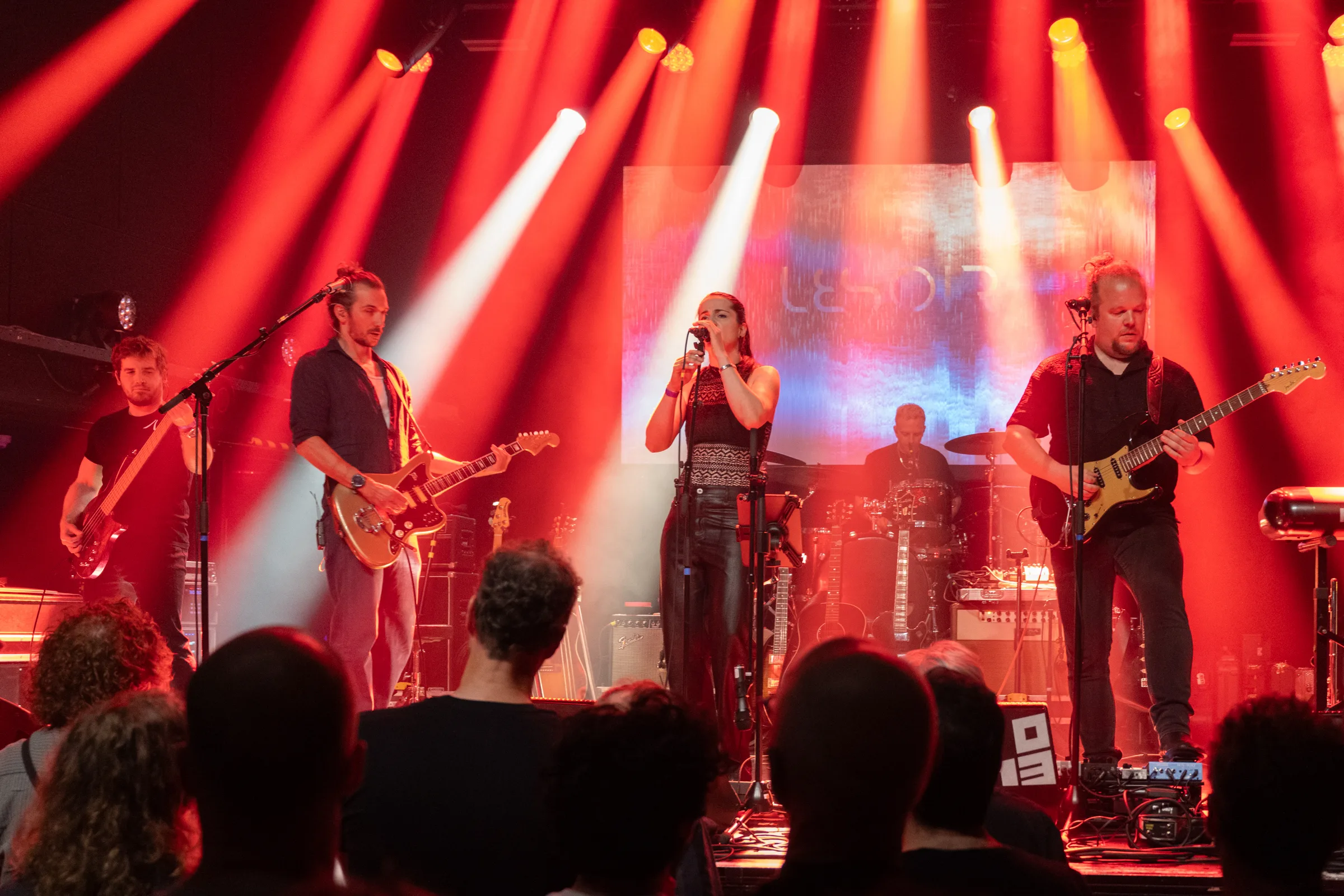
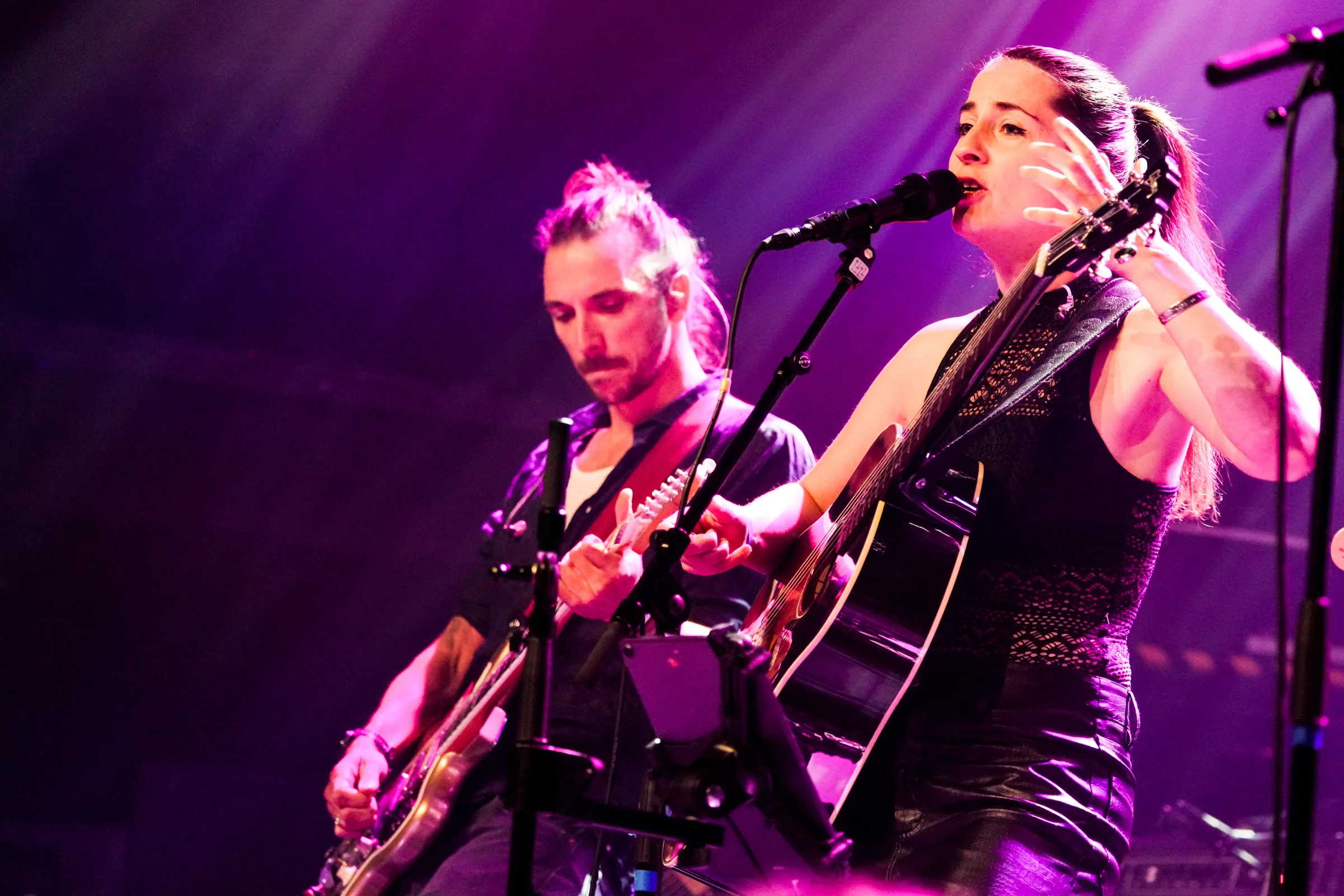
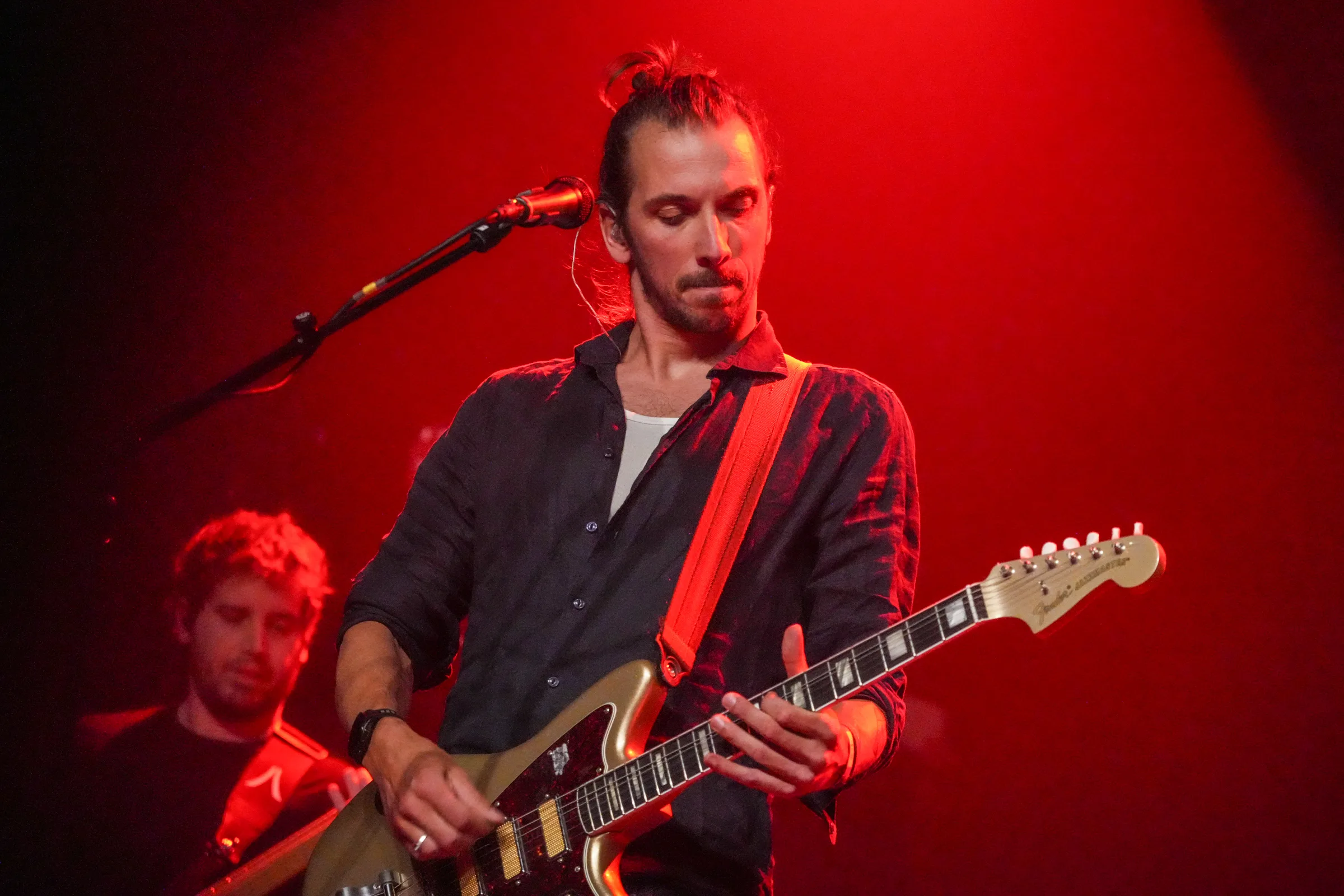
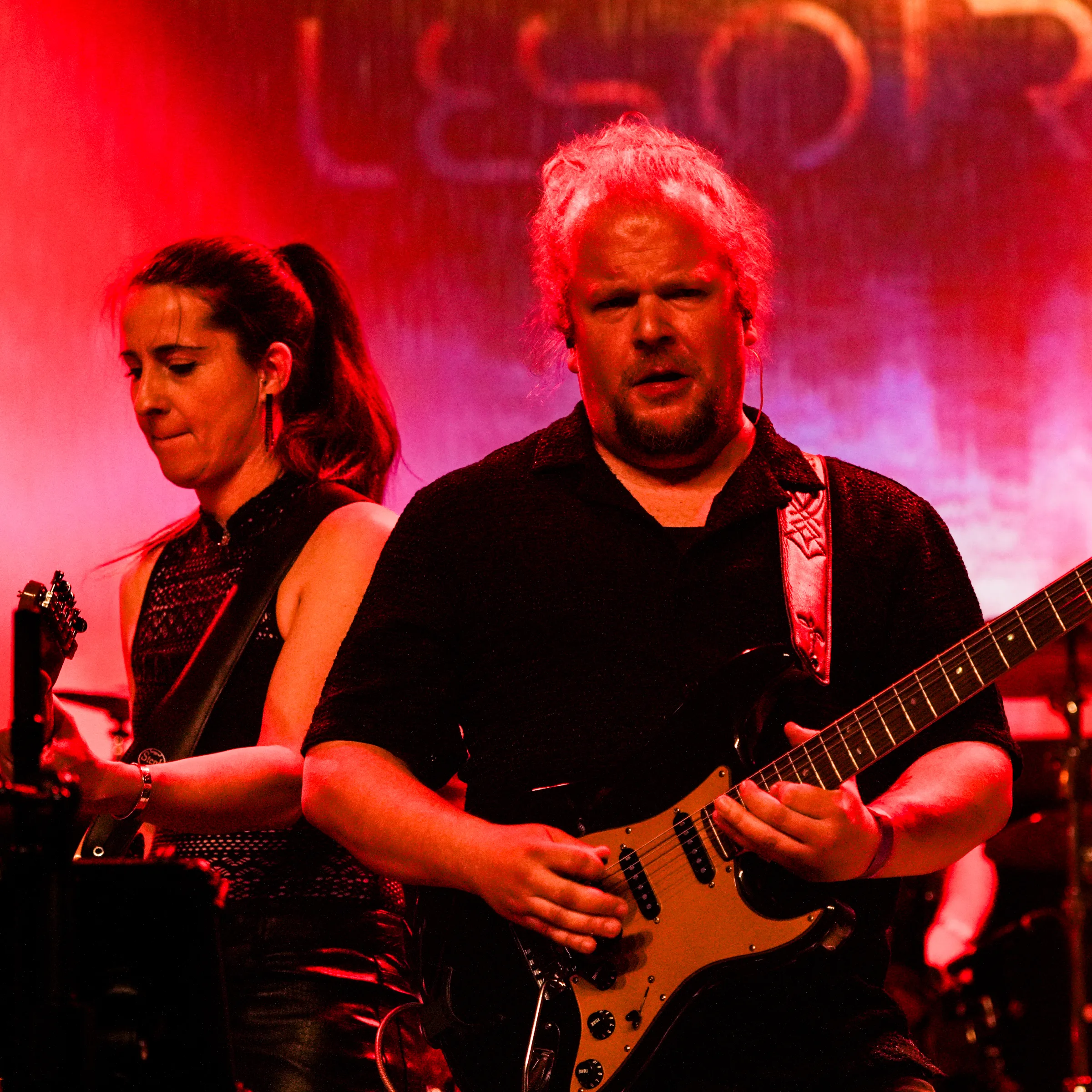
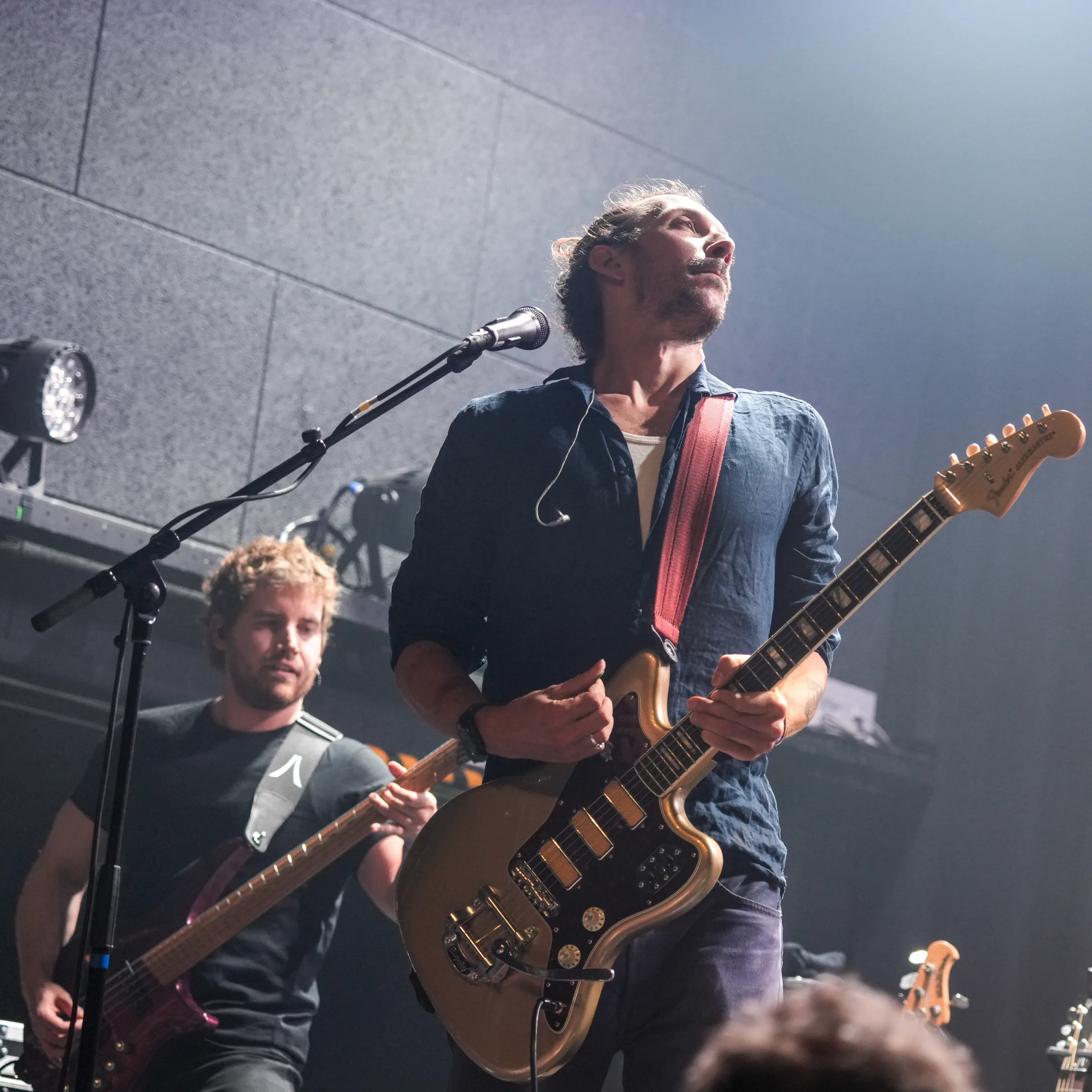
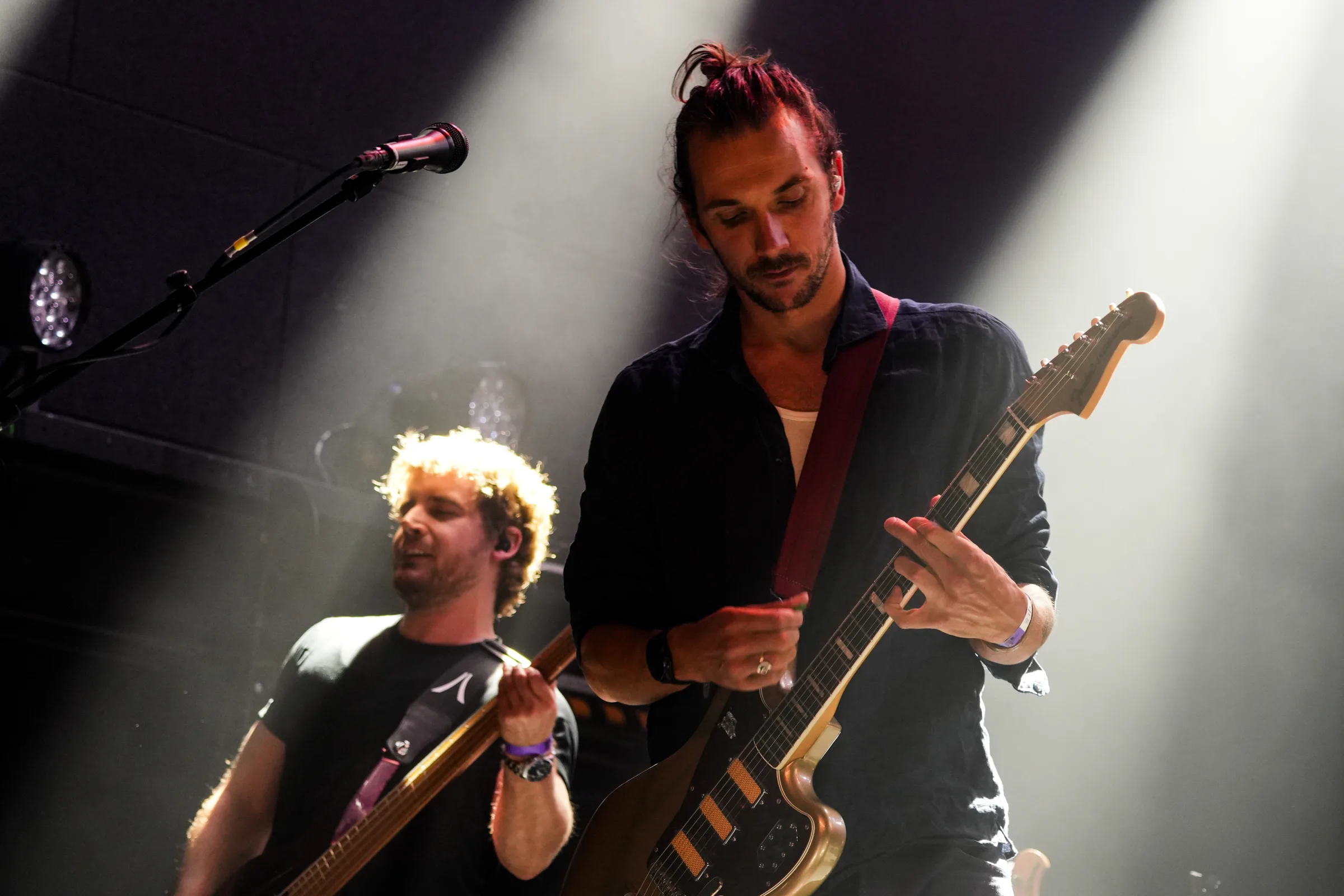
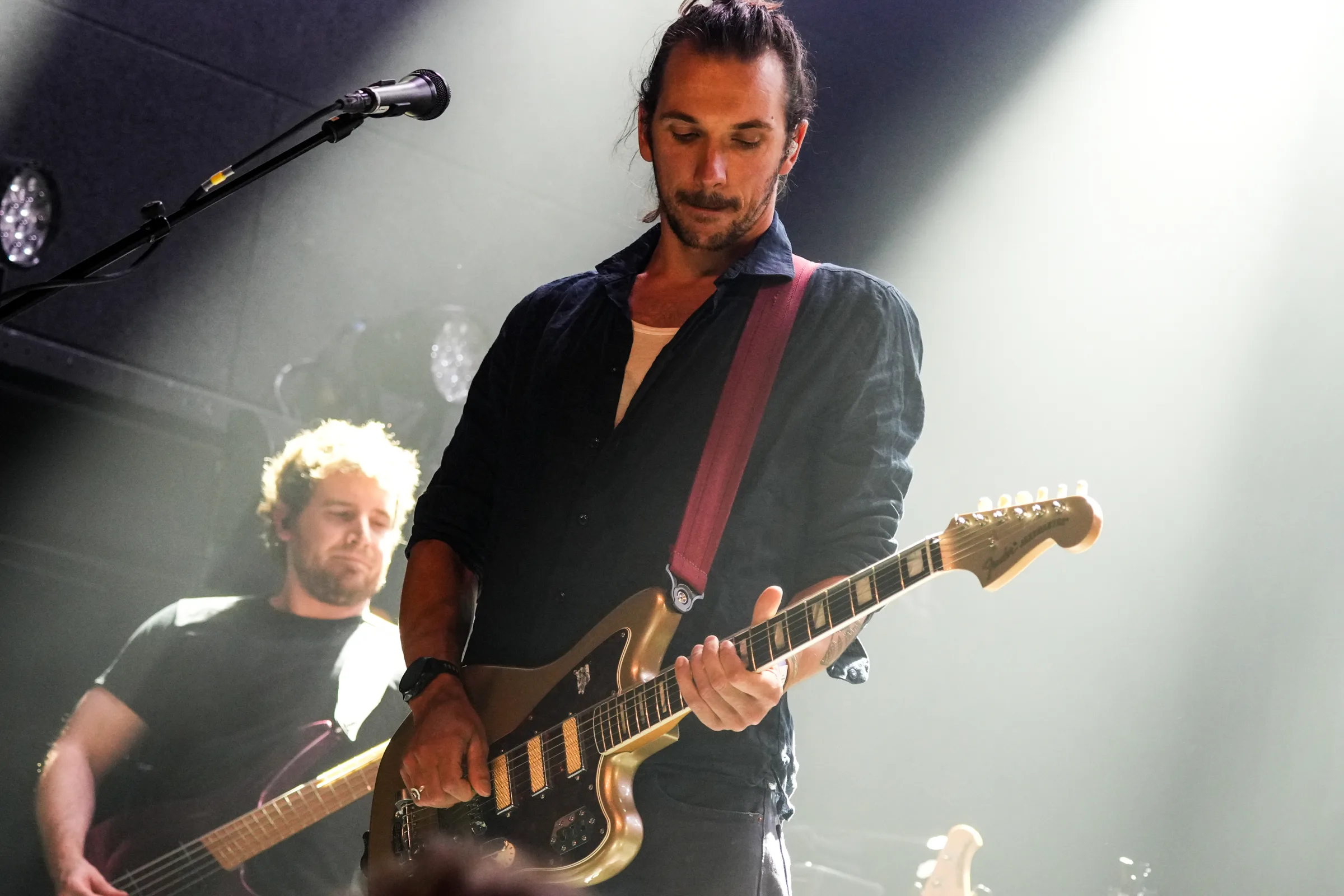
Visually, Lesoir had to work within a rather crowded and occasionally messy stage setup. Since Airbag still had to perform later that evening, the band was literally positioned between additional guitars, pedalboards, amplifiers and the remaining backline equipment. It did not exactly create a sleek or polished stage image, but at the same time it gave the performance an intense and honest club atmosphere. Everything here revolved around the music itself.
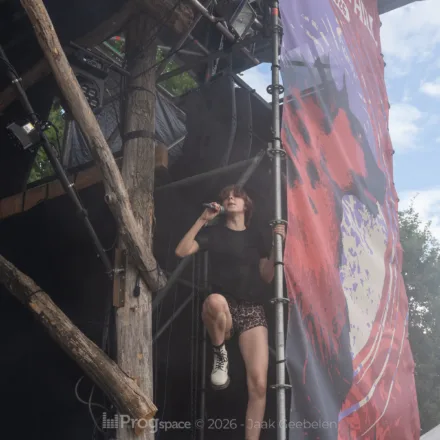
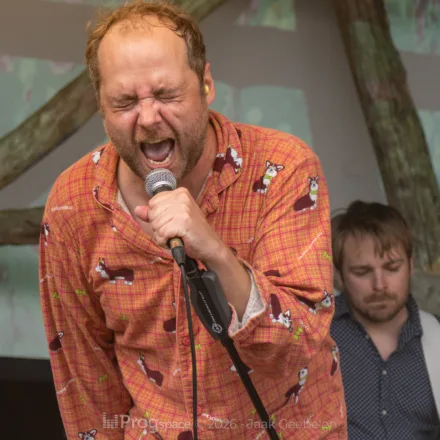
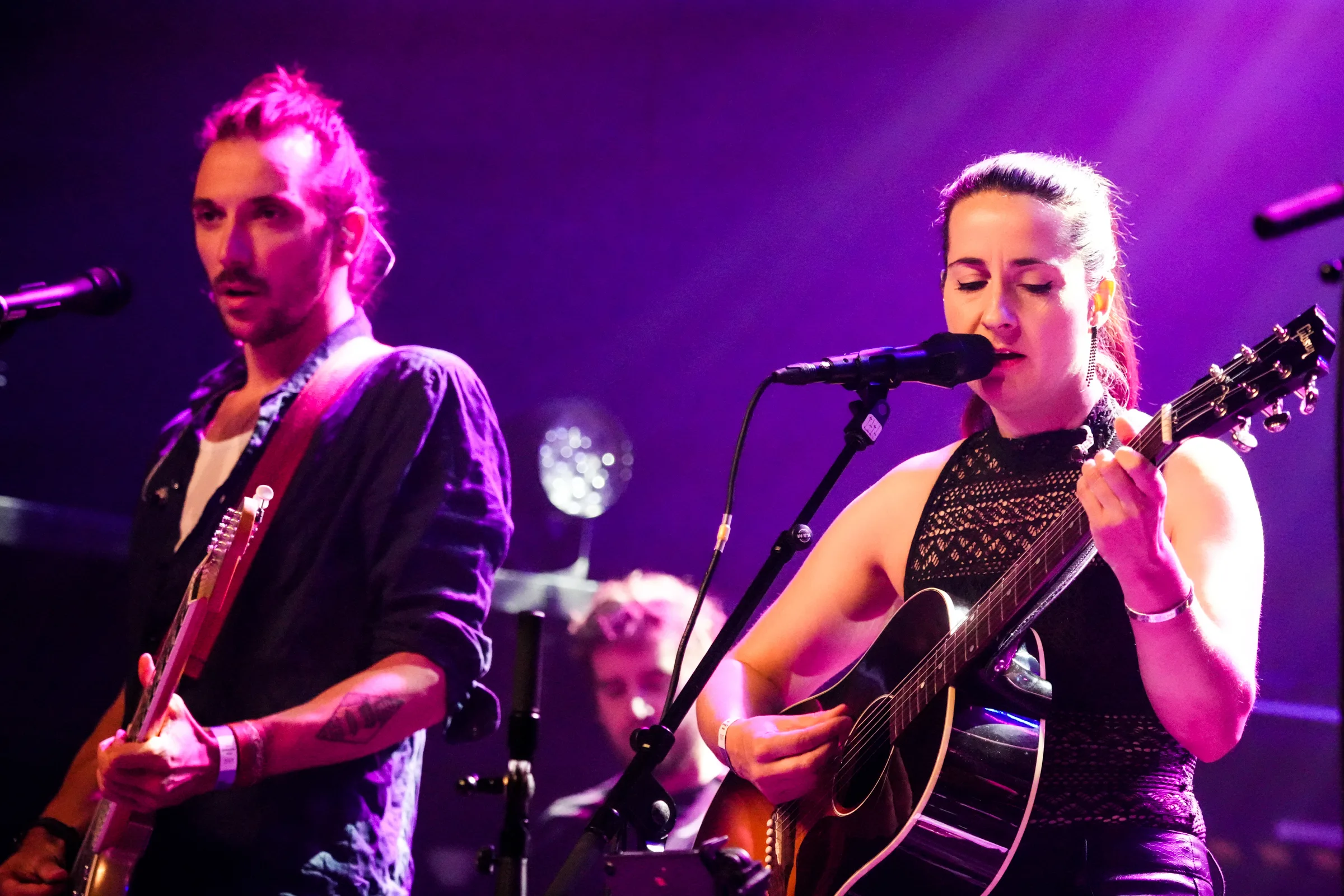
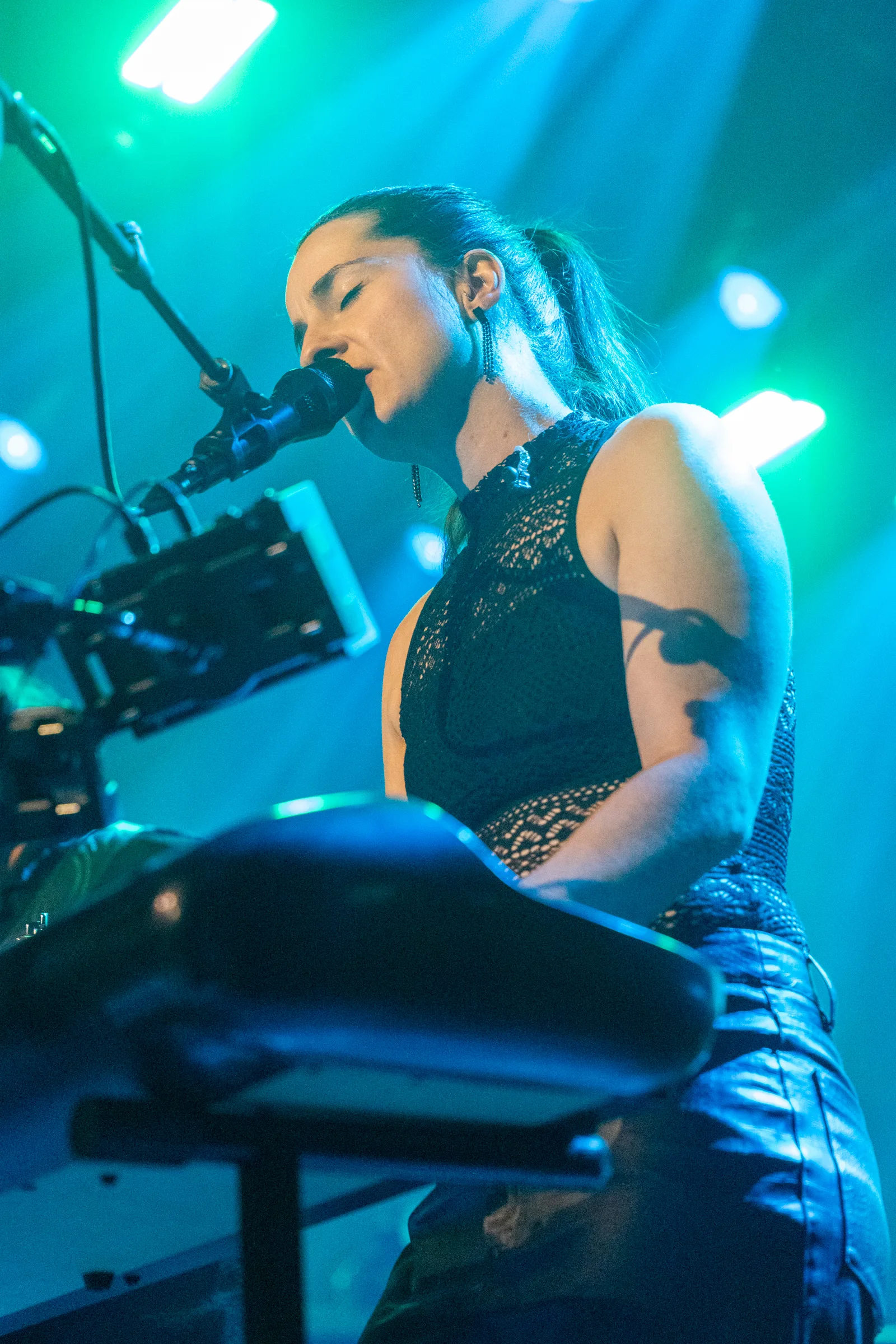
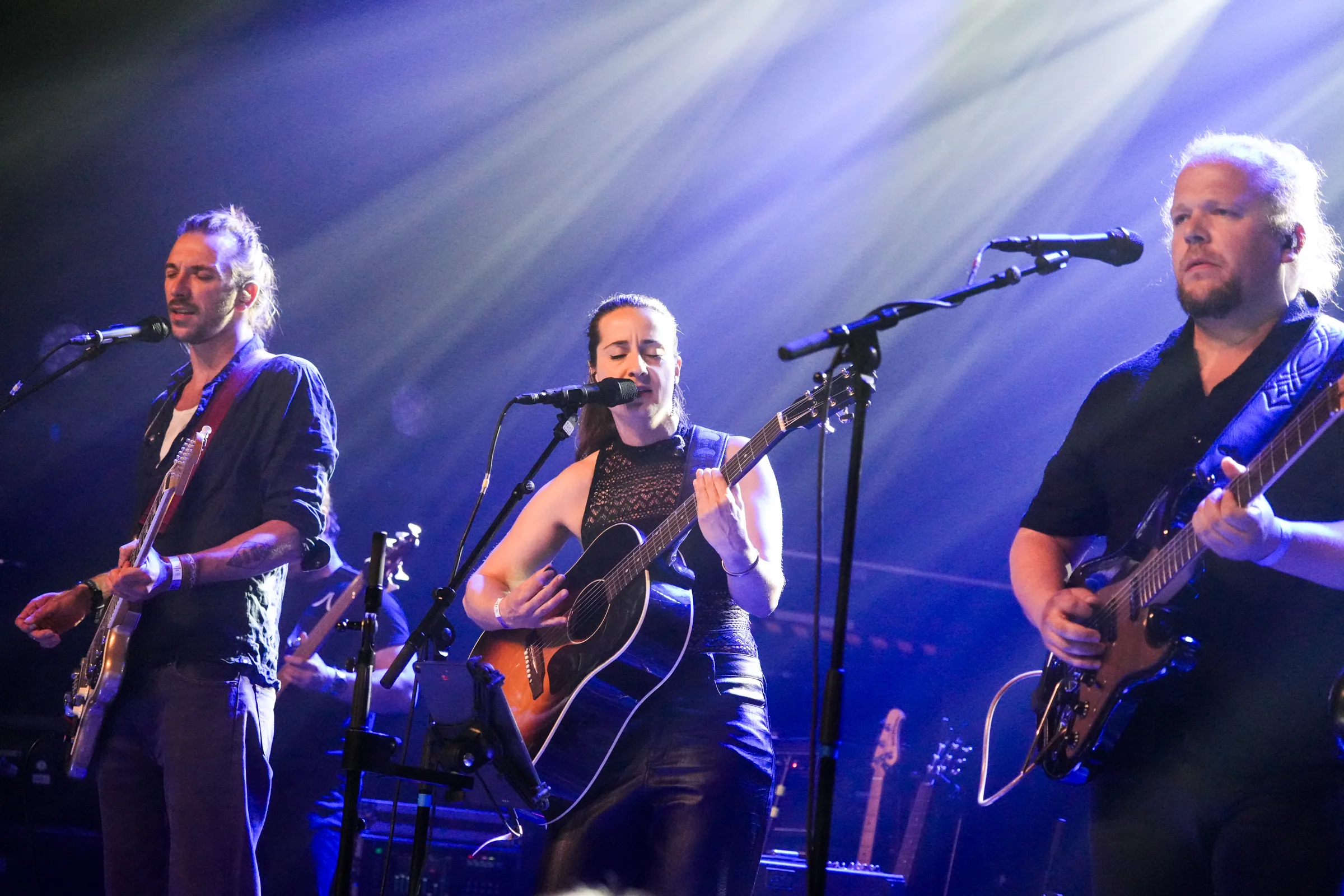
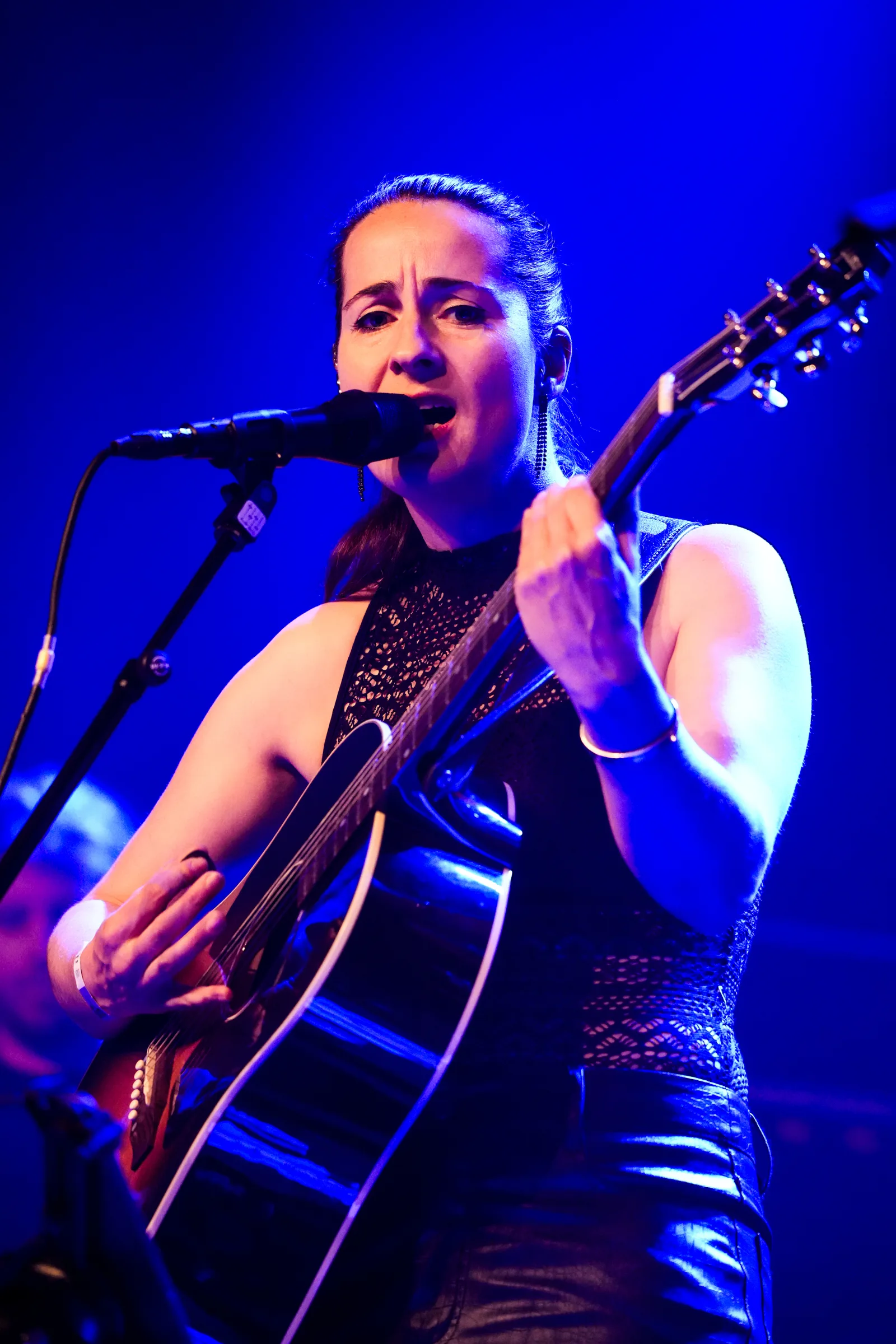
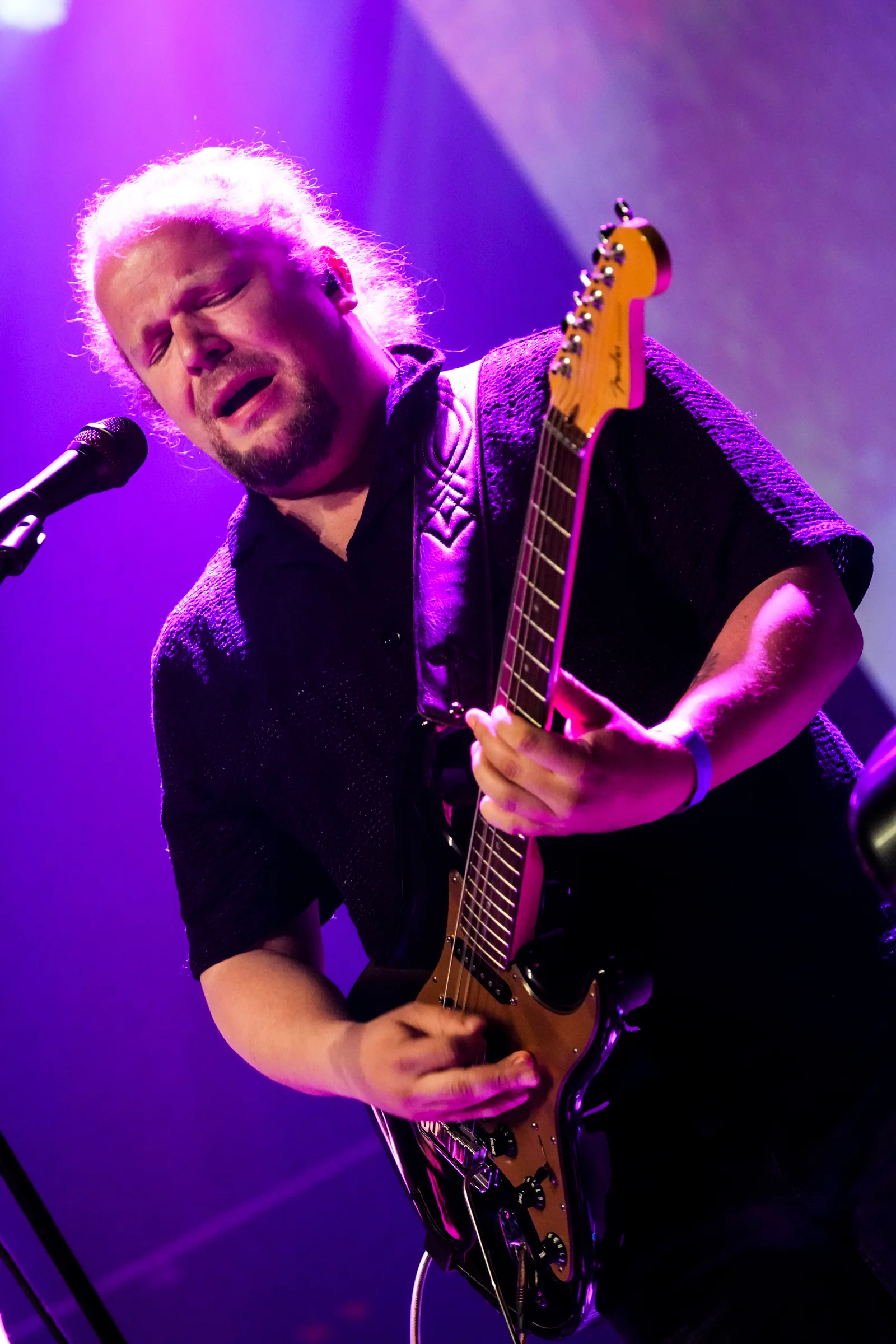
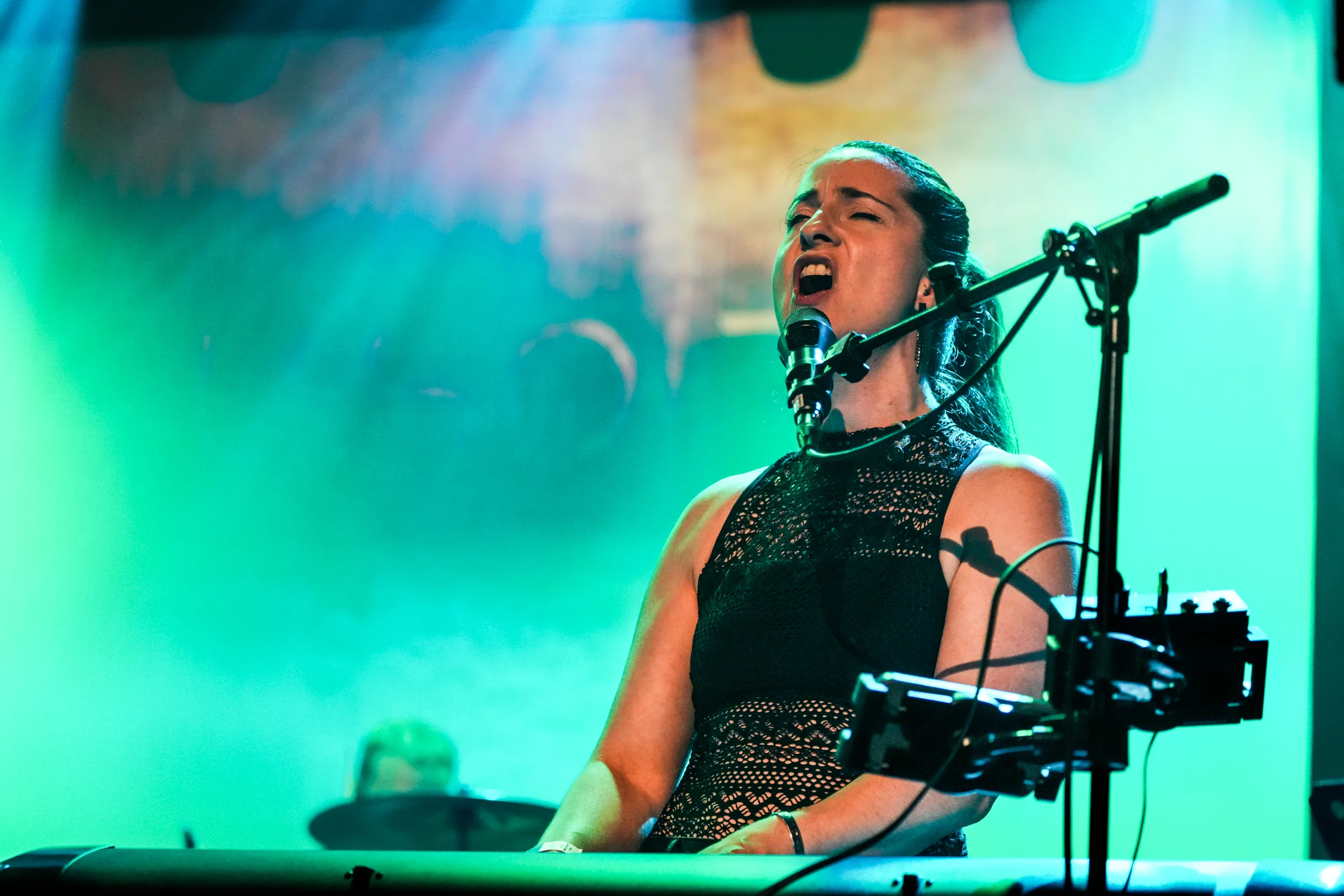
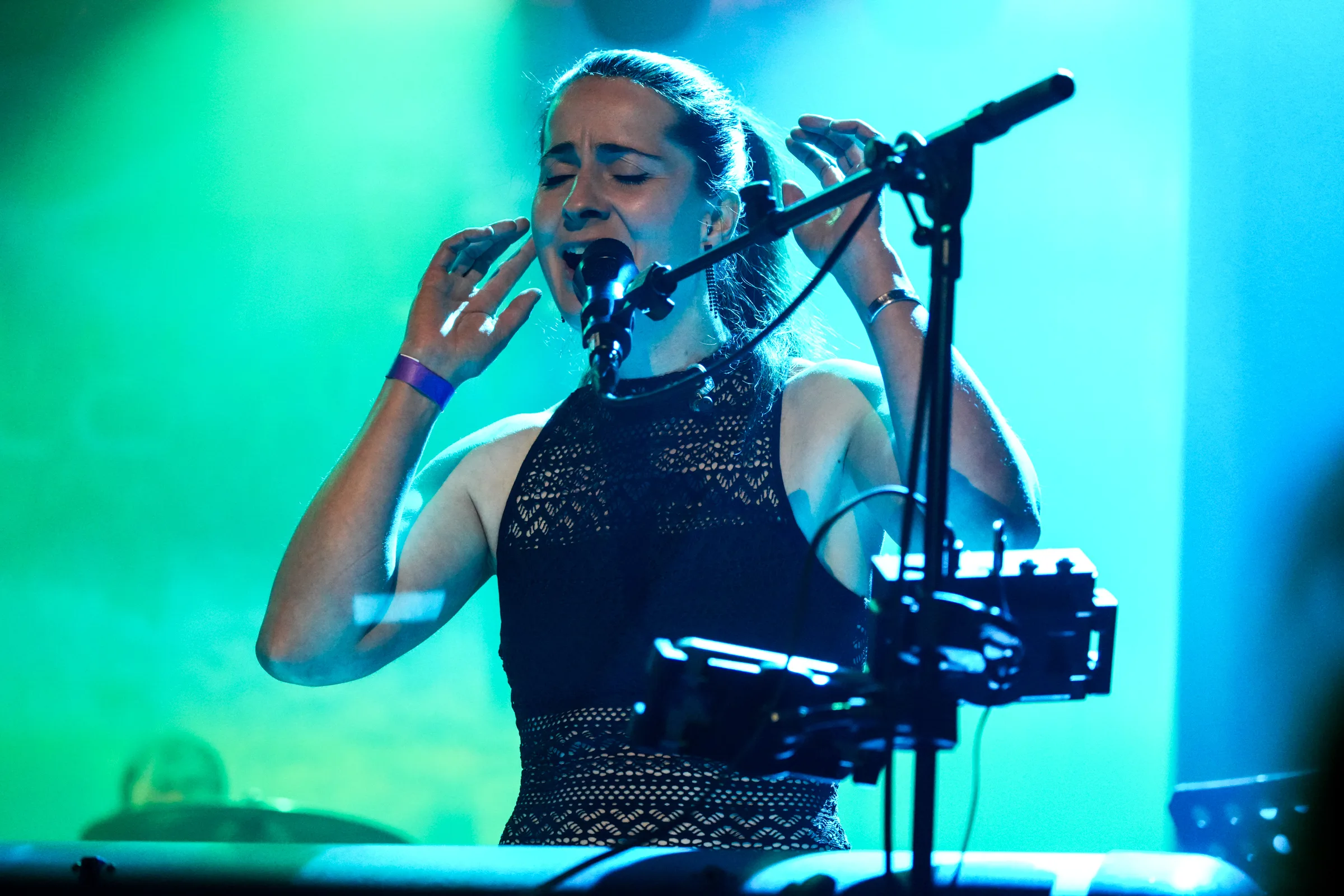
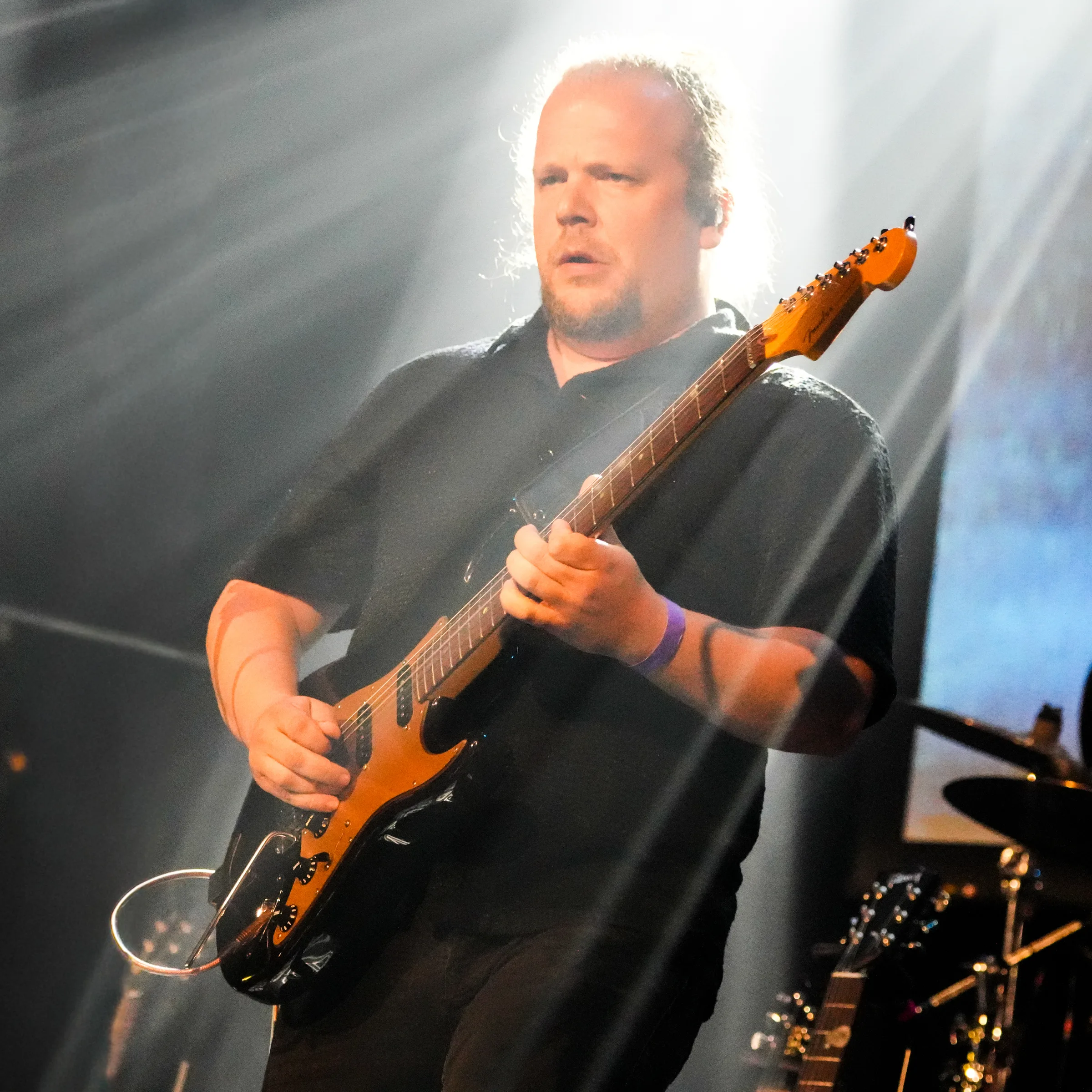
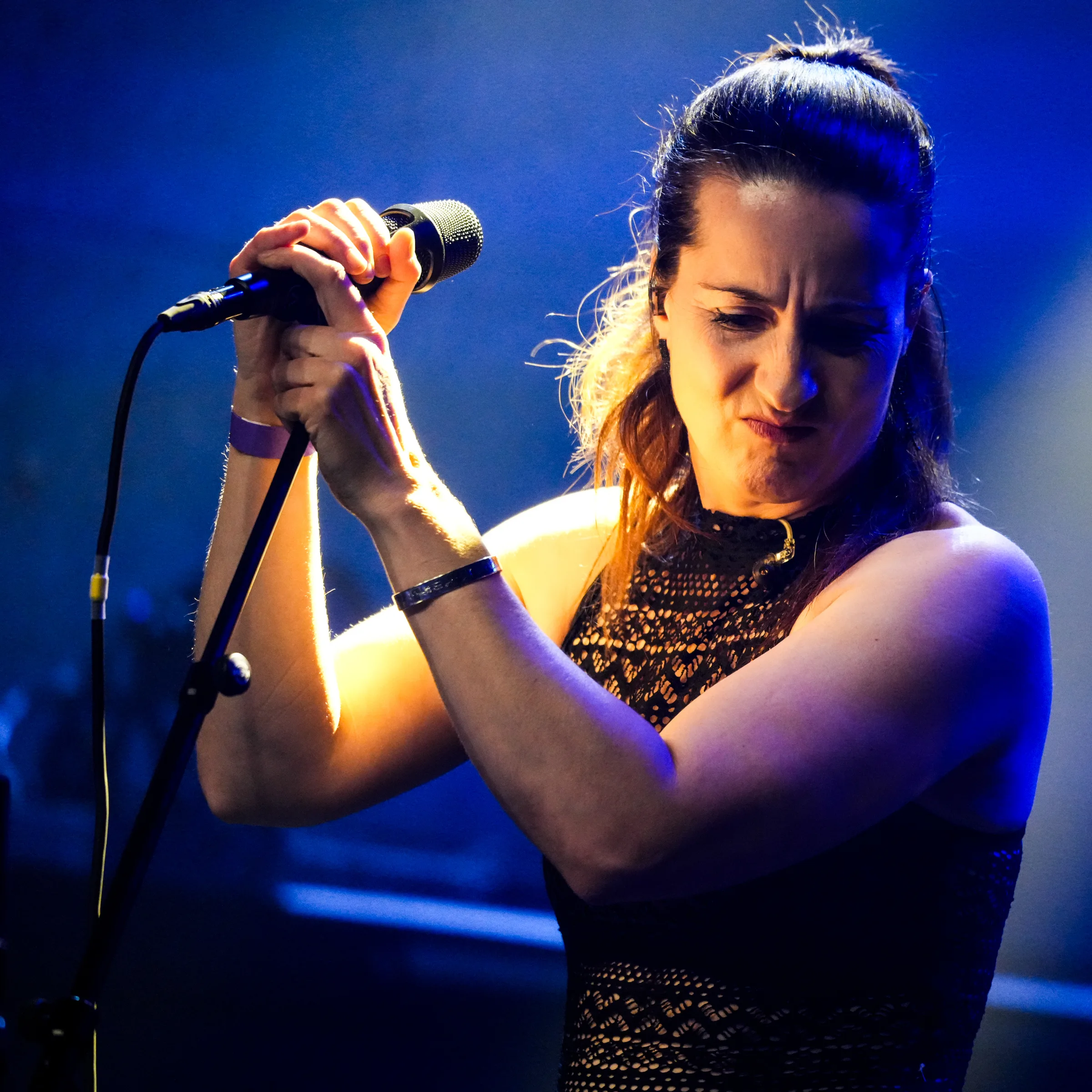
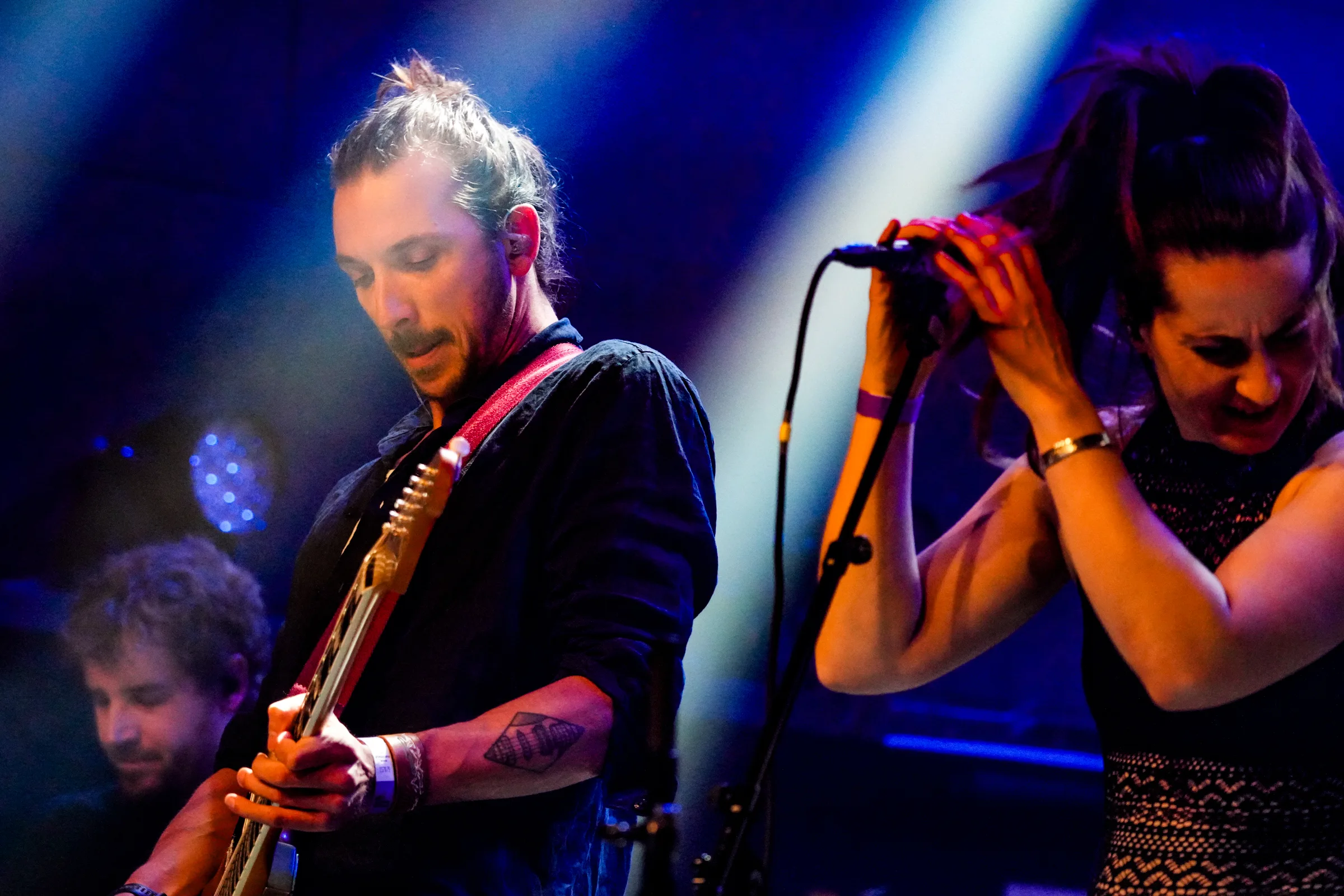
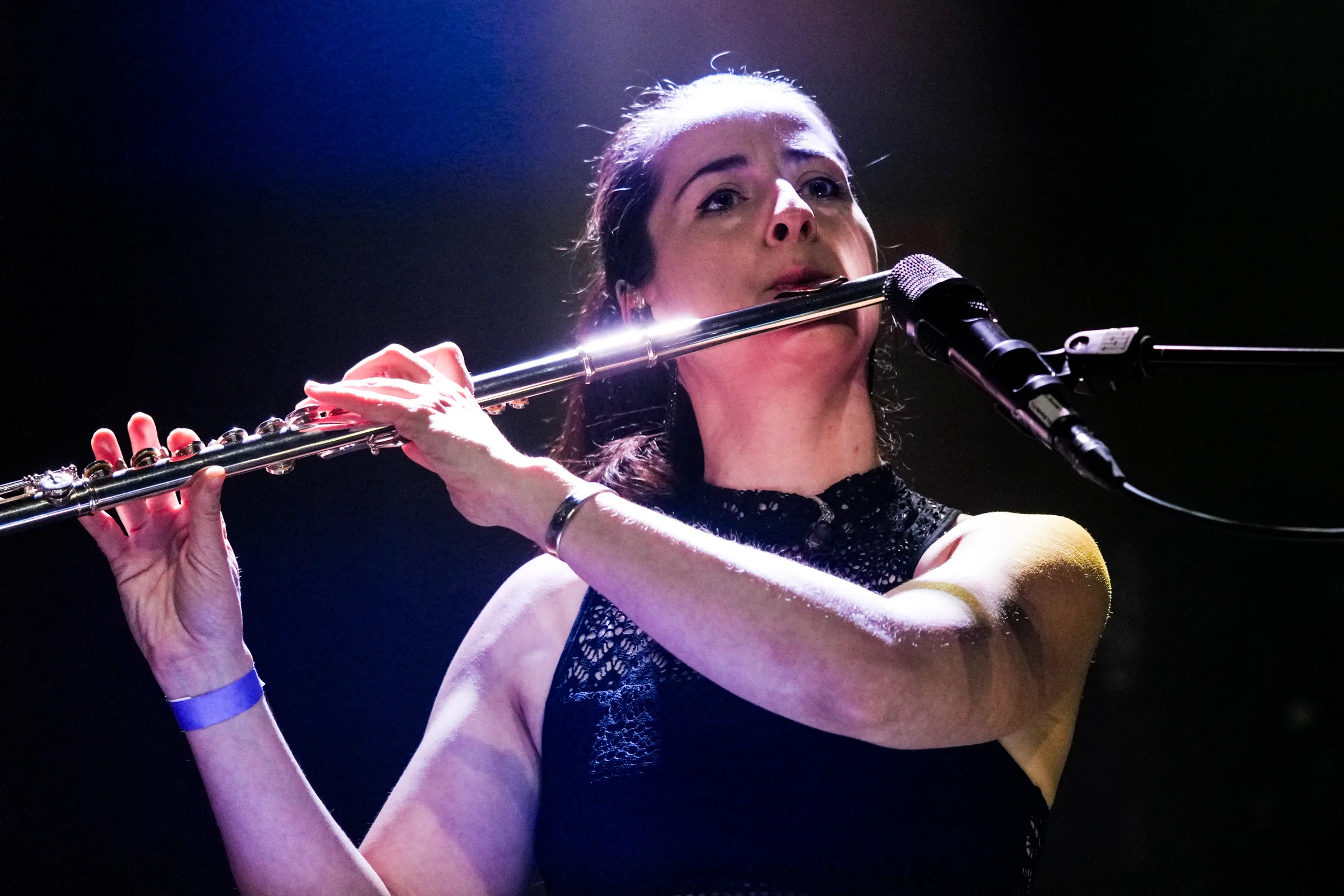
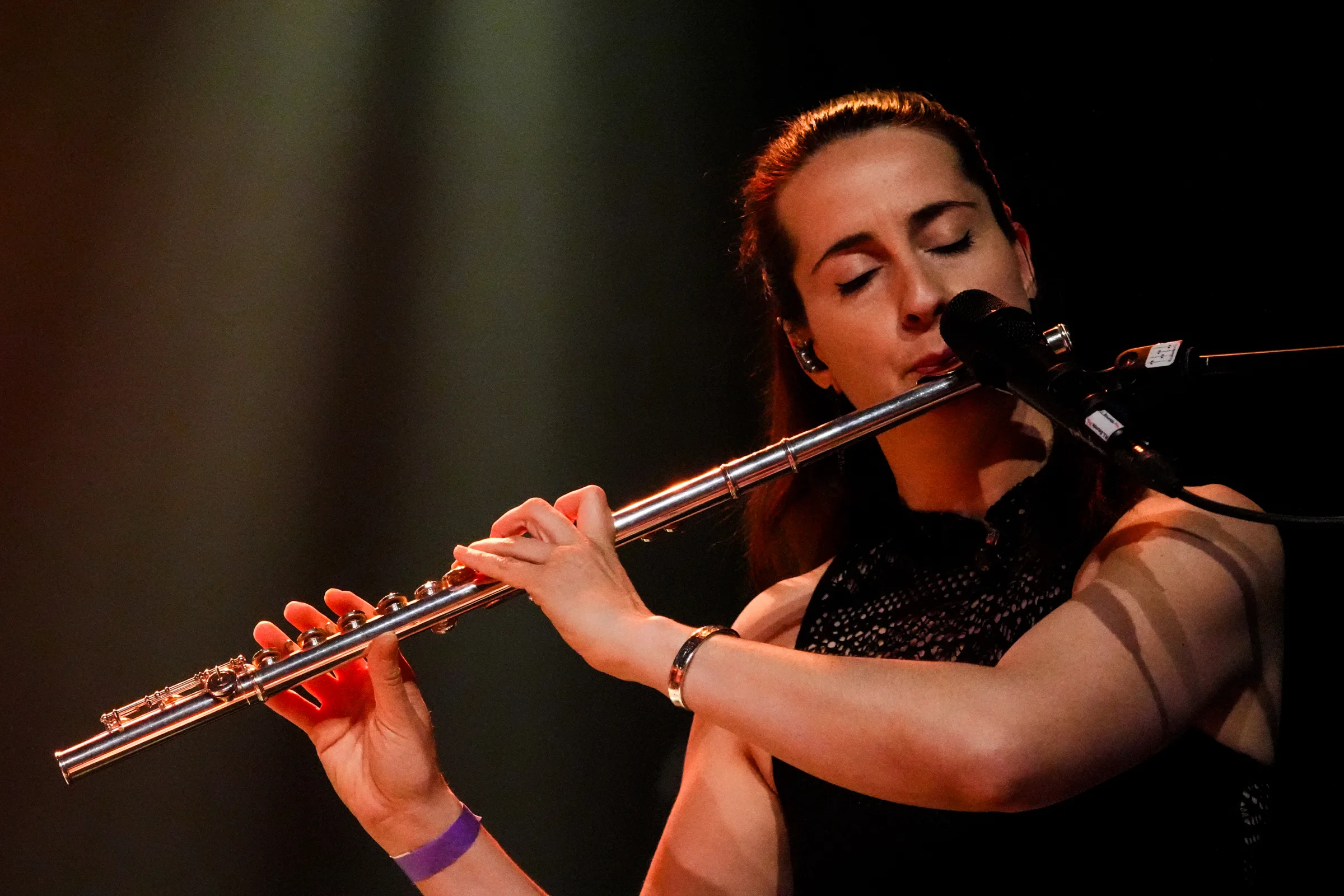
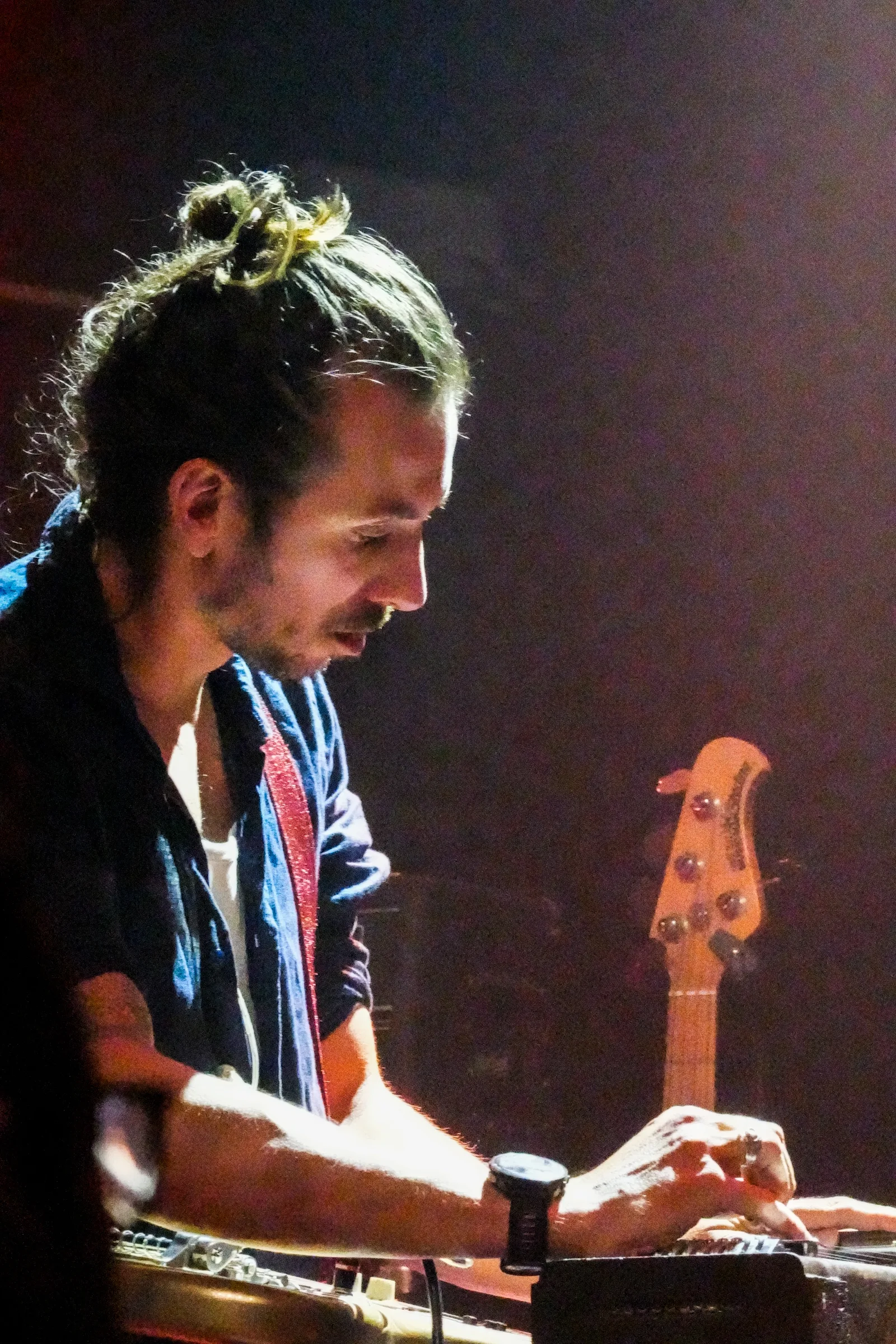
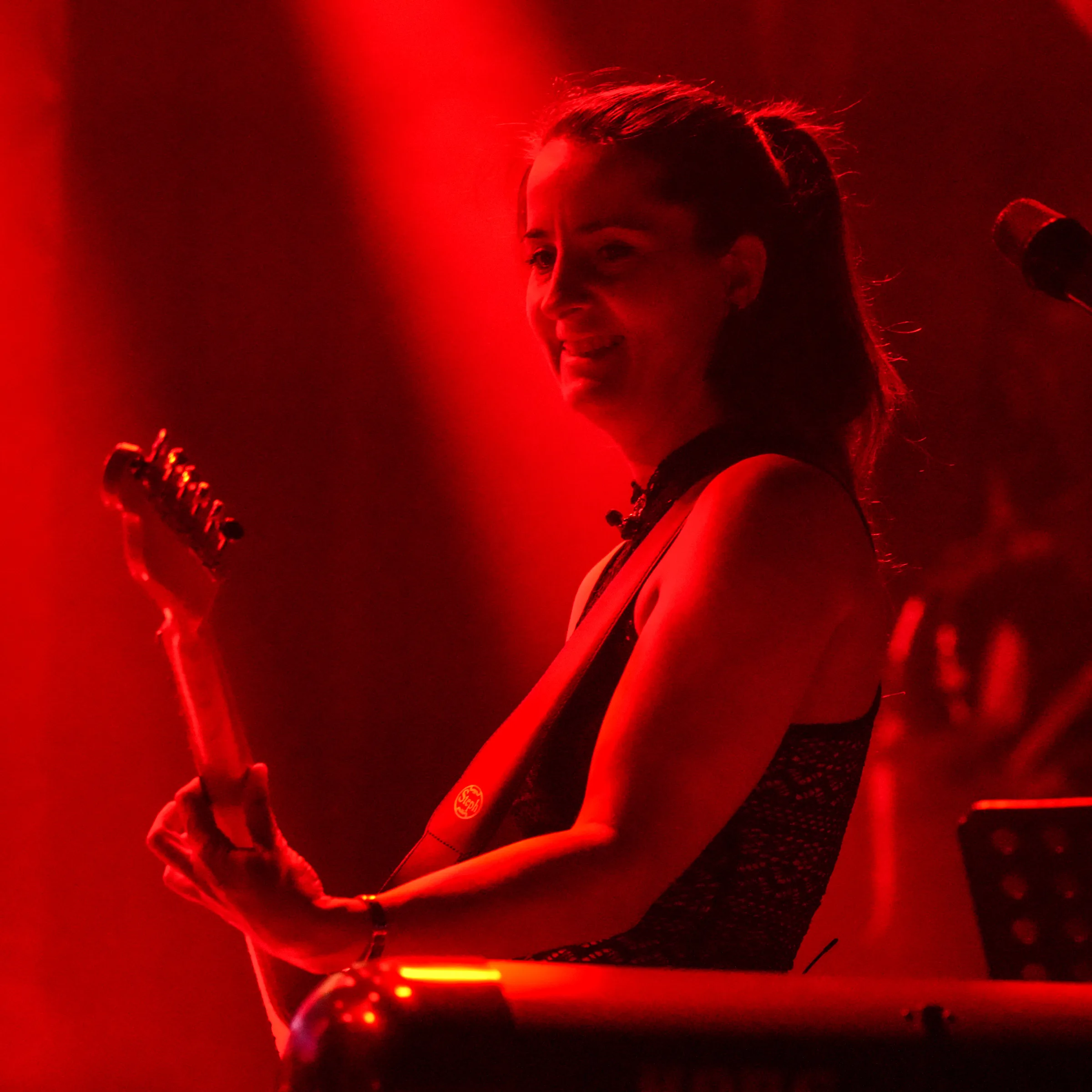
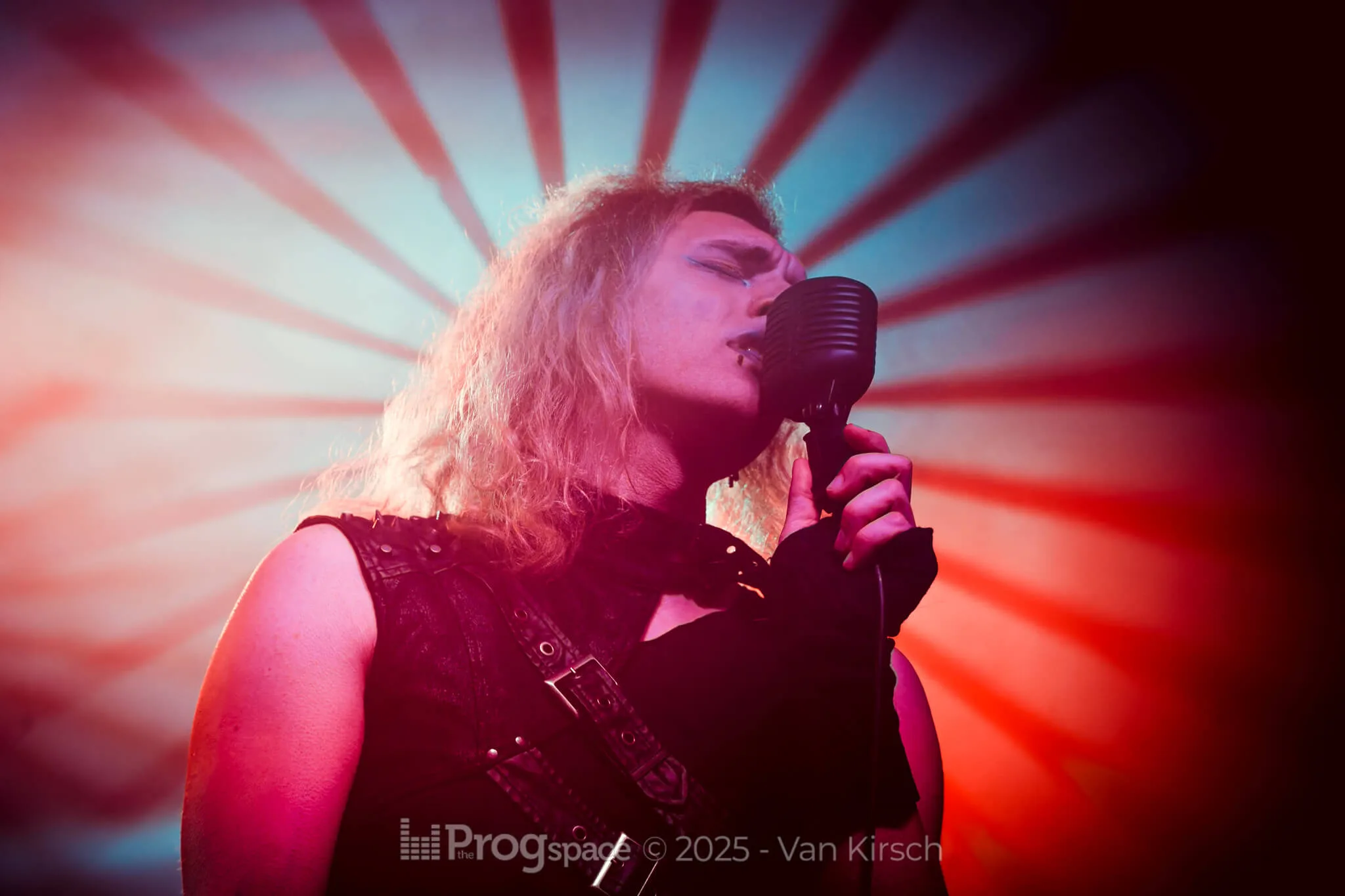
The compact stage setup worked surprisingly well. On the left stood Staf Wouters on bass, next to him Rutger Martens on guitar, centrally positioned Maartje Meessen as singer, guitarist, flautist and keyboard player, with Ingo Dassen on guitar to the right and Ramon far in the back on drums. Above all, Maartje formed the visual and emotional centre of the show. She constantly switched between acoustic guitar, keyboards, flute and vocals, often performing with closed eyes, completely immersed in the music. Her voice remains one of Lesoir’s greatest strengths: clear, intense and effortlessly shifting between fragile passages and more powerful eruptions.
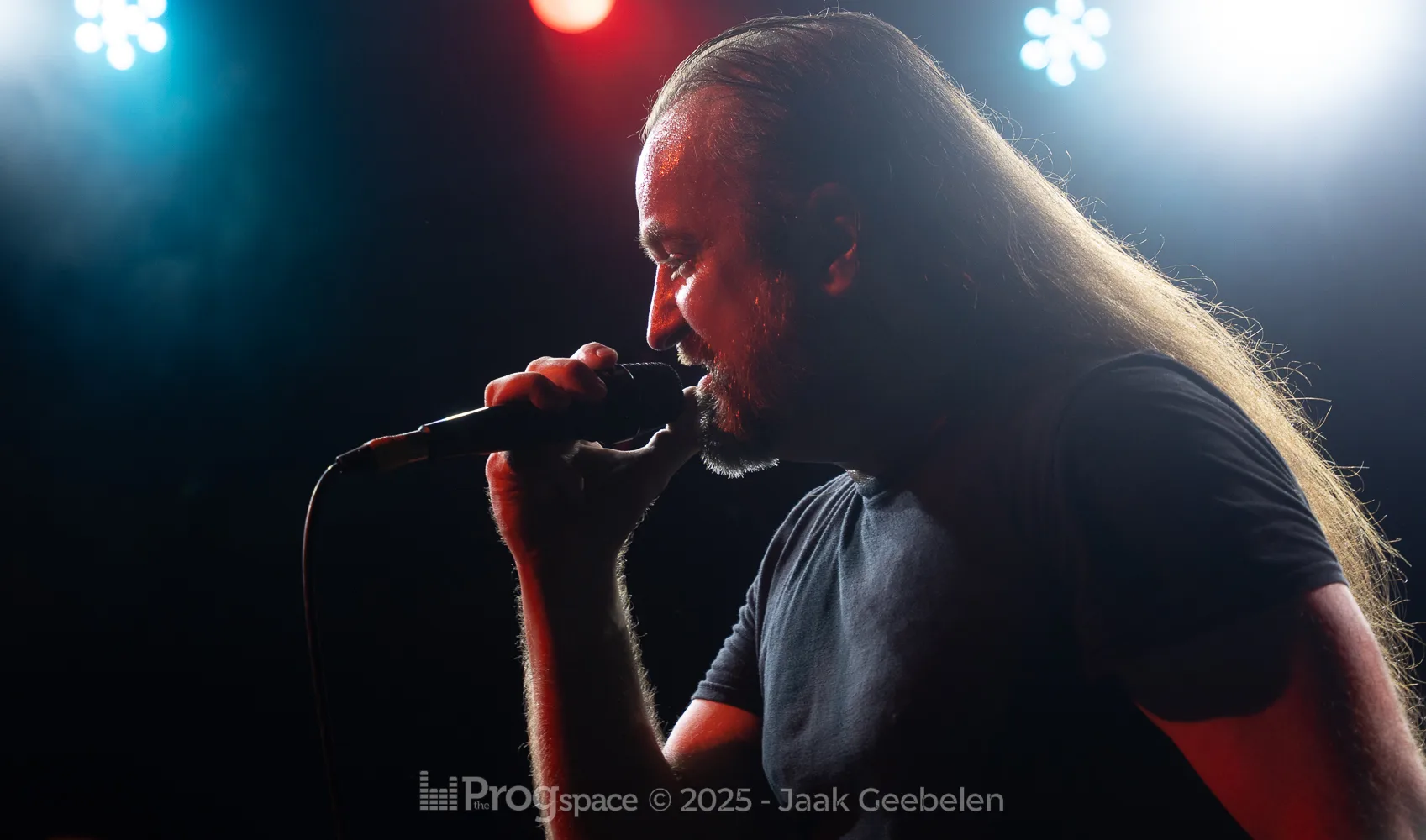
The lighting strongly supported that dual identity of Lesoir. During the more atmospheric sections, deep blue, turquoise and purple tones dominated, emphasizing the melancholic side of the music. During the heavier moments, the lighting suddenly shifted towards aggressive red and orange beams spreading widely across both stage and audience.
Musically, the set focused almost entirely on the band’s more recent material. Five of the nine performed songs came from Push Back The Horizon, supplemented with material from Mosaic and two tracks from Babel. In doing so, Lesoir very consciously made clear where the band stands today.
Opener Mosaic immediately set the tone with atmospheric keyboard layers and a gradually building tension arc, while You Are the World still most strongly recalled the warmer and more melodic side of Lesoir. From there onward, the performance gradually became darker and heavier. The Drawer introduced an almost gothic atmosphere through nervous guitar textures and threatening tension building. Live, the song even carried traces of modern post-rock, echoing bands such as Explosions In The Sky and Amplifier.
The instrumental Aeon subsequently became the absolute highlight of the set. The combination of soundscapes, subtle piano lines, slowly building guitar layers and Meessen’s flute created an almost cinematic atmosphere in which the band completely unleashed itself musically, proving how strong they have meanwhile become as a live collective.
From What Do You Want From Me? onward, Lesoir shifted into an even higher gear. Live, the song sounded remarkably heavy and direct, driven by a tight rhythm section and sharp guitar riffs from Ingo Dassen. New Life and The Warning connected perfectly with that energetic approach without the band losing its sense for melody.
During Dystopia, music, lighting and atmosphere perhaps merged most effectively. The combination of red light beams, heavy rhythmic patterns and the compact stage setup gave the song an intense, almost dystopian force. Closing track Push Back The Horizon then worked perfectly as a finale: a slowly building climax in which melancholy, post-rock dynamics and massive guitar walls came together in an impressive conclusion.
Notably absent was Eleën Bartholomeus, who for years had been a familiar presence within Lesoir’s live formation. As a result, the focus shifted even more strongly towards the core around Maartje Meessen and Ingo Dassen. That more compact line-up simultaneously gave the music more directness and dynamic energy.
013 Next was meanwhile completely packed — an estimated five hundred people attended — and although many visitors had clearly come primarily for Airbag, Lesoir quickly succeeded in drawing the audience into its world of melancholy, tension and powerful eruptions. What remained most striking was how confidently the band now follows its own path. Lesoir continues moving further away from traditional symphonic prog, consciously embracing a more modern, direct and dynamic sound without abandoning its atmospheric character.
In an intense club setting like 013 Next, that new direction perhaps came across better than ever before.




 We’re a group of Prog-lovers who started a journey to share with you our thoughts about albums, concerts, tours and festivals, the photo galleries of the Prog concerts we visit, as well interviews with upcoming or established musicians or prog-related people. Follow our Facebook page for frequent updates and news around the Progniverse.