





Einar Solberg @ Midsummer Prog Festival (20.06.2026) – Maastricht (NL)
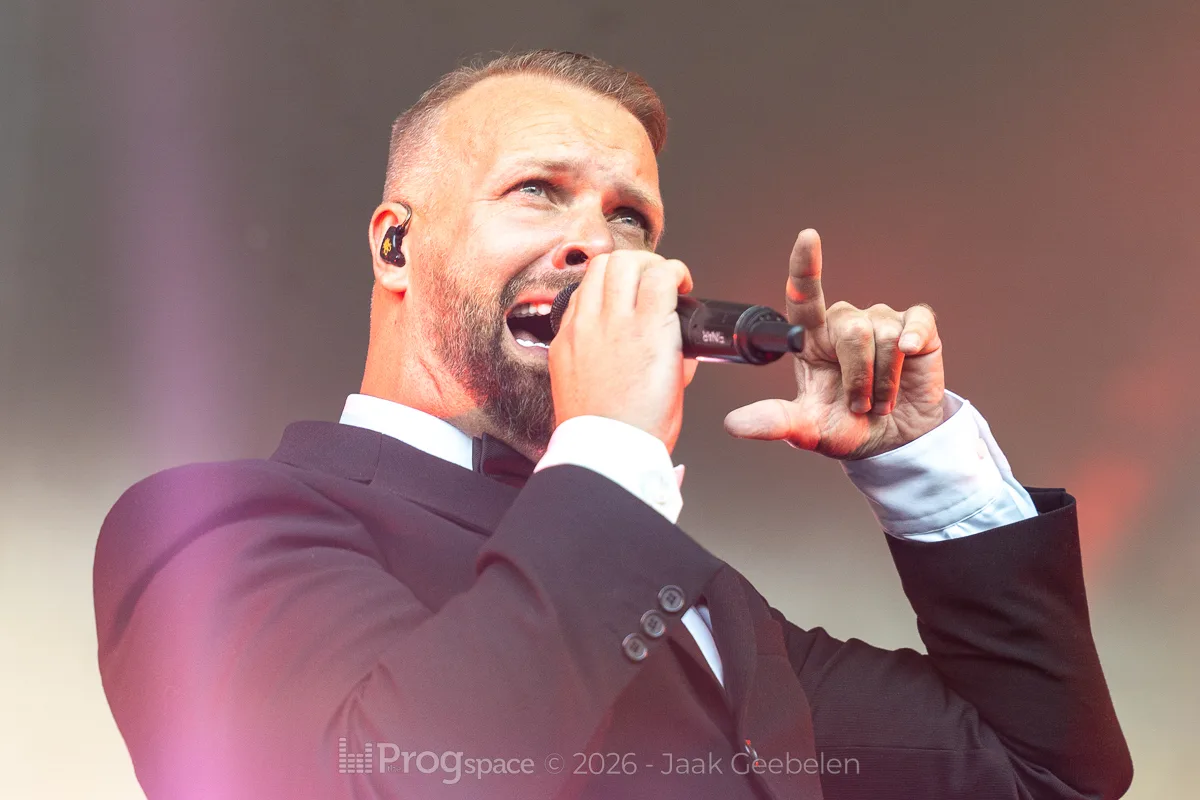
Einar Solberg – Cinematic Progressive Rock Between Introspection and Intensity
Following Quidam’s melodic brand of neo-progressive rock, Midsummer Prog Festival took a striking stylistic turn. Einar Solberg did not arrive with a conventional progressive metal band, but as a composer approaching progressive music from an entirely different perspective. His latest solo album, Vox Occulta, is far more than a collection of songs; it is an ambitious work in which symphonic music, cinematic soundscapes, progressive rock and metal merge into a richly atmospheric whole. As a result, his performance became one of the most adventurous and distinctive moments of Saturday’s programme.
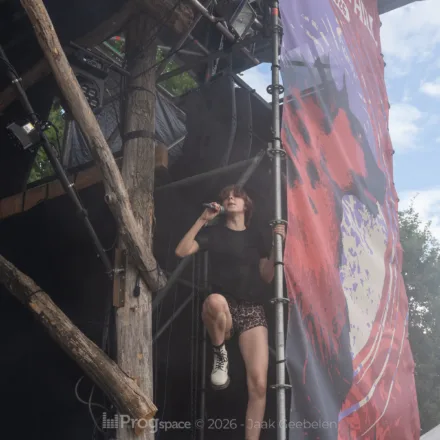
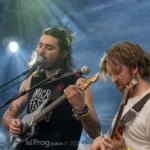
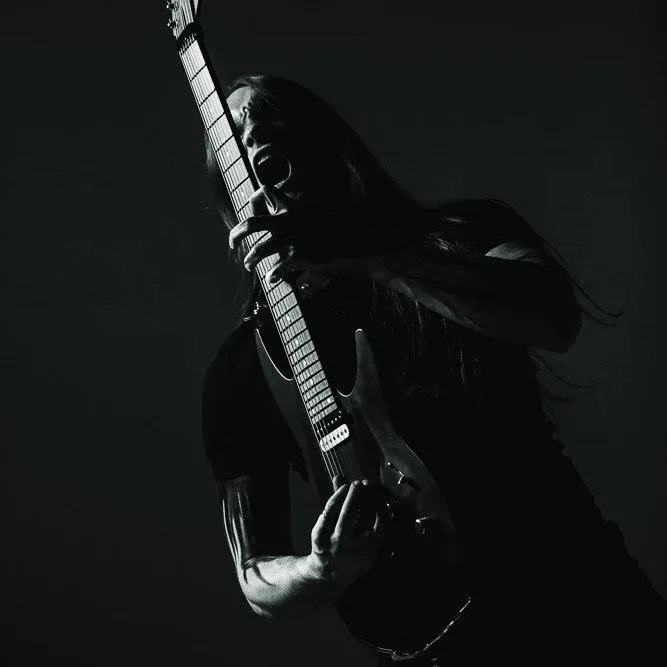
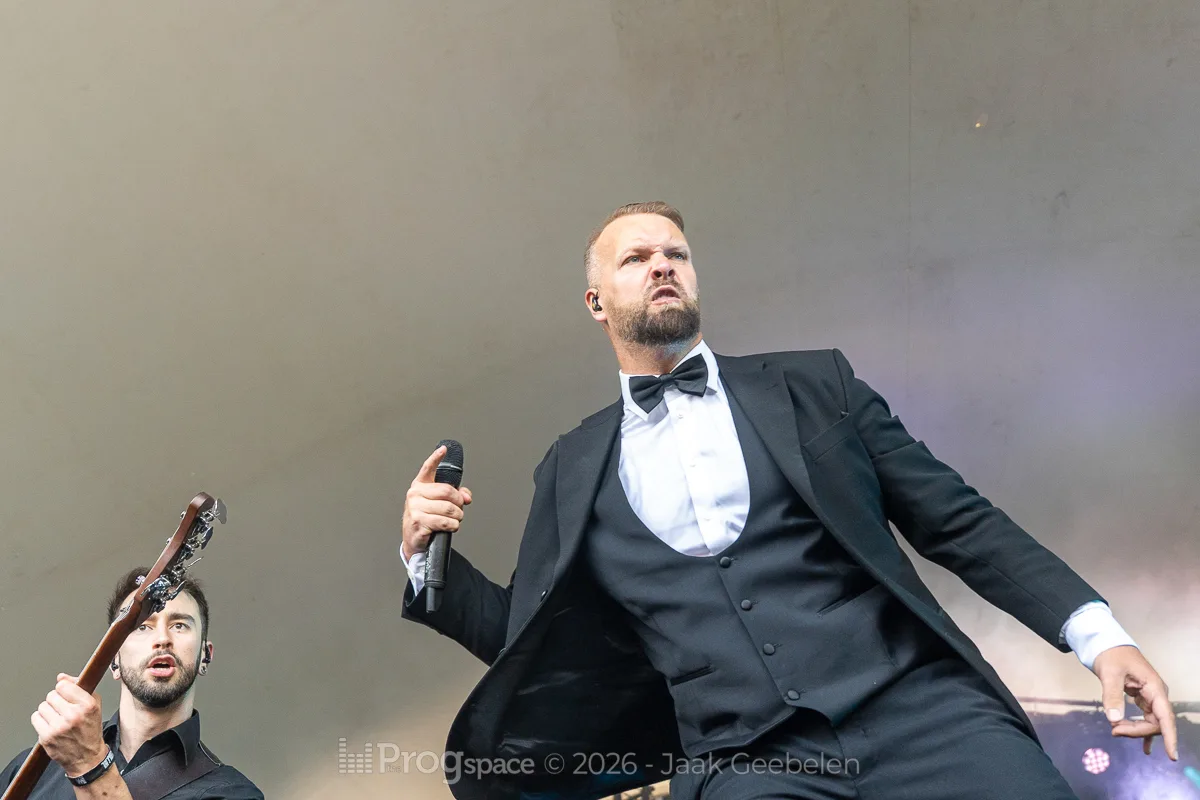
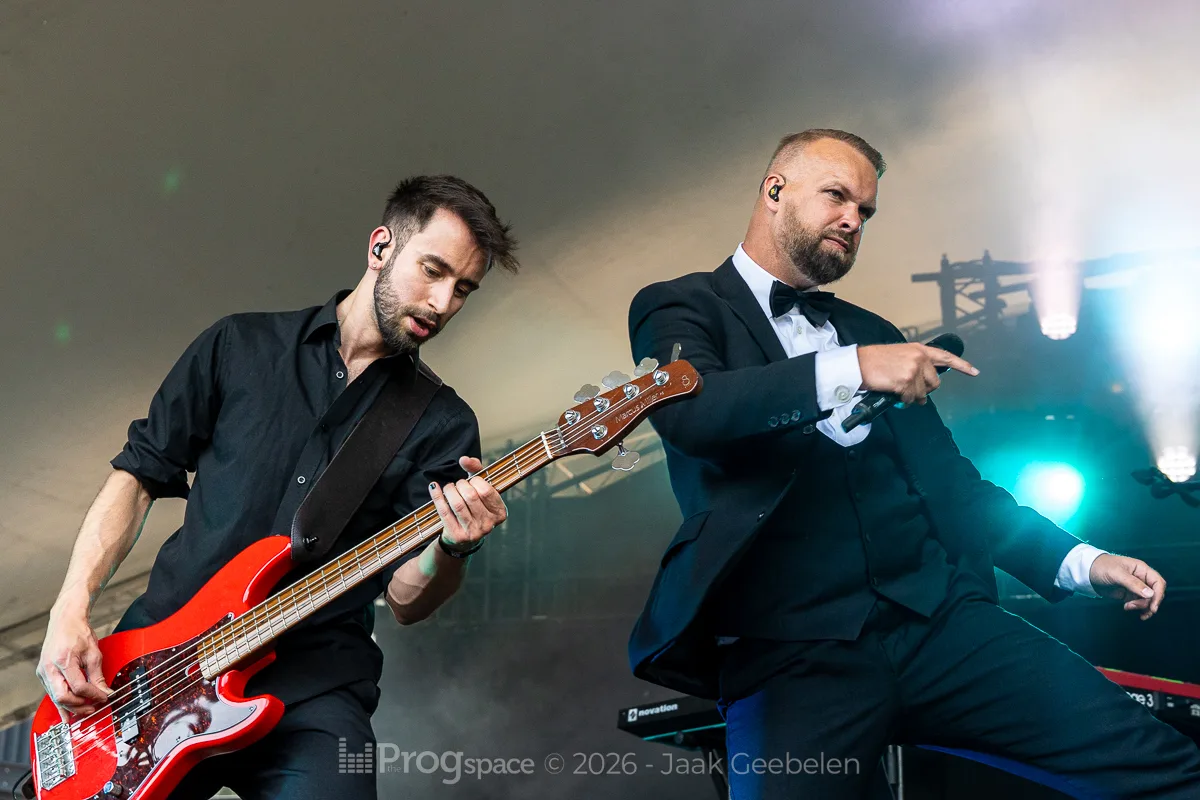
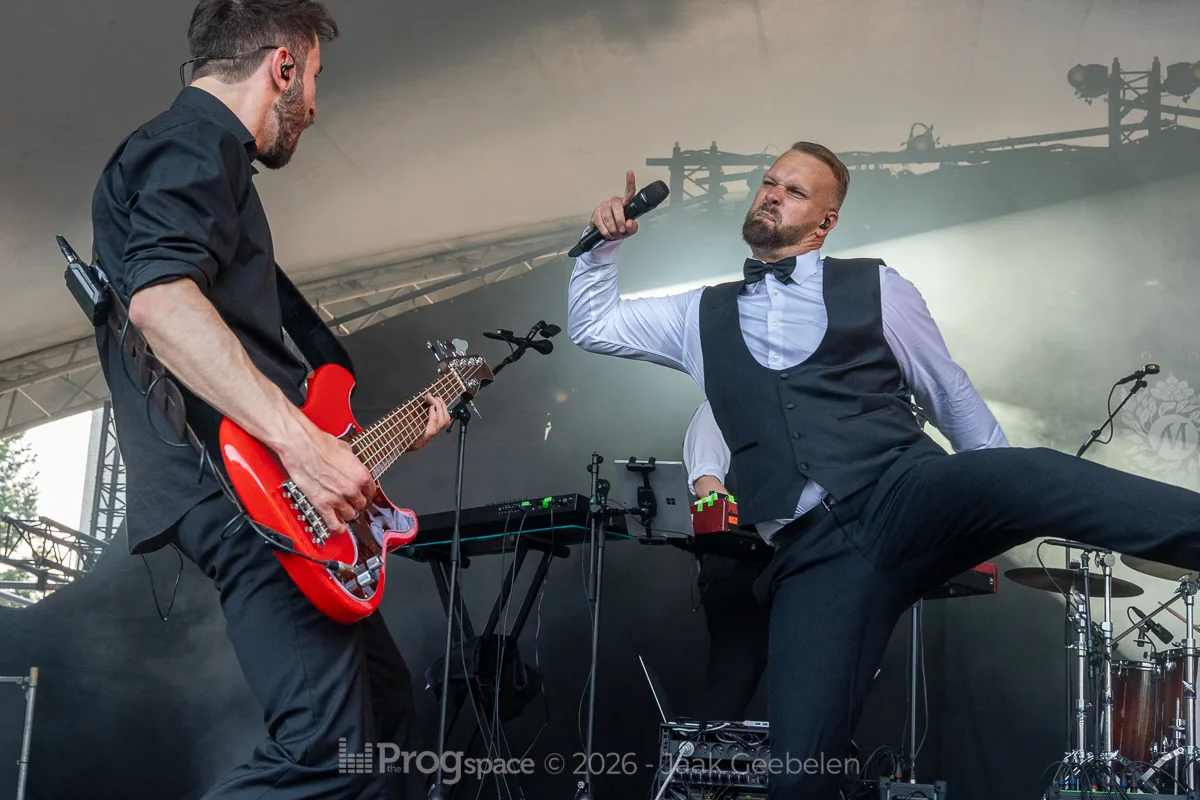
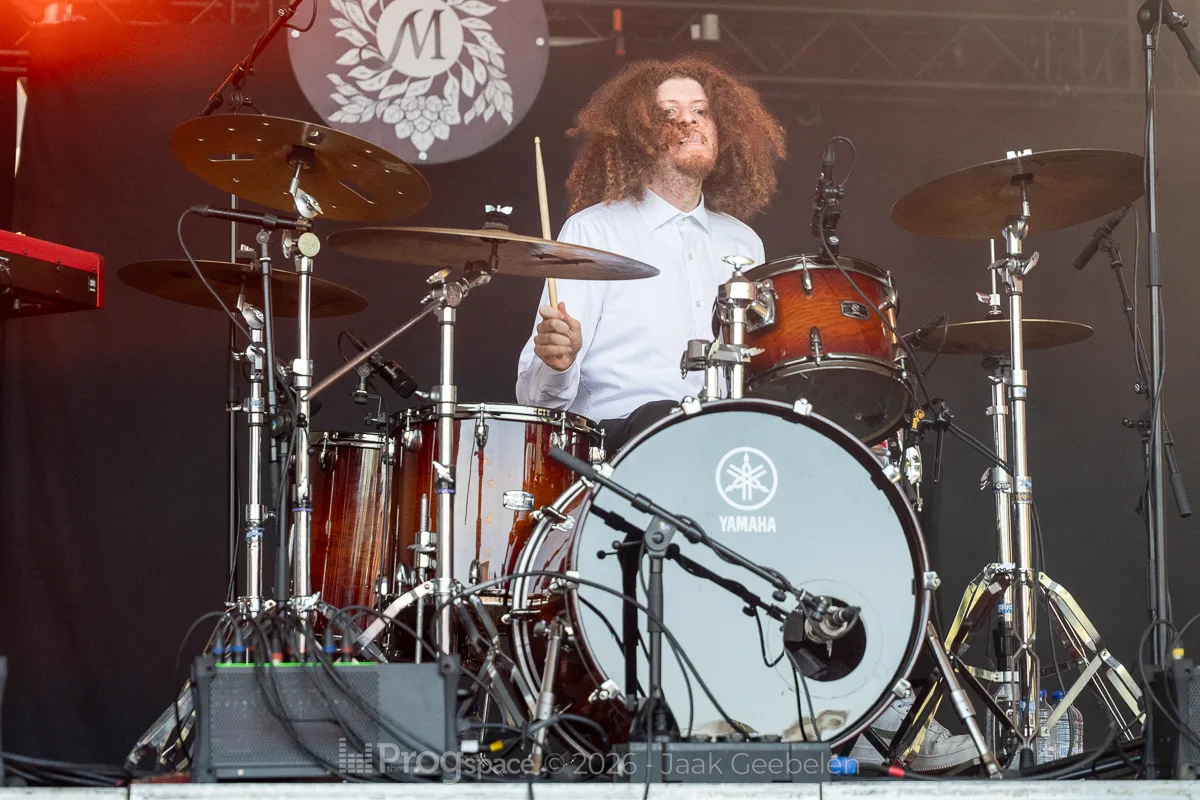
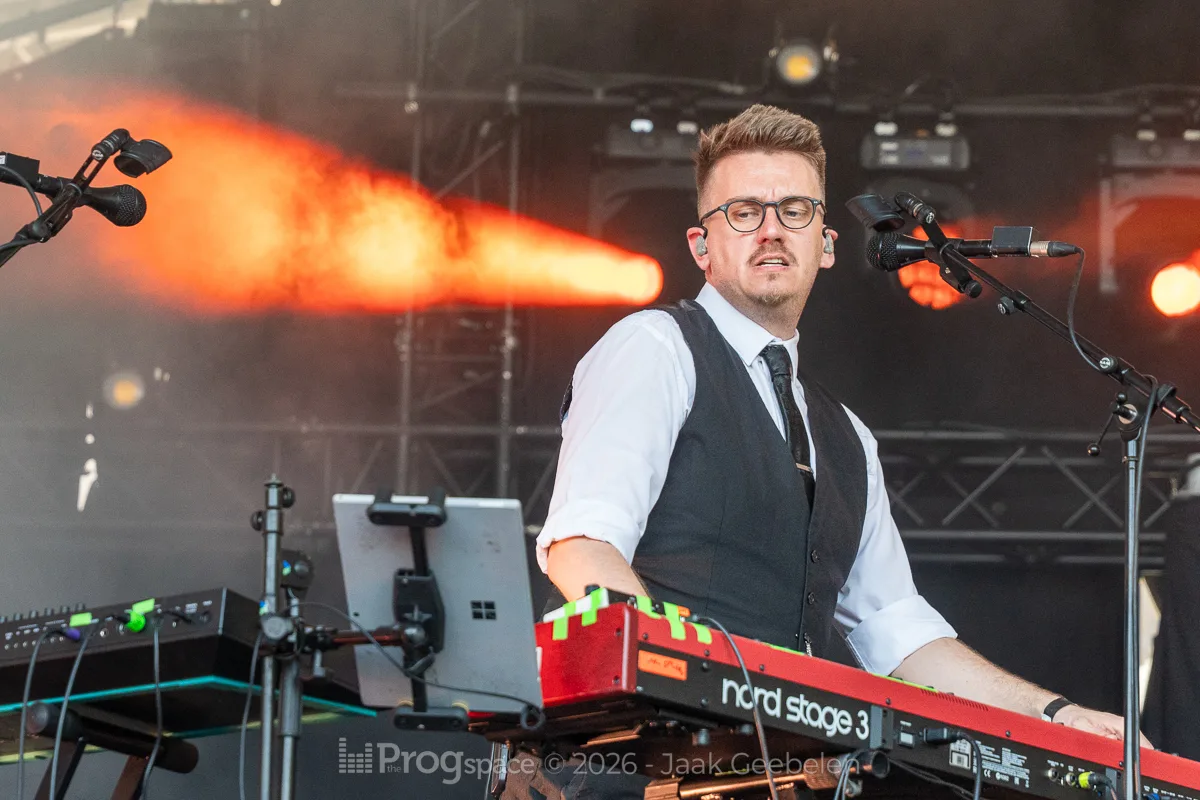
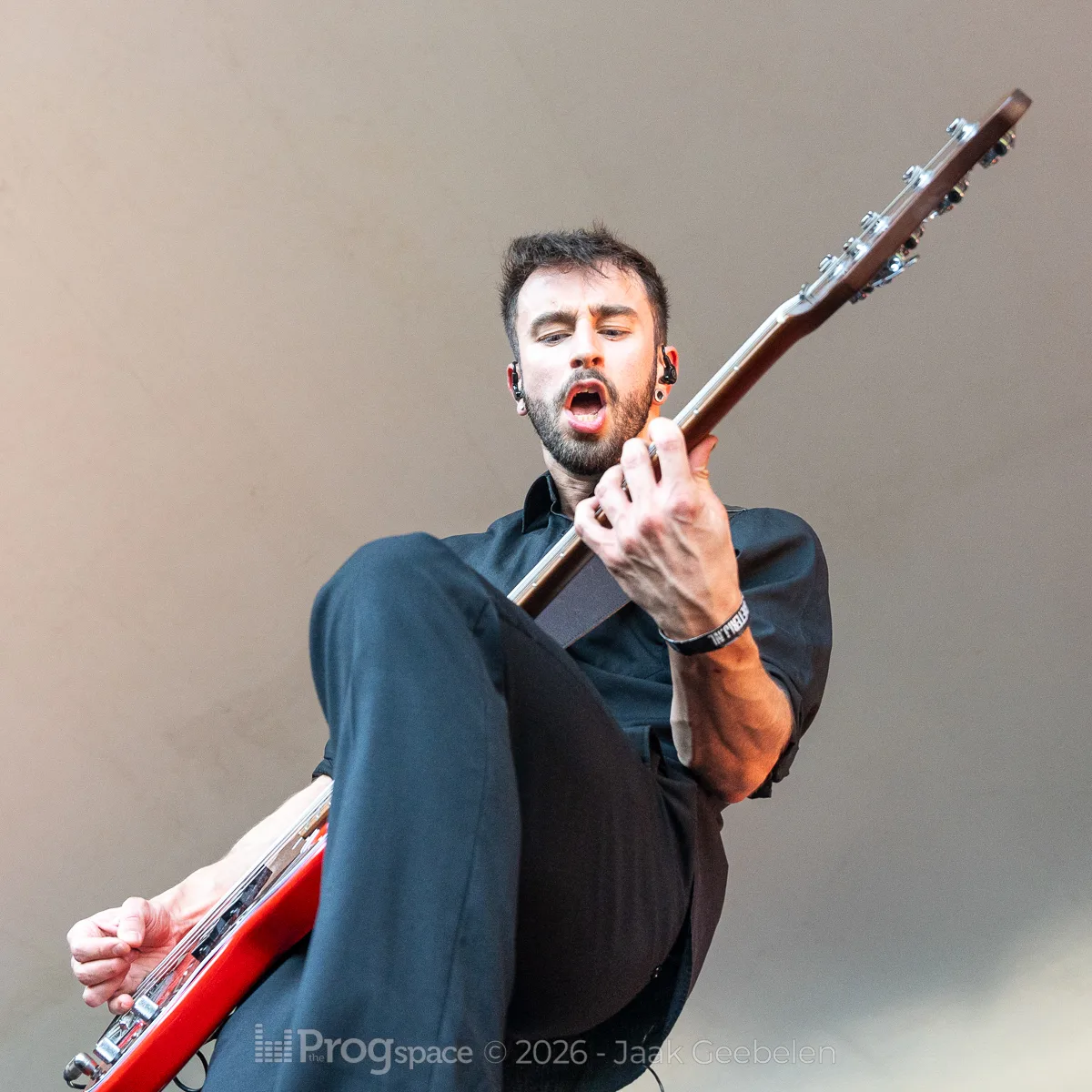
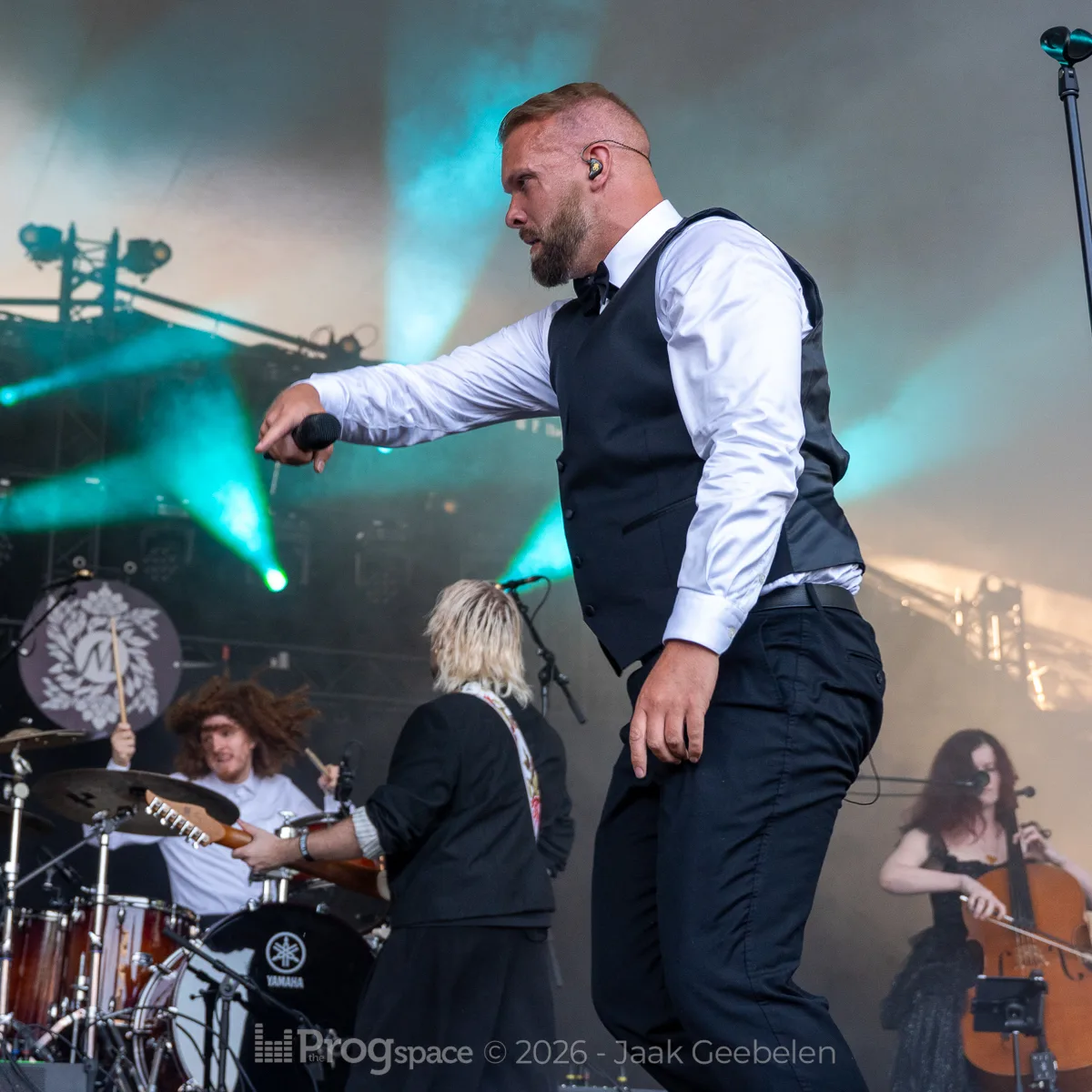
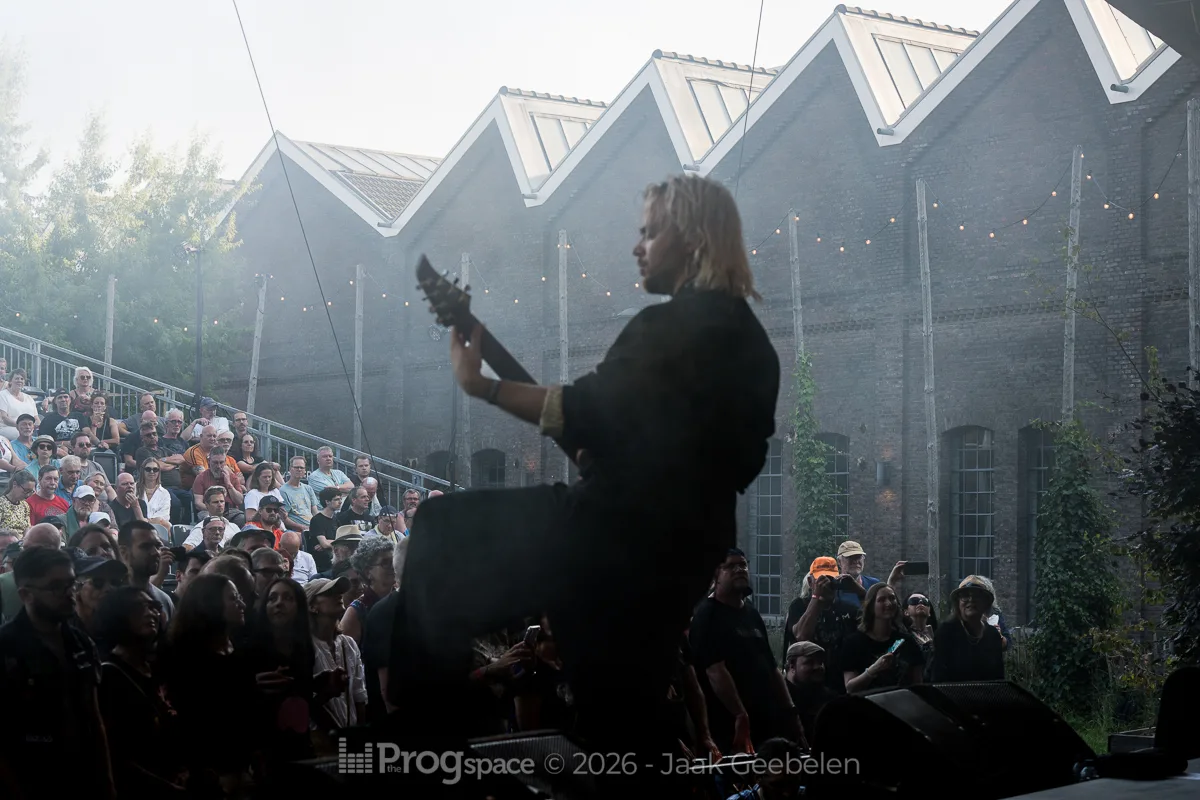
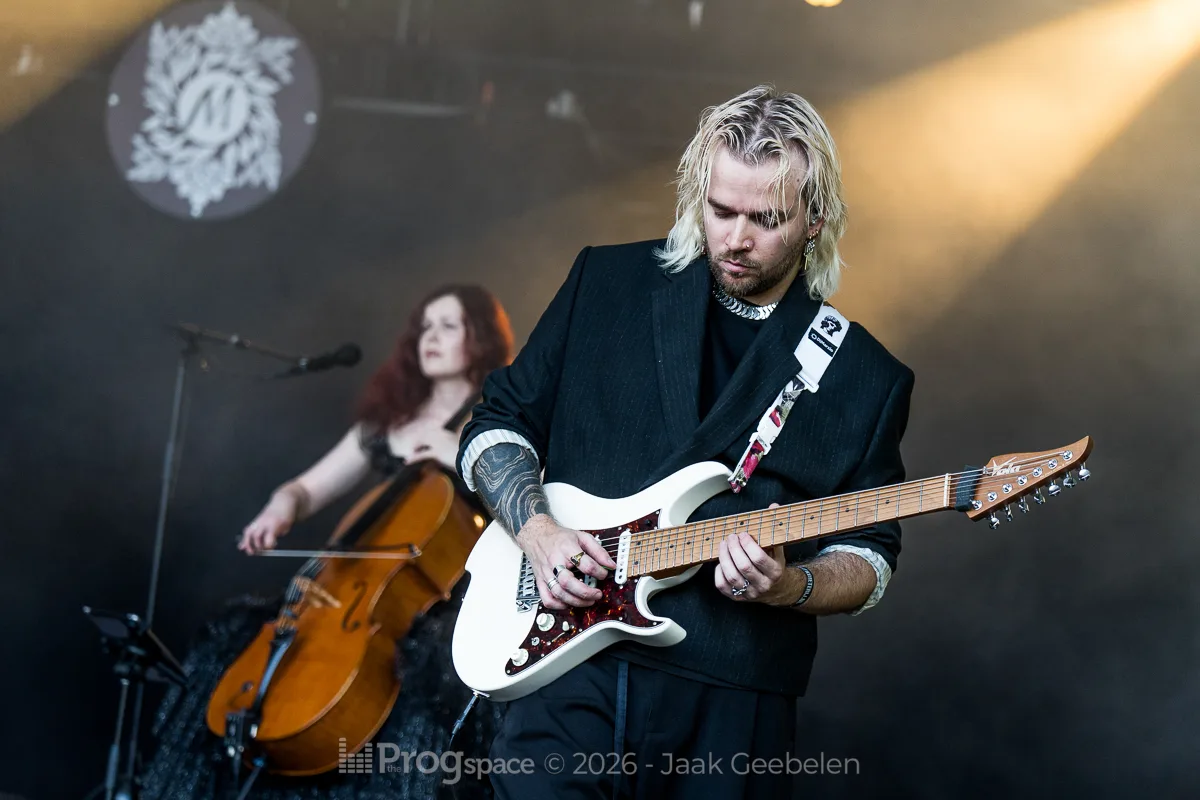
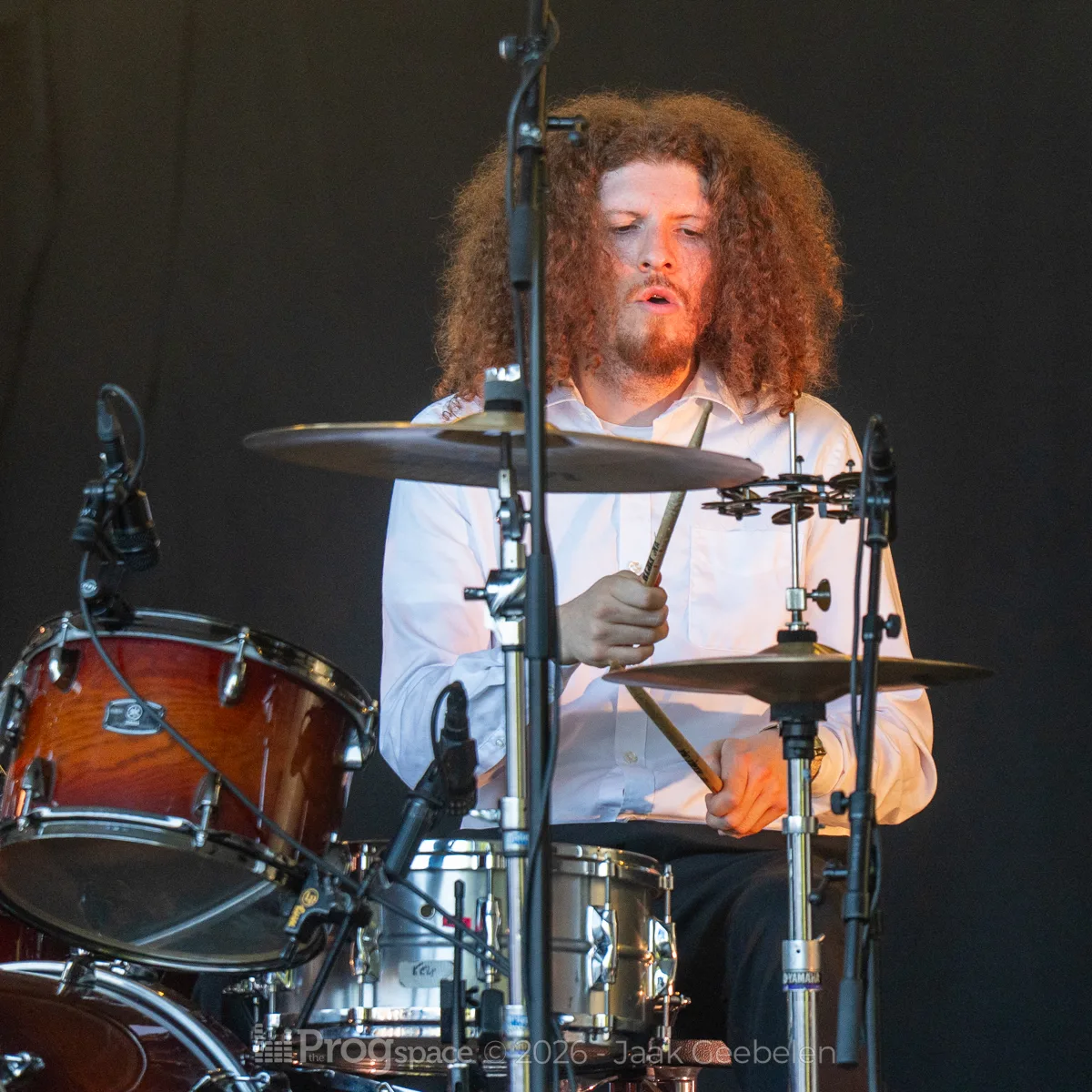
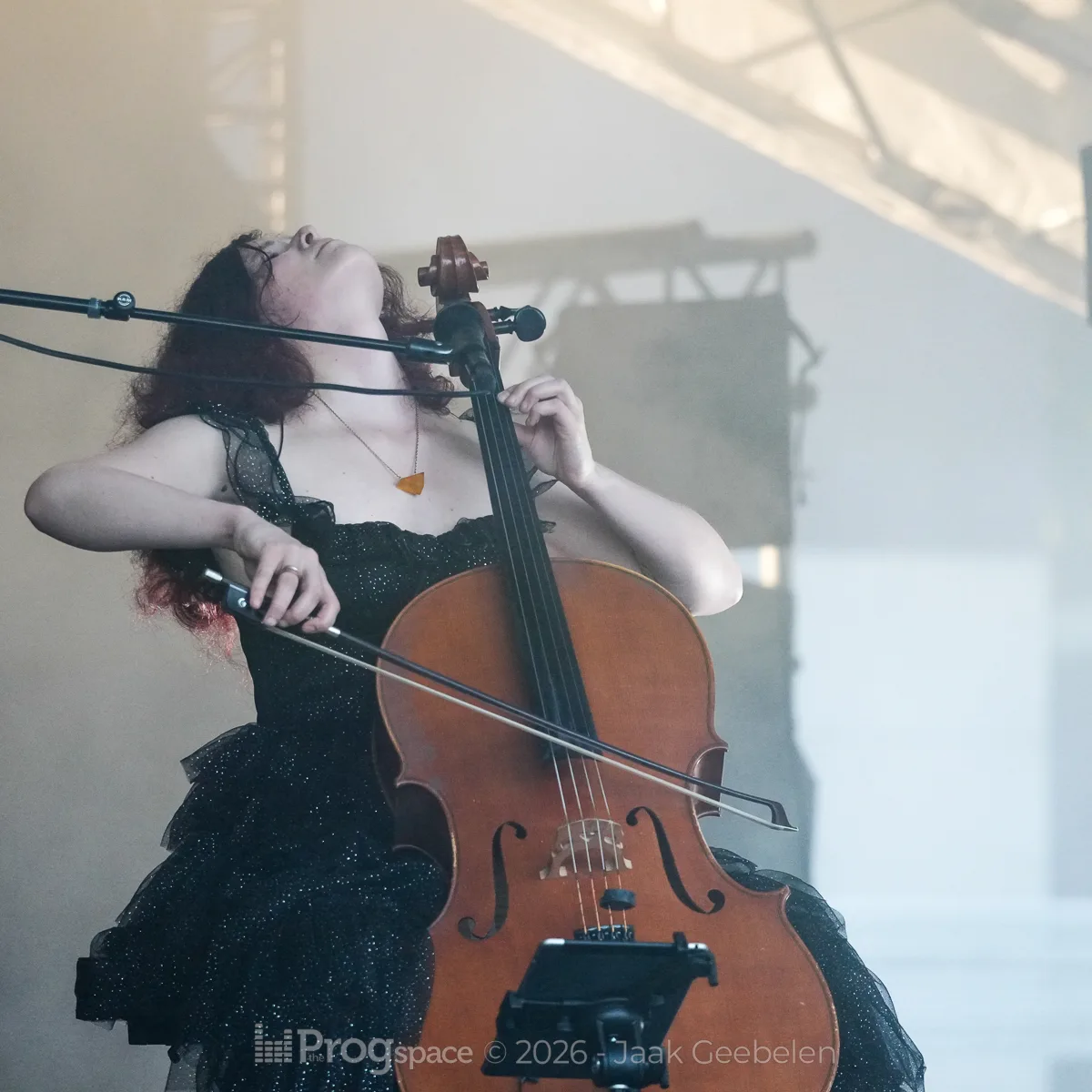
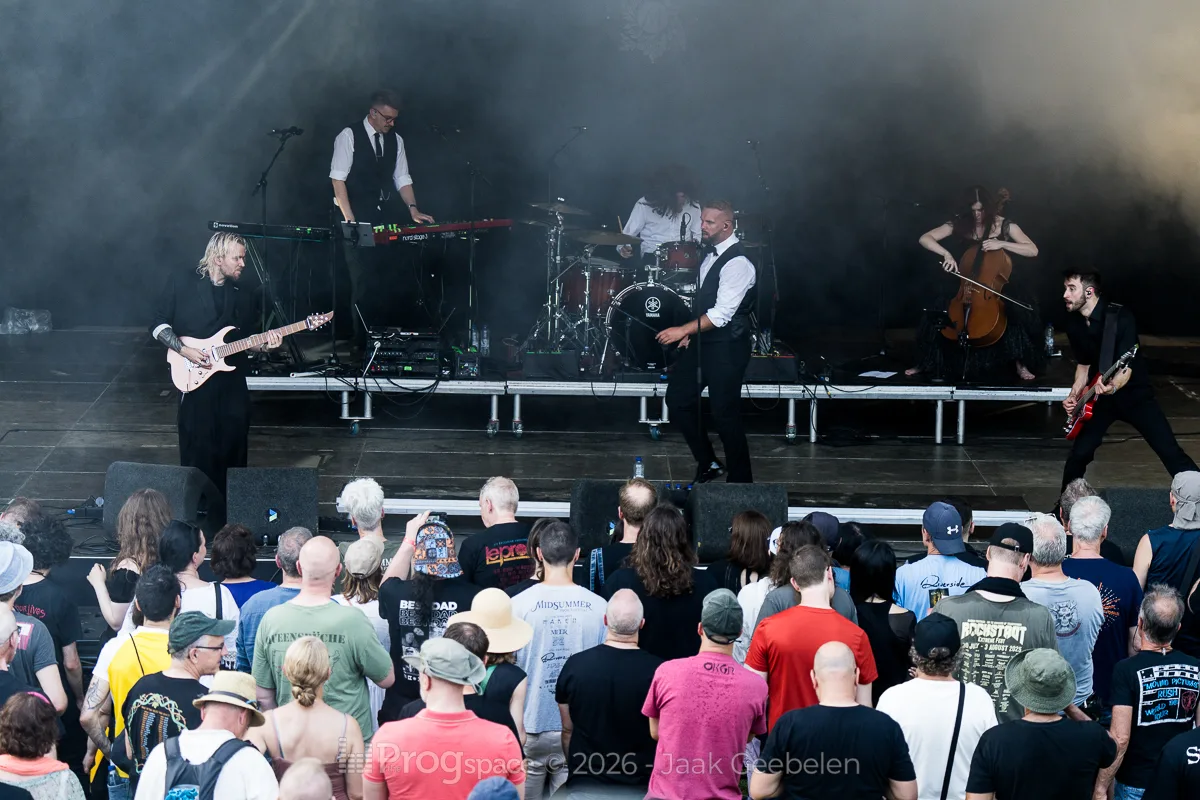
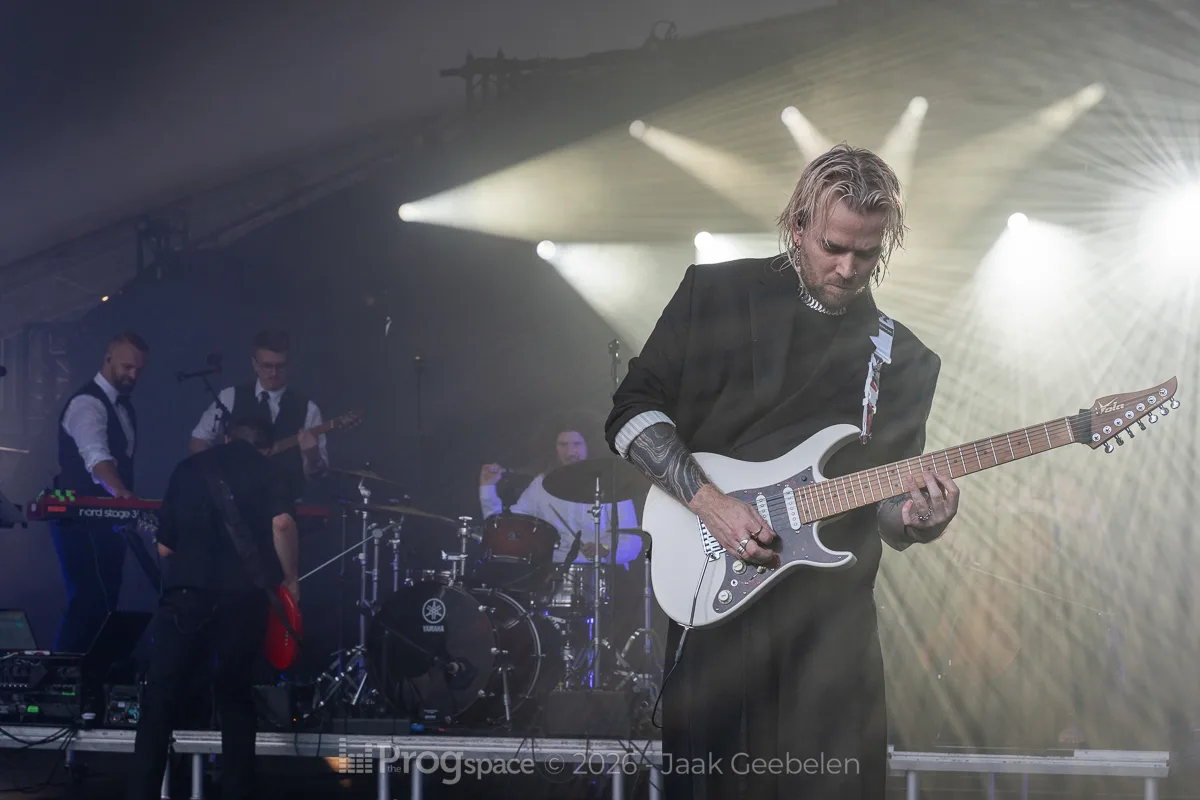
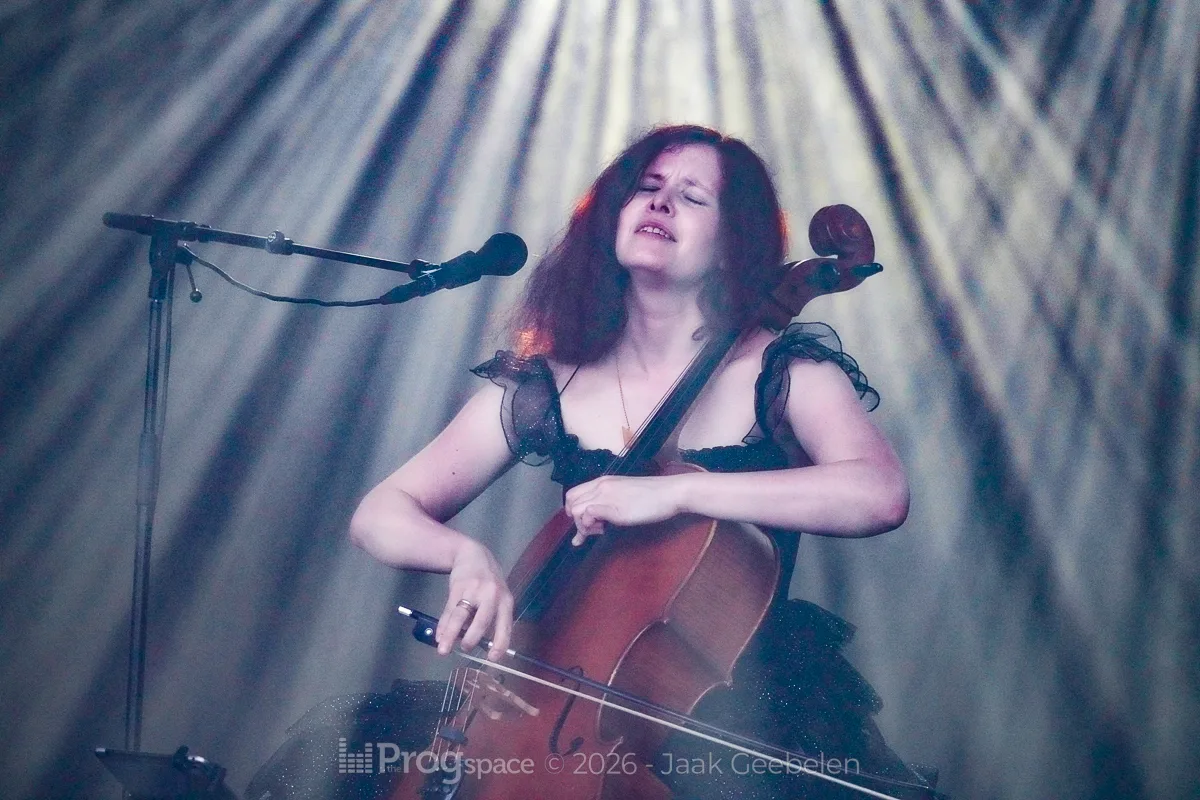
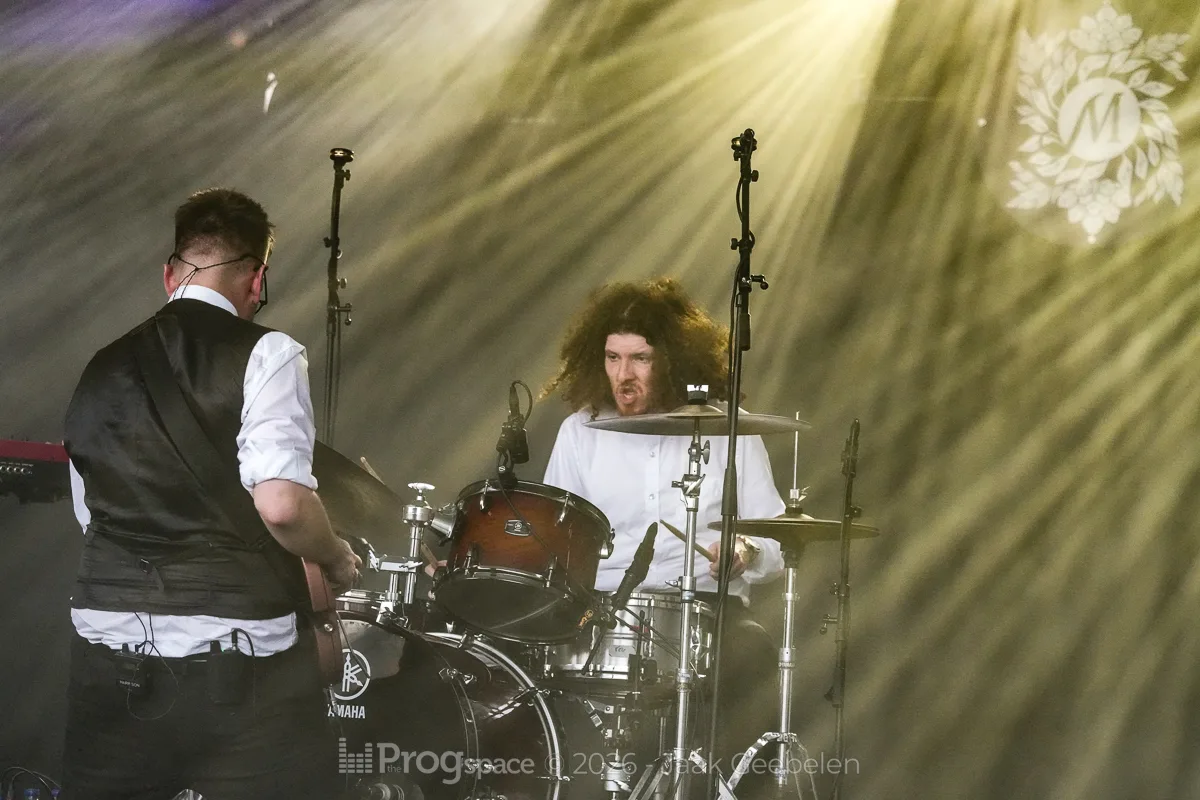
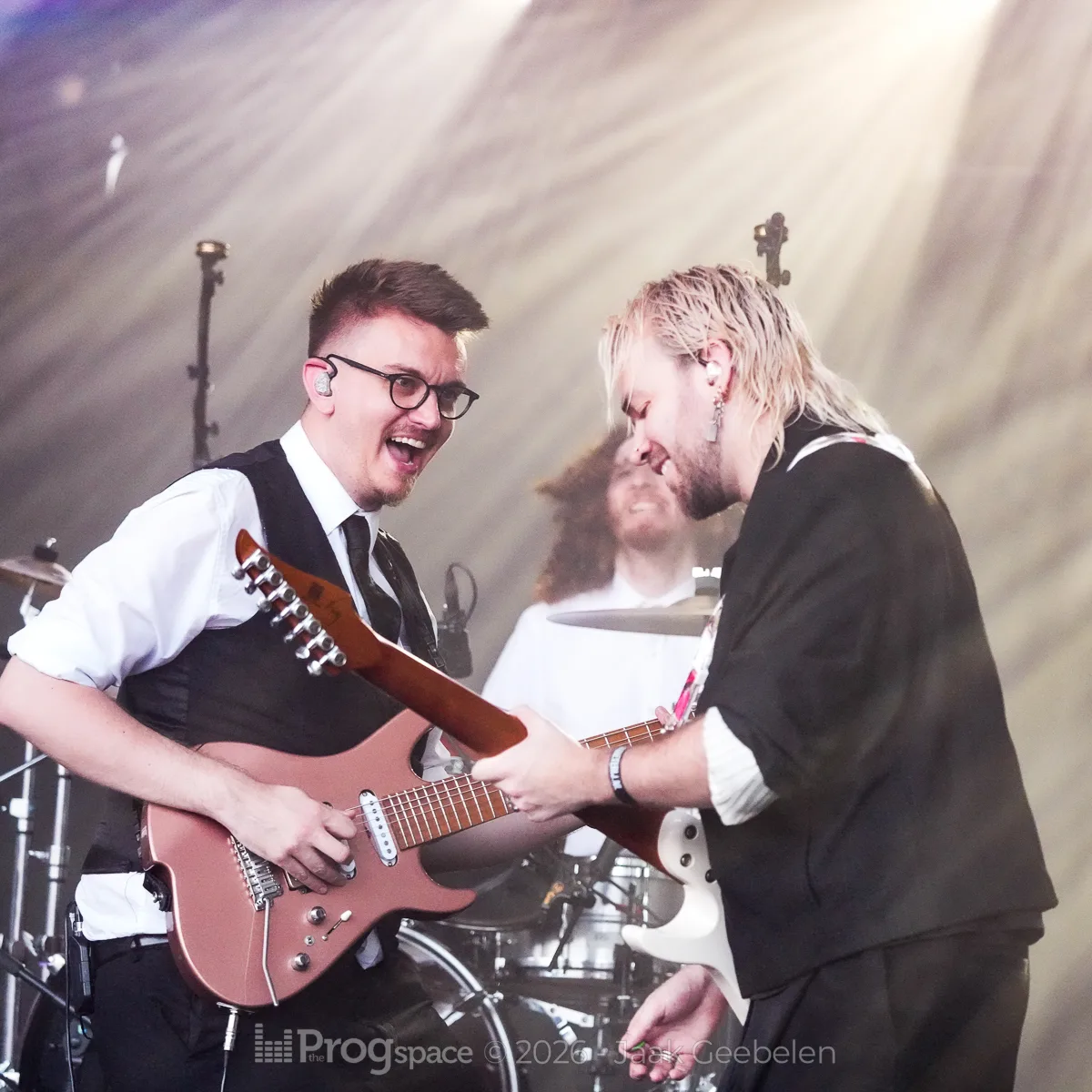
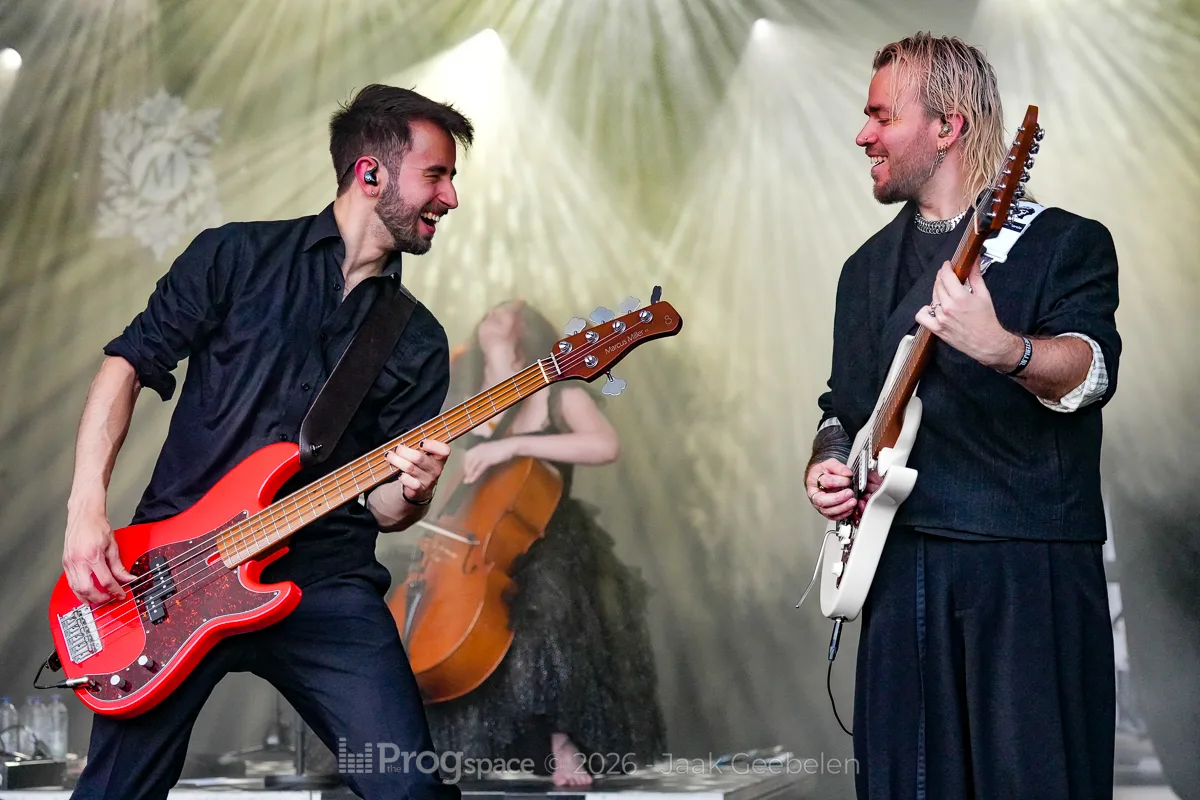
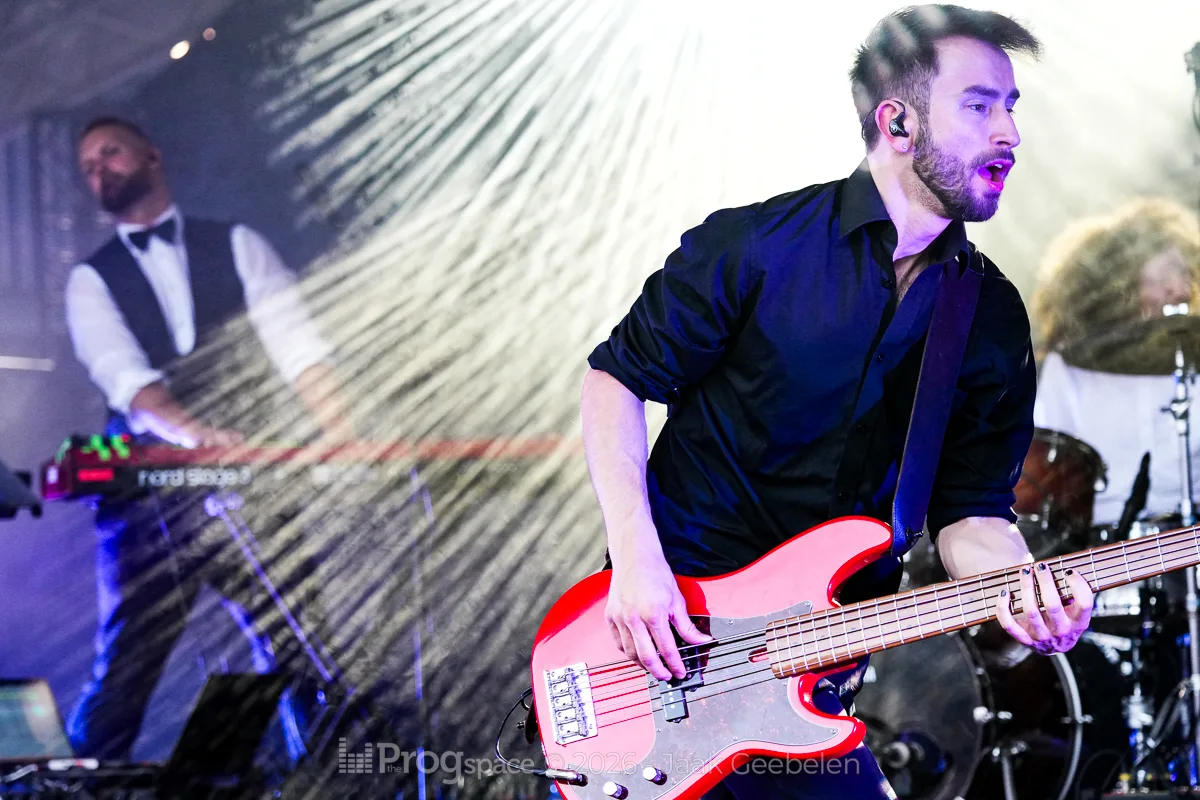
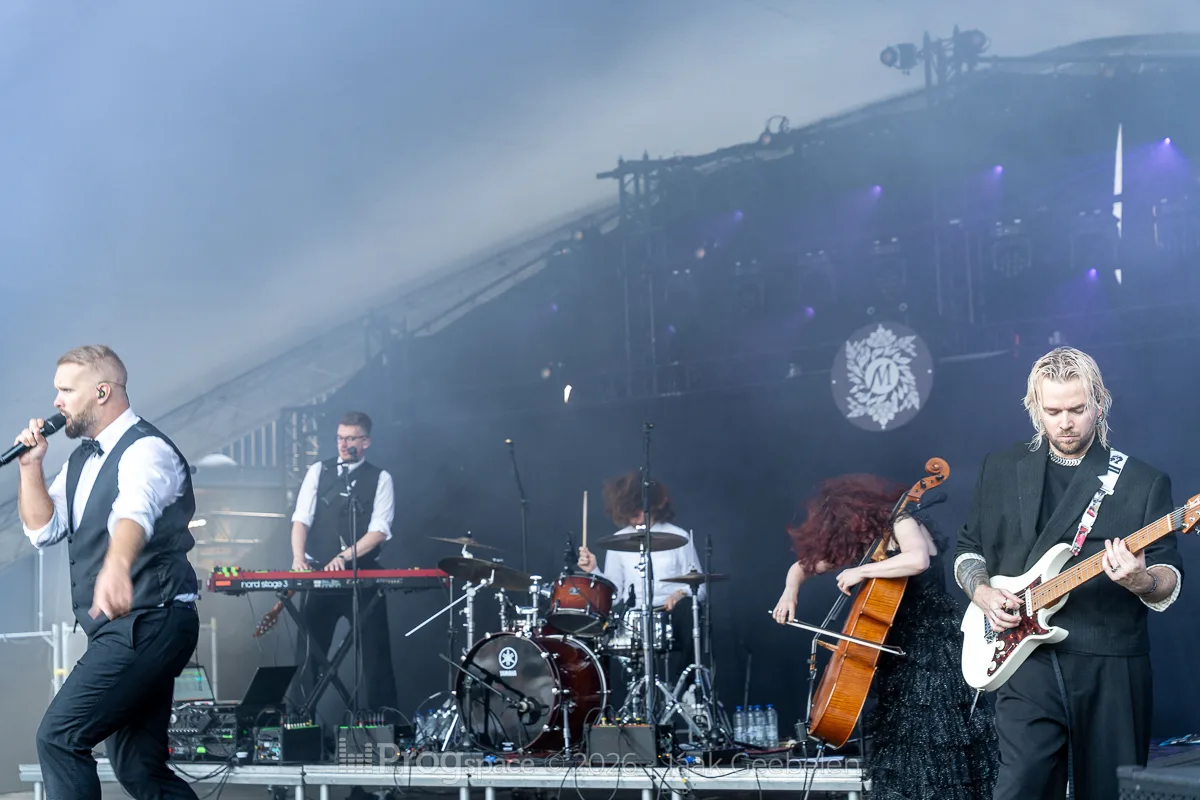
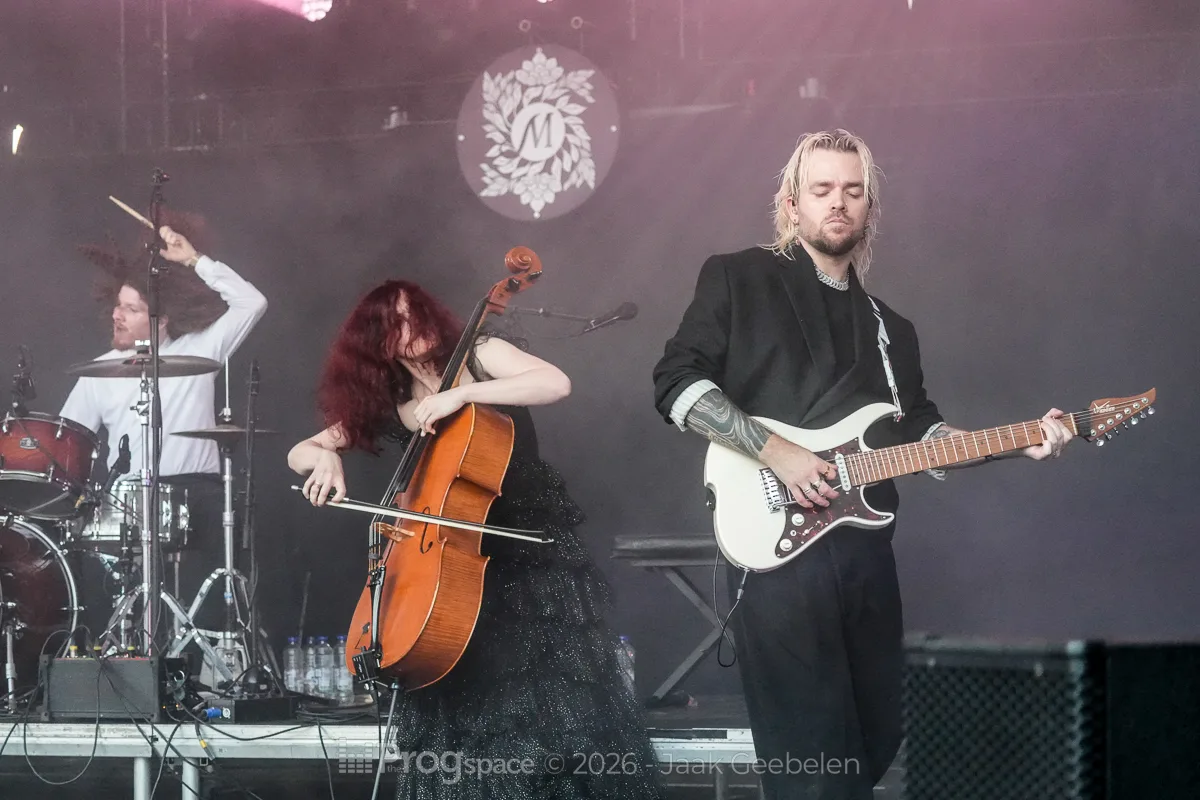
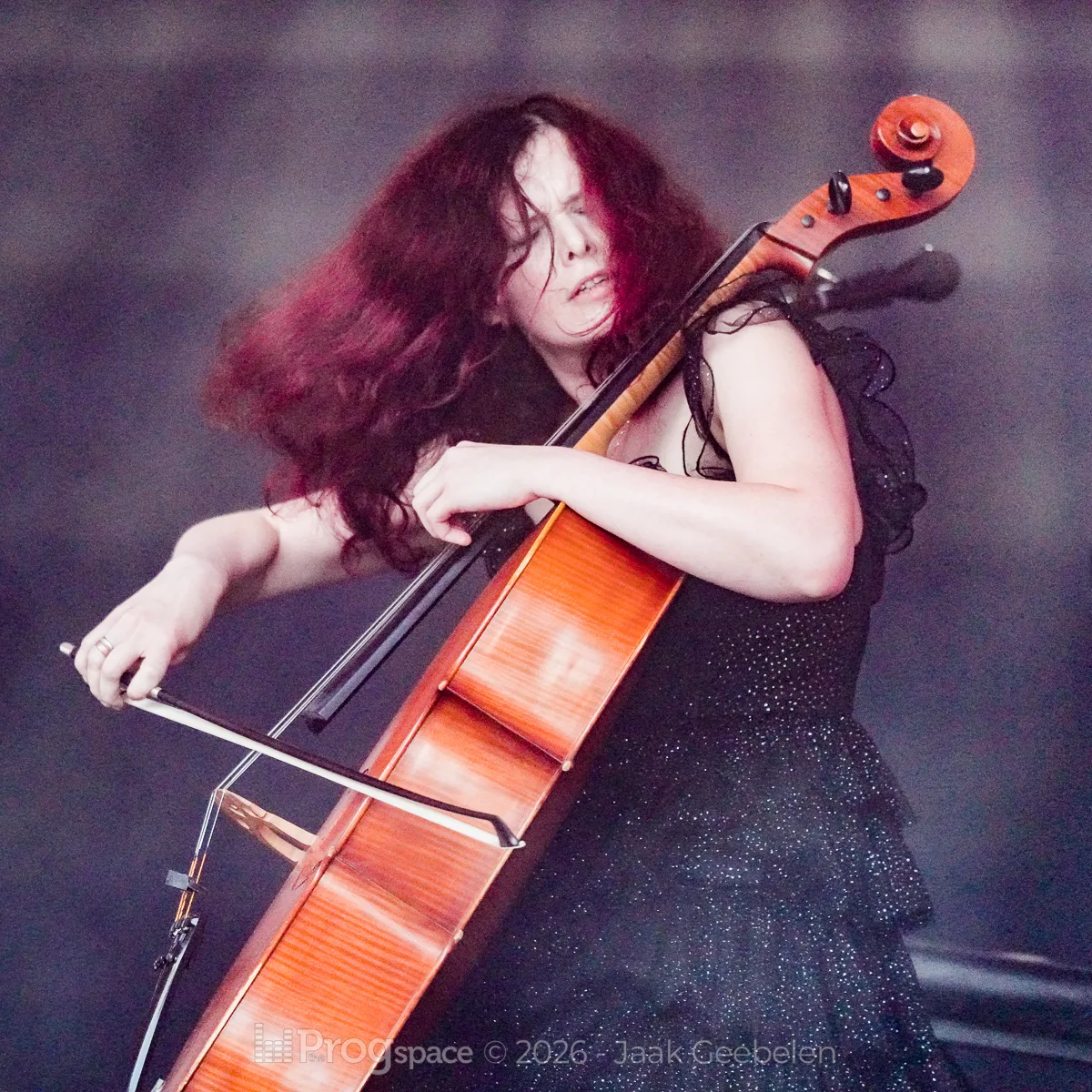
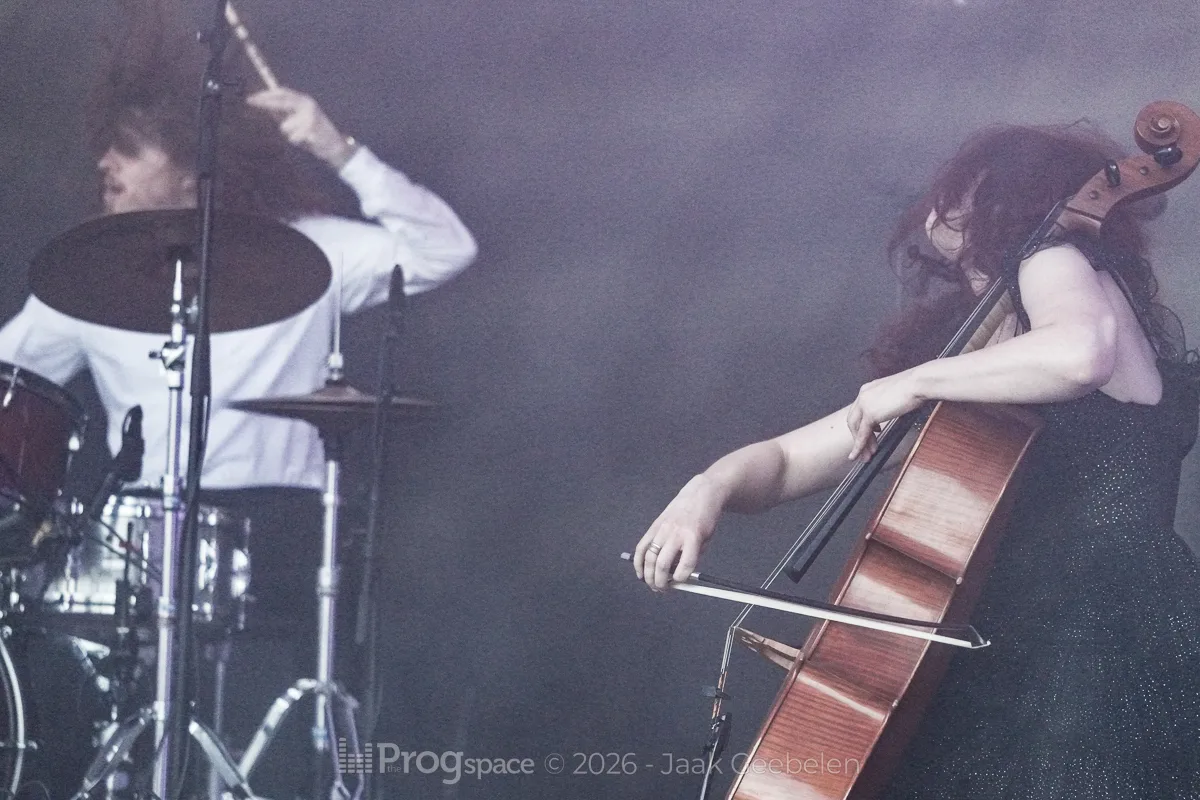
Anyone familiar with Solberg only as the charismatic frontman of Leprous quickly realised that this project has a clear identity of its own. Determined to avoid turning it into “Leprous under another name”, he deliberately left his regular bandmates at home and assembled an entirely new live line-up. Keyboardist HC White, guitarist Kwiny, bassist Errka, drummer Keli Guðjónsson, and, above all, cellist Maya Fridman formed far more than a backing band; each musician played an essential role in bringing Solberg’s musical vision to life.
That was no small task. Parts of Vox Occulta were recorded with The Norwegian Radio Orchestra, yet on stage the album’s orchestral richness was recreated remarkably convincingly through the interplay between Fridman’s expressive cello and HC White’s expansive keyboard work. The cello added warmth, melancholy and an organic depth, while the keyboards supplied the orchestral textures, choirs and cinematic atmospheres. Together they created a sound world that captured the spirit of the album without ever attempting to imitate a full orchestra.
From the opening notes of “Stella Mortua”, it became clear that Solberg’s aim was not simply to impress through technical virtuosity. Carefully constructed dynamic arcs, the constant contrast between intimate passages and explosive climaxes, and the seamless interaction between rock instrumentation and orchestral colours defined the performance. Heavy riffs and electronic textures naturally gave way to fragile melodies and moments of remarkable restraint.
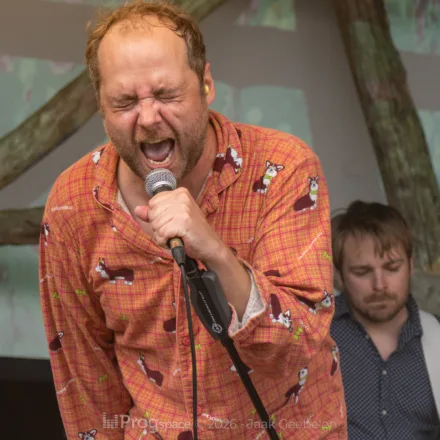
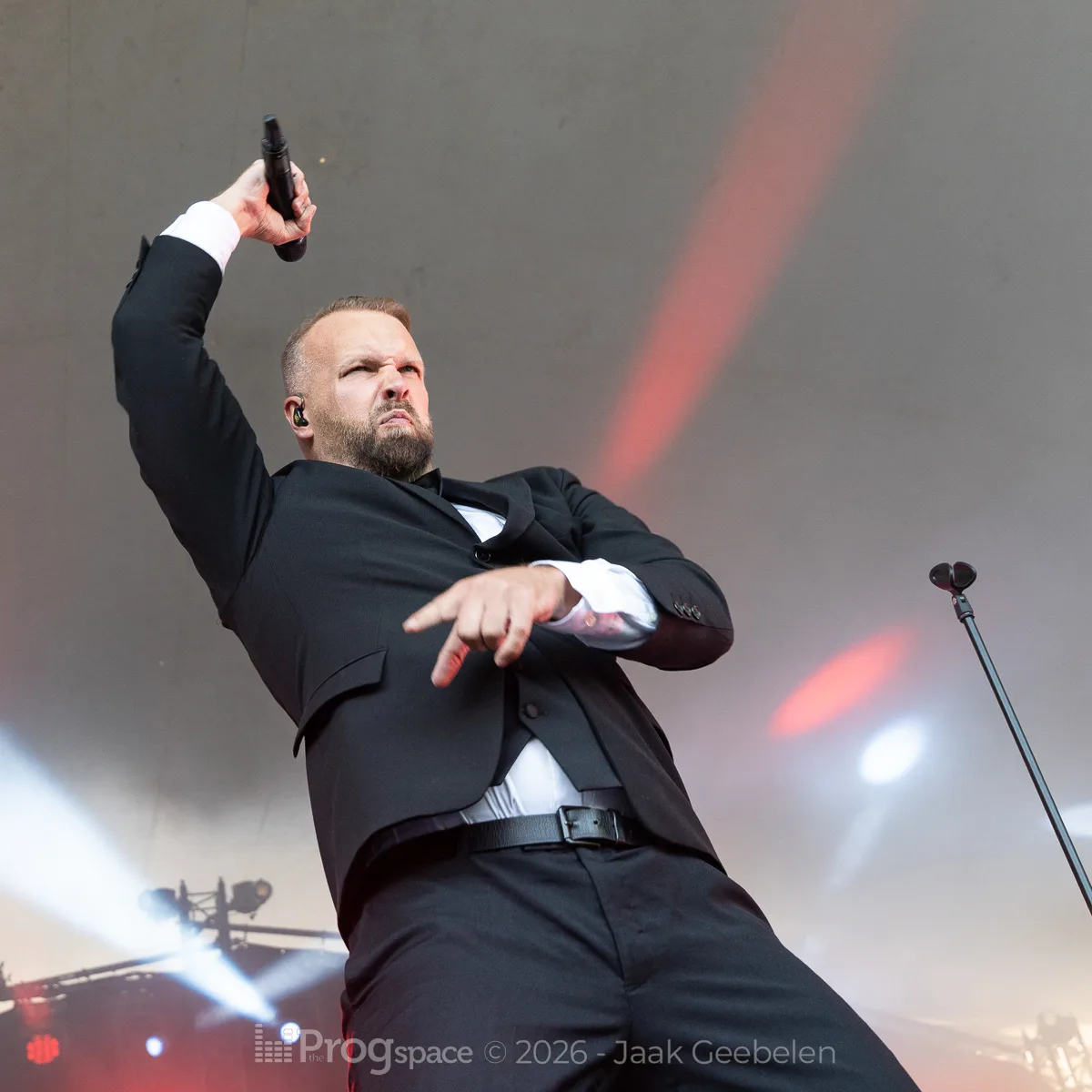
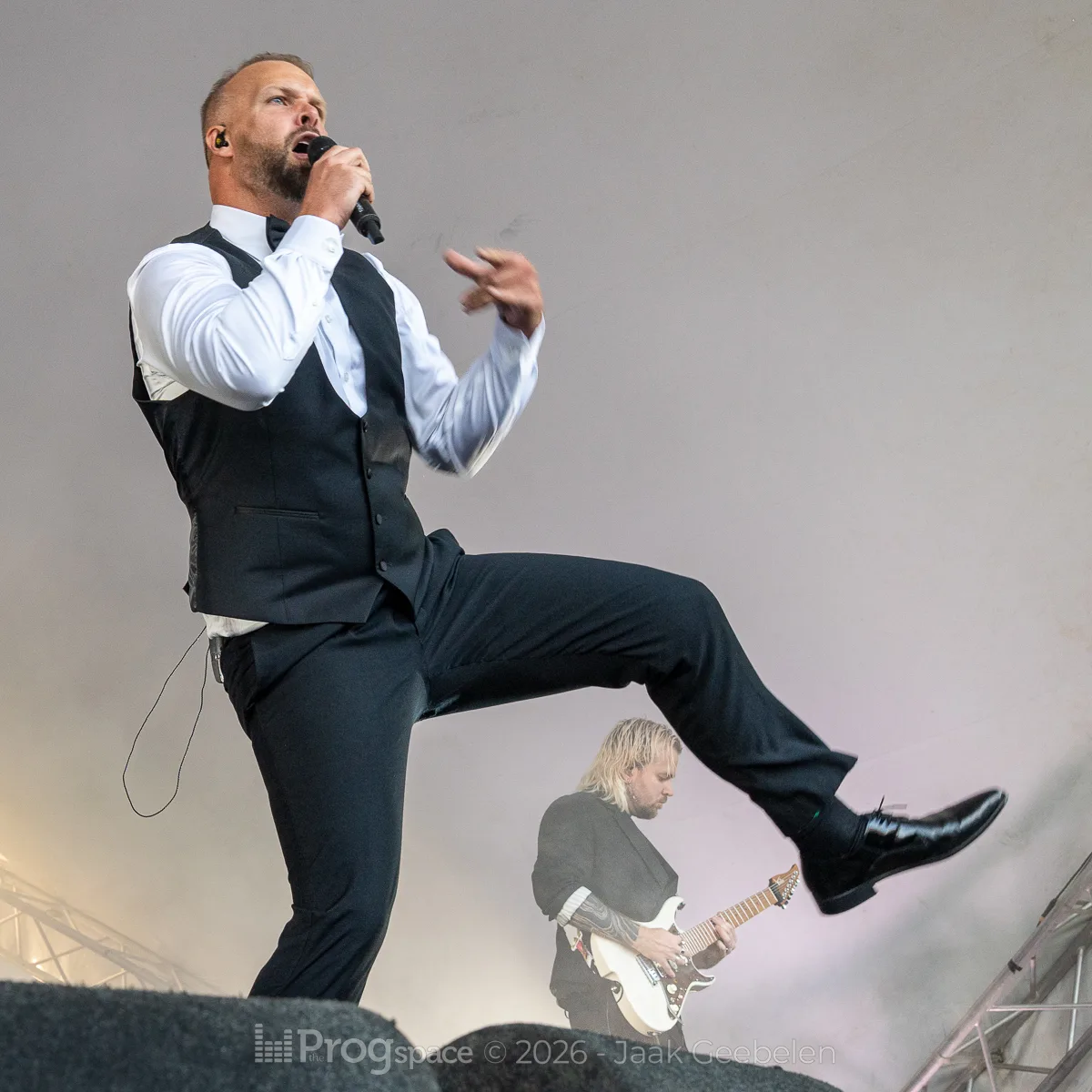
At the centre stood Solberg’s extraordinary voice. His remarkable range is already well known from Leprous, but within this project his vocals are given even greater emotional responsibility. Whispered passages effortlessly evolved into soaring, powerful outbursts without ever sounding forced. Equally striking was his commanding stage presence. Dressed in a crisp white shirt, dark waistcoat and bow tie, he projected an almost classical elegance, yet behind that refined appearance stood a performer who used his entire body to reinforce the emotional weight of every song.
The set focused almost entirely on the new album Vox Occulta, through which Solberg clearly establishes himself not only as a vocalist but also as a composer. Whereas his debut 16 largely revolved around processing childhood trauma and anxiety, Vox Occulta explores broader themes of identity, vulnerability, mortality, liberation and, ultimately, inner peace.
Nowhere was this more evident than during “Serenitas.” Solberg has explained that the song reflects the peace he eventually found after years of struggling with anxiety and mental health issues. That sense of serenity resonated throughout the gradually unfolding composition, where cello, keyboards and his delicate vocal delivery blended beautifully. “Vita Fragilis,” a meditation on accepting our own mortality, combined orchestral grandeur with striking emotional vulnerability. In contrast, “Liberatio” and “Medulla” shifted the emphasis towards groove, electronics and powerful riffs, allowing the rhythm section to shine. The monumental “Grex” provided a fitting conclusion, a nearly twelve-minute composition in which every aspect of Solberg’s musical universe came together.
Only twice did Solberg revisit his debut album, with “A Beautiful Life” and “Over The Top.” Nestled between them came the evening’s sole Leprous composition, “The Last Milestone.” Rather than feeling like a nostalgic detour, it blended seamlessly into the overall narrative. Thanks to the prominent role of the cello and its orchestral character, the song felt like a natural extension of Vox Occulta rather than a reminder of Solberg’s past.
Ultimately, what impressed most was not simply the technical excellence or Solberg’s astonishing vocal performance, but the artistic coherence of the entire production. The music maintained a distinctive atmosphere throughout without ever becoming repetitive. Progressive rock, metal, classical music and cinematic scoring flowed naturally into one another, while the compact six-piece band translated the album’s expansive studio arrangements to the stage with remarkable conviction.
On a festival day that also featured Quidam’s nostalgic neo-progressive rock and Geoff Tate’s legendary performance of Operation: Mindcrime, Einar Solberg offered something entirely his own. Rather than rejecting progressive rock’s rich heritage, he expanded it by embracing classical composition and cinematic storytelling. The result was a performance that demonstrated not only exceptional musicianship but also the confidence of an artist who has found a distinctive creative voice. For many, it proved to be one of the festival’s most compelling and memorable performances.
My sincere thanks to Ela Williamson for her editorial assistance, valuable insights and support in preparing this review.




 We’re a group of Prog-lovers who started a journey to share with you our thoughts about albums, concerts, tours and festivals, the photo galleries of the Prog concerts we visit, as well interviews with upcoming or established musicians or prog-related people. Follow our Facebook page for frequent updates and news around the Progniverse.