








Overhead, The Albatros @ Midsummer Prog Festival (21.06.2026) – Maastricht (NL)
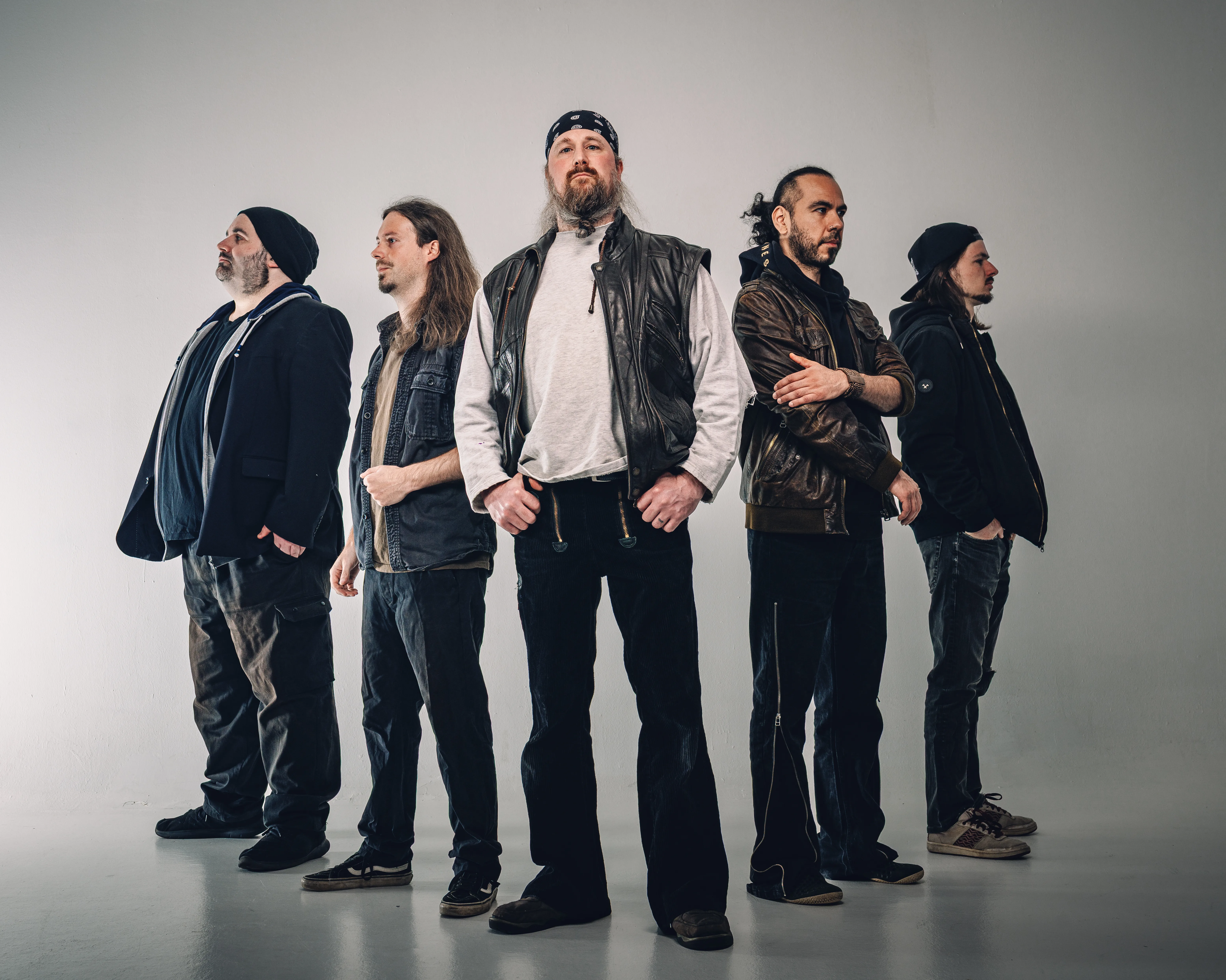
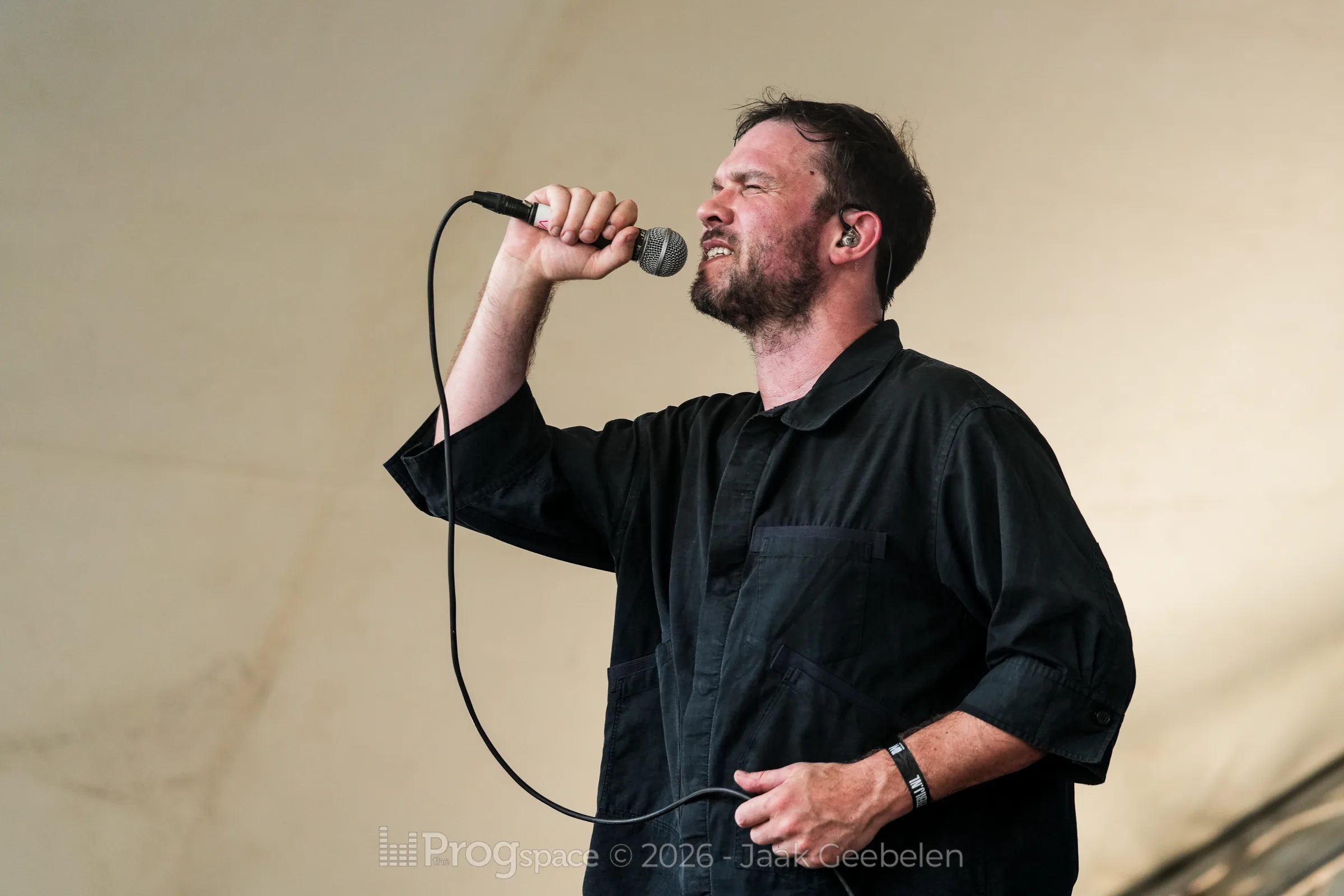
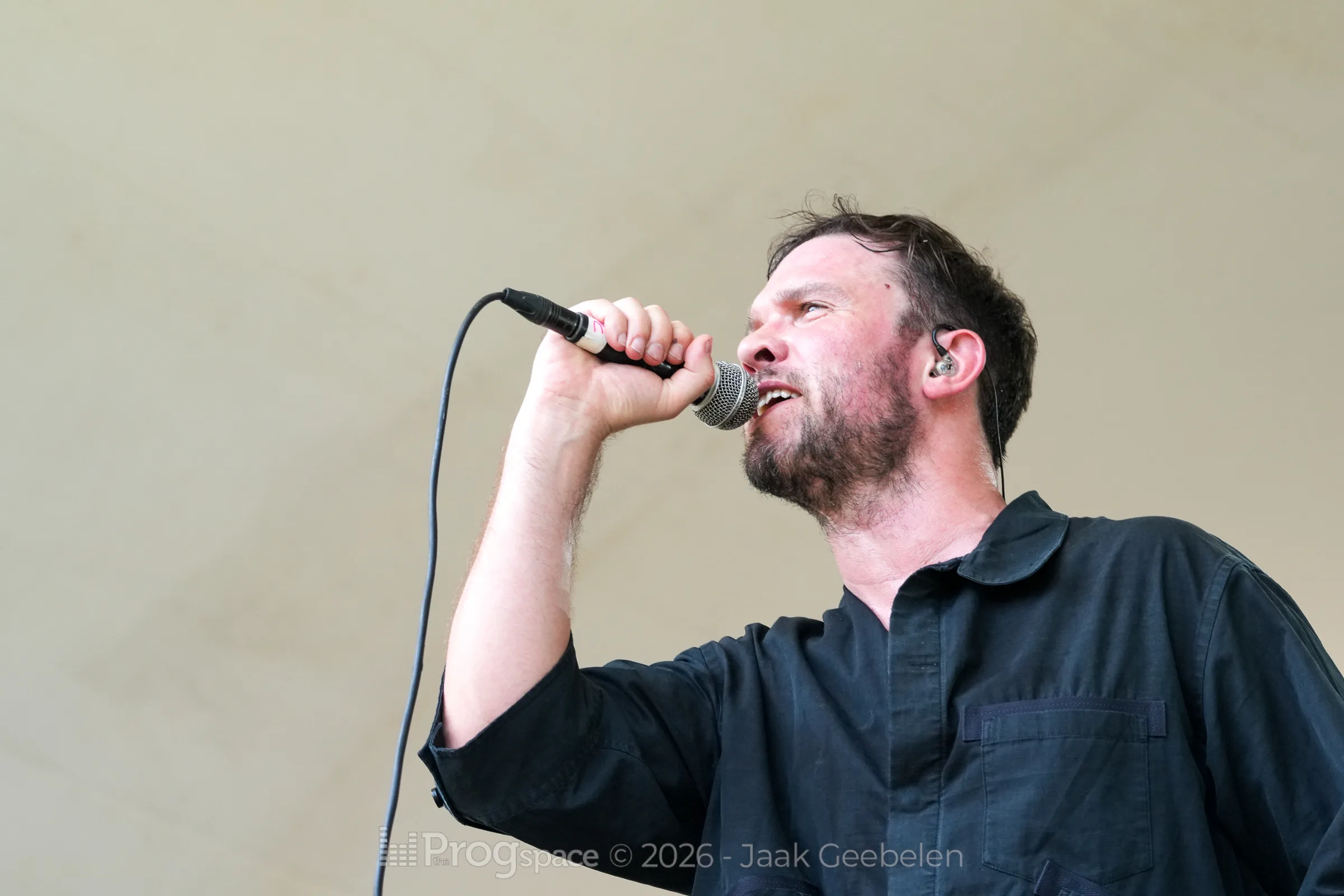
After URSA had opened the second day of Midsummer Prog with an energetic dose of modern progressive metal, the atmosphere shifted dramatically. Dublin’s Overhead, The Albatross approached intensity from a completely different angle. Rather than relying on technical fireworks or crushing heaviness, the Irish quintet built their performance around emotion, atmosphere and carefully crafted dynamics. What followed became one of the biggest surprises of the festival’s second day.
Since forming in 2009, Overhead, The Albatross have quietly established themselves within the European post-rock scene. However, with I Leave You This, their first album in eight years, the band has taken a remarkable artistic step forward. While their debut Learning To Growl largely left interpretation to the listener through mostly instrumental compositions, their recent work embraces far more personal themes: birth and death, love and loss, memory and hope. Those ideas formed the emotional backbone of their performance in Maastricht.
Your Last Breath, written following the death of Luke Daly’s father, immediately set the tone. Without unnecessary theatrics, the piece slowly unfolded from fragile introspection into an overwhelming emotional release. From that very first song it became clear that Overhead, The Albatross create music that draws the audience in rather than keeping it at arm’s length.
With At Sea, the sonic palette became even richer. Electronics, delicate synthesizers and melodic guitar lines blended seamlessly together. The keyboards and sampled textures were never decorative additions; instead, they functioned as equal voices within the compositions. This is where the band separates itself from many traditional post-rock acts. Their music constantly moves beyond the familiar crescendo formula, drawing inspiration from electronic music, progressive rock and even post-metal.
The emotional and musical centrepiece of the set was undoubtedly Hibakusha. Named after the survivors of the atomic bombings in Japan, the composition explores not only unimaginable tragedy but also extraordinary resilience. Live, the song evolved into a breathtaking journey, moving from almost post-metal intensity towards the closing Japanese spoken-word passage that transforms anger into hope. Few songs manage to balance devastation and optimism with such conviction.
Following the compact and still unreleased I’ve Got a Few Years Left, the band gradually rebuilt the tension before arriving at This Is Like Love, where pulsing electronics, rhythmic grooves and Eastern vocal influences added an unexpected sense of movement and colour. It perfectly demonstrated how broad Overhead, The Albatross’ musical vocabulary has become.
Everything eventually led towards Paul Lynch, arguably the emotional heart of both the album and the performance. Dedicated to a close friend of the band who passed away during the making of I Leave You This, the song became a collective act of remembrance. The repeated closing chant never felt like a conventional singalong. Instead, it became a shared farewell in which audience and band seemed completely united.
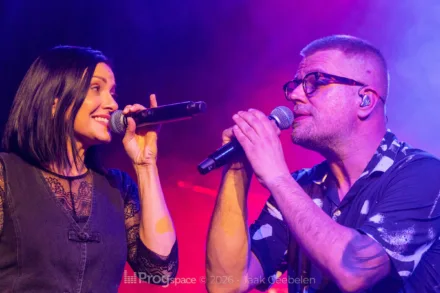
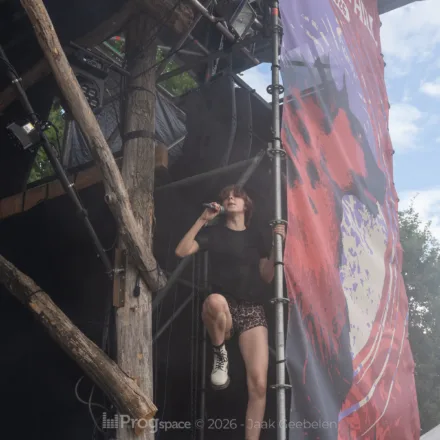
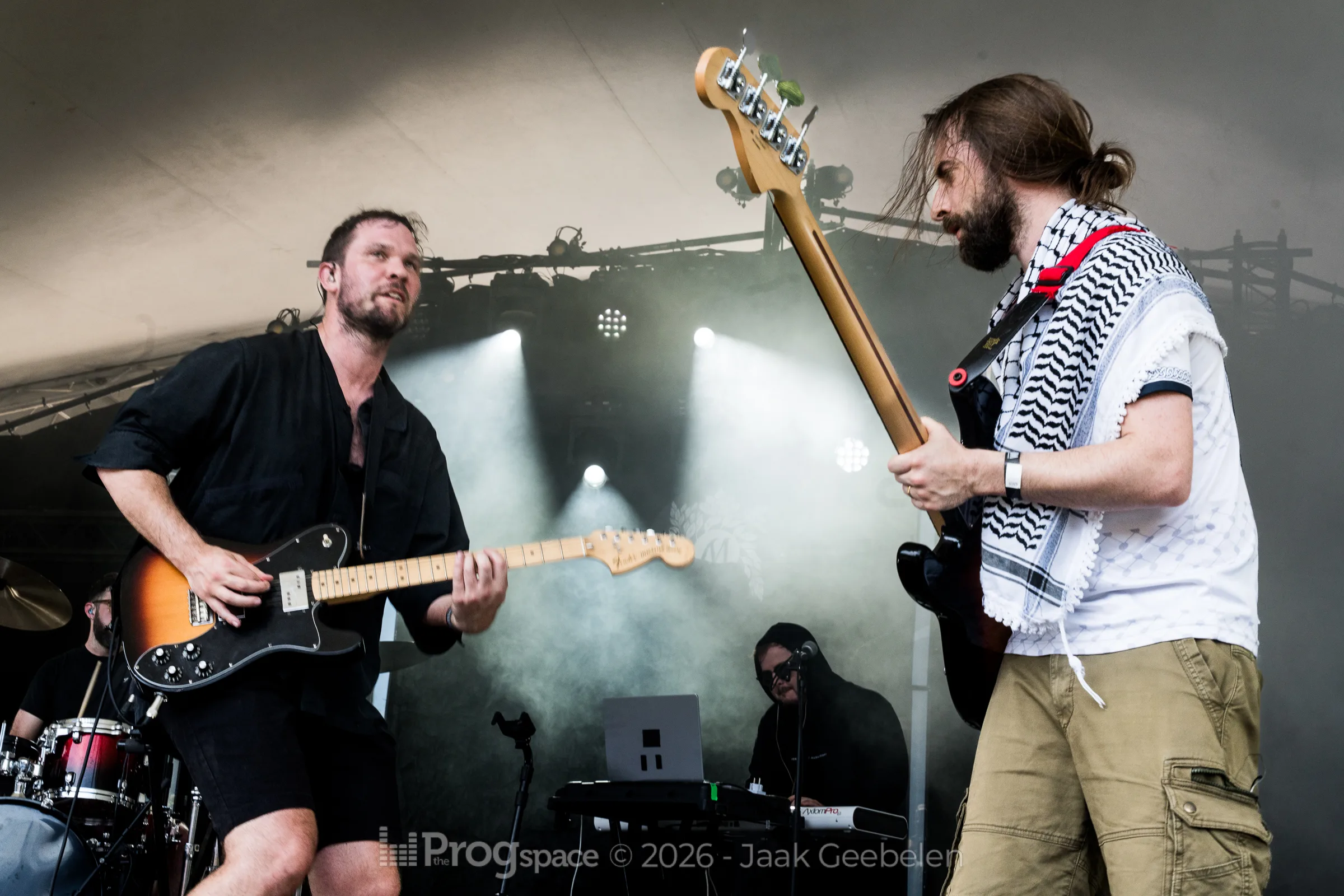
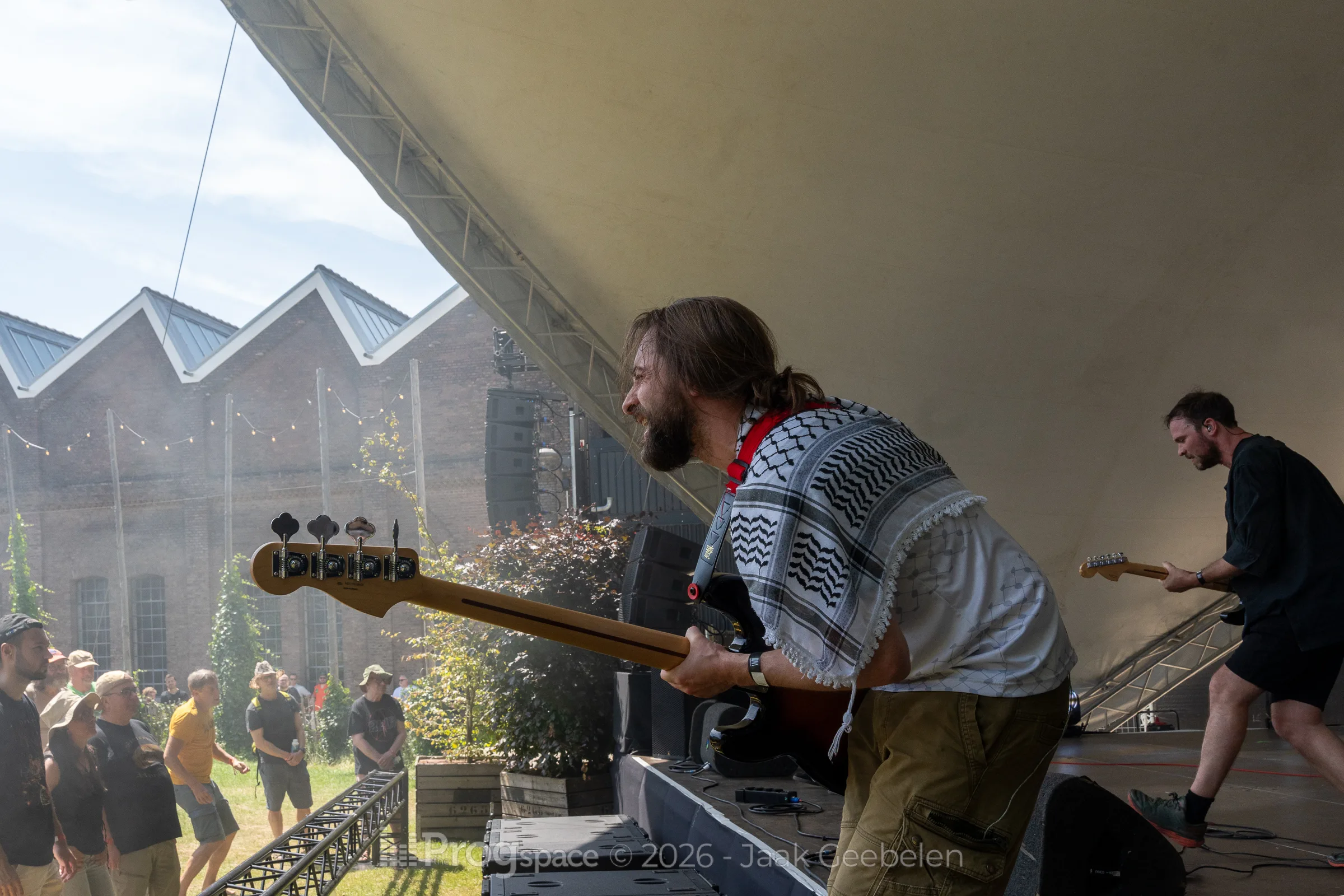
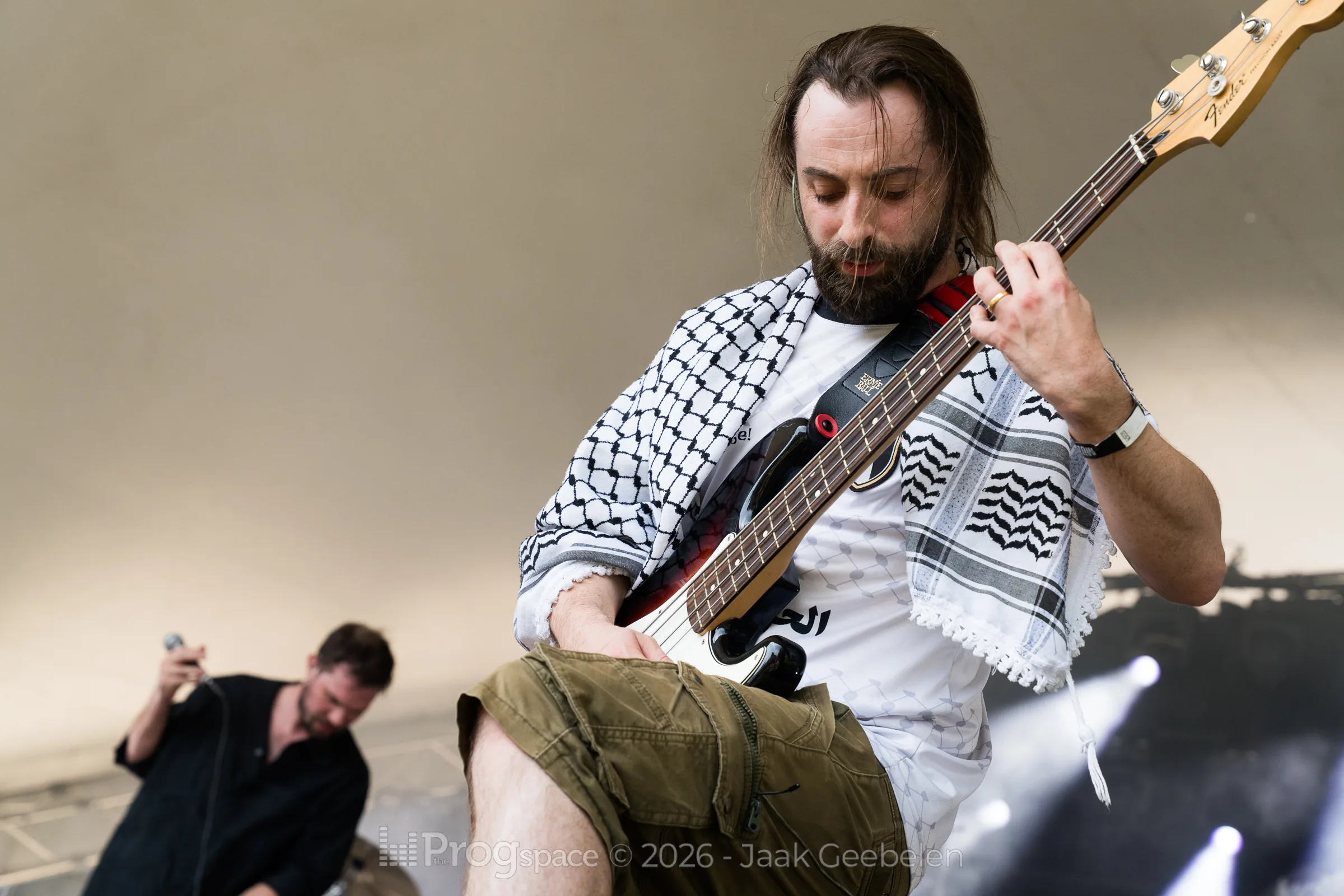
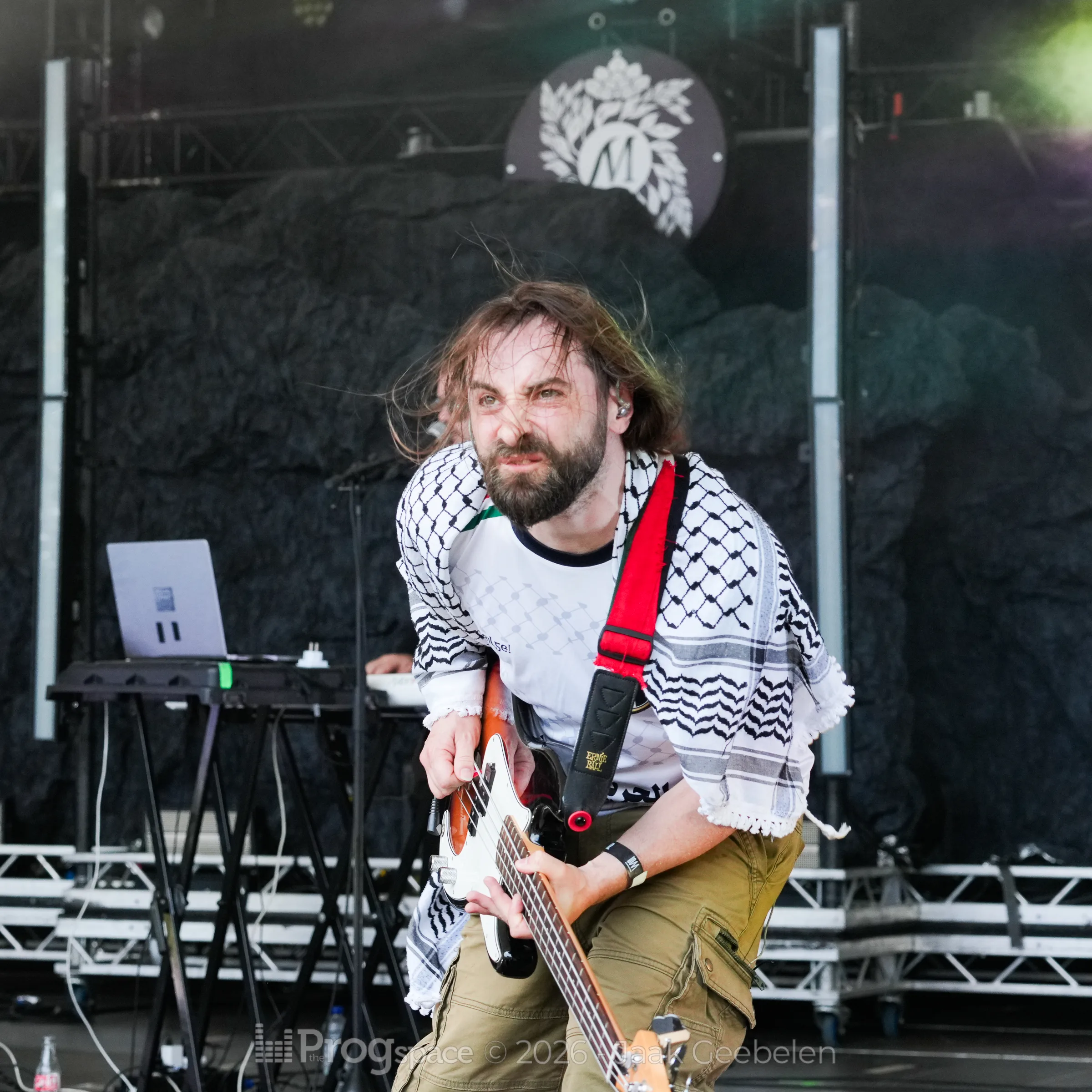
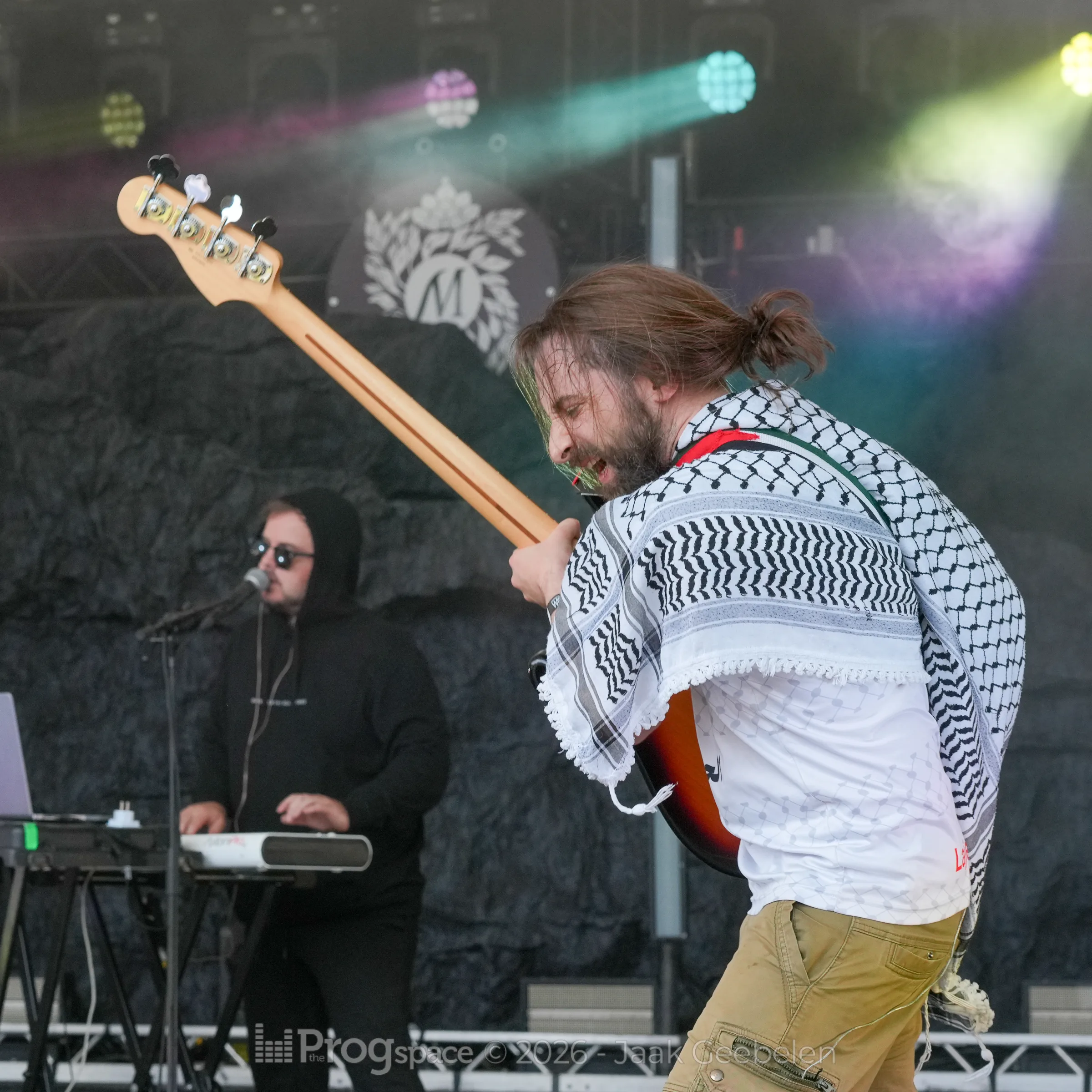
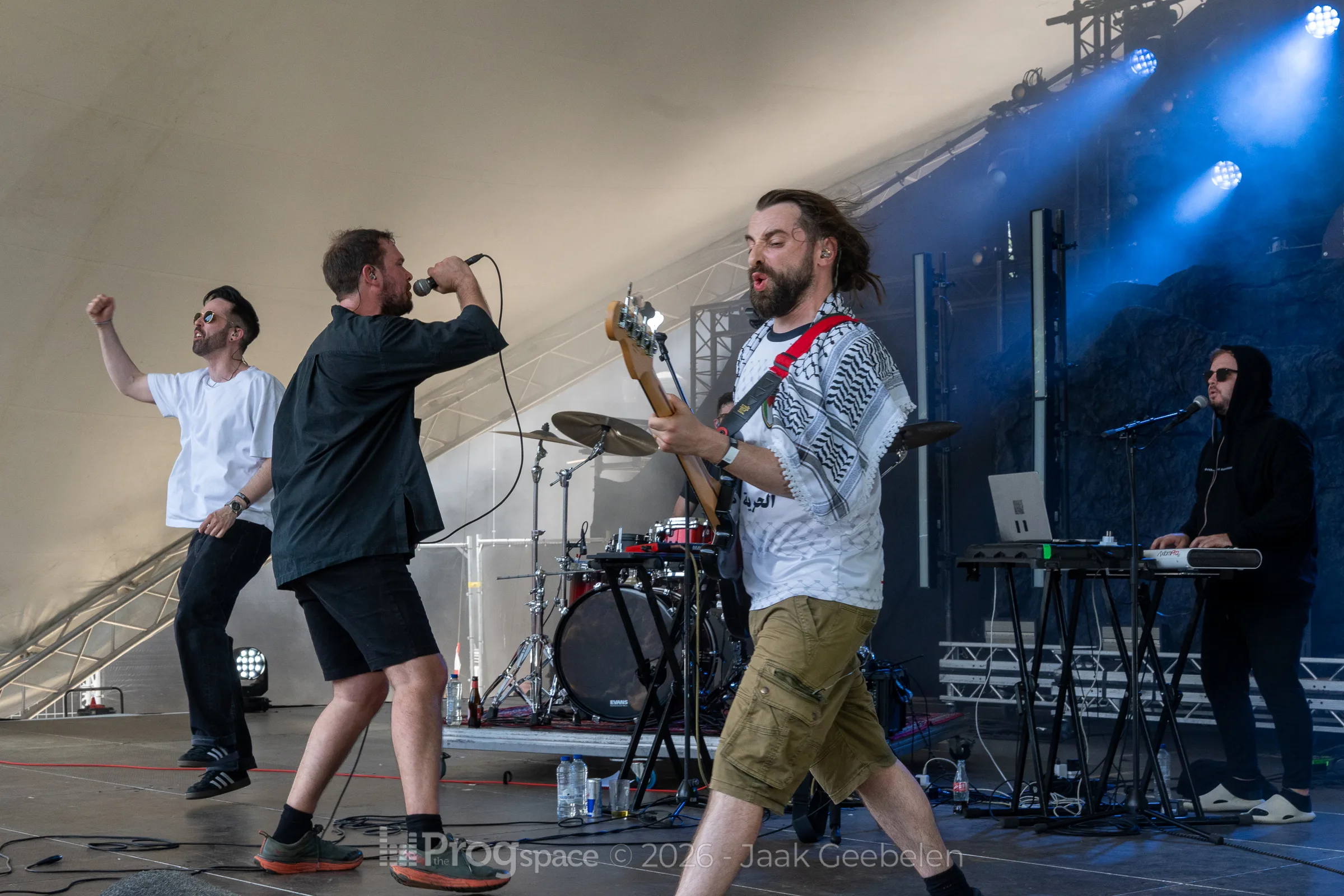
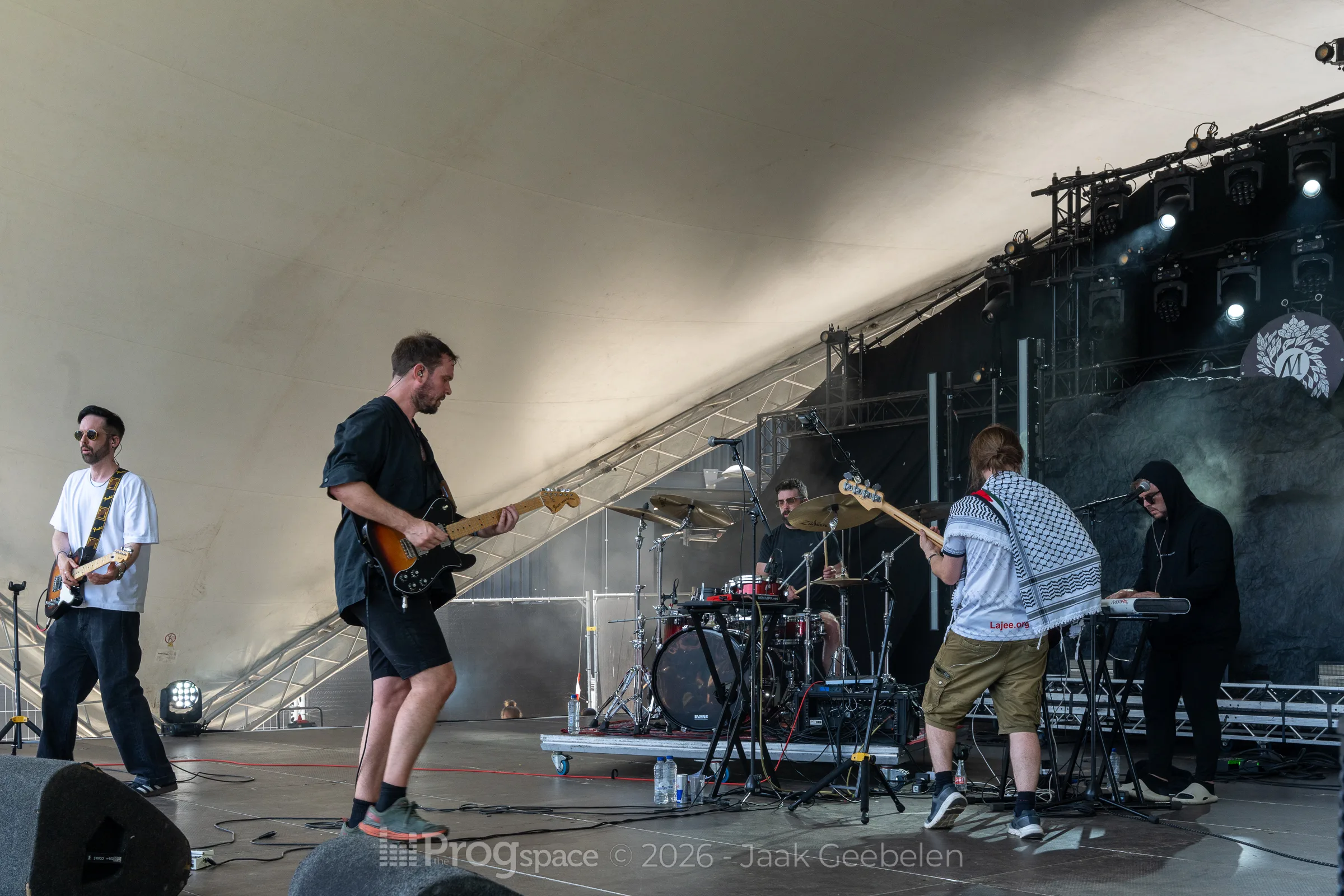
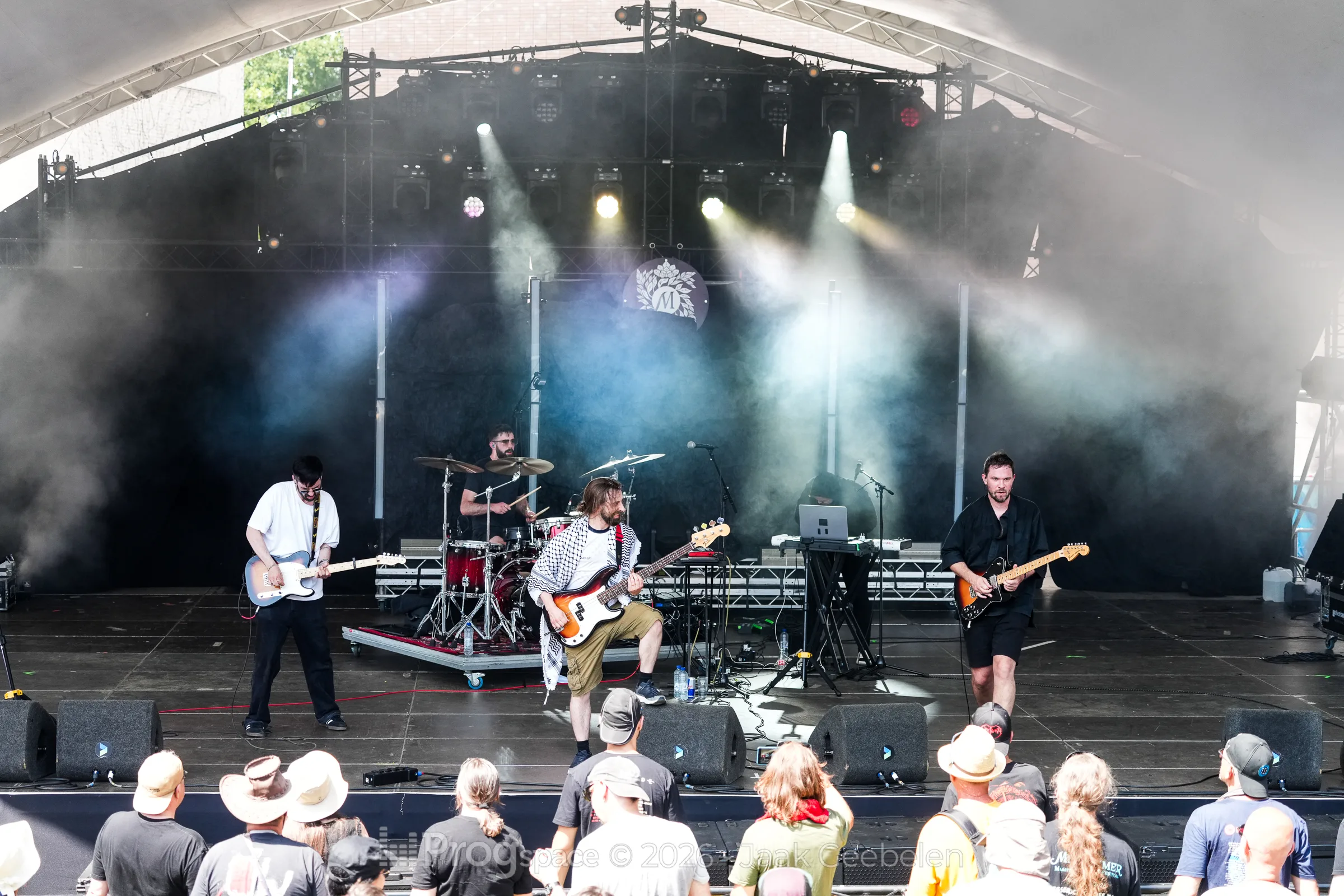
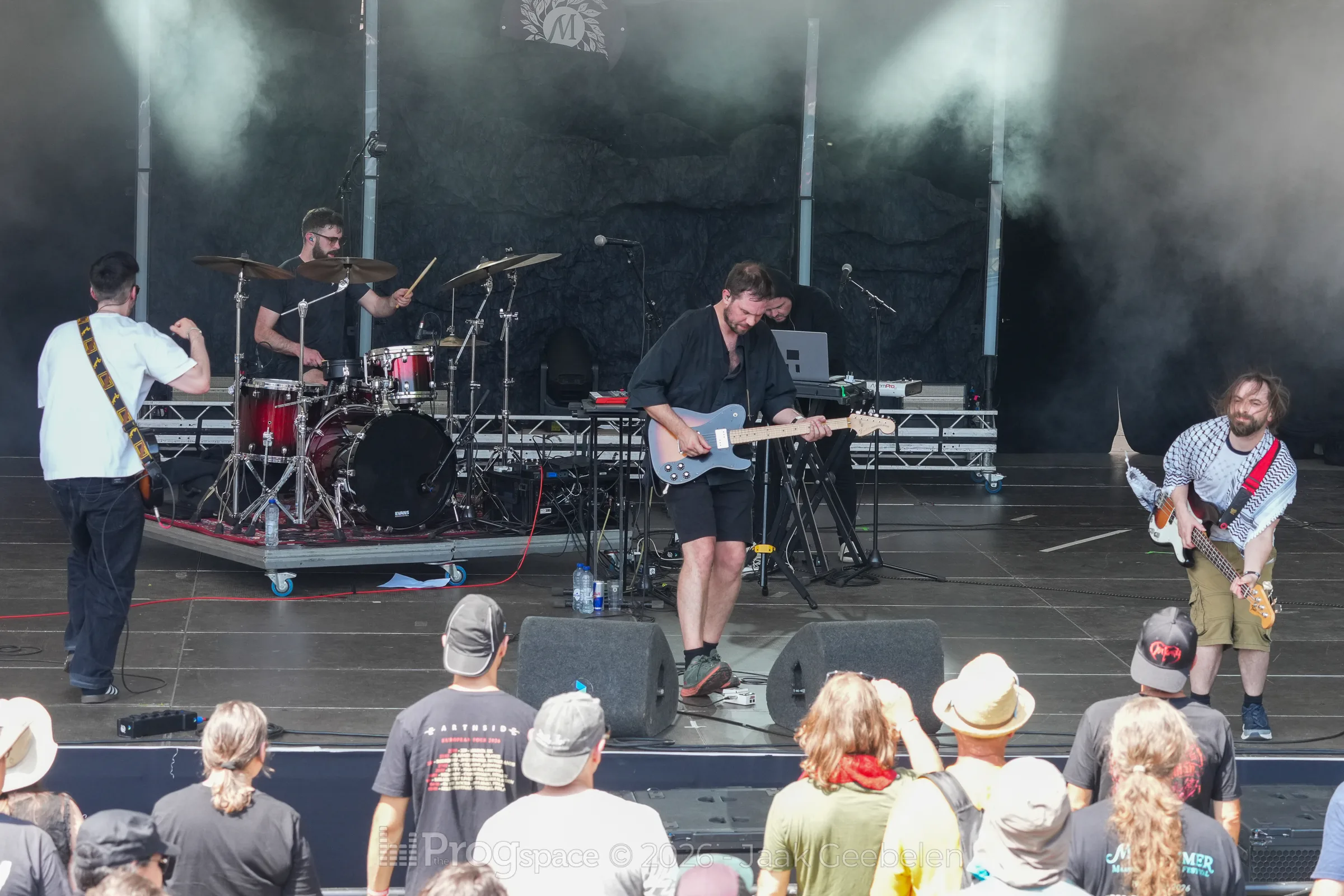
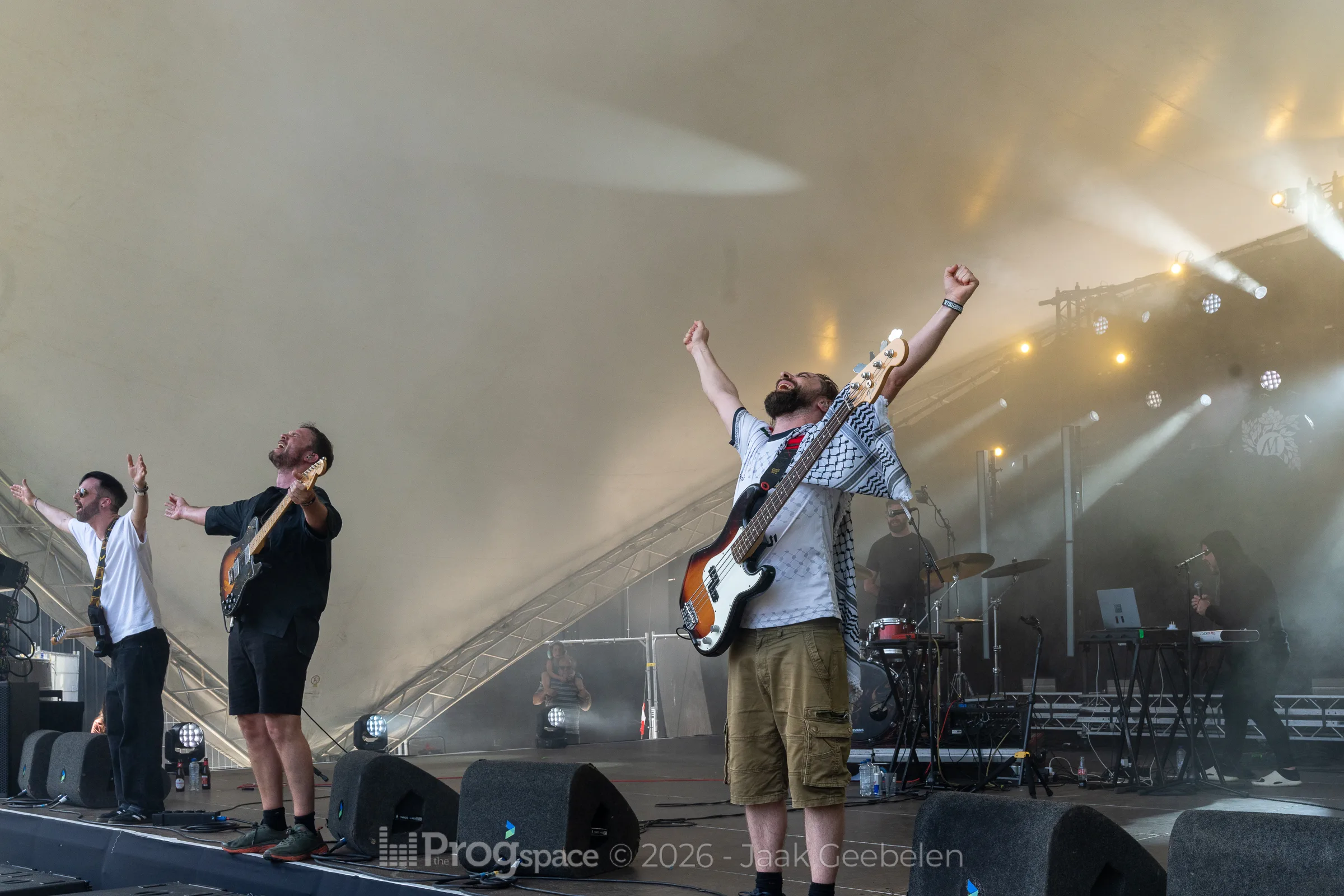
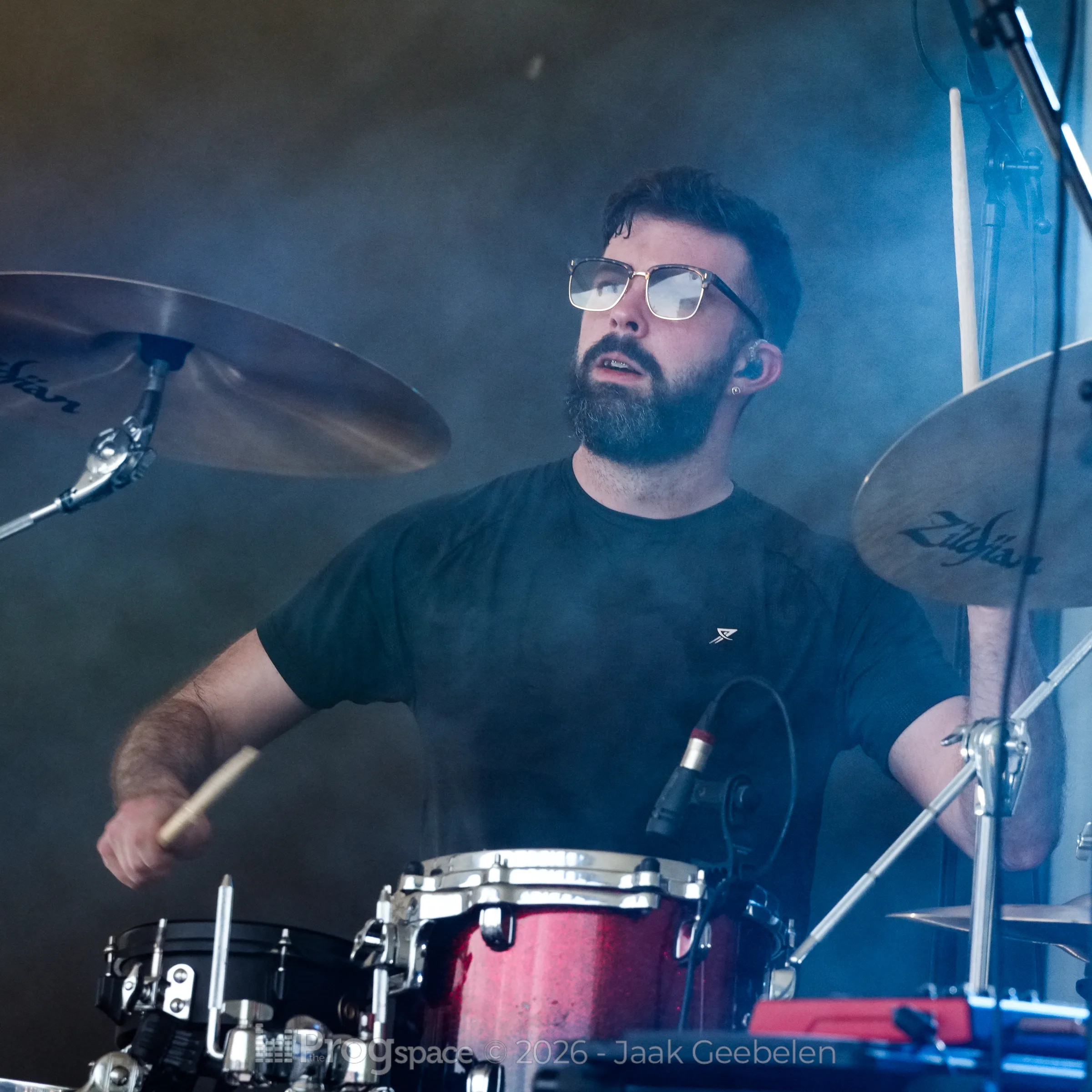
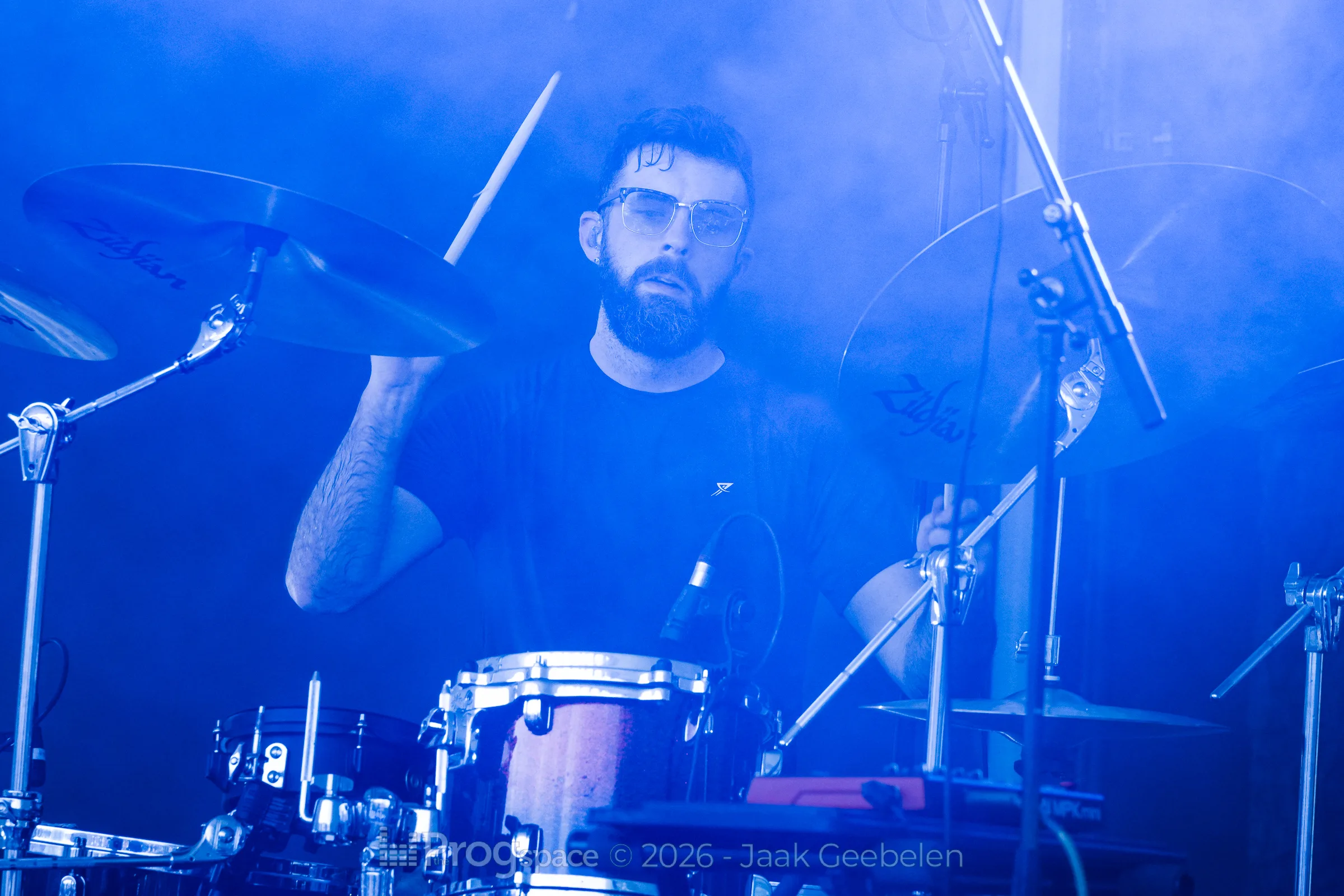
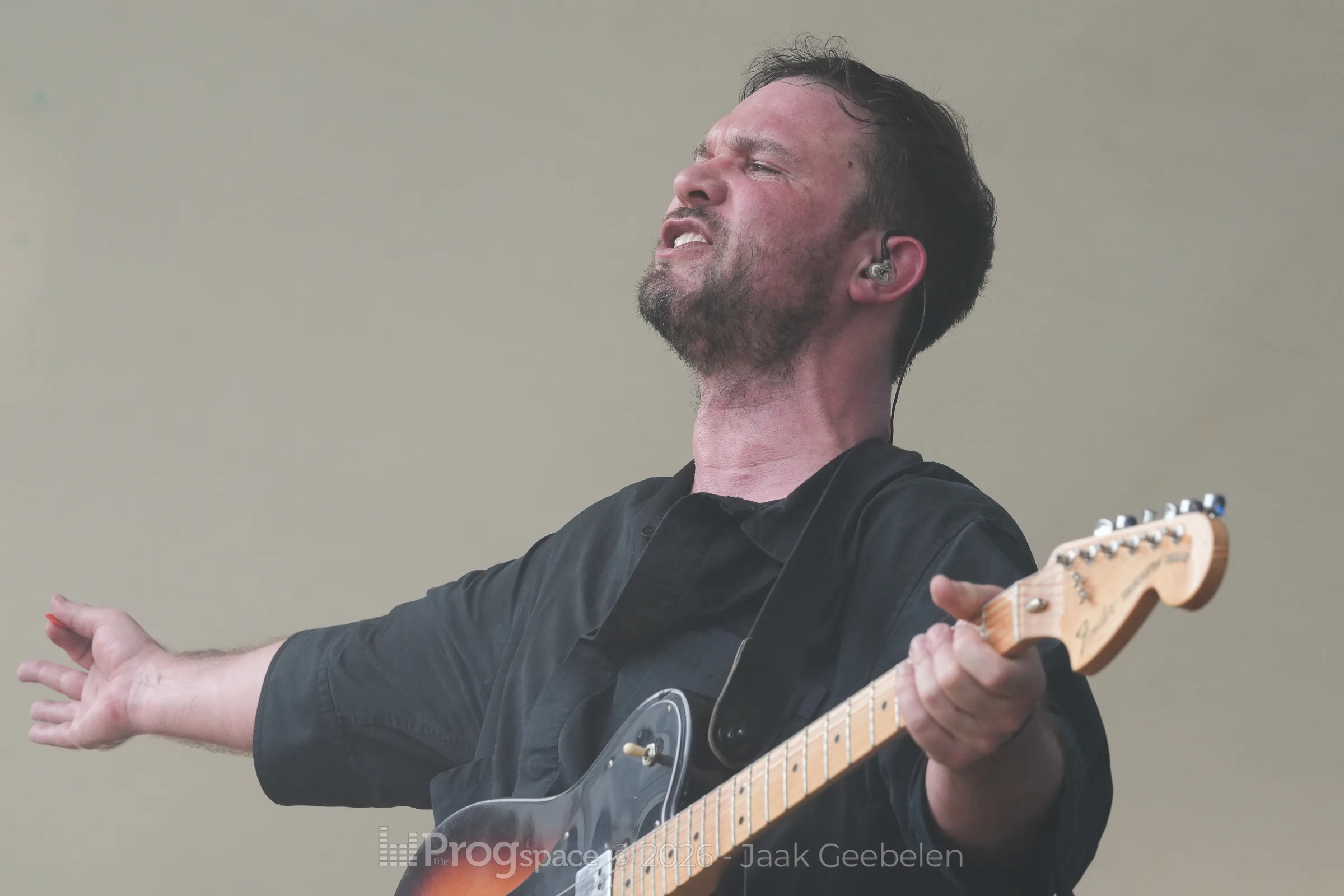
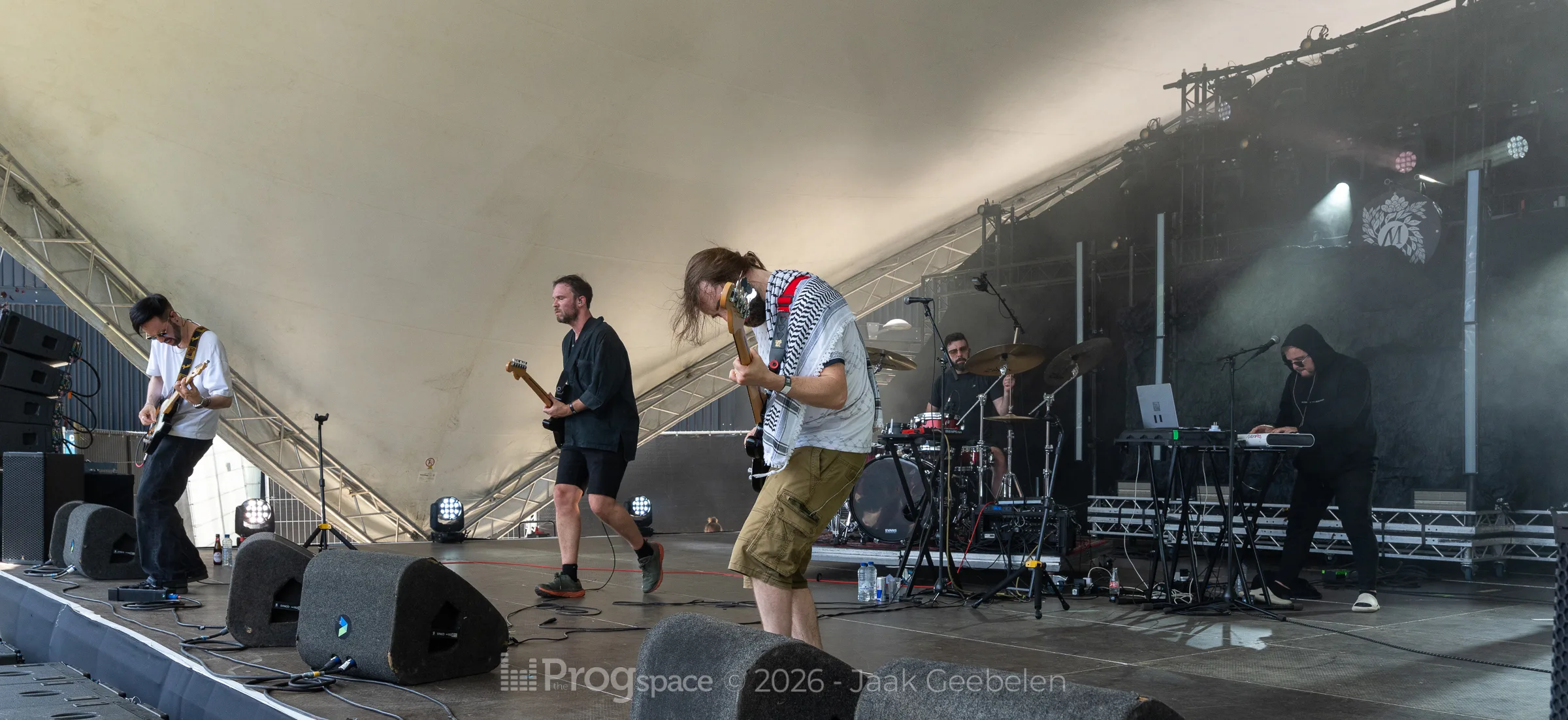
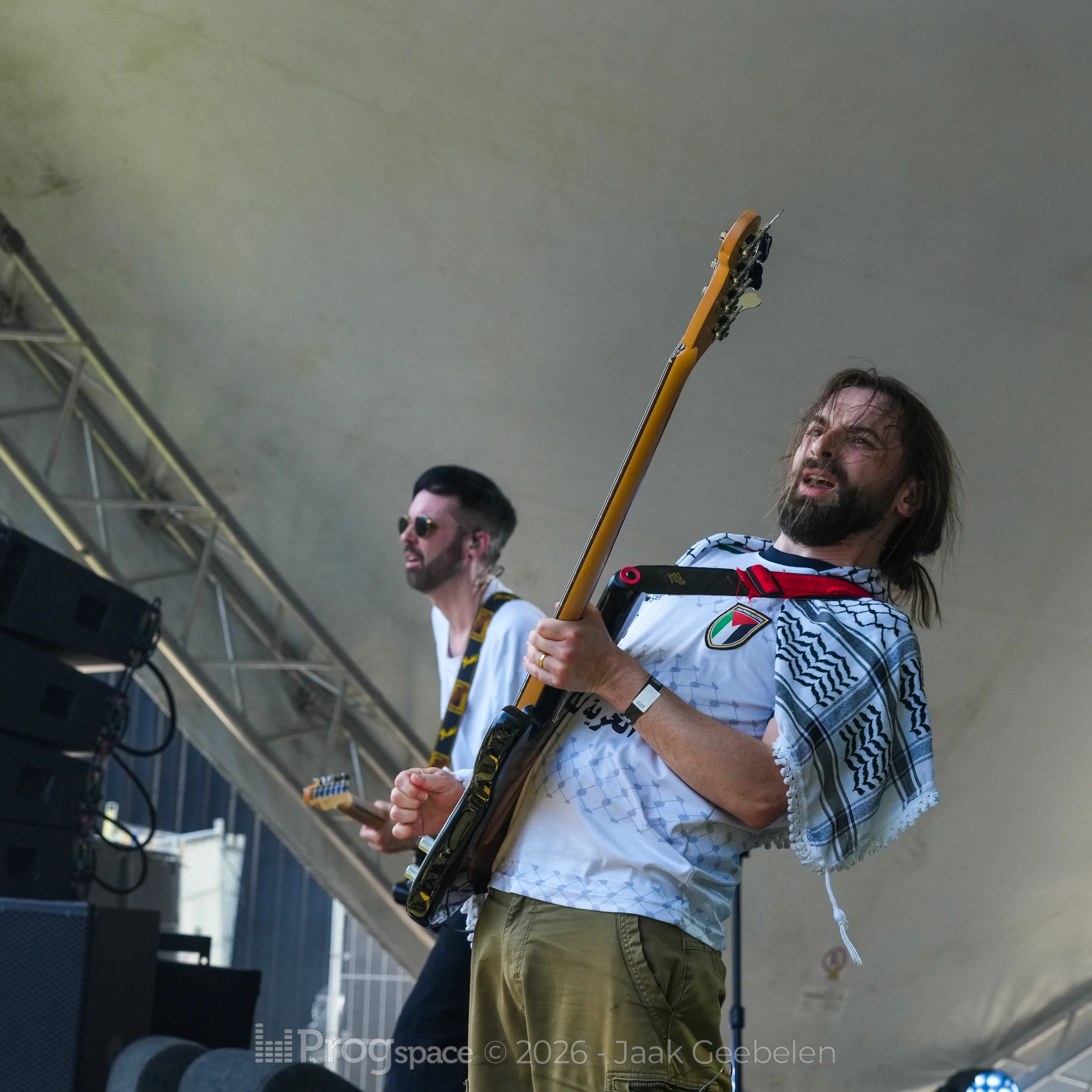
Visually, the performance remained understated yet remarkably effective. Two guitarists continuously layered melodies and textures, while the rhythm section patiently pushed every composition towards its inevitable climax. Bassist Stevie Darragh proved to be the most animated figure on stage, constantly moving across the front of the stage and engaging with the audience while providing the solid foundation beneath the band’s expansive sound. His Palestinian keffiyeh also stood out as a visually striking element that inevitably carried symbolic resonance in today’s world, without ever distracting from the music itself.
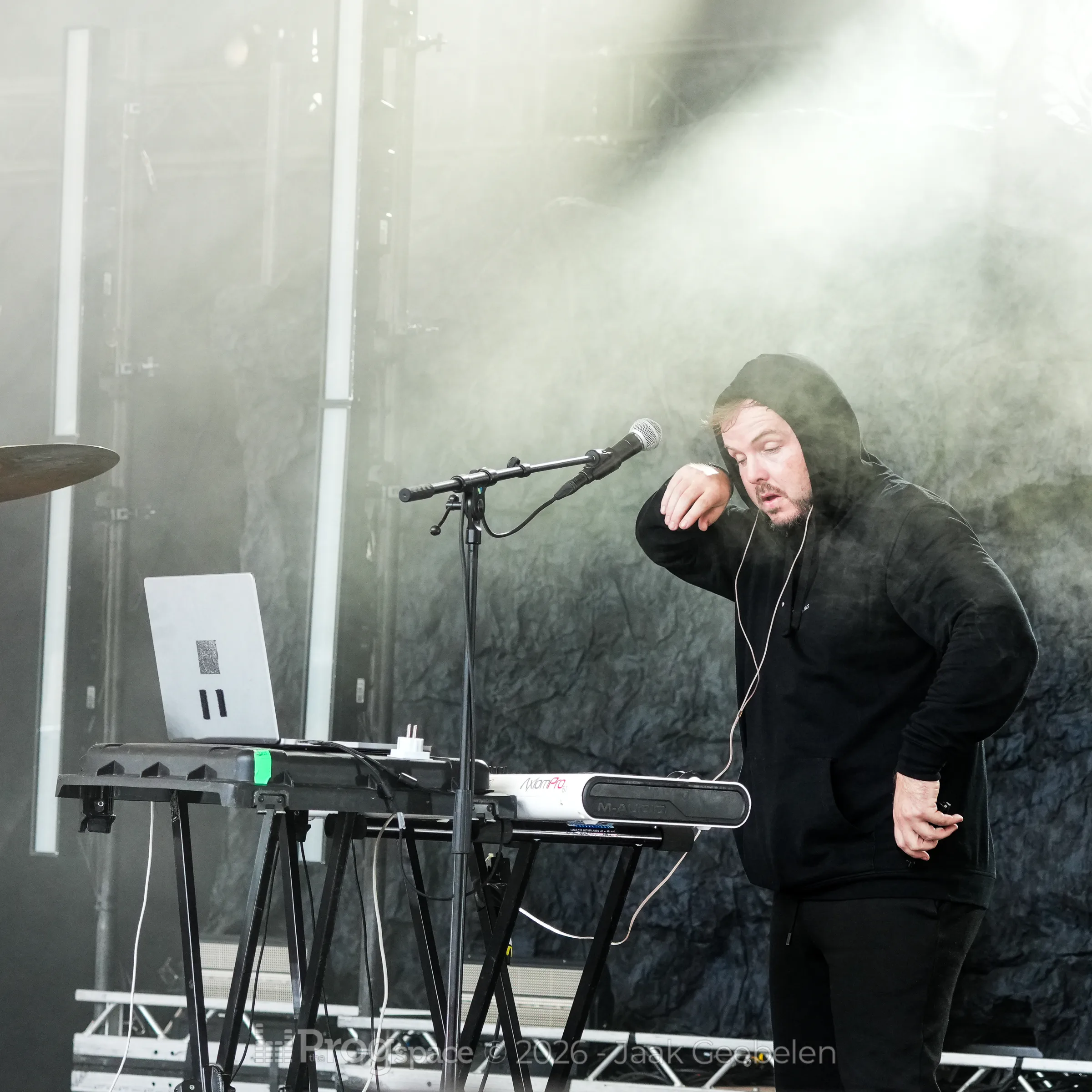
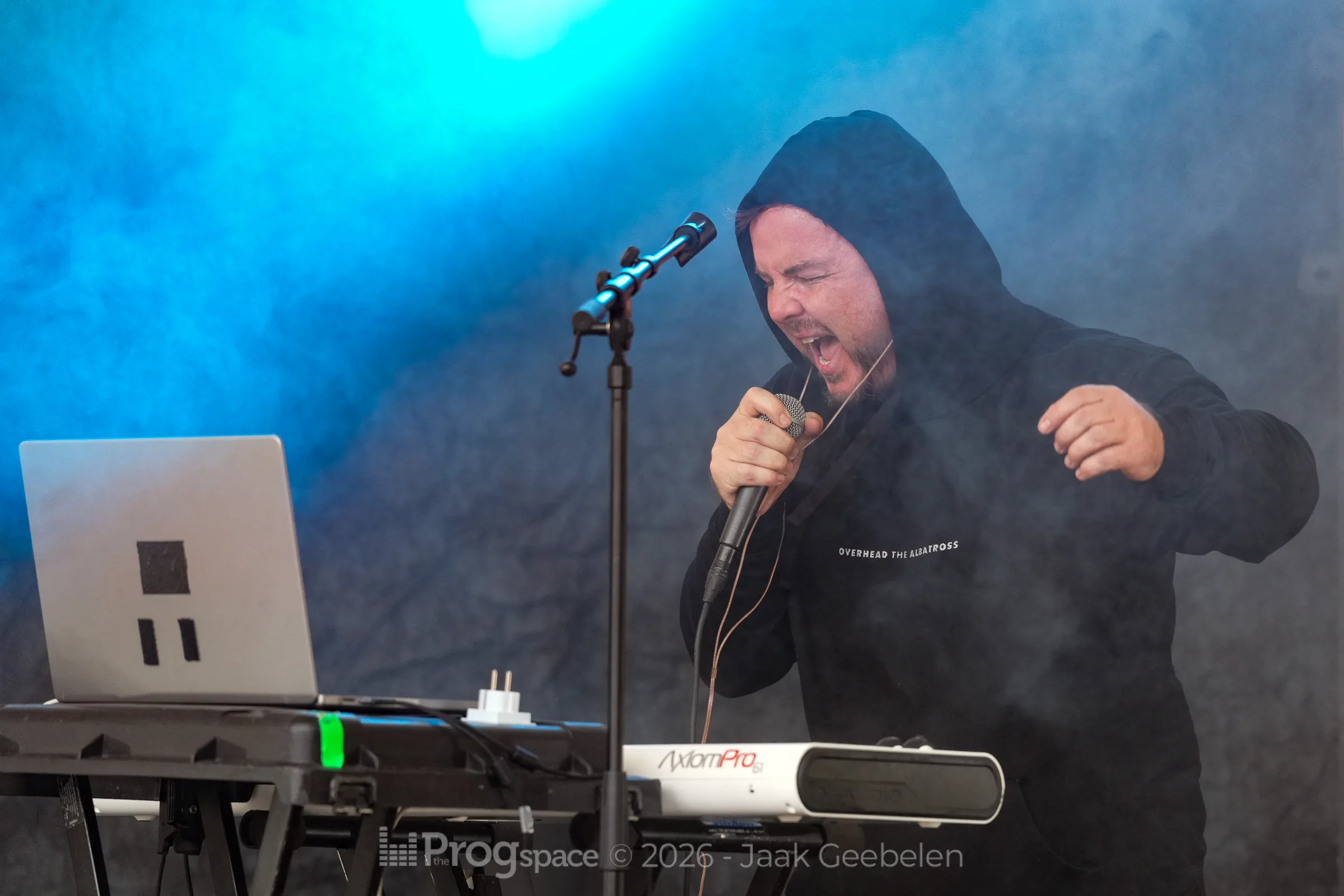
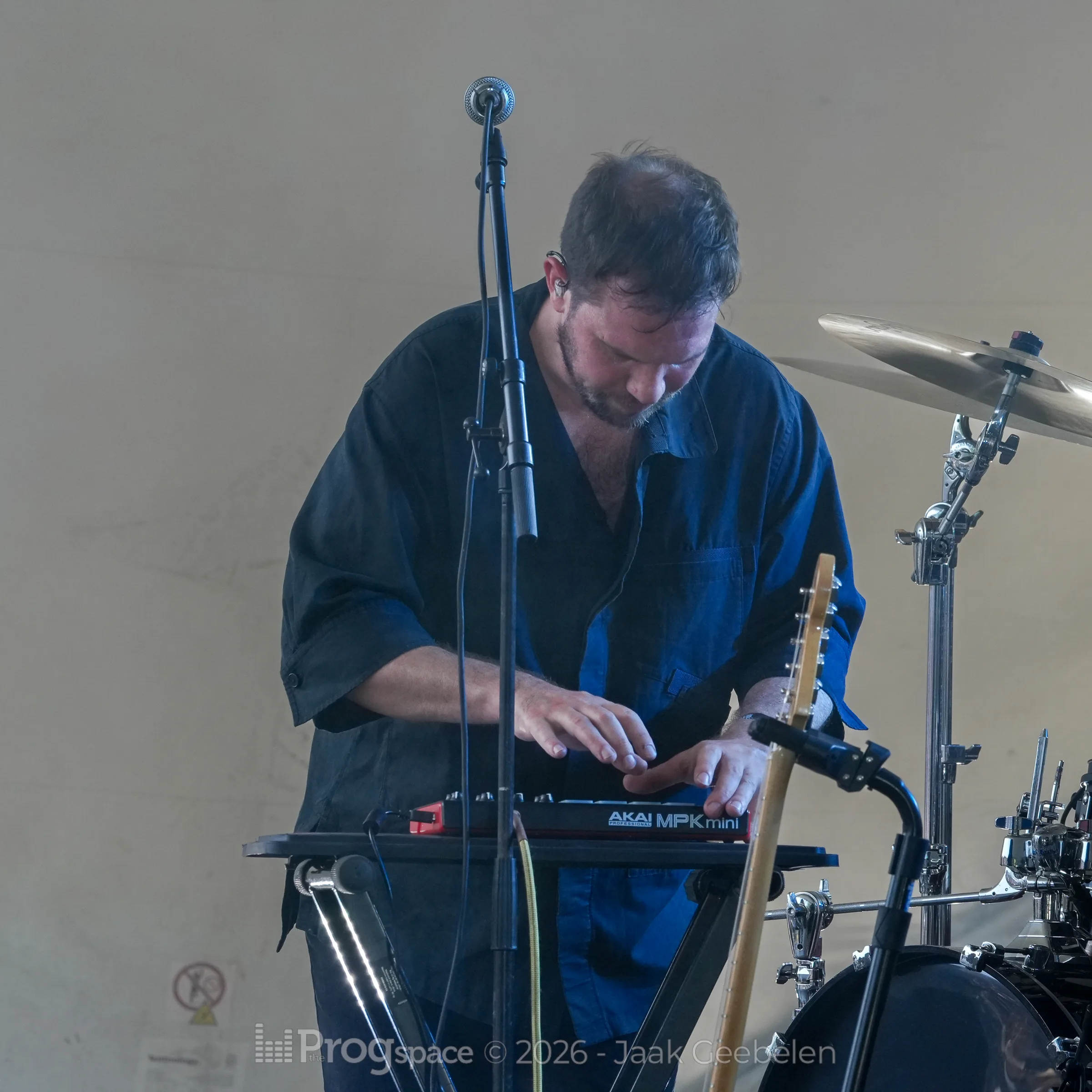
To the right of the stage, David Prendergast worked behind keyboards, synthesizers and laptop, adding electronic textures and additional vocals that gave the music much of its cinematic depth. His contribution underlined once again that Overhead, The Albatross have grown far beyond the boundaries of traditional guitar-driven post-rock.
Perhaps most remarkable was the setting itself. Music that naturally seems suited to dark theatres, elaborate visuals and carefully controlled lighting had to unfold beneath the bright afternoon sun. Yet none of its emotional impact was lost. If anything, the absence of theatrical darkness only emphasised the strength of the compositions themselves.
The audience’s response spoke volumes. The applause was long and heartfelt, while a substantial queue quickly formed at the merchandise stand after the performance. Throughout the festival grounds, enthusiastic conversations confirmed the same conclusion: for many attendees, Overhead, The Albatross had become one of the biggest discoveries of the weekend.
For me, they certainly were. Just as OK Goodnight had done on the festival’s opening day, Overhead, The Albatross demonstrated that progressive music continues to evolve through a new generation of fearless artists. Rather than recycling the past, they create something deeply personal, emotionally honest and unmistakably contemporary. Their performance at Midsummer Prog was not simply another excellent concert—it was a powerful reminder that some of progressive music’s most exciting stories are only just beginning.
Special thanks to Ela Williamson for her invaluable musical insights, thoughtful discussions, and assistance in the preparation of this review.



 We’re a group of Prog-lovers who started a journey to share with you our thoughts about albums, concerts, tours and festivals, the photo galleries of the Prog concerts we visit, as well interviews with upcoming or established musicians or prog-related people. Follow our Facebook page for frequent updates and news around the Progniverse.